


Written by the AJLuxe Team — specialists in gemstone sterling silver jewelry. Last updated: July 2026.
- Labradorite is the "stone of transformation," linked to the Third Eye and Throat Chakras.
- It's traditionally believed to awaken intuition, protect the aura, and ease the fear that comes with major life change.
- Crystal healers point to it for psychic development, dream work, and shielding empaths from emotional drain.
- Charge it under moonlight, not direct sun — prolonged sunlight can fade the color over time.
- Cleanse with moonlight, smoke, sound, or selenite — never prolonged water or salt water soaking.
If you've felt pulled toward labradorite's shifting blue-green glow, you're in good company — this is one of the most requested stones among people going through a life transition. The labradorite healing properties center on transformation, protection, and intuitive insight, and they've been part of crystal healing tradition since the stone was first documented on Canada's Labrador Peninsula in 1770 — though Inuit communities in the region had their own spiritual relationship with it long before that. This guide covers what labradorite is traditionally believed to do, how to work with it day to day, and how to keep its energy — and its famous flash — in good condition.
Labradorite's Core Healing Energy: Transformation
Labradorite's defining metaphysical reputation is as the stone of change. Crystal practitioners describe it as a companion for anyone standing at a crossroads — a new job, a move, the end of a relationship, a health scare, or simply a season of feeling like the old version of yourself no longer fits. The idea is that labradorite doesn't force change, but makes the transition easier by strengthening your ability to trust your own instincts as you move through it.
This ties directly to its physical appearance. The stone looks unremarkable — a flat grey-green — until it catches the light and reveals a flash of electric color. Practitioners often use this as a working metaphor: labradorite is believed to help you see your own hidden potential the same way light reveals the color hidden in the stone.
Third Eye and Throat Chakra Connection
Labradorite's primary chakra association is the Third Eye Chakra, the energy center between the eyebrows linked to intuition, insight, and inner vision. Practitioners use it to strengthen psychic perception, sharpen dream recall, and quiet the analytical mind enough to hear instinct over noise.
Pieces with a strong blue flash are also connected to the Throat Chakra, supporting honest, authentic communication — useful if you tend to hold back what you actually think in difficult conversations. A labradorite pendant worn at chest or throat height is the most common way practitioners combine both associations in daily wear.
Psychic Protection for Empaths and Sensitive People
Alongside transformation, labradorite has a strong reputation as a protective stone — specifically against energy drain rather than physical harm. It's a frequent recommendation for empaths, healers, and highly sensitive people who tend to absorb the emotions of everyone around them. The idea is that labradorite forms a buffer, letting you stay open and perceptive without taking on other people's emotional weight as your own.
This is a different kind of protection than a stone like black tourmaline, which is more about grounding and deflecting negativity outright. Labradorite's protection is described as more selective — it's meant to let genuine connection through while filtering out what isn't yours to carry.
How to Use Labradorite for Healing
Wear it daily
A labradorite pendant or ring worn consistently is the most common practice. Chest-level pendants keep the stone near the Throat and Heart Chakras; rings keep it in your line of sight throughout the day as a physical reminder of your intention.
Meditate with it
Hold labradorite to your forehead (Third Eye) during meditation, or simply hold it in your palm while you sit quietly. Many practitioners recommend setting a specific intention around change or clarity before starting.
Dream work
Placing labradorite under your pillow or on a nightstand is a common practice for people working on dream recall or seeking intuitive insight through dreams.
Journaling with labradorite nearby
Because transformation is labradorite's core theme, some practitioners keep a piece on their desk while journaling through a major decision or life change, treating the practice as a way to process the transition consciously.
Cleansing and Charging Labradorite
| Method | Safe for Labradorite? | Notes |
|---|---|---|
| Moonlight | Yes — preferred | Best on a windowsill or outdoors overnight during a full moon |
| Direct sunlight | Avoid | Prolonged sun exposure can fade the color over time |
| Smoke (sage, palo santo) | Yes | Pass the stone through smoke for 10–20 seconds |
| Sound (singing bowl) | Yes | Place stone near the bowl while it's played |
| Selenite charging plate | Yes | Leave overnight on or beside selenite |
| Brief water rinse | Yes, briefly | Quick rinse is fine; do not soak |
| Salt or salt water | No | Feldspar cleavage can weaken with salt/prolonged moisture |
Crystal Pairings for Labradorite
Labradorite's transformative energy pairs well with several complementary stones, depending on what you're working through:
- Black tourmaline — grounds labradorite's intensity, useful if you find it overstimulating
- Amethyst — deepens the Third Eye connection for intuitive and spiritual work
- Selenite — cleanses and amplifies labradorite while adding clarity
- Rose quartz — softens the energy with heart-centered compassion during emotionally difficult transitions
- Lapis lazuli — combines intuitive knowing with intellectual wisdom for decision-making
For a deeper look at labradorite's origin story, its optical science, and how it compares to moonstone, see our complete guide to labradorite meaning. And if you're curious about its zodiac associations specifically, read our labradorite zodiac sign guide.
Wear Transformation Energy Every Day
Our elemental stone charms necklace in 18K gold plated sterling silver lets you carry gemstone energy with you, wherever your transition takes you.
Ready to shop? Browse all crystal and gemstone jewelry in hypoallergenic sterling silver — gift-ready and backed by our 30-day returns.
Frequently Asked Questions
What does labradorite do spiritually?
Labradorite is traditionally believed to awaken intuition and psychic perception, act as a shield against energy drains, and support people through periods of major life transformation. It's associated with the Third Eye and Throat Chakras, and crystal practitioners often describe it as a 'stone of magic' because it's thought to strengthen inner knowing while protecting the aura from external negativity during change.
Who should not wear a labradorite stone?
Some crystal practitioners caution that labradorite's intensity can overstimulate highly sensitive people, especially during emotionally unstable periods, since it's believed to accelerate change and surface buried feelings quickly. If you're already going through a turbulent time, some healers suggest starting with short daily wear and pairing it with a grounding stone like black tourmaline or smoky quartz rather than wearing it constantly from day one.
Does labradorite need to be charged?
Many crystal practitioners recommend charging labradorite periodically to keep its energy 'active,' typically under moonlight (especially a full moon) or by placing it near selenite overnight. Because labradorite is sensitive to prolonged sunlight, which can fade its color over time, moonlight or indirect methods are preferred over sun-charging. Charging isn't required for the stone to physically function — it's a metaphysical practice some believers find useful for their intention-setting.
What zodiac signs can wear labradorite?
Labradorite is most commonly associated with Scorpio, Sagittarius, and Leo in Western astrology, though many practitioners consider it a universal stone that any sign can wear. Scorpios are drawn to its transformative, intuitive qualities; Sagittarius benefits from its connection to adventure and personal growth; Leo pairs well with its confidence-boosting, protective properties.
How do you cleanse labradorite?
Moonlight is the most recommended method — leave the stone on a windowsill or outdoors overnight during a full moon. Smoke cleansing with sage or palo santo, sound cleansing with a singing bowl, and placing the stone on a bed of selenite are also considered safe. Avoid extended water soaking or salt water, since labradorite has feldspar cleavage planes that can weaken with prolonged moisture exposure.
Can you sleep with labradorite under your pillow?
Yes, many crystal practitioners recommend this specifically for dream work, since labradorite is associated with the Third Eye Chakra and intuitive/psychic dreaming. Some report more vivid or symbolic dreams after a few nights. If you find it overstimulating and it disrupts sleep, moving it to a nightstand a few feet away or swapping to a calmer stone like amethyst on those nights is a common adjustment.
What chakra is labradorite good for?
Labradorite is primarily linked to the Third Eye Chakra (intuition, insight, inner vision), with a secondary connection to the Throat Chakra (authentic communication) for pieces with strong blue flash. Some practitioners also connect the deep blue-green varieties to the Crown Chakra for spiritual connection. Wearing it as a pendant that sits near the throat or holding it to the forehead during meditation are the two most common placement practices.
Is labradorite good for anxiety?
Labradorite is traditionally used to ease anxiety around change and uncertainty rather than general anxiety — its core association is transformation, so practitioners reach for it specifically during job changes, moves, breakups, or other transitions where fear of the unknown is the main driver. For general daily calm, many people pair it with a more soothing stone like rose quartz or blue lace agate.
What does it mean when labradorite loses its flash?
Labradorescence itself doesn't fade or wear off — it's a structural optical effect from the stone's internal layers, not a surface coating. If a piece looks duller than before, it's almost always a scratched or grimy surface disrupting the light, not an energetic or physical change. Gently cleaning the surface and re-polishing (a jeweler can do this) typically restores the visible flash.
Explore more: Labradorite Meaning: Full Guide
All third-party trademarks, brand names and product names are the property of their respective owners. AJLuxe is not affiliated with, endorsed by, sponsored by, or otherwise connected to any third-party brand referenced in this article. Brand names are used solely for accurate comparative reference, and material descriptions reflect each brand's own published product specifications at the time of writing.
You Might Also Like
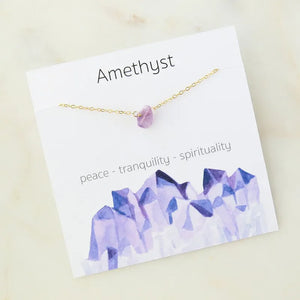

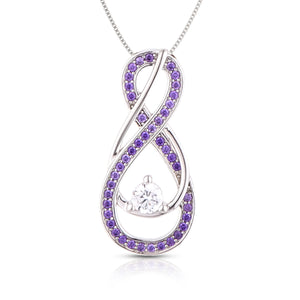
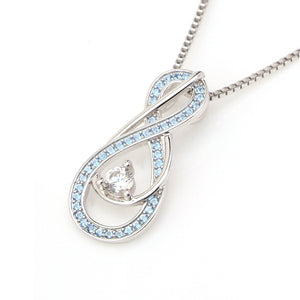
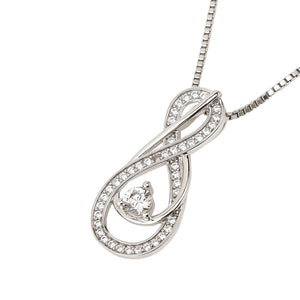
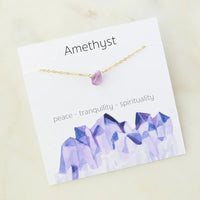
The piece they're describing → Stone Charm Necklace for Women — Raw Natural Gemstone Pendant
Personalize Yours


