


Peridot vs emerald: what is the difference?
Green is one of the most popular gemstone colors, and these are the two you will meet most often when you go looking for it. Both show up in birthstone jewelry (peridot for August, emerald for May), and in a photo they can look alike. Side by side they are clearly different in color, clarity, hardness, price and care.
Peridot vs emerald: quick comparison table
Here is the side-by-side view before the details. Hardness is measured on the standard 1 to 10 hardness scale used for gemstones.
| Category | Peridot | Emerald |
|---|---|---|
| Mineral | Olivine (magnesium iron silicate) | Beryl, colored by chromium and/or vanadium |
| Hardness | 6.5 to 7 | 7.5 to 8, but brittle because of inclusions |
| Color | Lime to olive green with a yellowish undertone; only ever green | Deep green with a bluish undertone; varies by origin |
| Clarity | Typically eye-clean | Almost always has visible inclusions; most are oil-treated |
| Main sources | Arizona, Pakistan, Myanmar, China | Colombia, Zambia, Brazil, Ethiopia |
| Price | Affordable at nearly every quality level | From moderate for commercial grades to very high for fine stones |
| Ring durability | Good for daily wear; can scratch over years | Hard but prone to chipping on impact |
| Birthstone | August | May |
| Zodiac link | Virgo | Taurus |
| Meaning | Prosperity, protection, positivity | Love, rebirth, wisdom, loyalty |
| Care | Easy: warm water, mild soap, soft cloth | Careful: no ultrasonic or steam cleaning, avoid heat and impact |
What is peridot?
Peridot is the gem-quality form of olivine, a magnesium iron silicate mineral. Unlike most colored gemstones, peridot only comes in green, because its color comes from iron that is part of its crystal structure rather than a trace impurity, so you will never see a pink or blue peridot.
Much of the world's commercial peridot comes from Arizona, while the largest, most saturated stones often come from Pakistan, with smaller amounts from Myanmar and China. Peridot has been prized for thousands of years, and in the ancient world it was sometimes mistaken for emerald because the two are both green and were traded in similar circles.
What is emerald?
Emerald is a variety of the mineral beryl, colored green by trace amounts of chromium, vanadium or both. It belongs to the same family as aquamarine and morganite, and it is one of the "big three" precious colored stones alongside ruby and sapphire.
Colombia is known for the most sought-after emeralds, prized for a saturated bluish green, and Zambia is another major source. Almost every emerald on the market has been treated with oil or resin to fill surface-reaching fractures. That is a long-accepted trade practice rather than a red flag, but it means an untreated emerald is rare and priced accordingly.
Which has the better color and clarity?
Neither is better, they are simply different: peridot is brighter and more yellow-green, while emerald is deeper and more blue-green. Peridot looks lighter and more vivid in direct light, and emerald photographs darker and reads as more formal.
Clarity is the difference most buyers do not expect. Peridot is normally eye-clean, and visible inclusions are treated as a flaw. Emerald is the opposite: nearly every stone has visible inclusions, often called "jardin" (French for garden) because they can look like tiny plant patterns under magnification. In emerald, those inclusions are accepted as part of the stone's character.
Which is more durable for daily wear?
Peridot is usually the safer choice for a ring worn every day, even though emerald is harder on paper. Emerald rates 7.5 to 8 against peridot's 6.5 to 7, but that number only measures scratch resistance, not toughness.
Because nearly all emeralds contain inclusions and internal fractures, a sharp knock against a countertop or a car door can chip or crack one. That is why emerald rings are best in protective bezel or halo settings and taken off for physical activity. Peridot can pick up surface scratches over years against harder materials, but it is far less prone to sudden chipping.
For comparison, sapphire and ruby sit at 9 and diamond at 10. Neither peridot nor emerald is in that range, which is why both are often recommended for pendants and earrings over rings that take heavy daily impact.
Which is more expensive?
Emerald is far more expensive than peridot at comparable quality. Peridot is a semi-precious stone that stays affordable across almost every quality tier, apart from rare large or exceptionally saturated stones. Emerald is a precious stone, and its price rises steeply with color, clarity, origin and how little it has been treated.
In practice, peridot gets you a vivid, good-sized stone at almost any budget, while emerald ranges from a modest accent stone to a serious investment purchase. Prices vary widely between sellers, so compare stones of the same size and quality rather than going by a single figure.
Which is the birthstone, and for what sign?
Peridot is the modern August birthstone and emerald is the May birthstone. Peridot is most closely tied to Virgo and emerald to Taurus, and each is also associated with a secondary sign in various traditions.
If your birth month is August, peridot is the direct birthstone choice, and if it is May, emerald is. Outside of birth month, the decision usually comes down to budget and formality: peridot for a bright, casual, everyday piece, emerald for something with more traditional weight. For more detail see our guides to the August birthstone and the May birthstone.
How do their meanings differ?
Peridot is traditionally associated with prosperity, protection and positivity, while emerald is associated with love, rebirth, wisdom and loyalty. Crystal traditions describe peridot as a stone for staying grounded and optimistic through change, and emerald as the stone of enduring love and renewal, echoing its living green color.
These are traditions of meaning, not clinical claims, and neither stone is a substitute for medical or mental health care. Read more in our guides to peridot meaning and emerald meaning.
Which stone is better for which type of jewelry?
Peridot suits rings and bracelets better, and either stone works well in pendants and earrings. The reason is simple: the less impact a piece takes, the less emerald's brittleness matters.
- Rings: Peridot tolerates daily knocks better. Emerald rings are stunning but work best in a protective setting and for occasional wear.
- Earrings: Both do well, since earrings see far less impact than rings.
- Necklaces and pendants: The safest setting for either stone, and the most popular way to wear a birthstone.
- Bracelets: Emerald is the riskier choice because bracelets take more incidental impact.
How do you care for peridot and emerald?
Clean peridot with warm water, mild soap and a soft cloth, and clean emerald with only a soft, damp cloth. The rules differ enough that treating the two the same puts emerald at real risk.
Peridot care: Avoid prolonged contact with household chemicals and acids, which can dull the surface. A soft cloth is the safest default, and it is best stored separately from harder stones to prevent scratches.
Emerald care: Never use ultrasonic or steam cleaners, which can widen the fractures that oil treatment fills. Avoid hot water, direct heat and harsh chemicals, take emerald jewelry off before physical activity, and store it on its own.
Verdict: which should you choose?
Choose peridot if you want a bright, affordable stone you can wear every day, you prefer a lighter, more vivid green, or you were born in August. Choose emerald if you want a classic, high-value stone with real prestige, you love a deep saturated green, your budget allows for it, or May is your birth month. If you cannot choose, many people own both, wearing peridot daily and keeping emerald for pendants and special occasions.
Peridot and emerald colors at AJLuxe
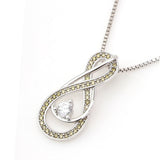
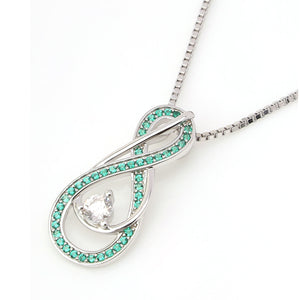
AJLuxe does not sell natural peridot or natural emerald jewelry. Our birthstone-color necklaces use simulated stones (cubic zirconia) chosen to match the color of the birthstone, set in 925 sterling silver. If you want the look at a friendly price, see the August peridot-green infinity necklace or the May emerald-green infinity necklace, or browse the birthstone jewelry collection. We ship within the US only.
Frequently asked questions
Which is better, emerald or peridot?
Neither is better in every case, it depends on what you want. Emerald is the more prestigious, valuable stone with a deeper green and is the traditional May birthstone. Peridot is the more practical choice: brighter, more affordable and more forgiving for everyday wear, especially in rings.
Is peridot cheaper than emerald?
Yes, significantly. Peridot is a semi-precious stone that stays affordable at nearly every quality level, while emerald is a precious stone whose price rises steeply with color, clarity and origin.
Who cannot wear peridot?
There is no physical reason peridot is unsafe for anyone to wear. The question mostly comes from astrological traditions, where stones are sometimes recommended or discouraged based on a person's birth chart, and those are matters of belief rather than anything physical.
Is peridot a cheap stone?
Peridot is better described as affordable than cheap. It costs less than emerald, ruby or sapphire because it is more abundant, not because it is poor quality, and a well-cut, vividly colored peridot is a genuinely attractive gemstone.
Can peridot and emerald look similar?
In low light or small photos, both read as "a green stone," which is why they have been confused throughout history. In good light the difference is clear: peridot is a brighter yellow-green, while emerald is a deeper blue-green and usually shows visible inclusions.
Is emerald or peridot more durable?
It is closer than the hardness numbers suggest. Emerald rates higher on paper, but most emeralds have inclusions that make them prone to chipping on impact, so peridot often survives daily wear, especially in rings, more reliably.
Is peridot or emerald a birthstone?
Both are. Peridot is the modern birthstone for August, and emerald is the birthstone for May.
Why are almost all emeralds treated but not peridot?
Emerald almost always forms with fractures that reach the surface, so the trade fills them with oil or resin to improve clarity and stability. Peridot typically forms with far fewer inclusions, so there is little need for a comparable treatment.
Which stone holds up better in an engagement ring?
Peridot tends to hold up better for a ring worn every day because it is less prone to chipping. Emerald can work as an engagement stone and has centuries of tradition behind it, but it suits a protective bezel or halo setting and an owner who is comfortable with extra care.
Final thoughts
Peridot and emerald both earn their place among the best-loved green gemstones, but from opposite directions. Emerald is the deep, storied, precious choice, worth handling with real care. Peridot is the bright, accessible, everyday choice. Whichever you pick, choose a setting that protects the stone.
Written by the AJLuxe team. Last updated: October 2026.
All third-party trademarks, brand names and product names are the property of their respective owners. AJLuxe is not affiliated with, endorsed by, sponsored by, or otherwise connected to any third-party brand referenced in this article. Brand names are used solely for accurate comparative reference, and material descriptions reflect each brand's own published product specifications at the time of writing.
You Might Also Like
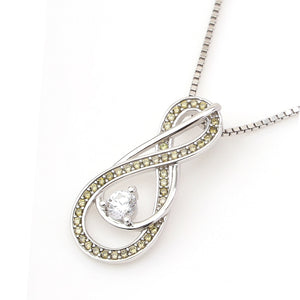
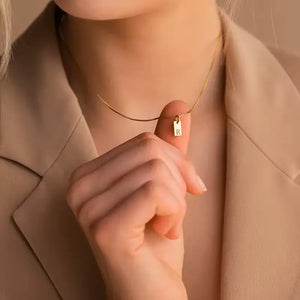

The piece they're describing → August Birthstone Necklace for Women — Peridot Green Infinity Pendant, 925 Sterling Silver
Personalize Yours


