


Jewelry for Tweens: A Parent's Guide to Safe, Trendy First Pieces
Written by the AJLuxe team — specialists in hypoallergenic 925 sterling silver jewelry. Last updated: July 2026.
- Material matters most: Skip cheap costume-metal jewelry, which often contains nickel — a common cause of skin reactions in kids. Look for 925 sterling silver, surgical steel, or titanium instead.
- Price: A genuinely good first piece doesn't need to cost much — $20–40 covers sterling silver studs, a dainty necklace, or an adjustable ring.
- Size: Tweens have smaller earlobes, wrists, and finger sizes than adults — an adjustable ring and a shorter necklace length usually fit better than "one size fits most" adult pieces.
- What's actually trending: Small studs, dainty layered necklaces, initial pendants, birthstone pieces, and thin stacking rings — not big statement jewelry.
Somewhere between "kids' jewelry" and "her mom's jewelry box" is an awkward gap most stores don't really shop for: real pieces for a tween — roughly ages 9 to 12 — who's starting to care about how she looks but still has a kid's skin, a kid's ear size, and a parent making the final call on the purchase. This guide is written for that parent or gift-buyer: what actually makes jewelry safe and appropriate at this age, what it should cost, how sizing is different, and what tweens are genuinely wearing right now.
What Makes Jewelry Safe for a Tween?
The single biggest safety factor isn't the design — it's the metal. A lot of inexpensive costume jewelry marketed to kids and tweens is made from mixed-metal alloys that can contain nickel, which is the most common cause of contact-dermatitis-style skin reactions from jewelry, and kids' skin tends to be more reactive than adult skin. A tween wearing a $3 pair of earrings from a costume-jewelry rack for a few weeks is a fairly common way a first nickel sensitivity gets discovered — an itchy, red, sometimes blistered earlobe or wrist that clears up once the jewelry comes off.
The safer alternative is jewelry made from metals that are naturally low-reactivity: 925 sterling silver (92.5% pure silver, alloyed with other metals for durability — a purity standard defined by the FTC's jewelry guides, not a marketing term), surgical-grade stainless steel, and titanium. None of these are risk-free for every single person — true metal allergies exist to almost anything — but they're the categories dermatologists and pediatric piercing studios most commonly recommend, and they're what most reputable "hypoallergenic" jewelry for kids and tweens is actually made from. When you see "hypoallergenic" on a listing, it's worth checking what metal is underneath the word — a coating or plating over an unknown base metal is a different (and less reliable) thing than a solid nickel-free metal all the way through.
The Right Price Point for a Tween's First Jewelry
You don't need to spend a lot to get real, well-made jewelry for a tween — and for a first piece, spending less is often the smarter call anyway, since kids at this age lose earrings, misplace necklaces, and change their style preferences faster than adults do. A realistic budget:
- $20–30: A solid pair of sterling silver studs or a simple dainty pendant necklace — plenty for a first "real" piece.
- $30–45: A slightly more special piece for a birthday or milestone — a birthstone necklace, an adjustable ring, or a small hoop.
- $45+: Usually more jewelry than a tween needs day-to-day — worth saving for a bigger milestone (confirmation, graduation from middle school) rather than an everyday piece.
Browse jewelry under $30 for a full range of pieces that fit comfortably in this budget without cutting corners on the metal.
Sizing: Why Adult Jewelry Often Doesn't Fit a Tween
This is the part most gift guides skip entirely. A tween's earlobes, wrist, and finger size are genuinely smaller than an adult's, and jewelry sized for a grown woman can end up loose, oversized, or just uncomfortable on a smaller frame:
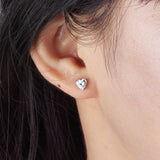
- Earrings: Small studs (think 4–6mm) sit more comfortably on a smaller earlobe than larger statement studs, and lightweight designs are less likely to pull on a still-healing or younger piercing. Skip heavy dangle earrings for daily wear — they're more likely to catch on hair or clothing and tug at a smaller lobe.
- Rings: Kids' and tweens' finger sizes change as they grow, so a fixed-size adult ring is a common source of "it doesn't fit anymore" within a year. An adjustable ring — an open-back band that flexes to fit a range of sizes — solves this without needing an exact size at all.
- Necklaces: Adult necklace lengths (18–20 inches) can sit lower and looser on a smaller frame. A shorter 14–16 inch length, common on dainty pendant styles, tends to sit at a more flattering, secure length on a tween.
- Bracelets: The same logic applies — an adjustable clasp or extension chain matters more here than it does for adult jewelry, since wrist size still has real room to grow.
What Tweens Are Actually Wearing Right Now
Trend cycles move fast, but a few things have stayed consistently popular with this age group rather than coming and going in a single season:
- Small studs — CZ, birthstone, or simple geometric shapes — as the most common "first real earring" upgrade from plastic or cheap costume pairs.
- Dainty, layerable necklaces — thin chains with a small pendant, often worn one or two at a time rather than a single bold statement piece.
- Initial necklaces — a personalized letter pendant is one of the most consistently requested "first necklace" styles across age groups, tweens included.
- Birthstone pieces — a small birthstone necklace or stud earrings double as an easy, meaningful gift for a birthday without needing to guess at personal taste.
- Thin stacking rings — worn one at a time or a couple together, rather than large cocktail-style rings.
- Small huggie hoops — a slightly more grown-up alternative to studs that still stays close to the ear rather than dangling.
One useful rule of thumb borrowed from adult jewelry styling — sometimes called the "2-1-1" approach — is to keep it simple at this age too: a couple of small rings, one necklace, one pair of earrings is plenty. It keeps the look put-together rather than cluttered, and it's a lot easier for a tween (and a parent doing the buying) to manage than a large mixed pile of pieces.
Best Jewelry for Tweens by Type
Earrings
Start with the safety piece first: hypoallergenic earrings for sensitive ears covers styles specifically suited to reactive or newly pierced ears. Within that, the birthstone stud earrings ($27.99, 925 sterling silver with 18K gold plating and a mini CZ birthstone) are an easy, personal first-earring pick, and the plainer CZ stud earrings ($22.99, sterling silver) work well as a simple everyday pair.
Necklaces
For a first "real" necklace, browse dainty necklaces — thin chains and small pendants sized to sit well on a smaller frame. A birthstone piece from the birthstone jewelry collection is a natural gift pick for a birthday, since it's personal without requiring you to guess a tween's exact taste.
Rings
Because finger size is still changing, an adjustable ring is the safest bet — the minimalist adjustable ring ($42.99, 925 sterling silver) flexes to fit without needing a precise size, and it's simple enough to wear daily without feeling like "too much" jewelry.
Bracelets and Extras
A lightweight sterling silver bracelet with an adjustable extension chain, or a simple charm bracelet, rounds out a first jewelry collection without adding anything heavy or fussy. Skip anything with small removable charms or beads for younger tweens specifically — they're easy to lose and, for the youngest end of this age range, can be a choking hazard around much younger siblings in the house.
How to Care for a Tween's First Jewelry
Keep it simple — a tween isn't going to follow an elaborate jewelry-care routine, and a good first piece shouldn't need one:
- Take it off before swimming, showering, and sports — chlorine, sweat, and repeated water exposure are the biggest reasons any jewelry looks worn out faster than it should.
- Store pieces in a small pouch, tray, or jewelry box rather than loose in a backpack or pencil case, where earring backs and thin chains are easy to lose.
- Wipe with a soft cloth after wear if the piece looks dull — sterling silver doesn't need anything more complicated than that for everyday care.
- For new piercings specifically, follow the piercer's aftercare instructions (usually saline cleaning and not removing the starter earrings) rather than switching earrings early, even to a "nicer" pair.
A Quick Safety Checklist Before You Buy
- Does the listing say what the base metal actually is — 925 sterling silver, surgical steel, or titanium — rather than just "hypoallergenic" with no material named?
- Is the piece lightweight and small enough for a smaller earlobe, wrist, or finger?
- Does a ring or bracelet adjust, rather than lock into one fixed adult size?
- Are there any small, detachable parts that could be a choking risk if there are much younger children in the house?
- Is the price low enough that it's not a crisis if it gets lost — a very real possibility at this age?
Related necklace guides: Our complete guide to a necklace for daughter compares every style, length and price. Shopping for someone else? See necklace for sister, necklace for grandma, necklace for mom and necklace for wife. You can also browse the gifts for daughter collection.
Frequently Asked Questions
What jewelry is safest for tweens?
Jewelry made from 925 sterling silver, surgical-grade stainless steel, or titanium is generally the safest choice, since these metals are naturally low in nickel — the most common cause of jewelry-related skin reactions. Avoid unmarked "costume" metal jewelry, which often mixes in nickel or other reactive metals to keep costs down, and always check what the base metal actually is rather than trusting the word "hypoallergenic" alone.
Are hypoallergenic earrings actually safe for tweens with sensitive ears?
Yes, when they're genuinely made from a low-reactivity metal like sterling silver, surgical steel, or titanium — "hypoallergenic" isn't a regulated term, so it's worth confirming the actual metal rather than relying on the label by itself. For a tween who's already had a reaction to costume jewelry, sterling silver or surgical steel studs are a sensible first switch, and most kids who react to nickel-heavy jewelry do fine in these materials.
What earrings won't cause a nickel allergy reaction?
Earrings made from solid 925 sterling silver, surgical-grade stainless steel, titanium, or niobium are the standard low-nickel options recommended for sensitive ears. Gold-plated pieces can also help if the base metal underneath the plating is itself a low-nickel metal, but the plating can wear thin over time and expose the base metal, so a solid sterling silver or steel piece is the more reliable long-term choice for a known nickel allergy.
What jewelry is trending for tweens right now?
Small studs, dainty layered necklaces, initial and birthstone pendants, thin stacking rings, and small huggie hoops are the most consistently popular styles for this age group — simple, lightweight pieces rather than large statement jewelry. These styles have stayed popular across recent trend cycles because they work for both everyday wear and as an easy, low-guesswork gift.
How much should you spend on a tween's first piece of jewelry?
$20–40 comfortably covers a well-made first piece — sterling silver studs, a dainty necklace, or an adjustable ring — without overspending on something a tween may lose, outgrow, or simply stop wearing within a year or two. Save anything above that range for a genuine milestone gift rather than everyday jewelry.
How many pieces of jewelry should a tween wear at once?
Less is usually more at this age. A simple guideline — a couple of small rings, one necklace, and one pair of earrings — keeps a look put-together without becoming a lot to manage, track, and eventually lose. It's a good starting point for a tween who's new to wearing jewelry regularly.
Where can I buy hypoallergenic jewelry for a tween?
Look specifically for retailers that name the actual base metal — 925 sterling silver, surgical steel, or titanium — rather than only using the word "hypoallergenic." AJLuxe's hypoallergenic earrings and broader jewelry under $30 collections are both built around this: real 925 sterling silver and 18K gold plating, at a price point sized for a first piece rather than a fine-jewelry investment.
Final Thoughts
Jewelry for a tween doesn't need to be complicated — the right first piece is small, made from a real low-reactivity metal, sized for a smaller frame, and priced low enough that losing it isn't a disaster. Sterling silver studs, a dainty necklace, or an adjustable ring cover almost every occasion this age group actually needs jewelry for, from a first piercing to a birthday gift.
All third-party trademarks, brand names and product names are the property of their respective owners. AJLuxe is not affiliated with, endorsed by, sponsored by, or otherwise connected to any third-party brand referenced in this article. Brand names are used solely for accurate comparative reference, and material descriptions reflect each brand's own published product specifications at the time of writing.
You Might Also Like
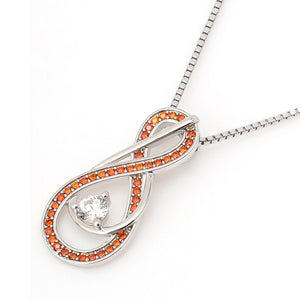

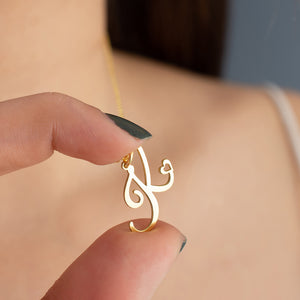
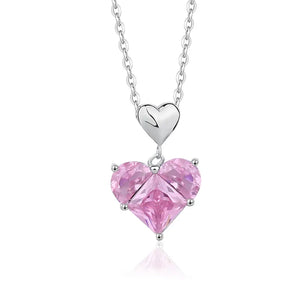
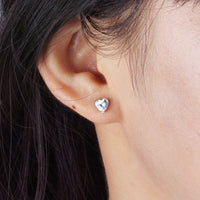
The piece they're describing → Heart Stud Earrings for Women — 925 Sterling Silver, White CZ Heart-Cut, Hypoallergenic
Personalize Yours


