The Honest Problem With Most Jewelry Under $30 If you have ever bought a necklace or pair of earrings for $8 to $20 and found it turning your skin green within a few weeks, you have encountered the m…
If you have ever bought a necklace or pair of earrings for $8 to $20 and found it turning your skin green within a few weeks, you have encountered the most common material reality of budget jewelry: a brass base with flash electroplating. Brass is an alloy of copper and zinc, occasionally with nickel added for hardness. It is inexpensive, easy to work with, and produces visually attractive jewelry at very low cost. The problem is what happens over time. The electroplating layer on most commercial low-cost jewelry is between 0.1 and 0.5 microns thick — far thinner than a human hair. Under regular wear conditions involving skin contact, moisture from sweat, and air exposure, that layer wears through in two to eight weeks. What remains is bare brass reacting with your skin. Copper in the brass oxidizes on contact with sweat and skin oils, producing the green discoloration most people have seen on their wrists or necks. Nickel in the brass can cause allergic reactions ranging from mild irritation to significant contact dermatitis. This is not an accident or a quality control failure — it is the designed outcome of the low-cost mass jewelry model. The visual product at the time of purchase is indistinguishable from something far better made. The difference only becomes apparent over weeks and months of wear.
At AJLuxe, we sell jewelry under $30 made from a different base material: 925 sterling silver. This is the internationally recognized standard for quality silver, meaning 92.5% pure silver with 7.5% copper for strength. It carries a hallmark — 925, S925, or Ag925 — stamped directly on the piece. It does not turn your skin green. It does not cause nickel reactions in most people. It tarnishes over time but is easily cleaned and restored. This is a fundamentally different material proposition from the brass-base jewelry that dominates the under-$30 market segment everywhere else.
The honest explanation for how we can sell 925 sterling silver pieces under $30 is the direct-to-consumer business model eliminating layers of markup that add cost without adding any material quality to the piece. In conventional retail, jewelry passes through a wholesale layer that marks up the manufacturer's price by 50 to 100%, and then a retail layer that marks up the wholesale price by another 100 to 200%. The piece you buy in a mall jewelry store for $60 may have left the manufacturer for $15. Neither the wholesale nor the retail markup improves the sterling silver in the piece — they pay for showrooms, lease costs, staff, wholesale buyer relationships, and brand overhead.
The raw material difference between brass and 925 sterling silver at the scale we purchase is roughly $2 to $5 per piece. That is the actual cost difference in material quality. Without the retail overhead, that $2 to $5 difference is not relevant to our pricing the way it would be if we were adding retail and wholesale markup on top. We use 925 sterling silver because the DTC model makes it financially viable to do so at prices that brass-base brands with retail overhead could not match. This is not marketing — it is the direct-to-consumer business model doing exactly what it is supposed to do: passing the eliminated overhead back to the customer as material quality rather than as margin.
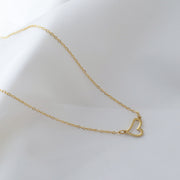
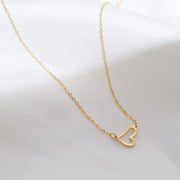
At the under-$30 price point, the range of styles available in genuine 925 sterling silver is broader than most buyers expect. Stud earrings are the strongest category — a wide range of stone sizes, from small 3mm CZ studs to larger statement studs, all available in sterling silver settings with sterling silver posts at this price. Dainty chain necklaces in box chain, cable chain, and rope chain styles are consistently available, typically in 16-to-18-inch lengths. Small hoop earrings, from tiny 8mm huggie styles to small classic rounds, are available in sterling silver at this price point. Simple pendant necklaces with CZ or small semi-precious stones make up another strong subcategory. Crystal stud earrings in amethyst, citrine, and similar stones are well represented. Simple bar necklaces and geometric pendants round out the category.
What you will not find in genuine 925 sterling silver under $30: large statement pieces requiring significant labor-intensive metalwork, pieces with substantial semi-precious stones (which have raw material costs that push the price up), heavily detailed designs with complex construction. The under-$30 range in real silver means dainty, elegant, and simple — which is exactly what the category is for.
The most important signal to check before buying any jewelry described as silver is whether the piece carries a 925 hallmark. Look for the numbers 925, the letters S925, or Ag925 stamped on the piece — on the clasp of necklaces and bracelets, on the post or butterfly back of earrings, on the inside of ring bands. These marks indicate genuine 925 sterling silver and are internationally recognized. If a piece is described as "silver tone," that phrase means the color of silver, not the material — any base metal can be silver-toned. "Silver-plated" means a base metal, typically brass or copper, with a thin layer of silver deposited on the surface. "Rhodium-plated" refers to a clear, hard protective coating applied over a base metal — the rhodium itself provides durability and shine but says nothing about what is underneath. If no hallmark or specific material description is present on a piece claiming to be silver, treat it as costume jewelry and make your purchase decision accordingly.
At higher price points — $100 and above — the base metal is generally a given. Brands selling at those prices typically use quality base metals because they have enough margin to do so and because their customers expect it. At under $30, the base metal is the entire variable. Two earrings can look identical in a product photo and cost the same $25. One has 925 sterling silver posts and a sterling silver setting. The other has brass posts and a brass setting with flash plating. At the moment of purchase, the visual difference is zero. At the six-month mark, the difference is everything.
A pair of studs with 925 sterling silver posts will not turn your ears green, will not cause reactions in most ears, and will remain wearable as long as the setting and stone hold up. A pair with brass posts will, over time, expose your ears to the brass as the plating wears through. For the majority of wearers, this means eventual discomfort and green discoloration around the piercing. For anyone who develops nickel sensitivity — which can be triggered by repeated exposure to nickel in brass alloys — it means those earrings and potentially others you already own become unwearable. The base metal decision at under $30 is not about aesthetics. It is about whether you will still be able to wear the piece in six months, and whether you will still want to.
| Jewelry Type | Fast-Fashion Quality ($10–15) | AJLuxe Quality ($25–30) | Expected Lifespan Comparison |
|---|---|---|---|
| Stud earrings | Brass post with flash silver or gold plating; plating typically wears within 4–8 weeks of daily wear | 925 sterling silver post and setting; hallmarked | Fast-fashion: weeks. Sterling: years with basic care |
| Dainty necklace | Brass chain with thin electroplating; clasp often weakest point | 925 sterling silver chain with lobster clasp; 925 on clasp | Fast-fashion: 1–3 months. Sterling: 3–5+ years |
| Small hoop earrings | Brass with silver or gold plate; hinge mechanism prone to failure | 925 sterling silver with hinged closure or click-close | Fast-fashion: clasp fails within weeks. Sterling: durable long-term |
| Simple pendant necklace | Brass pendant with thin chain; stone usually glass or plastic | 925 sterling silver pendant and chain; CZ or natural stone | Fast-fashion: plating off in weeks. Sterling: lasting wear |
| CZ bracelet | Brass links with thin plating; stones may fall out due to adhesive setting | 925 sterling silver with prong or bezel CZ settings | Fast-fashion: unreliable. Sterling: secure long-term |
The hallmark is the single most reliable verification tool available to you as a jewelry buyer, and it requires no equipment beyond your eyes. 925 stamped on a piece of jewelry means the metal is 92.5% pure silver — the international standard for sterling silver. The alternative markings S925, Ag925 (Ag is the chemical symbol for silver), and simply 925 are all equivalent and all valid. All of these markings mean the same thing and confirm that you are looking at genuine sterling silver, not a plated base metal. The hallmark is a legal marking in many countries and represents a commitment by the manufacturer to the material composition.
Where to find the hallmark: on necklaces and bracelets, look on the clasp — usually a small lobster clasp or spring ring, where there should be a very small 925 stamp visible under good light; on earrings, look on the post itself or on the butterfly back; on rings, look on the inside of the band. If you cannot find a hallmark and the piece is represented as sterling silver, ask the seller to confirm the material before purchasing. Any legitimate sterling silver retailer can confirm the hallmark and its location on any specific piece. If a seller cannot confirm, or if the piece cannot be verified, purchase it as costume jewelry and expect costume jewelry performance. At AJLuxe, every piece in our sterling silver range carries the hallmark — if you cannot find it on a specific piece, contact us and we will locate it for you.
Jewelry under $30 in genuine 925 sterling silver is available, it is real, and it performs completely differently from the brass-base jewelry that dominates most of the under-$30 market. Browse our full selection above — every piece carries the 925 hallmark and is made to the same material standards as our higher-priced pieces. The price reflects the style complexity, not a compromise in base material.
Yes — every piece here is genuine 925 sterling silver. The lower price reflects simpler designs and volume, not a cheaper base metal.
Simple studs or a plain pendant tend to be the safest picks at this budget — versatile enough to suit most people without needing to guess an exact style.
Yes — see jewelry gifts under $25 for picks at that tighter budget.
We sell direct rather than through retail markup layers, which keeps genuine sterling silver pieces at a lower price point than the same material typically commands.
48 of these 51 styles are in stock now. We hold our own inventory rather than dropshipping, so anything listed as available is on our shelves and ready to ship.
Orders placed before 12pm EST ship the same day; everything else ships the next business day. Delivery inside the USA takes 3–5 days from dispatch, and shipping is free with no minimum order.
Cheap jewelry with brass or copper bases and nickel content can cause skin reactions, particularly for people with nickel sensitivity. Green skin discoloration from copper oxidation is common with low-cost brass jewelry. Jewelry made from 925 sterling silver is safe for most people to wear even at lower price points. The safety question is about base metal, not price.
Cheap jewelry achieves a low price by cutting material quality — brass instead of sterling silver, thin flash plating instead of quality plating over a noble metal. Affordable jewelry achieves a lower price by eliminating overhead costs like retail markup and wholesale margins, while maintaining material quality. The result looks the same at purchase and diverges significantly after weeks of wear.
Yes, if it is made from 925 sterling silver. Sterling silver at $30 will last years with basic care. Brass jewelry at $30 — or at $8 — will typically show degradation within weeks of regular wear. The longevity is determined by base metal, not price alone.
Yes, at direct-to-consumer brands like AJLuxe. The DTC model eliminates retail and wholesale markup layers that typically add 2–4x to the cost of a piece without changing the material. The raw material difference between brass and 925 sterling silver is small enough that DTC pricing can absorb it. Stud earrings, dainty chains, small hoops, and simple pendants are all available in genuine 925 sterling silver under $30 at AJLuxe.
If the piece is 925 sterling silver, yes — absolutely. An initial necklace or small birthstone pendant in genuine sterling silver is a meaningful and lasting gift at under $30. The material will hold up, the piece will not cause skin reactions, and the personalization adds value beyond the price. If the piece is brass with plating, it is a short-term gift that degrades quickly.
By selling direct to consumer and eliminating the retail and wholesale markup layers that add cost without improving material quality. The raw material cost difference between brass and 925 sterling silver is approximately $2–5 per piece at manufacturing scale. Without retail overhead, that difference is absorbable at consumer pricing that would be impossible for a traditional retail model.
Look for a 925 hallmark on the clasp, post, or inside surface. Verify that the description says '925 sterling silver,' not 'silver tone' or 'silver-plated.' Check that stone settings are prong or bezel set rather than glued. If no material information is available, treat the piece as costume jewelry. These checks take 30 seconds and tell you almost everything you need to know.
Brass jewelry at $30 — or at any price — can turn skin green as the copper in the brass oxidizes against skin and sweat. Sterling silver jewelry at $30 will not turn your skin green. The green discoloration comes from the copper content in brass, not from silver. Confirming the 925 hallmark before purchasing is the best way to ensure you are buying silver and not brass.
Every piece under $30 here is still genuine 925 sterling silver — the price reflects simpler designs and direct-to-consumer pricing, not a lower material standard.
See jewelry gifts under $25 if $30 is still more than you're looking to spend.
48 in stock now — 1,881 reviews sit at a 4.45 average across this price-filtered range.
Anything unworn can be returned within 30 days, and shipping is free in the USA both ways with no minimum order.
The guides shoppers open most before choosing this piece.