


- 14K gold plating alone doesn't guarantee hypoallergenic earrings — the base metal underneath is what matters most.
- Nickel, not gold, is the most common trigger for earring-related skin reactions.
- 925 sterling silver is naturally nickel-free and hypoallergenic before any gold plating is even added.
- 18K gold plating uses a higher-purity gold alloy than 14K, but the plating's thickness matters more than its karat for how long it lasts.
- Water, chlorine, and perfume all accelerate plating wear regardless of karat — take earrings off before showering or swimming.
- AJLuxe earrings are built on 925 sterling silver with 18K gold plating, hypoallergenic and gift-ready from $24.99–$79.99.
If you've reacted to gold-plated earrings before, or you're shopping for someone with sensitive ears, the karat number on the listing isn't the detail that protects you. "14K gold plated" describes the gold alloy used in the plating — it says nothing about what's underneath it, and what's underneath is what your skin actually touches once the plating wears thin. Here's what's really going on, and how to shop for earrings that won't let you down after a few weeks.
Are 14K Gold Plated Earrings Hypoallergenic?
No, not on their own — 14K gold plating is a decorative gold layer, typically just a few microns thick, electroplated over a separate base metal, and it's that base metal that decides whether the piece is hypoallergenic. Many mass-market "14K gold plated" earrings on marketplaces like Amazon are plated over brass or copper alloys that can contain trace nickel, so even though the surface reads as gold, the metal that ends up against your skin — especially once the plating thins at the post or hinge — may not be. The only way 14K gold plated earrings are reliably hypoallergenic is if the base metal underneath the plating is hypoallergenic to begin with, such as 925 sterling silver or surgical-grade steel.
What Actually Determines Whether Earrings Are Hypoallergenic (Not the Karat)
The base metal is what determines hypoallergenic status, not the gold layer sitting on top of it. Most earring-related skin reactions are contact dermatitis caused by nickel, a common, cheap alloying metal used to bulk out costume jewelry and keep prices low. Gold itself rarely causes a reaction; it's added to plating for color and shine, not protection. So when you're comparing two "14K gold plated" listings, the question that actually matters is: plated over what? AJLuxe plates 18K gold over 925 sterling silver, a base metal that's nickel-free by composition, not just marketed as such.

Is 18K Gold Plated Good, or Does Thickness Matter More?
18K gold plating is good in the sense that it uses a higher-purity gold alloy (75% gold) than 14K (about 58% gold), which typically gives a warmer, richer color — but karat purity and plating durability are two different things. A thin 18K layer can wear through just as fast as a thin 14K layer; what extends the life of gold plating is the thickness of the electroplated layer and the quality of the base metal underneath it, not the karat number alone. If you're choosing between two pieces at the same price point, a reputable base metal (like sterling silver) with a well-applied plating layer will outlast a higher-karat plating over a poor-quality base.
How Long Does Gold Plated Jewelry Last?
Gold plated jewelry typically stays bright for months to a couple of years, depending on how it's worn and cared for, before the plating starts to show thinning at high-contact points like earring posts. Daily wear, moisture, lotions, perfume, and friction from clothing or hair all wear plating down faster; earrings taken off before showering, swimming, and sleeping, and stored separately from other jewelry, hold their finish noticeably longer. Plating over 925 sterling silver also ages more gracefully than plating over brass or copper, because sterling silver doesn't oxidize and discolor the same way once the gold layer thins.
Can I Shower in 14K Gold Plated Jewelry?
No — showering in gold plated jewelry, at any karat, speeds up wear and isn't recommended. Water, soap, shampoo, and steam all work their way into the microscopic surface of the plating and gradually strip it, and chlorinated or hard water is worse. Take gold plated earrings off before you shower, swim, or work out, and dry your ears fully before putting them back in to protect both the plating and your skin.
Can I Be Allergic to Gold Plated Earrings?
Yes, you can be allergic to gold plated earrings, even though the surface is gold — the reaction is almost always to the base metal underneath, not the gold itself. As the thin plating layer wears down (which happens fastest at the earring post, the part in constant contact with your piercing), the base metal underneath becomes exposed to your skin. If that base metal contains nickel or another reactive alloy, that's when redness, itching, or swelling typically starts, sometimes weeks or months after you first started wearing the piece.
Is Gold Plated the Same as Hypoallergenic?
No, gold plated and hypoallergenic describe two completely different things. "Gold plated" is a manufacturing process — a thin layer of gold electroplated onto a base metal for appearance. "Hypoallergenic" describes how likely a metal is to trigger a skin reaction, and it's determined by the base metal, not the plating. A piece can be gold plated and hypoallergenic at the same time (gold over sterling silver), or gold plated and not hypoallergenic at all (gold over a nickel-containing alloy) — the plating tells you nothing about the second part on its own.
14K Gold Plated Over Brass vs. 925 Sterling Silver With 18K Gold Plating
The base metal underneath the plating is the real comparison that matters, and it's rarely spelled out clearly on budget listings. Here's how the two most common setups stack up:
| Feature | 14K Gold Plated Over Brass/Copper | 925 Sterling Silver + 18K Gold Plating (AJLuxe) |
|---|---|---|
| Base metal | Brass or copper alloy | 925 sterling silver |
| Nickel risk | Often present as an alloying metal | Nickel-free by composition |
| Hypoallergenic once plating thins | Not guaranteed | Yes, base metal is skin-safe |
| Skin discoloration as plating wears | Common (green/black tint) | Rare |
| Typical price range | Under $15 | $24.99–$79.99 |
Best Hypoallergenic Birthstone Earrings to Try
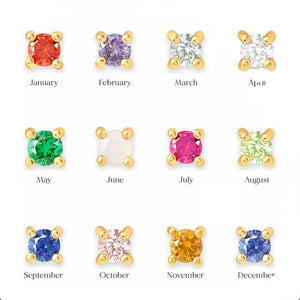
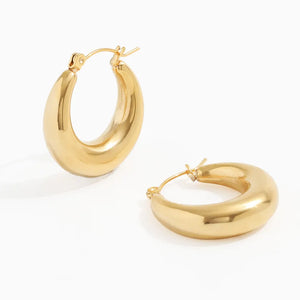
The best hypoallergenic birthstone earrings are built on a nickel-free base metal first, with the birthstone color and plating as the finish, not the other way around. If you want color without gambling on an unlabeled base metal, AJLuxe's Birthstone Stud Earrings ($27.99) pair mini CZ birthstones with 925 sterling silver and 18K gold plating, so the hypoallergenic base is there whether or not the plating has started to wear. For everyday styles beyond birthstones, the same sterling-silver-plus-18K-gold construction runs through AJLuxe's Gold Hoop Earrings ($31.99) and Teardrop Hoop Earrings ($31.99).

18K gold plating option
Nickel-free, safe for daily wear
Boxed, no extra charge
Insured shipping, easy returns
Which Earrings Should You Choose for Sensitive Ears?
Choose earrings by their base metal first and their plating second — if the base metal isn't listed, treat that as a red flag rather than an oversight. For a piece that carries the exact 14K gold plated look you searched for while still being genuinely hypoallergenic, AJLuxe's Pearl Drop Earrings ($29.99) pair 14K gold plating with a natural white pearl over a nickel-free base, so you get the warm gold tone without gambling on what's underneath once the plating wears. If you'd rather have color or a simpler stud, the sterling-silver-and-18K-gold pieces above cover the same hypoallergenic ground.
American Academy of Dermatology: https://www.aad.org
Frequently Asked Questions
How long does 14K gold plated jewelry last?
Most 14K gold plated jewelry holds its finish for several months to a couple of years with normal wear, depending on how often it's exposed to water, lotion, perfume, and friction. Removing earrings before showering, swimming, and sleeping, and storing them away from other jewelry, meaningfully extends how long the plating stays bright.
Can I shower in 14K gold plated jewelry?
No, showering in 14K gold plated jewelry isn't recommended because water, soap, and steam all accelerate plating wear. Take earrings off before you shower, swim, or exercise, and let your skin fully dry before putting them back in.
Can I be allergic to gold plated earrings?
Yes, you can be allergic to gold plated earrings, but the reaction is almost always to the base metal underneath the plating rather than the gold layer itself. Once the thin plating wears down at the post, a base metal containing nickel can trigger redness, itching, or swelling.
Is gold plated the same as hypoallergenic?
No, gold plated and hypoallergenic are not the same thing. Gold plated describes a decorative gold layer over a base metal, while hypoallergenic describes how unlikely that base metal is to irritate skin — a piece needs a genuinely hypoallergenic base metal underneath to earn both labels honestly.
Is 18K gold plated good for sensitive ears?
18K gold plating is a good, higher-purity finish, but it's only as good for sensitive ears as the base metal it's plated over. 18K gold plating over 925 sterling silver, like AJLuxe uses, combines a richer gold tone with a nickel-free base that stays hypoallergenic even as the plating gradually wears.
What's the difference between 14K and 18K gold plating?
The difference is gold purity in the plating alloy — 14K is about 58% gold and 18K is about 75% gold, which typically gives 18K a warmer, richer color. Purity affects color, not how long the plating physically lasts; that comes down to plating thickness and the quality of the base metal underneath.
All third-party trademarks, brand names and product names are the property of their respective owners. AJLuxe is not affiliated with, endorsed by, sponsored by, or otherwise connected to any third-party brand referenced in this article. Brand names are used solely for accurate comparative reference, and material descriptions reflect each brand's own published product specifications at the time of writing.
You Might Also Like

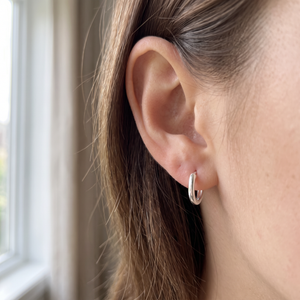
The piece they're describing → Silver Huggie Earrings for Women — 925 Sterling Silver, Hypoallergenic, Minimalist
Personalize Yours


