


Last updated: September 2026
How Is Gold Actually Mined?
Almost every gold-plated piece of jewelry starts the same way solid gold does: as ore pulled out of the ground somewhere in the world. Gold plating changes how much gold touches your skin, not where that gold came from or how it was extracted. This is an honest look at how gold mining actually works, what it actually costs the environment, and how that stacks up against the amount of gold that ends up in a gold-plated piece versus a solid gold one.
The Three Main Ways Gold Is Mined
Gold is extracted using open-pit mining, underground mining, or placer mining, and the method depends on where and how deep the gold deposit sits.
Open-pit mining is used when gold-bearing ore is spread across a large area near the surface. Massive amounts of overburden (the soil and rock sitting on top of the ore) are stripped away, and the ore itself is blasted loose, loaded, and hauled out in bulk. This is the method behind most of the world's largest gold mines, and it moves an enormous amount of material relative to the gold actually recovered.
Underground mining is used when the gold deposit is too deep for it to make sense to remove everything above it. Miners tunnel down and follow the ore vein, often using techniques like room-and-pillar mining, where sections of ore are removed while pillars of rock are deliberately left standing to hold up the tunnel roof. It disturbs less surface land than open-pit mining but carries its own risks, including tunnel safety and groundwater contact.
Placer mining targets gold that has already eroded out of its original rock and settled into loose gravel, sand, or riverbed sediment. It's typically done with water: hydraulic sluicing, dredging, or panning-style separation that relies on gold's high density to settle out from lighter material. Because it doesn't crush hard rock or usually require chemical processing, placer mining generally carries a smaller footprint than hardrock (open-pit or underground) mining, though it still disturbs streambeds and can cloud waterways with sediment.
The Real Environmental Cost of Gold Mining
Gold mining's environmental cost comes mainly from the sheer volume of rock it takes to recover a small amount of gold, plus the chemicals used to separate it. Gold ore is diffuse: a mine considered economically viable can run on as little as a few hundredths of an ounce of recoverable gold per ton of rock, meaning tens of tons of ore, and the waste rock that comes with it, are processed to produce a relatively small amount of actual gold. One frequently cited industry estimate puts the waste generated to produce enough gold for a single typical ring at more than 20 tons.
Most hardrock gold ore is processed using cyanide leaching, in which a dilute cyanide solution is used to chemically dissolve microscopic gold out of crushed rock so it can be recovered. It's an effective, well-established industrial process, and modern mines operate it under environmental regulation and containment systems, but cyanide is genuinely hazardous, and mining advocacy and environmental groups have documented real contamination incidents tied to tailings ponds and leaks over the decades. Open-pit mining in particular also generates far more waste rock than underground mining for the same amount of ore processed, since it strips broad layers of surface material rather than following a narrow vein underground.
None of this makes gold mining unique among metal extraction; most mined metals carry some version of this trade-off between the material recovered and the rock, energy, and chemicals it takes to recover it. But it does mean that "gold" as a raw material carries a real, non-trivial environmental cost before it ever becomes jewelry, whether that jewelry ends up solid or plated.
Gold-Plated Jewelry vs. Solid Gold: How Much Gold Is Actually Used?
Gold-plated jewelry uses a genuinely small fraction of the gold that solid gold jewelry does, because plating is a thin surface layer over a base metal rather than the metal itself. Typical gold plating on jewelry runs about 0.5 to 2.5 microns thick, a layer so thin it's measured in millionths of a meter. As a rough sense of scale, roughly one gram of pure gold is enough to plate about 160 square inches of surface area at a thickness of half a micron, meaning the actual weight of gold on a single small pendant or ring is a small fraction of a gram.
Solid gold jewelry is a different order of magnitude. A 14K solid gold ring weighing around 5 grams contains roughly 2.9 grams of pure gold, since 14K gold is about 58% gold by weight. Scale that across a ring, a chain, a pair of earrings, and a bracelet, and a small solid-gold jewelry collection can easily represent 10 to 15 grams or more of pure, mined gold. A gold-plated version of the same pieces represents a small fraction of that.
That's a real and honest difference, and it's worth stating plainly: a gold-plated piece requires far less newly mined gold per item than a solid gold piece does. What it doesn't mean is that gold-plated jewelry is "sustainable," "eco-friendly," or somehow separate from the mining process described above. The gold in the plating still came from a mine, and buying more plated pieces over time, since plating wears thinner and eventually shows the base metal underneath, especially with daily wear, water exposure, or friction, can mean replacing jewelry more often than a well-cared-for solid gold piece that lasts for decades. Less gold per item is a genuine, quantifiable difference; it is not a clean environmental win, and it comes with its own trade-off in how long the piece lasts.
Solid Gold vs. Gold-Plated: The Honest Comparison
| Factor | Solid gold jewelry | Gold-plated jewelry |
|---|---|---|
| Gold content per piece | Several grams of pure gold per item (e.g. ~2.9g in a 5g 14K ring) | A thin surface layer, typically 0.5 to 2.5 microns thick, a small fraction of a gram |
| Mining impact per piece | Higher, since more mined gold goes into each item | Lower per item, since far less mined gold is used, but not zero |
| Durability | Can last decades to generations with basic care | Plating wears thin over time and eventually shows the base metal, especially with daily wear or water exposure |
| Price | Reflects the market price of the gold content itself | Reflects mostly design and base-metal cost, since gold content is minimal |
| Honest framing | A larger, longer-lasting use of mined gold | A smaller, shorter-lived use of mined gold; a real trade-off, not a sustainability claim |
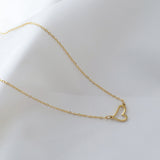
Shop Gold Plated Jewelry at AJLuxe: Dainty Gold Plated Heart Necklace →
Once that mined gold reaches a jeweler, plating is how most of it ends up on affordable jewelry. See how gold plating actually works for the full process.
Want to know exactly how much of that mined gold ends up in a plated piece? Our guide to how much real gold is in gold plated jewelry breaks down the numbers.
Frequently Asked Questions
How is gold mined?
Gold is mined using three main methods: open-pit mining (removing large volumes of surface rock and ore), underground mining (tunneling to reach deeper deposits), and placer mining (sifting loose gravel or sediment, often using water). Most of the world's large-scale gold production comes from open-pit and underground hardrock mining, which typically requires crushing ore and chemically separating the gold, usually with cyanide.
Is gold mining bad for the environment?
Gold mining carries a real environmental cost. Because gold occurs in very low concentrations in most ore, large volumes of rock have to be moved and processed to recover a relatively small amount of gold, generating significant waste rock. Hardrock mining also typically uses cyanide to separate gold from crushed ore, a hazardous chemical process that's regulated but has been linked to real contamination incidents at mine sites over the years.
How much gold is actually in gold-plated jewelry?
Very little. Gold plating on jewelry is typically 0.5 to 2.5 microns thick, a layer so thin that roughly one gram of pure gold can plate about 160 square inches of surface area at the thinner end of that range. The actual weight of gold on a single plated piece is a small fraction of a gram, compared to multiple grams of pure gold in a solid gold item of similar size.
Is gold-plated jewelry more sustainable than solid gold?
It uses less newly mined gold per piece, which is a real and honest difference, but "more sustainable" overstates it. The gold in plating still comes from the same mining process as solid gold, and plated jewelry doesn't last as long: the thin plating layer wears down with wear, washing, and friction, eventually exposing the base metal underneath, which can mean replacing pieces more often than a solid gold item that's built to last for years or decades with basic care.
Does gold plating wear off?
Yes, over time. Because the gold layer is only a few microns thick, everyday wear, moisture, lotions, and friction against skin and clothing gradually thin it out, and eventually the base metal underneath can start to show through, especially on high-contact areas like rings. How long that takes varies with plating thickness, base metal, and how the piece is cared for, but it's a realistic trade-off to expect, not a defect unique to any one brand.
Final Thoughts
Gold mining has a real, documented environmental footprint, whether the gold that comes out of the ground ends up in a solid gold heirloom or a thin plated layer on a $30 necklace. Gold-plated jewelry genuinely uses far less gold per piece than solid gold does, and that's worth stating honestly rather than either ignoring it or dressing it up as something it isn't. It's a smaller footprint per item, not a clean or impact-free one, and it comes with its own trade-off: plated jewelry doesn't last as long as solid gold before the base metal starts to show. Knowing both sides of that trade-off is what lets you make an actual informed choice, rather than a marketing-driven one.
At AJLuxe, our gold-plated pieces are 925 sterling silver with an 18K gold plating layer over the base metal, not solid gold, and we're upfront about that in every product description so you know exactly what you're buying and how to care for it.
Written by the AJLuxe team. Last updated: September 2026.
Sources: Ground Truth Alaska: Gold Mining Methods, Earthworks: Cyanide Use in Gold Mining, Gold plating (Wikipedia).
Shop Gold Plated Jewelry at AJLuxe: Dainty Gold Plated Heart Necklace →
All third-party trademarks, brand names and product names are the property of their respective owners. AJLuxe is not affiliated with, endorsed by, sponsored by, or otherwise connected to any third-party brand referenced in this article. Brand names are used solely for accurate comparative reference, and material descriptions reflect each brand's own published product specifications at the time of writing.
You Might Also Like

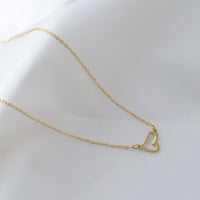
The piece they're describing → Dainty Heart Necklace for Women — 18K Gold Plated, Minimalist Gold Heart Pendant
Personalize Yours


