


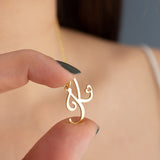
- Fairycore jewelry centers on nature motifs — mushrooms, moths, vines, moon phases — in delicate, layered silhouettes.
- Fairy grunge is fairycore's darker sibling: same motifs, black or oxidized finishes and chunkier chains instead of pastels.
- 925 sterling silver holds fine detail well and won't irritate sensitive skin, which matters since fairycore pieces are usually stacked and worn for hours.
- 18K gold-plated pieces add warmth for a “golden hour” version of the look, but plating wears over time if it isn't laid over a stable base metal.
- Layering 3-5 thin pieces at different lengths reads as fairycore; one heavy statement piece reads as costume jewelry.
- The aesthetic isn't fading into 2026 — it's splitting into sub-trends like fairy grunge and dark academia fairycore.
Fairycore jewelry took over Pinterest and TikTok as cottagecore's more magical cousin, and it's held on because it solves a real styling problem: how do you wear five pieces at once without looking like you raided a costume box? The answer is motif, metal, and proportion — and this guide covers all three, plus where fairycore splits into fairy grunge and how to build a starter stack that actually holds up on skin.
What Is Fairycore Jewelry, Exactly?
Fairycore jewelry is jewelry designed to look like it belongs to a woodland fairy rather than a jewelry counter — nature motifs, soft or aged-looking metal, and asymmetric layering instead of matched sets. It grew out of the broader fairycore aesthetic, which romanticizes forests, gardens, and folklore, and it shows up most often as small charm necklaces, stacked rings, and mismatched earrings rather than one big statement piece. The appeal is that it's low-cost to build gradually: a mushroom ring here, a moth stud there, until the whole look assembles itself.
Fairycore vs. Fairy Grunge Jewelry: What's the Difference?
Fairycore jewelry uses pastel tones and softly finished metal to look like something a woodland fairy left behind, while fairy grunge jewelry uses the same nature motifs in black, oxidized, or chunkier finishes for a moodier, gothic-adjacent take on the same aesthetic. Both pull from the same symbol set — think moths instead of butterflies, ivy instead of roses — but the styling direction is nearly opposite.
| Aspect | Fairycore | Fairy Grunge |
|---|---|---|
| Color palette | Pastels, moss green, ivory, gold-warm tones | Black, deep plum, smoky grey, oxidized silver |
| Finish | Bright, polished, dewy | Matte, tarnished-look, weathered |
| Typical chain weight | Thin, delicate | Heavier, curb or box chains |
| Common stones | Moonstone, opal, pearl | Onyx, smoky quartz, garnet |
| Mood | Whimsical, soft, storybook | Moody, romantic-gothic |
8 Fairycore Jewelry Motifs You'll See Everywhere
These eight motifs make up almost every fairycore jewelry piece you'll come across, and most fairycore stacks mix two or three of them rather than sticking to one.

Mushroom Jewelry
Mushroom jewelry is the single most recognizable fairycore motif, showing up as tiny signet rings, stud earrings, and pendant charms shaped like toadstools. It works as a standalone accent piece because the shape is instantly readable even at a small scale.
Moth Jewelry
Moth jewelry uses the moth — not the butterfly — as its symbol, favored in fairycore for its softer, nocturnal, slightly melancholic association. Moth pendants and stud earrings with detailed wing etching are a fairycore staple precisely because the motif reads as more unusual than the more common butterfly.
Vine and Ivy Jewelry
Vine and ivy jewelry wraps a delicate metal line around a ring band, cuff, or ear climber to mimic growing greenery. It's one of the easiest motifs to layer since the thin, organic line doesn't compete visually with a pendant or charm worn alongside it.
Dragonfly Jewelry
Dragonfly jewelry uses the insect's wing shape for earrings and pendants, usually with an open, lace-like cutout that catches light. It leans slightly more delicate and iridescent than moth pieces, making it a good pairing for pastel fairycore rather than fairy grunge.
Moon Phase Jewelry
Moon phase jewelry represents the lunar cycle as a row of small crescents and circles along a necklace or bracelet, tying fairycore's nature theme to the celestial side of the aesthetic. It's typically worn as a single focal piece rather than stacked, since the row of shapes already reads as detailed.
Dewdrop and Pearl Jewelry
Dewdrop and pearl jewelry uses small, round freshwater pearls or clear stone drops to mimic morning dew on a leaf or petal. These pieces are usually the “filler” layer in a fairycore stack — small enough to sit between a mushroom charm and a moth pendant without crowding either. A literal leaf-shaped stud earring works the same layering role, and reads as botanical without needing a dewdrop stone to make the connection.
Pressed Flower Jewelry
Pressed flower jewelry sets a real or faux dried flower under a clear resin or glass dome, most often in a pendant or ring. It's one of the few fairycore motifs that reads as genuinely handmade, which is part of why it's popular for gifting within the aesthetic.
Acorn and Woodland Charm Jewelry
Acorn and woodland charm jewelry covers smaller forest symbols — acorns, leaves, pinecones, tiny birds — usually as charm bracelet additions or single stud earrings. These are the pieces fairycore fans add one at a time rather than buying as a set.
Best Materials for Fairycore Jewelry (Sterling Silver vs. Gold vs. Alternatives)
925 sterling silver is generally the best base metal for fairycore jewelry because it holds fine detail — like moth wing etching or vine texture — better than cheaper alloys, and it won't irritate skin during the extended stacked wear the aesthetic is built around. Gold tones work too, but the base metal underneath the gold matters more than the color on top.
| Material | Detail Retention | Sensitive Skin | Typical Price |
|---|---|---|---|
| 925 Sterling Silver | Excellent | Hypoallergenic, nickel-free | $24.99–$79.99 (AJLuxe range) |
| 18K Gold Plating (over sterling silver) | Excellent | Hypoallergenic base underneath | $24.99–$79.99 (AJLuxe range) |
| Costume / Brass Alloy | Fair — softer detail over time | Often contains nickel; higher irritation risk | Usually lowest |
| Solid Gold (14K/18K) | Excellent | Generally well tolerated | Highest |
| Painted Resin / Mixed Media | Good for novelty shapes | Depends on coating; can flake with wear | Low to mid |
The tradeoff with plated brass or costume alloys isn't just tarnish — it's that fairycore's whole styling method depends on wearing several pieces against your skin at once, for hours, day after day. A single piece that irritates your ear or finger is easy to take off; five stacked pieces make it harder to tell which one is the problem.
How to Layer and Style Fairycore Jewelry Without Overdoing It
The rule that keeps a fairycore stack looking curated instead of cluttered is 3-5 pieces at varied lengths, with no more than one true focal point per area. Beyond that, a few things separate a considered fairycore look from a costume-box one:
- Vary the lengths. Stack necklaces at clearly different drops (14, 16, 18 inches) so each pendant is visible instead of overlapping.
- Pick one focal motif per zone. One moth pendant on the necklace, one mushroom stud in the ears — don't repeat the same symbol twice in the same stack.
- Mismatch your ears on purpose. Asymmetric ear stacking (a dragonfly stud on one side, a plain dewdrop on the other) is a core fairycore technique, not a mistake.
- Let rings do the “filler” work. A thin vine band or two between statement rings keeps the hand from looking overloaded.
- Swap tone with the season. Pastel and pearl-forward pieces read as spring/summer fairycore; deepen into fairy grunge tones for fall and winter without buying a whole new set.
Which Fairycore Jewelry Should You Start With?
Start with two or three hypoallergenic 925 sterling silver basics — a thin chain and a small stud — and build outward with motif pieces one at a time rather than buying a full set at once. Sterling silver is the right starting material specifically because fairycore stacking means wearing multiple pieces against your skin for hours, and AJLuxe's 925 sterling silver jewelry is hypoallergenic and nickel-free, with an 18K gold-plated option if you want a warmer, golden-hour version of the same look. Every piece ships gift-ready, which also makes it an easy way to build a fairycore stack gradually as birthday or holiday gifts rather than one big purchase.
Frequently Asked Questions
What is fairycore jewelry?
Fairycore jewelry is jewelry built around nature and folklore motifs — mushrooms, moths, vines, moon phases — styled in delicate, layered pieces that look like something found rather than bought.
Is fairycore the same as cottagecore?
No — cottagecore centers on rural, homemaking imagery like baking and gardens, while fairycore leans further into folklore and forest magic, with jewelry motifs like moths and mushrooms that cottagecore doesn't typically use.
What's the difference between fairycore and fairy grunge jewelry?
Fairycore uses pastel tones and polished, delicate finishes, while fairy grunge uses the same nature motifs in black or oxidized finishes with heavier chains for a moodier look.
What jewelry materials work best for fairycore looks?
925 sterling silver works best because it holds fine detail and is hypoallergenic, which matters for an aesthetic built on wearing several stacked pieces against your skin at once; 18K gold plating over a stable base metal is a good warmer alternative.
How do you layer fairycore jewelry without it looking cluttered?
Keep it to 3-5 pieces at varied lengths, limit yourself to one focal motif per area (neck, ears, hand), and let simpler pieces like thin chains or vine rings act as filler between statement pieces.
Is fairycore jewelry still trending in 2026?
Yes — the core aesthetic has held steady and is now branching into recognizable sub-trends like fairy grunge and dark academia fairycore rather than fading out.
All third-party trademarks, brand names and product names are the property of their respective owners. AJLuxe is not affiliated with, endorsed by, sponsored by, or otherwise connected to any third-party brand referenced in this article. Brand names are used solely for accurate comparative reference, and material descriptions reflect each brand's own published product specifications at the time of writing.
You Might Also Like
The piece they're describing → Heart Initial Necklace for Women — 18K Gold Plated, Personalized Letter + Heart Pendant
Personalize Yours


