


- 925 sterling silver and surgical-grade stainless steel are the safest earring bases; nickel-plated fashion metal is the usual irritant.
- Gold vermeil and gold-plated earrings are only as hypoallergenic as the base metal underneath once the plating wears thin.
- Simulated birthstones (like CZ) are just as hypoallergenic as genuine gemstones — the stone rarely touches skin long enough to matter; the setting metal does.
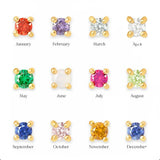
- AJLuxe's Birthstone Stud Earrings are made in 925 sterling silver with mini CZ stones and an 18K gold-plated option, $27.99.
- A listing has to say “nickel-free” or “hypoallergenic” explicitly — “gold-plated” or “gold-tone” on its own guarantees nothing about the base metal.
- Price isn't a reliable signal of hypoallergenic quality — metal composition is.
If your ears turn red, itch, or swell a few hours after putting in a pair of earrings, the birthstone almost certainly isn't the problem — the metal band holding it in place is. Nickel is the most common trigger for earring-related contact dermatitis, and it hides in a lot of “gold” and “rose gold” costume jewelry that never mentions it on the label. This guide walks through which metals are genuinely safe, how to verify a hypoallergenic claim before you buy, and where a real vs. simulated birthstone actually matters. You can also browse our hypoallergenic earrings, where every product page names the metal.
What Makes Birthstone Earrings Hypoallergenic?
Birthstone earrings are hypoallergenic when the metal that touches your skin — the post and the setting, not the stone — is free of nickel and other common sensitizing metals. Most fashion jewelry is made from a brass or metal alloy that's plated with a thin layer of gold or silver; once that plating rubs off (often within weeks of daily wear), the nickel-containing base metal underneath is what's left touching your earlobe. Solid metals like 925 sterling silver, surgical-grade stainless steel, and solid 14K–18K gold don't have this problem because there's no base metal hiding under a coating — the metal you're wearing is the metal all the way through.
Metals to Avoid vs. Metals That Are Safe
The table below compares the metals most commonly used in birthstone earrings, so you can check what you already own or what you're about to buy.
| Metal | Hypoallergenic? | Common Risk | Typical Price |
|---|---|---|---|
| 925 Sterling Silver (AJLuxe) | Yes — nickel-free | None reported | $24.99–$79.99 |
| Nickel-plated fashion/brass metal | No | Nickel exposure once plating wears | $5–$15 |
| Gold vermeil (gold over silver) | Usually, while plating is intact | Base metal exposure over time | $30–$100 |
| Surgical-grade stainless steel | Yes, for most wearers | Trace nickel in lower grades | $10–$30 |
| Solid 14K–18K gold | Yes | Minimal, alloy-dependent | $200+ |
How to Tell If Birthstone Earrings Are Actually Hypoallergenic
You can tell a listing is genuinely hypoallergenic by checking whether it names the base metal outright, not just the finish. A description that says “925 sterling silver” or “surgical steel” is telling you what's actually against your skin; a description that only says “gold” or “gold-tone” without naming a base metal is a plating claim, not a metal claim, and plating wears off. It also helps to check for the word “nickel-free” specifically — hypoallergenic is sometimes used loosely, but nickel-free is a concrete claim about composition. If a product page won't tell you the base metal at all, treat that as a red flag rather than an oversight.
Real vs. Simulated Birthstones — Does It Matter for Allergies?
No, the birthstone itself is almost never the allergy trigger — whether it's a genuine gemstone or a simulated one like cubic zirconia (CZ) makes little difference to sensitive skin, because the stone sits in a setting and doesn't have the same sustained skin contact as the metal band around it. This is actually good news for anyone budgeting for birthstone jewelry: a well-made CZ birthstone earring in 925 sterling silver is just as safe for sensitive ears as the same design set with a genuine gemstone, at a fraction of the price. Where it does matter is durability and color consistency over years of wear, which is a style and longevity question, not a skin-safety one.
Best Hypoallergenic Birthstone Earrings You Can Buy Right Now
The clearest option currently available is a birthstone stud made in solid 925 sterling silver with a nickel-free setting. AJLuxe's Birthstone Stud Earrings ($27.99) are built this way — 925 sterling silver with mini CZ birthstones, available with an 18K gold-plated finish for anyone who wants the warmer tone without giving up the hypoallergenic silver base underneath. They're gift-ready out of the box, which matters if you're buying to match a specific birth month for someone else rather than yourself.
Which Hypoallergenic Birthstone Earrings Should You Choose?
Choose a pair with a named, solid base metal — 925 sterling silver, surgical steel, or solid gold — over anything described only by its plating or color, since that's the single detail that actually predicts whether your ears will react. For most birth-month gifting and everyday wear, the 925 Sterling Silver Birthstone Stud Earrings ($27.99) hit the combination that matters: a hypoallergenic metal base, a CZ birthstone that reads as genuine at a glance, and a price that makes it easy to buy one in the exact birth month you need without overthinking it. If sensitivity has been an ongoing issue for you specifically, sterling silver or surgical steel are the two bases worth insisting on regardless of which brand you ultimately buy from.
For general background on nickel allergy and jewelry, the American Academy of Dermatology maintains consumer education on contact dermatitis triggers: https://www.aad.org.
Buying birthstone earrings specifically as a gift for mom? Our birthstone earrings for mom guide covers her birth month vs. her kids' months and which occasion fits which choice.
Frequently Asked Questions
Are birthstone earrings hypoallergenic?
Only if the metal in the setting and post is hypoallergenic — the birthstone itself is rarely the cause of a reaction. Check that the base metal is named as 925 sterling silver, surgical steel, or solid gold rather than just described by its color or finish.
What metal is best for sensitive ears in birthstone earrings?
925 sterling silver and surgical-grade stainless steel are the two most reliable choices for sensitive ears. Both are solid metals rather than platings, so there's no base metal underneath that can eventually be exposed.
Is 925 sterling silver hypoallergenic?
Yes, 925 sterling silver is considered hypoallergenic and nickel-free, making it one of the safer everyday metals for people with earring sensitivities. It's the base metal AJLuxe uses across its earring collections, including its birthstone styles.
Are CZ birthstones as good as real gemstones for sensitive skin?
Yes, for skin-safety purposes a CZ (cubic zirconia) birthstone is just as safe as a genuine gemstone, since the stone itself has minimal sustained skin contact compared to the metal setting around it. The difference between CZ and genuine stones is mainly about durability and price, not allergy risk.
How much do hypoallergenic birthstone earrings cost?
Hypoallergenic birthstone earrings in sterling silver with simulated stones typically run under $30, while solid gold versions with genuine gemstones can run well over $200. AJLuxe's sterling silver birthstone studs are priced at $27.99.
Can you wear hypoallergenic earrings every day?
Yes, that's the main advantage of a solid hypoallergenic metal like sterling silver or surgical steel — there's no plating to wear through with daily use, so the metal against your skin stays the same over time.
Related reading: Best hypoallergenic earrings.
All third-party trademarks, brand names and product names are the property of their respective owners. AJLuxe is not affiliated with, endorsed by, sponsored by, or otherwise connected to any third-party brand referenced in this article. Brand names are used solely for accurate comparative reference, and material descriptions reflect each brand's own published product specifications at the time of writing.
You Might Also Like
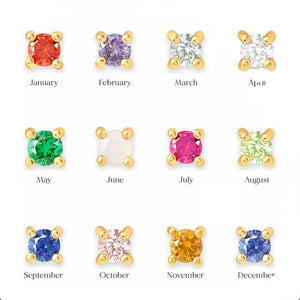

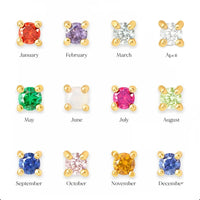
The piece they're describing → Birthstone Stud Earrings for Women — 925 Sterling Silver, 18K Gold Plated, Mini CZ
Personalize Yours


