


- 14K gold is 58.3% pure gold alloyed with other metals for strength — the most common solid-gold purity for rings in the US.
- 10K (41.7% gold) is the most affordable and hardest-wearing; 18K (75% gold) has the richest color but scratches more easily; 24K is almost never used for rings because it's too soft.
- Solid 14K gold costs significantly more than gold-plated jewelry because you're paying for gold by weight throughout the piece, not a thin applied layer.
- Genuine 14K gold is stamped “14K” or “585” inside the band — US sellers are required to mark karat purity accurately.
- 18K gold-plated 925 sterling silver (like AJLuxe's rings) gives the gold look at a fraction of the cost and is nickel-free/hypoallergenic, though the plating is a surface layer rather than solid gold throughout.
- Both solid 14K and quality gold-plated silver hold up to daily wear if you avoid harsh chemicals and remove rings before swimming or showering.
Typing “14 karat gold rings for women” into a search bar usually means one of two things: you want to understand what 14K actually means before you spend real money, or you're comparing solid gold against cheaper-looking alternatives and want the honest trade-offs. This guide covers both — what the karat number means, how 14K stacks up against 10K, 18K, and 24K, and where a gold-plated ring is genuinely the smarter buy instead of a downgrade.
What Does “14 Karat Gold” Actually Mean?
14 karat gold means the metal is 58.3% pure gold (14 parts gold out of 24) alloyed with other metals such as copper, silver, or zinc to add strength and shift color. Pure 24K gold is too soft to hold its shape under daily friction and pressure, so jewelers mix in harder metals to make rings that survive being knocked against doorframes, keyboards, and everything else a hand touches in a day. The specific alloy metals also determine the ring's tone: more copper leans rose gold, more silver leans a paler yellow, and nickel or palladium produces white gold.
14K vs 10K vs 18K vs 24K Gold Rings: Which Purity Is Right for You?
Higher karat numbers mean more pure gold and richer color but softer, more scratch-prone metal, which is exactly why 14K sits as the everyday sweet spot between 10K's toughness and 18K's luxury depth of color.

| Karat | % Pure Gold | Durability | Color | Best For |
|---|---|---|---|---|
| 10K | 41.7% | Most durable | Palest, least rich gold tone | Active lifestyles, everyday knock-around rings |
| 14K | 58.3% | Durable | Warm, balanced gold tone | Most popular US choice for engagement/wedding rings |
| 18K | 75% | Softer, scratches more easily | Rich, deep gold | Fine jewelry, occasional-wear pieces |
| 24K | 99.9% | Very soft, dents easily | Deepest, brightest gold | Rarely used for rings; investment bars/coins instead |
14K Solid Gold vs Gold-Plated Sterling Silver: What's the Real Difference?
Solid 14K gold has gold mixed all the way through the metal, while gold-plated sterling silver is a 925 silver base with a thin layer of gold (usually 18K) bonded to the surface — which is why solid gold costs more and never needs replating, while gold-plated pieces cost far less and deliver the same look until the plating eventually thins with years of heavy daily wear. Neither is objectively “better”; they're built for different jobs. Solid gold is the right call for a piece you intend to wear forever and never replace, like an engagement or wedding ring. Gold-plated silver is the right call when you want to try a trend, stack multiple rings without spending hundreds per finger, or gift something that looks and feels like fine jewelry without the fine-jewelry price. AJLuxe's Dainty Stacking Rings ($37.99) use exactly this build — a 925 sterling silver base with 18K gold plating — which is why they're priced for buying three or four at once instead of committing to one solid-gold band.
| Feature | Solid 14K Gold | 18K Gold-Plated 925 Sterling Silver |
|---|---|---|
| Gold content | Throughout the metal | Thin surface layer over a silver base |
| Typical price | Priced by current gold market rates, higher cost | $24.99–$79.99, budget-friendly |
| Longevity | Lifetime, color never fades | Plating can thin with years of heavy daily wear |
| Hypoallergenic | Depends on the alloy metals used | Nickel-free 925 silver base |
| Best for | Engagement/wedding, heirloom pieces | Stacking, gifting, trend pieces, sensitive skin |
How Much Do 14 Karat Gold Rings Cost?
Solid 14K gold ring prices track the current market price of gold plus labor and design markup, so cost rises and falls with the gold market rather than staying fixed the way a plated piece's price does. That's the core trade-off: a solid gold band is a small investment in a physical commodity, while a gold-plated ring is priced for the design and craftsmanship, not the metal's resale value. Gemstones add another variable — a ring set with diamonds costs meaningfully more than the same band set with cubic zirconia, in both solid gold and plated pieces.
Is 14K Gold Hypoallergenic? Can You Wear It With Sensitive Skin?
14K gold isn't automatically hypoallergenic, because the other 41.7% of the alloy can include nickel, a common trigger for skin irritation and contact dermatitis. If you have sensitive skin, ask specifically whether the alloy is nickel-free before buying solid gold — “14K” alone doesn't guarantee it. This is one area where gold-plated 925 sterling silver has a built-in advantage: a nickel-free silver base is hypoallergenic by design, which is why AJLuxe builds every piece, including this Triple Wire Wrap Ring ($37.99), on 925 sterling silver with 18K gold plating rather than a mixed alloy that could contain nickel.
How to Spot a Real 14K Gold Ring (Hallmarks & Testing)
A genuine 14K gold ring carries a stamp reading “14K” or “585” on the inside of the band, since US sellers are required to mark karat purity accurately. Look for that stamp before buying, and be wary of any solid-gold ring priced far below current gold market rates — that's the clearest sign it isn't what it claims to be. A jeweler can also verify purity with an acid test or electronic gold tester if you want independent confirmation on a resale or vintage piece; a basic magnet test is a weak indicator at best, since many counterfeit alloys are also non-magnetic.
How to Care for 14 Karat Gold Rings
Keep any gold ring — solid or plated — looking its best by removing it before swimming, showering, cleaning, or applying lotion and perfume, since chlorine and harsh chemicals dull the finish and can accelerate wear on plating over time. Store rings separately in a soft pouch or lined box so harder gemstones don't scratch softer gold surfaces, and clean occasionally with a soft cloth and mild soap rather than abrasive jewelry cleaners. These habits matter more for 18K and gold-plated pieces than for tougher 10K gold, simply because there's less hard metal (or a thinner gold layer) standing between daily wear and the base underneath.
18K gold plating option
Nickel-free, safe for daily wear
Boxed, no extra charge
Insured shipping, easy returns
Which Gold Ring Is Right for You: Solid 14K or Gold-Plated?
Choose solid 14K gold when you want one piece you'll wear for decades without ever needing to replate it — an engagement ring, a wedding band, or an heirloom you plan to hand down. Choose 18K gold-plated 925 sterling silver when you want the same warm gold look for everyday stacking, gifting, or trying a style before committing, without the solid-gold price tag or the risk of an unknown alloy against sensitive skin. If that's you, AJLuxe's Dainty Stacking Rings ($37.99) are a nickel-free, gift-boxed way to get the 14K look on multiple fingers for less than one solid-gold band would cost.
Source: for official guidance on how gold jewelry must be marked and sold in the US, see the Federal Trade Commission: https://www.ftc.gov
Frequently Asked Questions
Is 14K gold good for an everyday ring?
Yes — 14K strikes a practical balance of gold richness and durability, making it the most common purity for rings meant to be worn daily, including engagement and wedding bands.
What's the difference between 14K and 18K gold rings?
14K gold is 58.3% pure gold and more durable, while 18K is 75% pure gold with a deeper color but softer metal that scratches more easily, so 14K generally holds up better to daily wear.
Does 14K gold tarnish or turn your finger green?
Solid 14K gold itself doesn't tarnish or turn skin green, but a low-quality alloy or a thin gold-plated imitation sold as “14K” can react with skin oils and cause discoloration, which is one reason to buy from a seller you trust and check for an accurate karat stamp.
How can you tell if a ring is real 14K gold?
Check for a “14K” or “585” stamp on the inside of the band, since US sellers are legally required to mark karat purity accurately, and be skeptical of solid-gold pricing that's far below current gold market rates.
Is 14K gold worth more than gold-plated jewelry?
Yes — solid 14K gold contains real gold throughout the piece and is priced by weight against the gold market, while gold-plated jewelry is a thin gold layer over a base metal like sterling silver, so it costs a fraction of solid gold's price.
Can you shower or swim with a 14K gold ring?
It's best to remove any gold ring, solid or plated, before swimming or showering, since chlorine and harsh soaps can dull the finish over time and accelerate wear, especially on plated pieces.
Related reading: 14K Gold Charms for a Charm Bracelet: What to Know Before You Buy (2026).
Related reading: see our promise ring guide.
All third-party trademarks, brand names and product names are the property of their respective owners. AJLuxe is not affiliated with, endorsed by, sponsored by, or otherwise connected to any third-party brand referenced in this article. Brand names are used solely for accurate comparative reference, and material descriptions reflect each brand's own published product specifications at the time of writing.
You Might Also Like

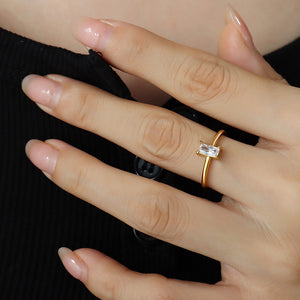
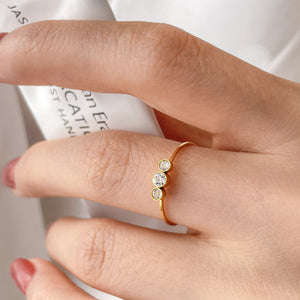
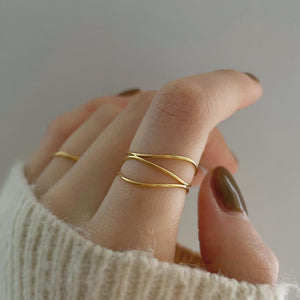

The piece they're describing → Dainty Stacking Rings for Women — 18K Gold Plated, Thin Band Set, Minimalist
Personalize Yours


