


- Beaded necklaces are strung beads (gemstone, glass, wood, pearl); pendant necklaces are a chain plus one focal piece — they layer well together but solve different jobs.
- Standard lengths: choker 14-16 inches, princess 17-19 inches, matinee 20-24 inches, opera 28-36 inches.
- Gemstone beads (garnet, tourmaline, amethyst) follow the same hardness and care rules as faceted stones — softer stones need gentler handling.
- The metal touching your skin — clasps, spacers, jump rings — causes most beaded-necklace irritation, not the beads themselves; look for hypoallergenic, nickel-free findings.
- AJLuxe's own catalogue is built around 925 sterling silver and 18K gold plated pendant necklaces rather than strung bead strands, so a piece like the Pink Tourmaline Infinity Necklace ($59.99) works best as a layering anchor under or over a beaded strand.
- Clean beaded necklaces with a dry or barely-damp cloth; never soak porous stones or pearls.
Search for "beads and necklace" and you'll get everything from craft-supply listings to finished statement pieces, which is exactly why most guides on it are vague. This one isn't a tutorial on stringing your own — it's a buyer's and stylist's guide: what beaded necklaces are actually made from, how to layer them without looking cluttered, which length to buy for your neckline, and where a beaded strand should hand off to a pendant necklace instead.
What Are Beaded Necklaces Made From?
Beaded necklaces are made from one of four material families — natural gemstone, glass, wood or seed, and pearl — each strung on cord, wire, or fine chain rather than built around a single pendant. Gemstone beads (rose quartz, amethyst, garnet, turquoise) are cut into small rounds or chips and carry the same durability profile as faceted stones of the same mineral; glass and Czech crystal beads mimic the look at a lower price and lower hardness; wood and seed beads are lightweight and casual; freshwater pearl strands are the most delicate of the four and the most prone to scratching from contact with other jewelry.
What almost never gets mentioned is that the beads are rarely the point of failure — the metal findings are. A gorgeous strand of amethyst beads on a nickel-alloy clasp will still turn skin red within a day of humid wear. If you already know sterling silver or 18K gold plating sits comfortably against your skin, look for those specific findings on any beaded piece before you buy it, the same way you'd check a pendant necklace.
How Do You Style a Beaded Necklace?
Style a beaded necklace by layering it at a different length than your other pieces and letting one texture lead — beads with beads, or beads with a single fine chain, but rarely beads with another chunky statement piece. A common, easy-to-repeat formula is three lengths: a short beaded strand sitting at the collarbone, a mid-length pendant necklace at princess length, and a longer, thinner chain underneath as a base layer. Mixed metals are fine in 2026 — a gold-plated pendant under a gemstone bead strand with silver spacers reads intentional, not mismatched, as long as the finishes are matte rather than competing high-shine tones.
For everyday wear rather than a styled stack, the simplest combination is one beaded strand plus one delicate pendant. That's also where a pendant necklace earns its place even in an article about beads: a beaded strand alone can look like it's missing a focal point, and a small pendant fills that gap without fighting the beads for attention.

Beaded Necklace vs Pendant Necklace: Which Should You Choose?
Choose a beaded necklace when you want texture and color to do the work, and a pendant necklace when you want a single focal point that reads clearly from a distance — most jewelry collections end up needing both rather than one replacing the other.
| Feature | Beaded Necklace | Pendant / Chain Necklace |
|---|---|---|
| What carries the design | The strand as a whole (color, texture, repetition) | One focal piece on a plain chain |
| Typical material | Gemstone, glass, wood, or pearl beads on cord or wire | 925 sterling silver or 18K gold plated chain and charm |
| Best for | Layering, color, casual or bohemian looks | Everyday wear, gifting, a single meaningful symbol |
| Everyday durability | Varies widely by material — pearls and softer stones scratch easily | Consistent — metal quality is the main variable |
| Where to find it at AJLuxe | Not our core category | Pink Tourmaline Infinity Necklace, 925 sterling silver ($59.99) |
Worth being upfront about: AJLuxe's catalogue is built around 925 sterling silver and 18K gold plated pendant necklaces, not strung bead strands, so if you're specifically hunting for a beaded piece, the closest pieces we actually carry are gemstone pendant necklaces you can layer with beads you already own — like the January Birthstone Garnet Infinity Necklace ($59.99), which uses a genuine faceted garnet rather than a strung bead but sits at the same collarbone length a short beaded strand would.
What Do Different Gemstone Bead Colors Mean?
Gemstone bead color is tied to the mineral itself, not a universal color code — amethyst reads purple because of trace iron and irradiation, garnet reads red-to-orange depending on which garnet species it is, and turquoise gets its blue-green from copper content. Historically and in modern gift-giving, certain stones have picked up associations (garnet with January and protection folklore, amethyst with calm, turquoise with travel), but these are traditions, not chemistry, and they vary by culture. If you're buying beads or a gemstone pendant for meaning rather than just color, the birthstone calendar is the most consistent reference point most shoppers already use.
How Long Should a Beaded Necklace Be?
Match your beaded necklace length to how you plan to wear it: 14-16 inches (choker) sits at the base of the throat, 17-19 inches (princess) hits the collarbone and is the most versatile everyday length, 20-24 inches (matinee) falls at or just below the bust, and 28-36 inches (opera) can be worn long or doubled for a layered look in one piece.
| Length | Style Name | Best For |
|---|---|---|
| 14-16 inches | Choker | High necklines, layering under a longer piece |
| 17-19 inches | Princess | Most necklines, everyday wear, pendant pairing |
| 20-24 inches | Matinee | Business casual, works over collared shirts |
| 28-36 inches | Opera | Statement wear, or doubled for a layered look |
How Do You Care for a Beaded Necklace?
Care for a beaded necklace by wiping it with a dry or barely-damp soft cloth after wear and storing it flat rather than hanging, since strung beads put constant tension on the cord or wire when they hang from a hook. Never soak porous materials like pearls, turquoise, or unsealed wood beads — water and skin oils work into the surface and dull the color over time. For gemstone beads specifically, the same hardness rules that apply to faceted stones apply here: harder stones like quartz-family beads (amethyst, rose quartz, citrine) tolerate more daily wear than softer stones like turquoise or opal, so save the softer strands for lower-friction occasions.
Which Necklace Should You Actually Buy: Beaded, Pendant, or Both?
If you want one versatile piece you can wear daily without thinking about it, buy a 925 sterling silver or 18K gold plated pendant necklace first — it's more durable than most beaded strands, works with every neckline, and layers under a beaded piece later if you decide to add one. The Pink Tourmaline Infinity Necklace ($59.99) is a genuine gemstone pendant in 925 sterling silver that does double duty: worn alone it's a complete everyday necklace, and worn with a beaded strand on top it becomes the anchor layer that keeps a beads-only stack from looking unfinished. For a smaller gift-price entry point, the Heart Initial Necklace ($34.39) in 18K gold plating is a personalized, lower-cost way to add that same anchoring pendant to an existing beaded collection. Both ship gift-ready with hypoallergenic, nickel-free findings, which matters more for all-day comfort than the beads themselves ever will.
For general reference on gemstone identification and hardness, the Gemological Institute of America is a genuine, well-established authority: https://www.gia.edu.Frequently Asked Questions
What are beaded necklaces made from?
Beaded necklaces are made from gemstone, glass, wood or seed, or pearl beads strung on cord, wire, or fine chain, with the material determining both look and durability.
Can you wear a beaded necklace every day?
Yes, but durability depends on the bead material — harder gemstone beads like quartz varieties hold up well to daily wear, while pearls, turquoise, and other softer materials scratch and dull faster and are better saved for lighter use.
How do you layer a beaded necklace with a pendant necklace?
Layer them at two different lengths, with the shorter beaded strand sitting above a longer pendant necklace, and keep the metal finishes matte rather than high-shine so the two pieces read as one intentional stack instead of competing for attention.
What length beaded necklace should I buy?
For most people, 17-19 inches (princess length) is the most versatile starting point because it sits at the collarbone and works with nearly every neckline; add a shorter choker or longer opera strand once you know you want to layer.
Are beaded necklaces hypoallergenic?
Not automatically — the beads themselves rarely cause irritation, but the metal clasps, spacers, and jump rings often do, so check that those findings are specifically labeled nickel-free or hypoallergenic rather than assuming a gemstone strand is automatically skin-safe.
How do you clean a beaded necklace?
Wipe it with a dry or barely-damp soft cloth after each wear and store it flat; avoid soaking pearls, turquoise, or unsealed wood beads, since moisture and skin oils dull porous materials over time.
All third-party trademarks, brand names and product names are the property of their respective owners. AJLuxe is not affiliated with, endorsed by, sponsored by, or otherwise connected to any third-party brand referenced in this article. Brand names are used solely for accurate comparative reference, and material descriptions reflect each brand's own published product specifications at the time of writing.
You Might Also Like

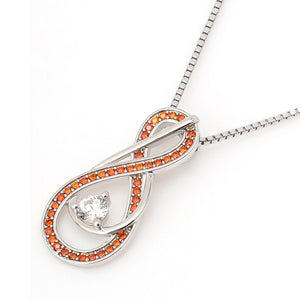

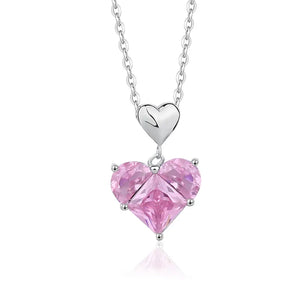

The piece they're describing → Pink Tourmaline Infinity Necklace for Women — 925 Sterling Silver, Pink CZ Pave
Personalize Yours


