



- The core never changes: processional, vows, rings, pronouncement, recessional.
- Readings, the address and unity rituals are optional. One guide says you can go straight from the rings to the pronouncement.
- Length depends on style. Simple ceremonies run about 15 minutes in one guide, standard ones 20 to 30 minutes, and religious ones are longer.
- Religious and cultural ceremonies add their own steps. Ask your officiant for the exact order.
- The rings are the main jewelry moment. We cover what AJLuxe does and does not sell for it.
A wedding ceremony is the short, formal part of the day when two people are married, and its order is the sequence of moments between the first guest being seated and the couple leaving. People look it up for three reasons: they are the couple and need a running order for the officiant and the program, they are in the wedding party and want to know when they are needed, or they are a guest who wants to know how long to expect. This page covers the whole ceremony. The walk in (who enters when) is covered separately in our wedding processional order guide, so here it is a single step.
The Proper Order of a Wedding Ceremony, Step by Step
The proper order is a framework and not a rulebook, according to one planning guide we read, and the version below is the common one that three guides share. We list a typical time for each step from the guides that give one, and where they differ we give the range.
| Step | What happens | Typical time |
|---|---|---|
| 1. Prelude and seating | Guests arrive and are seated while music plays. | 15 to 30 minutes before the start (one guide) |
| 2. Processional | The officiant, the wedding party and the couple enter. | 3 to 5 minutes (one guide), 5 to 10 (another) |
| 3. Welcome | The officiant greets the guests and sets the tone. | 2 to 4 minutes |
| 4. Readings (optional) | One to three friends or relatives read a poem, passage or prayer. | 1 to 3 minutes each (one guide), 3 to 10 in total (another) |
| 5. Officiant's address | Remarks about the couple and marriage. | 2 to 6 minutes |
| 6. Declaration of intent | The legal question, along the lines of "Do you take...". | About 1 minute (one guide) |
| 7. Vows | The couple exchange promises, repeated or personally written. | 2 to 8 minutes |
| 8. Ring exchange | Rings are placed with a few spoken words. | 2 to 4 minutes |
| 9. Unity ritual (optional) | A candle, sand, handfasting or a cultural custom. | 2 to 5 minutes |
| 10. Pronouncement and kiss | The officiant declares the couple married. | 1 to 2 minutes |
| 11. Recessional | The couple exits, followed by the wedding party. | 2 to 5 minutes |
The times add up to a bit under half an hour for a secular ceremony, which matches the 20 to 30 minute figure the guides give. If any single step runs long, the usual culprits are an extra reading or a long address. Tell the officiant your target length before the day.
Before the Ceremony Starts
Before the processional, guests are seated and music plays, and one guide puts this at 15 to 30 minutes before the start. The wedding party waits out of sight, the parents and grandparents are seated last, and the officiant takes position. One guide says two witnesses are usually required for legal purposes, so ask your officiant who will sign. Our guide on something old, new, borrowed and blue is a good place to see what small items the bride may want to have with her before she walks.
Welcome, Readings and the Address
The welcome sets the tone, the readings are a chance to involve friends or family, and the address is the officiant's short talk about the couple. All three are flexible. One guide calls readings, unity ceremonies and other special elements optional, so a short ceremony can skip them. If you want readings, choose one or two readers who are comfortable speaking, and keep each to a few minutes. The address is usually the part the officiant personalizes, so give them a few real details about the two of you.
Declaration, Vows and Ring Exchange
This is the core of the ceremony: the declaration of intent, the vows and the rings. The declaration is the legal question, the vows are the promises, and the rings are the visible symbol. Vows can be traditional and repeated after the officiant, or personal and written by the couple, and most guides allot a few minutes to each. If you write your own, read them aloud once and trim, since a vow that runs five minutes feels very long in the middle of a ceremony.
Which hand and finger the ring goes on depends on the tradition. Our wedding ring: which hand and finger guide explains the common choices, and non-traditional wedding rings covers other options. AJLuxe does not sell wedding bands or engagement rings, and our ring line is not made for the ring exchange, so we do not suggest it as a substitute. What we offer is jewelry for the people around the ring moment: studs, necklaces and gifts, covered at the end of this page.
Unity Rituals and Cultural Additions
A unity ritual is an optional symbolic act that comes after the rings, such as a candle lighting, a sand blend or handfasting. Guides give it about 2 to 5 minutes. One guide says you can go directly from the ring exchange to the pronouncement if you prefer. Several traditions have their own required steps: one planning guide lists the Jewish bedeken (veiling), the chuppah, seven blessings and the glass-breaking, the Hindu saptapadi (seven steps around a sacred fire) and optional additions such as tea ceremonies, coin exchanges or family blessings. If your ceremony follows one of these, we only read short descriptions, so ask your officiant or a family elder for the exact order and wording.
Pronouncement, First Kiss and Recessional
The pronouncement is the officiant declaring the couple married, the first kiss follows, and the recessional is the exit. In the recessional the newlyweds leave first and the wedding party follows. A short pause before the recessional music starts (our suggestion, not a sourced rule) lets the moment land, and it helps to tell guests whether to stay seated until the party has left.
How Long Is a Wedding Ceremony?
A secular ceremony typically runs 20 to 30 minutes, and a religious ceremony runs longer. Three guides give figures that overlap but do not match exactly, which is why we give ranges.
| Ceremony type | Length given by the sources we read |
|---|---|
| Civil or courthouse | 5 to 25 minutes |
| Non-denominational | 20 to 45 minutes |
| Protestant | 20 to 40 minutes |
| Catholic | 30 to 45 minutes without Mass, 60 to 90 minutes with a Nuptial Mass |
| Jewish | 30 to 60 minutes |
| Hindu | 1 to 4 hours |
For a short ceremony, keep to the core: processional, welcome, vows, rings, pronouncement and recessional. For a longer one, add readings and a unity ritual. A simple ceremony of about 15 minutes is possible in one guide's example, which skips the extras.
Smaller Weddings and Custom Orders
A smaller or more personal wedding can rearrange the order freely. The guides we read say the order is a framework, and that couples can rearrange elements, change the processional, write personal vows or add cultural and religious traditions. A few examples of what that can look like (our suggestions):
- An elopement or courthouse ceremony. Skip the processional and readings: welcome, vows, rings, pronouncement.
- A short ceremony with a longer reception. Keep the address to a couple of minutes and have one reading.
- A ceremony with children. Add a small moment for them, such as a promise or a ring-giving, after the couple's vows.
- A ceremony outdoors. Add a few minutes for guests to settle, and tell the officiant to speak up.
What About the Order of the Reception?
The order of events at the reception is a different question, and we did not read a source on it for this page, so we do not give one. In general it follows the ceremony and includes the entrance, meal, toasts and dancing, but the sequence depends heavily on the venue, so ask your planner or caterer for the running order.
Who Is Needed When
The couple, the officiant and, usually, two witnesses are the only people one guide says are required, and the wedding party is optional but traditional. The people most often given a job are the maid of honor (who holds the bride's bouquet during the vows in one guide), the best man and the readers. Our maid of honor duties page covers what she does on the day. Tell each person which step they are needed for and where to stand, and put it on a one-page running order.
Jewelry Around the Ceremony
Jewelry is part of the ceremony mostly through the rings and what the bride and party wear. Here is what AJLuxe sells that fits, with materials as listed on each product page.
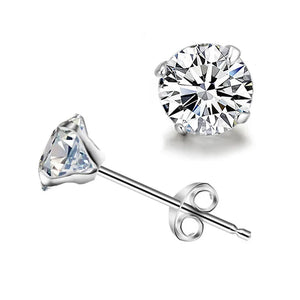
- For the bride or the party: studs. Sterling silver cubic zirconia stud earrings have a 925 sterling silver post with rhodium plating and a cubic zirconia stone (a simulated stone, not a diamond). Simple studs stay out of the way during the vows and rings.
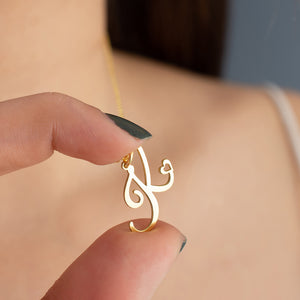
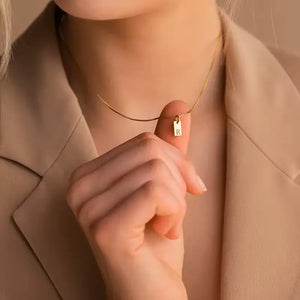
- A keepsake for someone in the ceremony. The Heart Initial Necklace is 18K gold plating over 316L stainless steel, not sterling silver, with a letter A to Z. It is personalized, so it is final sale. A necklace is for one person, so it suits a bride or a reader, not the couple together.
- Where to read more. See how to choose wedding jewelry, bridal jewelry sets and pearl necklaces for a wedding.
After the ceremony, our newlywed gift jewelry guide covers gifts for the couple. AJLuxe's return and exchange page lists 30 days for unworn items in original packaging, with the customer paying the return label, and lists personalized and initial pieces as final sale.
More in this wedding guide
This page is part of our wedding party roles guide, which explains who does what in a wedding party. Related reading: the wedding processional order, vow renewal ideas, how to write a maid of honor speech, and a bridal emergency kit.
Frequently Asked Questions
What is the proper order of a wedding ceremony?
The common order is seating, processional, welcome, optional readings, the officiant's address, declaration of intent, vows, ring exchange, an optional unity ritual, pronouncement and kiss, then the recessional. Planning guides call it a framework and not a rulebook.
How long is a typical wedding ceremony?
A secular ceremony is typically 20 to 30 minutes, and a simple one can be about 15. Religious ceremonies run longer, from 20 to 60 minutes for a Protestant or Jewish service to 60 to 90 minutes for a Catholic Mass, according to the guides we read.
Who walks down the aisle at a wedding, in what order?
Usually the officiant, grandparents and parents first, then the groom and best man, the attendants, the children and the bride last. The details differ between sources, and our wedding processional order guide covers the walk step by step.
What is the correct order of events for a wedding reception?
We did not read a sourced order for the reception, so we do not give one. Ask your planner or venue for the running order, since it depends on the meal, the venue and the length of the day.
What are the 7 steps of marriage?
There is no single standard answer. One planning guide describes the Hindu saptapadi, which is seven steps taken around a sacred fire, and the Jewish ceremony's seven blessings. If you mean the seven steps of a secular ceremony, the guides we read describe about ten to twelve steps, not seven.
What are 7 marriage vows?
We did not find a sourced standard list of seven vows. Vows can be traditional and repeated after the officiant or written by the couple, so the number and wording are a personal choice, or follow your faith if the ceremony is religious.
What is the 50/20/30 rule for weddings?
We did not find a sourced definition of this rule in the guides we read. It is sometimes described as a budget split, but we cannot confirm where it comes from, so we leave it out.
Can you skip parts of the ceremony?
Yes. Readings, the address and unity rituals are optional in the guides we read, and one says you can move directly from the ring exchange to the pronouncement. The core is the declaration, vows, rings, pronouncement and the exit.
Sources
Ceremony orders and timings were compared across a wedding stationery publisher, a wedding planning site and a wedding planning blog, all read on 6 October 2026, plus a search summary that cited additional guides. Where they differed we give ranges. Product details and return terms come from ajluxe.com product pages and the return and exchange page.
Written by AJLuxe Team. Last updated: October 2026
All third-party trademarks, brand names and product names are the property of their respective owners. AJLuxe is not affiliated with, endorsed by, sponsored by, or otherwise connected to any third-party brand referenced in this article. Brand names are used solely for accurate comparative reference, and material descriptions reflect each brand's own published product specifications at the time of writing.
You Might Also Like

The piece they're describing → CZ Stud Earrings for Women — 925 Sterling Silver, Cubic Zirconia, Hypoallergenic
Personalize Yours


