


- The bride walks last. Every source we read puts the bride at the end of the processional, usually with her father or another chosen escort.
- The middle of the order varies. Where the groom, the grandparents and the best man appear changes from guide to guide and from tradition to tradition.
- The recessional is mostly the reverse. The newlyweds leave first, then the wedding party, then the parents.
- No rule is binding. Small weddings, blended families and same-sex couples regularly rearrange it.
- Jewelry shows most in the walk. Earrings and necklaces are the pieces guests see from the aisle, so we cover that briefly near the end.
The processional is the walk that opens a wedding ceremony: who enters, in what order, and where each person ends up. It is also the part couples most often argue about, because every family, faith and venue has a slightly different habit. This guide gives the common Western order step by step, shows where the guides we read disagree, and then covers small weddings, blended families and the recessional. It is only about the walk. For the full sequence of the ceremony itself (readings, vows, rings, the kiss), see our separate ceremony order guide, which this page deliberately does not repeat.
The Standard Processional Order, Step by Step
The standard order moves from the people who are seated first to the person everyone is waiting for. Four online guides we read in full (a venue blog, a wedding stationery publisher and two wedding planning sites) agree on the ending and differ in the middle. This is the version most of them share.
- The officiant. Several guides say the officiant takes a place at the front first or walks in first. One says the officiant often enters from a side door instead.
- Grandparents, if they are part of the walk. They are seated early, usually escorted by a family member or a groomsman. One guide has the groom's grandparents going first, another has the bride's, so pick the order that suits your families.
- The groom's parents. They are seated before the ceremony. In the Christian tradition two guides describe, they sit in the front row on the right side.
- The mother of the bride. She is seated last of the parents, and one guide says her being seated is the signal that the processional is about to begin.
- The groom and the best man. They either walk in or enter from the side and take their places near the officiant. In one tradition we read about, the groom walks in with both of his parents.
- The groomsmen and bridesmaids. They walk in pairs, one bridesmaid with one groomsman, or separately. Groomsmen often take the left of the altar and bridesmaids the right, though one guide places them the other way round, so check your own layout.
- The maid or matron of honor. She walks after the other bridesmaids and stands closest to the bride's side.
- The ring bearer and flower girl. Every guide that includes them puts them immediately before the bride.
- The bride and her escort. She enters last, traditionally with her father, or with another relative or honored guest of her choosing.
One guide that gives timing suggests a walking pace of about one step every 1.2 seconds, with 6 to 8 feet between walkers, and processional music that runs 8 to 10 minutes to cover everyone. Two other sources give the whole processional as about 3 to 5 minutes and as 5 to 10 minutes. The range is wide because it depends on the length of the aisle and the size of the party. Ask your venue to walk the aisle once and time it.
Who Walks Down the Aisle, and When?
In the common default, the order is: officiant, grandparents, parents, groom and best man, attendants, maid of honor, children, then the bride. The two decisions that cause the most disagreement are where the groom enters and whether the grandparents walk at all. Where guides differ, the practical advice is the same: choose one order, tell everyone in the rehearsal, and write it on your ceremony program or on a card the officiant holds.
| Position | Where sources agree | Where sources differ |
|---|---|---|
| Officiant | At the front before the couple | Walks in, or enters from a side door |
| Grandparents | Seated before the wedding party | Which side goes first |
| Parents | Groom's parents first, mother of the bride last | Which side each family sits on |
| Groom | At the front before the bride | Enters from the side, walks with the best man, or walks with both parents |
| Attendants | Maid of honor last of the attendants | Paired or single |
| Children | Just before the bride | Whether they walk together or apart |
| Bride | Last, with an escort | Who the escort is |
In What Order Does the Mother of the Bride Walk Down the Aisle?
The mother of the bride is usually the last guest seated, right before the processional starts. One guide says her walk to the front row signals that the ceremony is starting, and another places her in a front-row seat on the left. We did not find a sourced rule on who escorts her, so ask your families. If you want her to feel honored, the easiest thing is to give her a clear moment, a brief escort and a seat she can find without searching. Our gifts for the mother of the bride and mother of the bride jewelry pages cover what to give her afterward.
Whose Mom Walks Down the Aisle First?
The groom's mother is traditionally seated first, and the bride's mother is seated after her. In the Christian tradition two guides describe, the groom's parents sit in the front row on the right and the bride's family on the left, and the groom's parents go in before the bride's mother. One of the guides we read lists the bride's grandparents ahead of the groom's grandparents, and another does the opposite, so there is no single correct answer on the grandparents. If you are choosing, ask what your families expect and choose the version that avoids hurt feelings.
Where Everyone Stands at the Front
At the front, the couple stands facing the officiant with their attendants on either side. The attendants stand on the bride's side and the groom's side, and the maid of honor and the best man stand beside the couple. One guide shows the best man and groom on the left and the bride and maid of honor on the right, with the officiant in the center facing the guests. Some ceremonies reverse this. Walk through it once so photographers know where to stand and so nobody blocks the couple.
Two small details are worth deciding in advance. First, who holds the bride's bouquet during the vows: one guide says the maid of honor does. Second, where children go after they arrive: many couples seat them in the front row with a parent so they are not left standing.
Variations: Small Weddings, Blended Families and Non-Traditional Walks
You can change almost any part of the order, and the guides we read say so plainly. One venue blog lists these options: both partners entering together, the entire wedding party walking as one group, family members standing in for traditional attendants, grandparents walking in the processional, and even a pet joining. Another guide says couples, including same-sex couples, can change the order as they like.
- A small wedding with few attendants. Skip pairs. Have each person walk alone, or have the whole group enter together, so nobody feels left over.
- A blended family. Let the children walk with the parent they are closest to, or have the couple enter together with the children beside them. A separate short moment for the children is a nice touch.
- Divorced or absent parents. Have the bride choose any escort she wants. Three of the guides we read say an escort other than her father is fine, such as a family member or an honored guest.
- Two people walking together. Some couples enter from opposite sides and meet at the front. Others walk the whole aisle side by side.
- An uneven party. One guide recommends even numbers of attendants. If yours is uneven, have one person walk alone or with a child.
Some traditions have their own order. A venue blog describes a Jewish order in which both sets of parents accompany their children, a Korean order where the bride enters with her mother, and a Vietnamese custom where the groom's family carries symbolic gifts to the bride's home before the couple walks together. If your ceremony follows one of these, ask your officiant or a family elder to confirm the order, since we only read short descriptions.
What Is the Recessional Order?
The recessional is typically the reverse of the processional: the newlyweds leave first, then the rest of the party follows. A venue blog and a stationery guide both give the same shape. After the couple, the maid of honor and best man go, then the other bridesmaids and groomsmen in pairs, then the children, and finally the parents and grandparents. Guests then leave row by row. A short note in the program saying who exits first saves a pause at the end.
The Ring Bearer in the Processional
The ring bearer is a young child who walks just before the bride, often carrying a pillow or a box. One guide describes the ring bearer carrying the rings on a pillow. Whether yours carries the real rings or a stand-in is your call, and we did not find a source on what is typical. If you need a thank-you gift for the child, see our gift for a ring bearer guide, and for an older girl in the party, gift for a junior bridesmaid.
Maid of Honor or Matron of Honor?
In the guides we read, the maid of honor walks last among the attendants, and a matron of honor holds the same spot in the order. Our matron of honor versus maid of honor guide explains the difference, and maid of honor duties covers what she actually does.
Where Jewelry Shows in the Walk
Guests look at the bride and the attendants for most of the processional, so earrings and necklaces are visible at close range, from the front rows. That is the honest extent of jewelry's role in the walk. A few practical points follow.
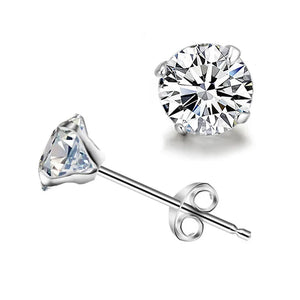
- Matching earrings tie the party together. A pair of simple studs on every attendant is the least visible way to coordinate. Our sterling silver cubic zirconia stud earrings are 925 sterling silver posts with rhodium plating and cubic zirconia stones, so they are a simulated stone and not a diamond. Check the product page for sizes and stock before you plan around them.
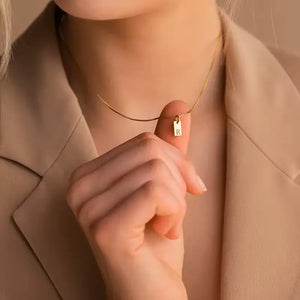
- A personal necklace for each attendant. The Heart Initial Necklace is 18K gold plating over 316L stainless steel (not sterling silver), with a letter A to Z chosen by the buyer. It is personalized, so it is final sale.
- Keep it simple (our judgment, not a sourced rule). Long necklaces and large earrings can catch on veils and hair, so simpler pieces are easier to manage on the day.
For more on what to pair with each person, see wedding day jewelry for the bride, bridal earrings and the best bridesmaid jewelry sets. For thank-you gifts to the group, gifts for bridesmaids has ideas by budget. AJLuxe does not sell bridal party attire or processional accessories, so we point to those pages and leave the rest to your planner.
Returns and Final Sale
AJLuxe's return and exchange page lists 30 days for unworn items in original packaging, with the customer paying the return label, and lists personalized and initial pieces as final sale. Check each product page for current stock.
More in this wedding guide
This page is part of our wedding party roles guide, which explains who does what in a wedding party. Related reading: the wedding ceremony order, bridesmaid duties, mother of the bride and groom duties, and a bridal emergency kit.
Frequently Asked Questions
Who walks down the aisle at a wedding, and in what order?
In the common Western order, the officiant and grandparents come first, then the parents are seated, the groom and best man take their places, the attendants walk, the maid of honor is last of the attendants, the ring bearer and flower girl follow, and the bride enters last. Sources differ on the middle, so confirm the details with your officiant.
What is the proper etiquette for a processional?
The etiquette is that the bride walks last, the parents and grandparents are seated before the party, and everyone knows their cue. Beyond that, the guides we read say the order is a framework and not a rulebook. Rehearse the walk once so everyone knows their place.
In what order does the mother of the bride walk down the aisle?
She is usually the last person seated before the wedding party, after the groom's parents and grandparents. One guide says her seating signals that the processional is about to start.
Whose mom walks down the aisle first?
The groom's mother is traditionally seated first, and the bride's mother after her. Some families walk both mothers together or reverse this, so ask what your families expect.
Does the mother of the bride do anything at the wedding?
Yes, she is seated last before the processional and is often honored with a short escort, and many families give her a role in the ceremony or reception. Our guide on gifts for the mother of the bride lists ways to thank her.
What is the 50/20/30 rule for weddings?
We did not find a sourced, standard definition of this rule in the guides we read, so we do not give one. It is sometimes quoted as a budget split, but treat any version you see with caution until you can see where it comes from.
Does the groom walk down the aisle?
Often, but not always. The guides we read describe the groom entering from the side with the officiant and best man, walking in with his attendants, or walking with both parents in one tradition. Pick whichever matches your ceremony.
What is the recessional order?
The recessional is typically the processional in reverse. The newlyweds leave first, then the maid of honor and best man, the other attendants in pairs, the children and finally the parents and grandparents.
Sources
Processional orders were compared across a venue blog, a wedding stationery publisher and two wedding planning sites, all read on 6 October 2026, plus a search summary of several more. Where they disagreed, we say so. Product details and return terms come from ajluxe.com product pages and the return and exchange page.
Written by AJLuxe Team. Last updated: October 2026
All third-party trademarks, brand names and product names are the property of their respective owners. AJLuxe is not affiliated with, endorsed by, sponsored by, or otherwise connected to any third-party brand referenced in this article. Brand names are used solely for accurate comparative reference, and material descriptions reflect each brand's own published product specifications at the time of writing.
You Might Also Like
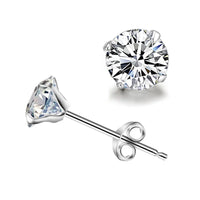
The piece they're describing → CZ Stud Earrings for Women — 925 Sterling Silver, Cubic Zirconia, Hypoallergenic
Personalize Yours


