


Quick Answer
- A purity ring is a ring worn as a personal commitment — traditionally to abstinence before marriage, but today also worn as a broader symbol of personal values.
- It's most often worn on the left ring finger to mirror the placement of an engagement ring — a placeholder for a future commitment.
- Purity rings became popular in the 1990s through Christian abstinence programs but are now worn by people of all backgrounds.
- A purity ring is specifically about chastity or abstinence. A promise ring is a broader relationship commitment between two people.
- Modern purity rings look like simple sterling silver bands — no obvious religious symbols required.
If you've ever spotted a simple ring on someone's left hand and wondered whether it was an engagement ring — it might have been a purity ring. Purity ring meaning comes up a lot for curious searchers, and it's worth a clear, honest answer. Whether you're religious, secular, or just ring-curious, this guide covers everything: what a purity ring is, where it came from, which finger it goes on, and how it's different from a promise ring.
What Is a Purity Ring?
A purity ring is a ring worn as a visible symbol of a personal commitment. That commitment is most commonly abstinence from sex before marriage — but the definition has widened over the years. Today, some people wear purity rings as a pledge to any personal value they hold important: sobriety, emotional purity, or simply staying true to their own standards.
The ring itself is the outward sign of an inward decision. It's not a promise made to another person — it's a commitment made to yourself (and, in religious contexts, to God). That's what separates it from most other rings.
Purity rings are typically worn before marriage. Once someone marries, the purity ring is usually removed and replaced by a wedding band. Some people keep it as a sentimental reminder; others retire it permanently once its purpose is fulfilled.

The History of Purity Rings
Purity rings as a cultural movement took off in the early 1990s in the United States, largely through organized Christian abstinence campaigns.
In 1993, the Southern Baptist Convention launched True Love Waits — a national abstinence pledge program for teenagers. Young people were encouraged to sign a card pledging to remain sexually abstinent until marriage and to wear a ring as a physical reminder of that pledge. By the mid-1990s, hundreds of thousands of teens had taken the pledge.
In 1996, Silver Ring Thing launched, combining live events with music and drama to encourage abstinence pledges. The silver ring became a signature element — practical, affordable, and visible.
Both movements were explicitly Christian in origin, but the idea of wearing a ring as a values pledge didn't stay inside church walls for long. By the 2000s, several high-profile celebrities wore or publicly discussed purity rings, bringing the concept to mainstream awareness. The Wikipedia entry on purity rings documents this history in full.
What Does a Purity Ring Mean Today?
The Traditional Religious Meaning
For many people — particularly within evangelical Christian, Catholic, and other faith traditions — a purity ring still carries its original meaning: a promise of sexual abstinence until marriage. It's a faith statement as much as a personal one. Some families treat the gifting of a purity ring as a formal occasion, sometimes called a "purity ceremony."
The Modern Secular Meaning
Outside of religious contexts, plenty of people wear a purity ring without any theological framing. For them, it might represent:
- A personal decision to be more intentional about relationships
- A commitment to sobriety or a clean lifestyle
- A reminder of their own values during a specific season of life
- A statement of self-respect and personal boundaries
This secular version is growing quietly. It sits somewhere between a promise ring and a personal talisman — a ring with no religious strings attached, but with real personal meaning.
Which Finger Does a Purity Ring Go On?
The left ring finger is the most common choice. This is intentional. The left ring finger is traditionally associated with engagement and marriage. Wearing a purity ring there sends a deliberate message: this spot is reserved. The ring acts as a placeholder, signaling that the wearer is committed to waiting. When they marry, the wedding band takes its place.
Some people wear a purity ring on the right ring finger instead — common in countries where the wedding ring is traditionally worn on the right hand (Germany, Russia, India), or among people who want a cleaner distinction between their purity ring and any future engagement ring.
There's no universal rule. The choice of finger is personal, and both the left and right ring fingers are widely accepted. For a deeper look at what each finger symbolizes, see our guide to ring on each finger meaning.

Purity Ring vs Promise Ring — What's the Difference?
People mix these two up constantly. Both are commitment rings — but they're committed to very different things.
| Feature | Purity Ring | Promise Ring |
|---|---|---|
| Who is the promise to? | Yourself (and/or God) | Another person (a partner) |
| What is the commitment? | Abstinence or personal values | Relationship commitment, future engagement, or loyalty |
| Religious origin? | Yes — rooted in Christian abstinence movements | No — secular and non-religious in origin |
| Who gives it? | Parents, self, or a religious organization | A romantic partner |
| Which finger? | Left ring finger (most common) or right ring finger | Any finger — no fixed convention |
| What happens at marriage? | Removed; replaced by wedding band | Sometimes upgraded to engagement ring; sometimes kept |
| Typical price range | $20–$150 (often sterling silver) | $50–$500+ (wider range, often with stones) |
The simplest way to remember it: a purity ring is a promise to yourself. A promise ring is a promise to someone else.
What Does a Purity Ring Look Like?
Traditional Religious Designs
- Cross symbols — a small cross engraved or set into the band
- Scripture engravings — verses like "True Love Waits" inscribed inside or outside the band
- Heart motifs — representing love held in reserve
Modern Minimalist Designs
Today, many people choose a purity ring that looks like nothing more than a clean, simple band. The meaning is entirely personal — there's nothing on the ring that identifies it as a "purity ring" to anyone else. A plain sterling silver band, a thin stacking ring, or a delicate textured ring all work perfectly.
Sterling silver is the most popular metal choice — affordable, hypoallergenic, and carries a clean aesthetic that feels symbolically appropriate.
Do People Still Wear Purity Rings?
Yes — but the landscape has shifted. The peak of the formal purity ring movement was roughly 2000 to 2010. Since then, formal participation in organized abstinence pledge programs has declined. But the ring itself? Still very much alive.
What's changed is the framing. Fewer people are wearing purity rings as part of an organized pledge program. More people are wearing simple rings as personal commitment symbols — to themselves, their values, or their faith — without the ceremony or the organization. The ring has become more personal and less institutional.
There's also a quiet revival in "intentional living" communities, where commitment rings for personal values resonate with people who want physical reminders of their goals. For context on how rings more broadly carry symbolic weight, our guide to ring finger meaning is worth a read.
Frequently Asked Questions
What is the purpose of a purity ring?
A purity ring serves as a physical reminder of a personal commitment — traditionally, a pledge of sexual abstinence until marriage. For some people it's a religious statement; for others it's a personal values symbol with no religious dimension.
What finger does a purity ring go on?
The left ring finger is the most common choice, placed there intentionally to mirror the eventual placement of a wedding band. Some people wear it on the right ring finger to avoid confusion or because of cultural tradition. Either finger is acceptable — there's no binding rule.
What is the difference between a purity ring and a promise ring?
A purity ring is a commitment to yourself about your own values or behavior — most commonly abstinence. A promise ring is a commitment made to another person, usually a romantic partner. Purity rings have religious origins; promise rings are broadly secular. See the comparison table above for a full breakdown.
Can anyone wear a purity ring, or just Christians?
Anyone can wear a purity ring. While the formalized movement grew out of Christian abstinence programs, there's nothing inherently religious about wearing a ring as a personal commitment symbol. Many non-religious people wear them to represent personal values or lifestyle choices.
What age do people get purity rings?
Traditionally given during teenage years — often between 12 and 16 — as a coming-of-age gesture. Some families give them earlier as a values statement. Adults can and do wear them too, particularly when re-committing to their values or starting over after a difficult period.
What happens to a purity ring after marriage?
Most people remove their purity ring when they get married, since the commitment it represents has been fulfilled. The wedding band takes its place on the left ring finger. Some people keep the purity ring as a sentimental memento; others simply retire it. There's no right answer — it's a personal choice.
Do men wear purity rings?
Yes. Purity rings have never been exclusively for women. Men wear them too, particularly within faith communities where both genders participate equally in abstinence pledges. Male purity rings are typically wider, plainer bands — the same simple sterling silver aesthetic, just sized up.
What metal are purity rings made from?
Sterling silver is by far the most popular — affordable, durable, and carries a clean aesthetic. White gold is a step up for people who want a longer-lasting piece. Some purity rings are made from stainless steel for everyday durability.
Can you wear a purity ring on your right hand?
Absolutely. Wearing a purity ring on the right ring finger is a common and valid choice. It still carries the same personal meaning — the hand doesn't change that. Right-hand placement is especially popular among people who want to avoid the appearance of an engagement ring. See our guide to ring on each finger meaning for more context.
What does a purity ring symbolize in 2026?
In 2026, a purity ring most commonly symbolizes a personal commitment to one's own values — whatever those values are. For some, that's still the original meaning: a pledge of abstinence as an expression of faith. For others, it's a broader statement about intentional living, self-respect, or personal boundaries. You can also explore similar commitment ring concepts in our guide to eternity ring meaning.
Final Thoughts
A purity ring is one of the few pieces of jewelry that carries almost entirely personal meaning. It doesn't announce itself loudly. It sits quietly on your finger as a reminder of something you decided — about your values, your faith, your intentions, or yourself.
If you're looking for a simple, elegant ring to wear as a personal commitment symbol, browse AJLuxe's sterling silver ring collection. Our rings are minimalist, hypoallergenic, and built to last.
Written by the AJLuxe team — specialists in sterling silver and personalized jewelry. Last updated: July 2026.
Related reading: Gold purity numbers guide.
Related reading: Lotus necklace meaning.
All third-party trademarks, brand names and product names are the property of their respective owners. AJLuxe is not affiliated with, endorsed by, sponsored by, or otherwise connected to any third-party brand referenced in this article. Brand names are used solely for accurate comparative reference, and material descriptions reflect each brand's own published product specifications at the time of writing.
You Might Also Like

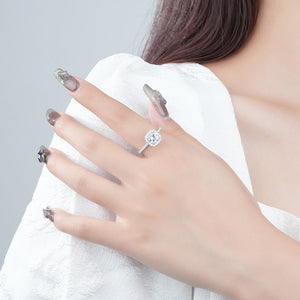
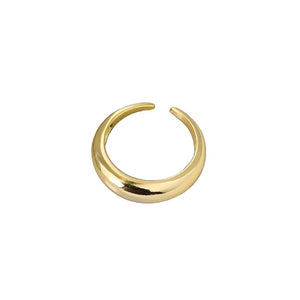
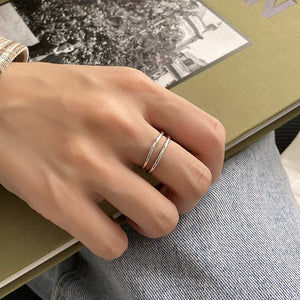

The piece they're describing → Dainty Stacking Rings for Women — 18K Gold Plated, Thin Band Set, Minimalist
Personalize Yours


