


- "Old money" jewelry is a code, not a brand — pearls, gold signet rings, diamond tennis bracelets, and plain gold bands, chosen for craftsmanship and restraint rather than logos or size.
- The rule that separates old-money-coded jewelry from loud luxury: nothing should be identifiable from ten feet away as expensive. It reads as "nice," not "new."
- The look itself — the silhouette, the metal tone, the restraint — is recreatable in 925 sterling silver with 18K gold plating for $25–$60, which is where AJLuxe's catalog fits honestly.
- AJLuxe doesn't currently carry a true engraved signet ring or a continuous-stone diamond tennis bracelet — flagged plainly below as a catalog gap, not glossed over.
Search "old money jewelry" and you'll get a wall of mood boards and social media "get ready with me" videos, most of them repeating the same three stock photos of a pearl strand and a signet ring with no real explanation of why those specific pieces read as old money in the first place. This guide is the explanation: what the old money jewelry code actually is, why certain pieces (and certain absences) signal generational wealth instead of new money, what genuine versions of those pieces cost, and how to recreate the look honestly and affordably in 925 sterling silver and 18K gold plating — including where AJLuxe's own catalog can't fully replicate the real thing yet.
The Old Money Jewelry Code, Decoded
"Old money" isn't a brand or a price point — it's a set of unwritten rules about what jewelry signals inherited wealth versus recently-acquired wealth. The core idea: old money jewelry is chosen for craftsmanship, provenance, and quiet consistency, not for how loudly it announces its price tag. A handful of pieces do almost all of the work:
- Pearls — a single strand, a pendant, or simple studs. Pearls are the single most essential old-money piece for women; they read as inherited (grandmother's pearls, a debutante gift) even when they're brand new.
- Signet rings — traditionally engraved with a monogram or family crest and worn on the pinky finger. The engraving is the point: it implies the ring belongs to a lineage, not just an owner.
- Diamond tennis bracelets — a continuous row of small, identically matched stones rather than one large center stone. The effect is a thin line of light around the wrist, not a single showy gem.
- Thin gold bands and studs — solid gold, worn stacked or alone, never oversized. The metal itself (18K, sometimes higher) does the talking.
- Heirloom-look pieces — anything that looks like it could have been passed down: a locket, an engraved tag, a small monogrammed pendant.
What ties all five together is restraint. Old money jewelry is never the biggest stone in the room, never logoed, and rarely purchased to be photographed — it's worn because it's always been worn. That's the piece most "old money aesthetic" content skips in favor of just showing you a pearl necklace.
The Old-Money Jewelry Code — Genuine vs. Affordable
Here's the part most "old money aesthetic" round-ups leave out entirely: what these pieces actually cost when they're genuine, versus what it costs to recreate the look. Both are legitimate — they're just not the same product.
| Piece | The Old-Money Signal | Genuine Price (approx.) | AJLuxe Affordable Version |
|---|---|---|---|
| Pearl necklace | Restraint, inherited-heirloom feel | $1,850+ for a single cultured pearl pendant from a heritage house, $4,500+ for a strand | Freshwater pearl necklace, 14K gold-plated chain — $28.99 |
| Signet ring | Lineage, monogram, worn on the pinky | Roughly $800–$1,500+ in solid gold with hand engraving, more with heavier gold weight | Not currently in AJLuxe's catalog — see honest note below |
| Diamond tennis bracelet | A continuous line of light, not one big stone | Low thousands and up from a fine jeweler; heritage-house versions run into five figures | Not currently in AJLuxe's catalog — see honest note below |
| Thin gold chain / band | Solid metal, worn everyday, never oversized | $300–$1,000+ in solid 14K–18K gold depending on weight | Double chain snake necklace, 18K gold plating — $30.99 |
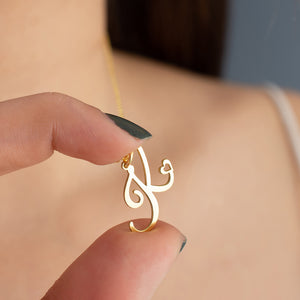
| Engraved / initial pendant | Looks passed down, personal, unbranded | $200–$600+ for solid gold engraving | Initial tag necklace, 18K gold plating — $24.99 |

Old-Money-Coded vs. Loud-Luxury: How to Tell the Difference
"Quiet luxury" and "old money" get used interchangeably, and there's real overlap — but the fastest way to spot old-money-coded jewelry versus trend-chasing, loud-luxury jewelry is to look at what's absent, not what's present. Tap through the table below; it's the single clearest gap between the two aesthetics.
| Signal | Old-Money Coded | Loud Luxury / Trend-Chasing |
|---|---|---|
| Logos | Never visible — no branded hardware or monogrammed logos | Prominent designer logo or monogram charm as the focal point |
| Stone size | Small, matched, numerous (tennis bracelet, pave) | One large center stone meant to be noticed first |
| Metal tone | One consistent tone (usually warm gold), worn for years | Mixed or seasonal tones chosen to match a current trend |
| How it's described | "I've had this forever" / "it was my grandmother's" | "I just got this" / references a specific viral piece |
| Layering | Two or three pieces max, same metal, restrained | As many pieces as possible, mixed styles and metals |
| Where it's bought | Heritage jeweler, estate sale, family — rarely a haul video | Whatever's trending on social-commerce shops that week |
The through-line is consistency over novelty. Old-money-coded jewelry is chosen once and worn for decades; loud-luxury jewelry is chosen to match this season's trend cycle. You can build the first look on any budget — the pieces just need to be simple, consistent, and worn like they've always been there.
What Social Media Gets Wrong About "Old Money" Jewelry
Most "old money aesthetic" content on social media has a real blind spot: it shows you a pearl necklace and a signet ring side by side and calls it a day, without explaining why those specific pieces work or what actually separates them from a trend piece. Two gaps show up constantly:
- No honest pricing context. Almost none of it tells you that a genuine cultured pearl necklace starts in the thousands, or that a real diamond tennis bracelet is a five-figure heirloom purchase, not a $40 large marketplaces find styled to look like one. That gap is exactly why "old money jewelry on a budget" gets searched every month — people want the look, not a misleading price expectation.
- Confusing "old money" with "maximalist gold." A lot of social media "old money" content is actually just chunky, oversized gold jewelry — which is closer to loud luxury than the real aesthetic. The genuine old-money code is thinner, quieter, and more restrained than most viral videos suggest; more pieces and bigger stones is the opposite of the point.
The honest version of this guide: the look is genuinely recreatable in 925 sterling silver and gold plating, but only if you keep the pieces small, consistent, and few — not by buying every piece a "get the old money look" video shows you.
AJLuxe's Honest Take: What We Can (and Can't) Give You
We'd rather say this plainly than let a product page imply otherwise. AJLuxe's catalog covers the pearl-necklace and thin-gold-chain parts of the old-money code well — our freshwater pearl necklace and double-chain gold pieces are genuinely close matches for the silhouette. What we don't currently carry:
- A true engraved signet ring. The pinky-ring, monogram-engraved signet is one of the most recognizable old-money pieces, and it's not in our catalog yet. This is a real catalog gap, flagged internally for future development.
- A continuous-stone diamond tennis bracelet. Our bracelet styles use heart-link and charm designs rather than a rivière-style row of matched stones, so we don't have a direct tennis-bracelet dupe to offer honestly right now.
If those two pieces are what you're specifically shopping for, we're not going to point you at a product that doesn't match. What we can offer — the pearl necklace, the layered gold chain, the engraved initial pendant — genuinely captures the quieter, more attainable end of the code, in 925 sterling silver with 18K gold plating instead of solid gold and cultured pearls.

How to Get the Old-Money Look Affordably
Recreating the code doesn't require spending old-money money — it requires editing down, not stacking up:
- Pick one metal tone and stay there. Warm gold is the most common old-money choice; if you go silver, commit to it across every piece you wear that day.
- Start with pearls or a thin chain, not a statement piece. A single pearl necklace or a fine gold chain does more for the aesthetic than any one "wow" item.
- Cap layering at two or three pieces. The restraint is the signal — five necklaces reads as maximalist, not old money, no matter how expensive each one is.
- Skip anything with a visible logo. This is the fastest way to accidentally read as new money instead of old money — the code is defined by what it doesn't announce.
- Let pieces repeat, day after day. Wearing the same pearl studs or the same thin chain constantly is more old-money-coded than rotating a large jewelry box — consistency reads as "always had it," not "just bought it."
What Signals "New Money," Even Unintentionally
A few honest notes on what tips a look from old-money-coded into new-money territory, since most guides only tell you what to wear and skip what reads wrong:
- Anything sized to be photographed. Old-money jewelry is chosen to be worn, not posted — oversized statement pieces read as trend-chasing regardless of material.
- Full designer logo sets. A matching logo necklace, bracelet, and earrings set is the opposite of the code — it's advertising, not heritage.
- Mixed metals worn as a trend, not a rule. Old money mixes gold and silver rarely and deliberately; doing it because it's trending this season reads differently than doing it because it's simply what you own.
- Anything that looks brand new. Slightly worn, slightly imperfect pieces — a chain with a little wear on the clasp, pearls with a soft (not glassy) luster — actually read as more authentic to the aesthetic than something pristine.
Frequently Asked Questions
What jewelry does old money wear?
Pearls (a strand, pendant, or studs), a solid gold signet ring worn on the pinky, a diamond tennis bracelet with a continuous row of small matched stones, and thin gold bands or chains worn consistently. The common thread is restraint — small, matched, unbranded, and worn for years rather than seasons.
What jewelry do the wealthy wear?
Genuinely wealthy, generationally-old-money circles tend to favor understated, well-made pieces over anything flashy: fine pearls, solid gold, engraved heirloom pieces, and continuous-stone tennis bracelets rather than one large center stone. The goal is quality and consistency, not visible price — which is the opposite of how "wealthy jewelry" is often portrayed on social media.
What is quiet luxury jewelry?
Quiet luxury jewelry is the broader style movement old-money jewelry sits inside — logo-free, fine-chain, classic-form pieces in gold or pearl that signal taste and quality without an identifiable brand mark. Old money is quiet luxury's most specific, heritage-coded version.
What is the hottest jewelry right now?
As of 2026, the "old money" and "quiet luxury" aesthetics are among the most searched jewelry trends, alongside dainty layered gold necklaces and pearl accents — a shift away from maximalist, logo-heavy statement pieces toward smaller, more consistent everyday jewelry.
Can you get the old money jewelry look on a budget?
Yes — the silhouette, metal tone, and restraint are fully recreatable in 925 sterling silver with 18K gold plating for $25–$60 a piece. What you're not getting at that price is solid gold, cultured pearls, or real diamonds, so treat it as an affordable version of the look rather than the genuine investment piece.
What is a signet ring and why do old money families wear it?
A signet ring is a ring, traditionally engraved with a monogram or family crest, historically used to stamp a wax seal on documents. Old money families wear them — usually on the pinky — because the engraving implies the ring has been passed down through a lineage rather than simply purchased.
Are pearls back in style for 2026?
Pearls never really left old-money and quiet-luxury circles, but they've moved back into mainstream jewelry trend coverage alongside the broader old-money aesthetic search boom — worn as a single pendant or minimal studs rather than a full formal strand.
What's the difference between old money and new money jewelry?
Old money jewelry is small, matched, unbranded, and worn consistently over years — it's about restraint. New money jewelry tends to be larger, more logo-visible, and chosen to be immediately identifiable as expensive. Both can be genuinely valuable; the difference is in what they're trying to communicate.
Is a tennis bracelet old money or new money?
A classic diamond tennis bracelet — a continuous row of small, evenly matched stones — is squarely old-money coded. It becomes new-money coded only if the stones get unusually large or the design strays from that continuous, understated line.
What metals do old money families wear — gold or silver?
Gold, more often than silver, particularly warm 14K–18K yellow gold. Sterling silver appears too, especially in signet rings and men's jewelry, but the dominant old-money metal tone is gold, worn consistently rather than mixed for trend's sake.
Does old money jewelry always mean expensive jewelry?
Genuine heirloom old-money pieces usually are expensive, because they're solid gold, real pearls, or real diamonds passed down over generations. But the aesthetic — the code of restraint, small matched stones, and one consistent metal tone — can be recreated affordably; you're buying the look, not the investment value.
Final Thoughts
The old-money jewelry code is simpler than most trend content makes it look: pearls, gold, restraint, and consistency, worn the same way for years rather than swapped out every season. Genuine pieces from heritage jewelers earn their price through solid gold, real pearls, and real diamonds — none of which an affordable version can honestly claim to replicate. What an affordable version can offer is the silhouette and the metal tone, at a price where you can actually build the habit of wearing the same few pieces every day, which is arguably closer to the spirit of "old money" than any single expensive purchase. Whether that's a genuine heirloom piece passed down in your own family, or a $28.99 pearl necklace from AJLuxe worn on repeat, the honest version of this guide is the same one we give every time: know which tier you're buying into, and choose consistency over quantity. For the deeper dive on the aesthetic these pieces borrow from, read our quiet luxury jewelry guide, and for the coquette-adjacent, more playful end of the current trend cycle, see our coquette jewelry guide. If pearls and restraint sound right but a city apartment doesn't, our coastal grandmother jewelry guide covers the same code set on a porch by the water.
Shop AJLuxe's freshwater pearl necklace
Shop the Freshwater Pearl NecklaceShop This Guide
Browse our full necklace collection for more dainty, gold-plated pieces that fit the old-money code, or see our best dainty necklaces guide for more everyday, quietly-styled picks.
AJLuxe Team. Last updated: July 2026. Sources: Gemological Institute of America (GIA).
All third-party trademarks, brand names and product names are the property of their respective owners. AJLuxe is not affiliated with, endorsed by, sponsored by, or otherwise connected to any third-party brand referenced in this article. Brand names are used solely for accurate comparative reference, and material descriptions reflect each brand's own published product specifications at the time of writing.
You Might Also Like

The piece they're describing → Stone Charm Necklace for Women — Raw Natural Gemstone Pendant
Personalize Yours


