



Officiant gifts do not follow the clear customs that bridesmaid and groomsmen gifts do. Someone who is paid to perform a ceremony, a faith leader who marries you in their own place of worship and a friend who got ordained online to marry you are three different situations, and the right thank-you differs for each. Below, we sort the options by who your officiant is, say honestly where jewelry fits (and where it does not) and suggest alternatives that usually land better.

Match the thank-you to the kind of officiant
The kind of officiant you have matters more than the gift itself, because it tells you what is expected and what would feel out of place.
| Your officiant | What usually suits | Jewelry? |
|---|---|---|
| Friend or relative who officiated as a favor | A personal gift and a heartfelt note, since they gave you time, nerves and effort for free | Yes, if it suits their taste |
| Hired professional or celebrant | Their fee covers the service. A thank-you card, and a review or recommendation they can use | Rarely |
| Faith leader (priest, rabbi, imam, pastor, minister) | A donation to their community, plus a note. Many families ask about the custom for their tradition first | Usually not |
| Judge or civil clerk | A thank-you note only. Public officials often cannot accept gifts | No |
Rules and customs differ by place and tradition, so when in doubt, ask the officiant or the venue what is appropriate. Nothing here is legal or tax advice.
Is a gift expected?
No gift is strictly expected, but a thank-you of some kind is the courteous norm, and it matters most when the officiant is a personal friend or family member. If a fee already compensates a professional, a card and a sincere thank-you cover the courtesy. For the friend who agreed to stand before your family and read your vows, a gift is a way to acknowledge what that took. See our wedding party roles guide for how the officiant fits alongside everyone else you are thanking.
Is jewelry an appropriate officiant gift?
Jewelry is not a typical officiant gift, so we would only choose it for a friend or relative whose style you know well. It is a personal item, and officiants are usually thanked with something related to the ceremony or their role. A necklace for a woman you are very close to, or a simple bracelet for a close friend, can be lovely, but a piece of jewelry for a faith leader, a stranger or a professional can feel presumptuous or awkward.
If you do choose jewelry, keep it simple, small and wearable:
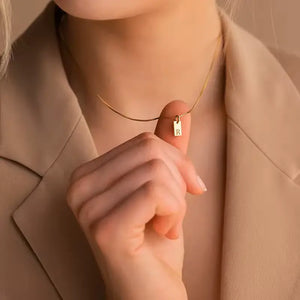
- Initial Tag Necklace ($24.99): a rectangle tag with a letter, 18K gold plating over 925 sterling silver. It is personalized by letter, so it works if you know whether they would wear a necklace. Some letters are sold out, so check the letter first.
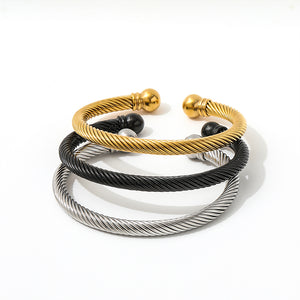
- Cable Chain Cuff Bracelet ($36.99): an adjustable open cuff in gold, silver or black finishes (the gold is 18K gold plated), with no clasp to fiddle with. A bracelet is easier to match to a range of tastes than a necklace.
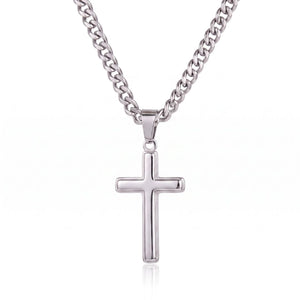
- Men's Cross Necklace ($59.99): 316L stainless steel on an adjustable 18 to 22 inch chain, silver or gold tone. Only choose this if the cross is meaningful to the officiant. Many faith leaders have their own, and a religious symbol is not a guess you should make.
Plated pieces wear gradually, so a note on care helps. See how to clean gold plated jewelry and our jewelry gifts for him if you are shopping for a man.
Keepsakes that usually work better
For many officiants, a keepsake that connects to the ceremony itself means more than jewelry. These are consistently easy to get right.
- A framed copy of the ceremony script or vows, or a photograph of the moment they officiated.
- A handwritten letter describing what their words meant to you and your families.
- A gift of food, flowers or a bottle for the table, if you know they enjoy it and the setting is appropriate.
- A donation in their name to a cause they care about, when a faith leader or professional prefers not to accept personal gifts.
- A small experience, such as a dinner or a gift card to a favorite place.
- A thoughtful keepsake item, such as a notebook, a pen or a small frame, that can go on a desk or shelf.
What to spend
There is no standard amount, and a note will often mean as much as the gift. Spend roughly what you would spend on a friend who did you a significant personal favor, and spend less on a professional who has already been paid. If a keepsake is the right call, the pieces above range from about $25 to $60. If you are choosing for a close friend who officiated, you may want to spend a little more, in line with what you gave the rest of the wedding party.
When and how to give it
Give the thank-you at the rehearsal, at the reception or shortly after the wedding, with a card. Handing it over privately works better than a public presentation, which can embarrass a shy friend or put a faith leader in a difficult position. If you are mailing it afterward, a short note within a few weeks is still welcome. Our guide to rehearsal dinner gifts covers the other thank-yous often given that evening.
What to write in the note
Keep it brief and specific. Mention something real from the ceremony, such as a phrase that made guests laugh or a moment that moved you. For example: "Thank you for marrying us. Your words made the day feel like us, and we will remember them always." For more wording ideas, see wedding thank you card wording.
Shop This Guide
If a friend who married you would enjoy a personal piece, a letter initial pendant is simple to give and easy to wear. US orders ship free, and some letters sell out, so check hers first.
Shop the Initial Tag NecklaceFrequently Asked Questions
What is a good officiant thank-you gift?
A handwritten note plus a small personal keepsake is a good officiant thank-you gift, and for a faith leader a donation to their community is often more fitting.
What do you give a friend who officiated your wedding?
Give a friend who officiated a personal gift they will actually use, such as a framed photo of the ceremony or a simple piece of jewelry that suits their taste, plus a heartfelt note.
What gift can you give an ordained minister?
For an ordained minister, a donation to their congregation or a cause they support, with a note, is the most common and respectful choice, and personal gifts are best asked about first.
Do you have to give your officiant a gift?
No, a gift is not required, but a thank-you note is the courteous minimum, especially for a friend who officiated for free.
Is jewelry a good gift for an officiant?
Jewelry is an uncommon officiant gift, so it only works well for a close friend or family member whose taste you know.
What are good thank-you keepsakes for an officiant?
A framed copy of the ceremony script, a photo from the ceremony, a handwritten letter or a small desk keepsake are good thank-you keepsakes that connect to the day.
How much should you spend on an officiant gift?
There is no standard amount, so spend about what you would for a friend who did you a personal favor, and less for a professional who was already paid.
When do you give the officiant a thank-you?
Give it at the rehearsal, at the reception or shortly after the wedding, in private, with a card.
All third-party trademarks, brand names and product names are the property of their respective owners. AJLuxe is not affiliated with, endorsed by, sponsored by, or otherwise connected to any third-party brand referenced in this article. Brand names are used solely for accurate comparative reference, and material descriptions reflect each brand's own published product specifications at the time of writing.
You Might Also Like
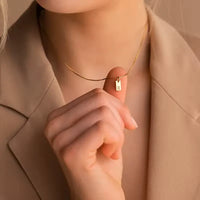
The piece they're describing → Initial Tag Necklace — 18K Gold Plated, Personalized
Personalize Yours


