


Mookaite meaning sits at an unusual crossroads: a stone with a documented, traceable geological story and a rich, color-driven set of metaphysical associations layered on top. Unlike many crystals sold under vague or contested origin claims, mookaite jasper comes from exactly one place on Earth — a narrow stretch of Western Australia near Mooka Creek — and its banded reds, yellows, creams, and purples are the literal fingerprint of ancient sea life fossilized into stone. That dual identity, equal parts hard science and crystal lore, is why mookaite has built a steady following among collectors and jewelry wearers who want a stone with a real story behind the symbolism.
This guide covers what mookaite is and where it comes from, its full meaning and metaphysical properties, how to use and cleanse it, its chakra and zodiac pairings, how it fits into the broader jasper family, how to tell real mookaite from dyed imitations, and a complete buying guide — plus answers to the questions people actually ask about this stone.
What Is Mookaite Jasper?
Mookaite (also called mookaite jasper) is a silicified porcellanite — a fine-grained sedimentary rock that's been replaced by silica over millions of years — found exclusively in the Windalia Radiolarite formation near the Kennedy Ranges and Mooka Creek in Western Australia. The name comes from the Aboriginal word "Mooka," meaning "running water," a reference to the springs that feed the creek where the stone was first discovered.
What makes mookaite geologically distinctive is its origin story: it formed from the fossilized remains of radiolaria and foraminifera, microscopic marine organisms with silica-based skeletons that lived in an ancient inland sea roughly 250 million years ago during the Cretaceous period. As these organisms died and settled on the seafloor over vast stretches of time, their silica skeletons compacted and silicified into the dense, banded rock that's mined today. That's why mookaite is sometimes described as a fossil-rich stone — under magnification, fragments of those ancient organisms are still visible in some specimens.
Visually, mookaite is known for its broad, irregular color banding — flowing patterns of red, yellow, cream, brown, gray, and purple that occur in combinations no two pieces repeat exactly. Iron oxide content produces the reds, yellows, and browns; manganese contributes the purples and pinks. It has a Mohs hardness of 6.5–7, similar to most quartz-family stones, which makes it durable enough for daily-wear jewelry while still requiring basic care around harder gems.
Mookaite Meaning and Metaphysical Properties
Mookaite's meaning is built almost entirely around its color variety, which is unusual among crystals — most stones carry one dominant symbolic theme, but mookaite's reputation as the "stone of versatility" comes directly from the fact that a single piece can display three or four colors at once, each carrying its own traditional association.
Many crystal practitioners associate mookaite with the following core themes:
- Grounding and present-moment awareness: As an earth-toned stone tied to ancient geological time, mookaite is widely used in crystal healing to anchor attention in the present rather than dwelling on the past or anxiously projecting into the future.
- Adaptability and embracing change: Mookaite is described in many traditions as a stone that supports an "ageless spirit" — the willingness to try new experiences and adjust to changing circumstances rather than resisting them.
- Emotional resilience: Practitioners often reach for mookaite when working through fear, anxiety, loneliness, or low mood, framing it as a stone that offers steady, generative support rather than a quick emotional fix.
- Vitality and life force: Mookaite's connection to its formation in flowing water and its description as a "Mother Earth" stone in Aboriginal-linked tradition lend it a reputation for boosting physical energy and stamina.
- Decision-making and instinct: Several sources describe mookaite as supportive during periods of decision paralysis — helping the wearer trust their gut instinct about which direction to take.
It's worth being direct about the line between fact and belief here: mookaite's geological formation, hardness, and origin are verifiable mineralogical facts. Its emotional and energetic properties are part of a long-running crystal healing tradition, not scientifically demonstrated effects — they're worth understanding as a lens many wearers find meaningful, not as medical or psychological claims.
What Mookaite's Colors Mean
Because mookaite's banding can include several colors in a single stone, crystal tradition assigns slightly different emphasis to each shade. This table breaks down the most common color-to-meaning associations:
| Color | Cause | Chakra emphasis | Traditional meaning |
|---|---|---|---|
| Red | Iron oxide content | Root | Grounding, physical vitality, courage |
| Yellow / gold | Iron oxide content | Sacral / solar plexus | Vitality, motivation, confidence |
| Cream / beige | Low mineral concentration | Root / sacral | Calm stability, gentle grounding |
| Purple / mauve | Manganese content | Crown / third eye (in some traditions) | Emotional balance, spiritual connection — often considered the rarest and most sought-after variety |
| Gray / brown | Mixed mineral content | Root | Practical grounding, steadiness |
Because most mookaite pieces blend two or more of these colors, jewelry pieces are often chosen and described by their dominant tone rather than a single pure shade — a "red mookaite" pendant may still carry visible cream or yellow banding throughout.

How to Use and Cleanse Mookaite
Wearing it: Mookaite works well as a pendant worn at chest level, where it sits near the solar plexus and sacral chakra points referenced in crystal tradition, or as an everyday bracelet for more constant skin contact. Because its hardness (6.5–7) holds up to daily wear, it's a practical choice for jewelry rather than a display-only specimen.
Meditation: Many practitioners hold a piece of mookaite or place it on the lower abdomen during meditation, particularly when working on grounding, decision-making, or processing change. Some pair it with citrine or tiger's eye to add solar plexus-focused confidence work alongside mookaite's grounding base.
Physical cleansing: Mookaite is safe to clean with warm water, mild soap, and a soft cloth — its quartz-family hardness makes it more water-tolerant than many softer crystals. Avoid prolonged soaking or harsh chemical cleaners, and dry it fully afterward to prevent any buildup in surface texture.
Energetic cleansing: Common methods cited in crystal tradition include resting the stone on a selenite slab overnight, passing it through sage or palo santo smoke, or leaving it under moonlight. Some sources also describe brief water cleansing as energetically restorative for mookaite specifically, given its formation connection to ancient water — though this is a belief rather than a scientific property.
Chakra and Zodiac Pairing
Mookaite is one of the relatively small group of stones associated with multiple chakras at once, a direct reflection of its multicolor banding. Most sources place its primary association with the root chakra (grounding, safety, physical presence), with secondary work on the sacral chakra (creativity, emotional flow) and solar plexus chakra (personal confidence, decision-making) — the same three-chakra pattern seen in other multicolor jaspers.
In astrology, mookaite is most commonly linked to Leo and Libra. The Leo association draws on mookaite's warm, fire-toned coloring and its reputation for supporting confident self-expression. The Libra pairing is less about color and more about mookaite's "versatility" reputation — Libra's association with balance and adaptability mirrors mookaite's own multi-toned, multi-purpose character. It's also associated with the elements of earth, water, and fire — a combination that, like its chakra range, reflects the stone's varied coloring rather than a single elemental theme.
Mookaite in the Jasper Family
Mookaite belongs to the jasper family, which itself sits within the broader chalcedony and quartz mineral group. Jasper is technically defined as an opaque, microcrystalline variety of quartz — meaning its crystal structure is made up of quartz crystals too small to see individually, giving the stone its solid, non-translucent appearance (unlike clear quartz or amethyst, which are macrocrystalline and at least partly see-through).
What sets mookaite apart from other jaspers is its specific formation pathway. Most jasper forms through general sedimentary or volcanic mineral processes. Mookaite is more precisely classified as a silicified porcellanite with a fossil-rich radiolarite origin — meaning it formed specifically from the silica skeletons of marine microorganisms, not from generic sediment. This is also why mookaite is geologically closer to "chert" in some classifications: chert is the broader geological term for fine-grained silica sedimentary rock, and mookaite is essentially a uniquely colored, fossil-derived Australian variety of it.
| Jasper variety | Typical origin | Pattern | Primary meaning emphasis |
|---|---|---|---|
| Mookaite | Western Australia only | Flowing, irregular multicolor bands | Grounding, adaptability, vitality |
| Ocean jasper | Madagascar | Round orbicular spots | Joy, emotional release |
| Picture jasper | USA, worldwide | Landscape-like banding | Grounding, connection to nature |
| Red jasper | Worldwide | Solid or mottled red | Strength, stamina, root chakra |
| Leopard skin jasper | Mexico | Dark spotted clusters | Self-healing, transformation |
The practical takeaway: if you're drawn to jasper's earthy, grounding family of meanings but want a stone with a more dramatic, multicolor visual signature than red or picture jasper offers, mookaite is the variety built specifically for that.

Real vs. Dyed or Fake Mookaite
Because mookaite's natural color range is already striking, it's a stone that occasionally gets imitated or enhanced — either through dyeing lower-grade jasper to mimic mookaite's banding, or through mislabeling generic dyed jasper as "mookaite" outright. Here's what to check before buying:
- Color pattern: Genuine mookaite shows irregular, organic, flowing bands — no two pieces are identical. Dyed imitations often show unnaturally uniform, overly saturated, or repeating color patterns that look mechanical rather than natural.
- Color bleed test: Wipe the stone with a damp white cloth. Dye that transfers or bleeds onto the cloth is a clear sign of an artificially colored stone. Genuine mookaite's color is embedded in the mineral structure and won't transfer.
- Surface feel and luster: Authentic mookaite has a dense, slightly waxy luster typical of microcrystalline quartz. Imitations — especially plastic or resin "mookaite" sold as cheap costume jewelry — feel lighter and have a glassier, more artificial shine.
- Source verification: Because authentic mookaite comes from exactly one location on Earth, reputable sellers can usually speak to Western Australian sourcing. Vague or evasive answers about origin are a reasonable red flag, particularly for higher-priced pieces.
- Price sanity check: Mookaite is a relatively affordable, abundant stone. Suspiciously low prices on pieces marketed as "rare purple mookaite" are worth scrutinizing — purple is the most sought-after natural variety and tends to carry a modest premium, but not an extreme one.
Mookaite Buying Guide
When shopping for mookaite jewelry or specimens, a few practical factors separate quality pieces from lower-grade material:
- Banding clarity: Look for crisp, well-defined color bands rather than muddy, indistinct transitions between colors — clearer banding generally indicates a better-cut, higher-grade piece.
- Polish quality: A well-polished mookaite cabochon should have a smooth, even waxy luster across the entire surface, with no dull or pitted patches.
- Color combination: Multicolor pieces showing three or more distinct bands (red, yellow, cream, purple together) are generally considered more visually striking and often priced higher than single-tone pieces.
- Setting material: For jewelry, look for hypoallergenic settings like 925 sterling silver or 18K gold-plated sterling silver, which hold up well against mookaite's moderate hardness and won't irritate sensitive skin with daily wear.
- Avoid contact-sport wear: While mookaite's 6.5–7 hardness is durable for everyday jewelry, it's still softer than quartz, topaz, or sapphire, and can chip under hard impact — remove jewelry pieces before workouts or contact sports.
Frequently Asked Questions
What is the geological origin of mookaite?
Mookaite is a silicified porcellanite formed from the fossilized remains of radiolaria and foraminifera, microscopic marine organisms with silica skeletons, during the Cretaceous period roughly 250 million years ago. It's found exclusively in the Windalia Radiolarite formation near the Kennedy Ranges and Mooka Creek in Western Australia. The name comes from the Aboriginal word "Mooka," meaning "running water," referring to the springs near the original discovery site.
How can I tell real mookaite from dyed or fake jasper?
Genuine mookaite shows irregular, organic color banding that varies piece to piece, while dyed imitations often look uniform or unnaturally saturated. A simple test is wiping the stone with a damp white cloth — dye that transfers indicates an artificially colored stone. Authentic mookaite also has a dense, slightly waxy luster and feels cooler and heavier than plastic or resin imitations.
What is the difference between mookaite and other jaspers?
Mookaite is geologically distinct because it formed specifically from fossilized radiolaria in an ancient Australian sea, while most other jaspers form through broader sedimentary or volcanic processes without that specific fossil origin. All jaspers are opaque, microcrystalline quartz, but mookaite is recognized by its uniquely flowing, multicolor red-yellow-cream-purple banding and its single-location Western Australian source, unlike jaspers found across many countries.
Which chakras and zodiac signs are associated with mookaite?
Many crystal practitioners associate mookaite primarily with the root chakra, with secondary work on the sacral and solar plexus chakras — a reflection of its multicolor banding. In astrology, it's most often linked to Leo and Libra. These associations are part of crystal healing tradition rather than scientifically established facts.
What do the different colors in mookaite mean?
Color in mookaite comes from trace minerals — iron oxide produces red, yellow, and brown tones, while manganese creates purple and pink shades. In crystal tradition, red mookaite is linked to grounding and the root chakra, yellow to vitality and the sacral/solar plexus chakras, and purple — often considered the rarest and most prized color — to emotional balance and spiritual connection.
Is mookaite safe to wear in water or use for daily cleaning?
Yes. Mookaite's Mohs hardness of 6.5–7 makes it more water-tolerant than many softer stones, and brief rinsing or washing with warm water, mild soap, and a soft cloth is a safe cleaning method. Avoid prolonged soaking, harsh chemicals, and ultrasonic cleaners, and dry it fully after any water contact.
How durable is mookaite for everyday jewelry?
Mookaite is durable enough for daily-wear rings, bracelets, and necklaces, with a hardness of 6.5–7 on the Mohs scale — similar to most quartz-family gemstones. It holds polish well and resists routine wear, though it's softer than quartz, topaz, or diamond, so it should be stored separately from harder stones and removed before contact sports or heavy manual work.
How do you cleanse mookaite energetically?
Common methods include resting the stone on a selenite slab overnight, passing it through sage or palo santo smoke, or leaving it under moonlight. Because mookaite's formation is tied to ancient water, some practitioners also use brief water cleansing, though this reflects crystal tradition rather than a scientific property. Avoid intense sun exposure for extended periods, as it can fade some color variations over time.
Can mookaite be combined with other crystals?
Yes — mookaite is commonly paired with carnelian for amplified vitality and sacral energy, with grounding stones like black tourmaline for added stability, or with calming stones like amethyst or rose quartz to balance its energizing qualities during meditation. These pairings are based on crystal healing tradition rather than tested scientific effects.
How do you pronounce "mookaite" and what does the name mean?
Mookaite is pronounced "MOO-kuh-ite," with the stress on the first syllable. The name derives from the Aboriginal word "Mooka," meaning "running water," referring to the springs that feed Mooka Creek in Western Australia, near the only known mookaite deposit on Earth.
What's the difference between mookaite spiritual meaning and its physical properties?
Mookaite's physical properties — its 250-million-year radiolarian formation, 6.5–7 hardness, and Western Australian origin — are documented mineralogical facts. Its spiritual meaning, including grounding, adaptability, and chakra associations, comes from crystal healing tradition and is a belief system many wearers find meaningful rather than a scientifically verified effect. Understanding both sides helps separate the stone's real geological rarity from its symbolic reputation.
Shop This Guide
Shop it: the AJLuxe Stone Charm Necklace — 18K gold-plated 925 sterling silver with natural gemstone charms, a versatile everyday piece that pairs naturally with mookaite's grounding, multicolor energy.
Final Thoughts
Mookaite earns its "stone of versatility" reputation honestly — few crystals combine a single-location, fossil-rich geological origin with such a wide natural color range and a correspondingly broad set of metaphysical associations. Whether you're drawn to its grounding root chakra reputation, its warm Leo-aligned confidence themes, or simply its striking red-yellow-cream-purple banding, mookaite is a stone with real substance behind the symbolism.
AJLuxe carries hypoallergenic 18K gold-plated 925 sterling silver settings designed to let natural gemstone charms — including earthy, banded stones like mookaite — take center stage. Free US shipping on all orders, with gift-ready packaging included. Browse the necklace collection and earring collection.
For more on mookaite's place within the jasper family, see the GIA Gem Encyclopedia, the jasper overview on Wikipedia, or the buying guidance at Jewelers of America.
Written by the AJLuxe team — specialists in personalized sterling silver jewelry. Last updated: June 2026.
All third-party trademarks, brand names and product names are the property of their respective owners. AJLuxe is not affiliated with, endorsed by, sponsored by, or otherwise connected to any third-party brand referenced in this article. Brand names are used solely for accurate comparative reference, and material descriptions reflect each brand's own published product specifications at the time of writing.
You Might Also Like
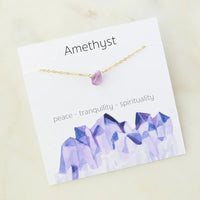
The piece they're describing → Stone Charm Necklace for Women — Raw Natural Gemstone Pendant
Personalize Yours


