


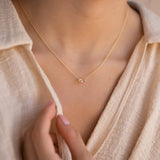
Birthstone jewelry holds more meaning than most pieces — it's personal and often gifted to mark milestones. The good news: caring for it is simple. The bad news: the wrong cleaning method can damage a stone permanently. This guide gives you the correct approach for every common birthstone so you can clean confidently without risk.
At AJLuxe, our birthstone necklaces use genuine semi-precious stones set in 925 sterling silver — not glass or synthetic substitutes.
General Cleaning Method (Safe for Most Birthstones)
This method works for the majority of birthstone necklaces and is the safest starting point before checking stone-specific instructions below.
- Fill a small bowl with lukewarm water (never hot — temperature changes can crack some stones). Add one small drop of mild dish soap or baby shampoo.
- Submerge the necklace for 2–3 minutes to loosen surface buildup.
- Use a soft toothbrush (a baby toothbrush is ideal) to gently scrub around the stone setting and the chain links. Pay attention to the back of the setting where skin oils accumulate.
- Rinse under cool running water. Cover the drain.
- Pat dry with a soft, lint-free cloth. Never rub vigorously. Leave to air dry on a clean cloth before storing — moisture trapped in settings causes tarnish.
Clean frequency: once a month for daily wear, or whenever you notice the stone looks dull or the chain has lost its shine.
Care by Birthstone Type
Not all gemstones are equally durable. Stone hardness (Mohs scale) determines how much care is needed. Softer stones need gentler handling.
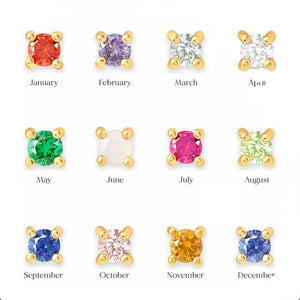
| Month | Stone | Hardness | Special Care Notes |
|---|---|---|---|
| January | Garnet | 6.5–7.5 | Standard cleaning. Avoid sudden temperature changes. |
| February | Amethyst | 7 | Can fade in prolonged sunlight. Store away from light. |
| March | Aquamarine | 7.5–8 | Standard cleaning. Durable for everyday wear. |
| April | Diamond / White sapphire | 10 / 9 | Hardest stones — standard cleaning, safe for ultrasonics. |
| May | Emerald | 7.5–8 | ⚠️ Avoid ultrasonics — emeralds are often treated with oils that ultrasonic cleaning removes. |
| June | Pearl / Alexandrite | 2.5–4.5 / 8.5 | ⚠️ Pearls: no soap, no ultrasonic, no steam. Damp cloth only. |
| July | Ruby | 9 | Very durable. Standard cleaning. Safe for ultrasonics if untreated. |
| August | Peridot | 6.5–7 | ⚠️ Avoid acids, sudden temperature changes, and ultrasonics. |
| September | Sapphire | 9 | Very durable. Standard cleaning. Highly resistant to scratching. |
| October | Opal / Pink tourmaline | 5.5–6.5 / 7–7.5 | ⚠️ Opal: very delicate. No ultrasonics, no steam, no soaking. Damp cloth only. |
| November | Topaz / Citrine | 8 / 7 | Standard cleaning. Topaz: avoid hard knocks — can chip along cleavage. |
| December | Turquoise / Blue topaz | 5–6 / 8 | ⚠️ Turquoise: no chemicals, no soaking — it's porous and will absorb soap. Dry cloth only. |
Products That Damage Birthstone Jewelry
Most birthstone damage comes from chemicals, not physical wear. These are the common culprits:
- Perfume and hairspray: Alcohol-based products dull stone surfaces and accelerate plating wear on gold-plated settings. Always put jewelry on last.
- Chlorine (swimming pools): Chlorine weakens gold alloys over time and can permanently damage softer stones. Remove jewelry before swimming.
- Bleach and household cleaners: These are the harshest chemical threat. Never clean jewelry with bleach, ammonia, or bathroom cleaners — even brief exposure causes permanent damage to gold plating and many stones.
- Ultrasonic cleaners: Safe for hard, untreated stones (diamond, ruby, sapphire). Dangerous for opal, pearl, emerald, turquoise, and any treated or filled stone. Check before using.
- Toothpaste: Often suggested as a home remedy — it's abrasive and will scratch both the stone surface and the metal.
How to Store Birthstone Jewelry
Storage causes more everyday damage than wearing. Jewelry thrown loose into a drawer or box gets scratched, tangled, and damaged by contact with harder pieces.
Keep pieces separate. Each necklace in its own soft pouch or lined compartment. Diamond and sapphire (hardness 9–10) will scratch amethyst and garnet (hardness 7) if stored touching each other.
Hang necklaces if possible. A small wall-mounted jewelry organiser or a necklace tree prevents chain tangles and keeps pendants from lying against each other.
Control humidity for opals and pearls. These stones need slight moisture in the air to prevent cracking. Storing them in an airtight container long-term dries them out. A normal room-temperature environment with regular air exposure is ideal.
Keep away from direct sunlight. Amethyst and kunzite fade with prolonged sun exposure. Store in a drawer or opaque pouch.
Caring for the Gold-Plated Setting
Most birthstone necklaces at the $30–$80 price point use 18K gold plated sterling silver settings. The stone care above is important — but plating care is what keeps the necklace looking gold rather than silver.
Gold plating wears from friction, chemicals, and moisture. To maximise plating life:
- Remove before showering, swimming, and exercise.
- Avoid direct contact with perfume, lotion, and sunscreen on the pendant and chain.
- Wipe dry after any moisture contact — sweat included.
- When the plating starts to wear through (usually 2–4 years of daily wear), a jeweller can re-plate the piece for $15–$30, restoring the original look.
Caring for Birthstone Rings
Rings take more physical abuse than any other jewelry type — hands touch nearly everything you do, so a birthstone ring needs a few habits necklaces don't. AJLuxe birthstone rings are set in 14K gold or 18K gold plated over 925 sterling silver, so the stone-hardness and plating-care guidance above still applies; the difference is what else to watch for.
- Take it off before hand contact with chemicals. Hand sanitizer, dish soap, lotion, and sunscreen touch a ring constantly and will dull a stone and wear plating faster than almost any other exposure. Remove rings before washing dishes, applying lotion, or using hand sanitizer.
- Remove before the gym and manual work. Weights, garden tools, and repetitive hand impact are the leading cause of bent prongs and chipped stones on rings — a risk necklaces don't share. Softer birthstones (opal, pearl, turquoise — see the hardness table above) chip especially easily against hard surfaces.
- Check the prongs every few months. Hold the ring up to a light and gently press the stone with a fingernail — if it shifts or feels loose, stop wearing it and have a jeweler re-tighten the setting before the stone works its way out. Rings loosen from everyday impact in a way pendants don't.
- Store rings flat or on a ring holder, not tangled loose in a jewelry box with necklaces or other rings. The same hardness rule from the storage section above applies doubly here: a diamond or sapphire ring stored touching a softer amethyst or opal ring will scratch it.
- If it needs resizing, tell the jeweler which stone it is. Resizing applies heat and pressure near the setting. Heat-sensitive stones — opal, pearl, emerald, and turquoise — need a jeweler experienced with gemstone rings, not a standard resize; ask before booking.
If you're choosing a birthstone ring for daily wear rather than caring for one you already own, our birthstone ring guide covers which stones hold up best to everyday use by month.
Frequently Asked Questions
Can I clean a birthstone necklace with water?
Yes — lukewarm water with a drop of mild soap is safe for most birthstones. The exceptions are opal, turquoise, and pearl — these are porous or delicate and should only be wiped with a slightly damp cloth, not submerged. For all other birthstones, the soap-and-water method is the safest and most effective home cleaning approach.
Can birthstone jewelry get wet?
Occasionally yes, but regular exposure to water, salt, and chlorine accelerates both stone dulling and gold plating wear. Remove birthstone jewelry before swimming, showering, and washing dishes. If it gets wet, dry immediately. Pearls and opals are particularly sensitive to sustained moisture.
How often should I clean a birthstone necklace?
Once a month for daily-wear pieces. More often if you exercise in it, wear it in warm weather, or apply products close to it. A 5-minute clean restores the stone's sparkle and removes the skin oil buildup that makes gold plating look dull over time.
Can I use an ultrasonic cleaner on a birthstone necklace?
Only if the stone is hard and untreated — diamonds, sapphires, and rubies are safe. Opal, pearl, turquoise, emerald, and peridot are not safe in ultrasonic cleaners. The vibrations can crack opal and pearl, and can remove the oils that fill natural inclusions in emeralds. When in doubt, the soft-brush soap method is always safe.
How do I store multiple birthstone necklaces?
Separately — each in its own soft pouch or lined box compartment. Hard stones (diamond, sapphire, ruby) scratch softer stones when stored together. Hang necklaces when possible to prevent chain tangling. Keep amethyst and other light-sensitive stones in a drawer or opaque pouch away from sunlight.
Does birthstone jewelry tarnish?
The stone itself doesn't tarnish, but the metal setting can. Gold plated settings develop a dull, slightly darker appearance as the plating wears. Sterling silver settings tarnish to a grey-black surface oxidation that polishes off easily. A silver polishing cloth restores sterling silver settings in minutes. Gold plating that's worn through to the base silver can be re-plated by a jeweller.
How do I care for a birthstone ring specifically?
The same cleaning method above works for rings, but remove it before hand sanitizer, lotion, dishwashing, and the gym — a ring's setting takes far more daily impact and chemical contact than a necklace's. Check the prongs every few months for looseness, and store it separately from harder-stone rings that could scratch it.
Final Thoughts
Birthstone jewelry lasts years with minimal effort. The general rule: soft brush, mild soap, lukewarm water, dry completely, store separately. Know your stone's hardness and avoid the chemicals that specifically damage it. A 10-minute monthly clean keeps your birthstone necklace looking the same at 5 years as it did on the day you received it. For general metal and gemstone cleaning methods across every jewelry type, see our complete jewelry cleaning guide. Browse our birthstone necklace collection for stones in every birth month, or see our infinity birthstone necklace guide if you're deciding between styles first.
Last updated: June 2026
All third-party trademarks, brand names and product names are the property of their respective owners. AJLuxe is not affiliated with, endorsed by, sponsored by, or otherwise connected to any third-party brand referenced in this article. Brand names are used solely for accurate comparative reference, and material descriptions reflect each brand's own published product specifications at the time of writing.
You Might Also Like
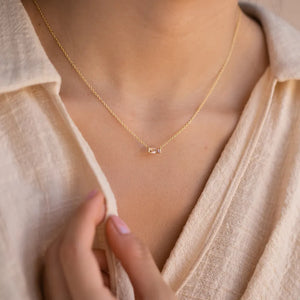
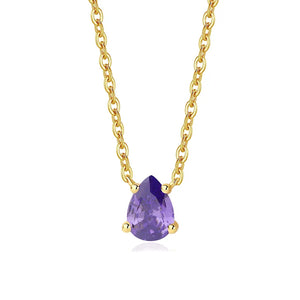

The piece they're describing → Birthstone Charm Necklace for Women — Baguette CZ Pendant, 18K Gold Plated
Personalize Yours


