


"Conch piercing jewelry" turns up a lot of hoops in gold and rose gold that look great in a product photo and say nothing about whether that hoop is actually safe for your ear on day one. It usually isn't. The conch is cartilage — thicker, slower-healing, and much less forgiving of the wrong hardware than a lobe — and the jewelry that works for a fresh piercing is a different category from the jewelry that works once it's closed. This guide separates the two clearly: what your piercer will put in on day one, what you can switch to and when, and how to size a conch hoop correctly if you go that route.
What a Conch Piercing Actually Is — Inner vs. Outer
The conch is the bowl-shaped cartilage in the center of your ear, named for its resemblance to a conch shell. It splits into two distinct piercings that get lumped together constantly but take different jewelry:
- Inner conch sits in the deep cup of the ear, closer to the ear canal. There's rarely enough flat space or depth for a hoop to sit correctly, so it's pierced — and usually stays — a flat-back stud.
- Outer conch sits on the flatter panel of cartilage further out, between the anti-helix and the rim. It has room for a hoop, which is why almost every "conch hoop" product photo you see is actually an outer conch.
If a listing just says "conch piercing jewelry" without specifying which, assume it's showing outer conch — and check the post length or hoop diameter against your own piercer's measurement before buying, since the two placements aren't interchangeable.
Stud vs. Hoop vs. Barbell for Conch
Three jewelry shapes come up for conch piercings, and only one of them is right for a new piercing:
| Style | Good for a fresh piercing? | Typical use |
|---|---|---|
| Flat-back stud (labret) | Yes — the standard | Both inner and outer conch, from day one through full healing |
| Hoop (seamless ring, hinged segment ring, or captive bead ring) | No — wait until fully healed | Outer conch only, once healing is complete (typically 9–12 months out) |
| Circular/curved barbell | Occasionally, piercer's call | Less common for conch than for rook or industrial; some piercers use it for outer conch initially instead of a stud |
The reason hoops are off the table early has nothing to do with looks and everything to do with mechanics: a curved shape shifts and rotates against healing tissue every time it catches on a hood, pillow, or hair tie. Cartilage has almost no blood supply of its own — it heals by diffusion from the tissue around it — so repeated small movements reset healing rather than just being uncomfortable. A flat-back stud has no clutch or curve to catch on anything; it sits flush and stays put.

The Metal Matters More Than the Style
For a new conch piercing, the APP's jewelry standards for initial piercings name three acceptable materials: implant-grade titanium (ASTM F136 or ISO 5832-3 compliant), niobium, and solid 14K-or-higher gold that's nickel- and cadmium-free. Notably absent from that list: gold-plated, gold-filled, gold vermeil, and sterling silver — all of which are fine for finished jewelry you already own, but not what a reputable piercer will use to pierce you, and not what you should buy to self-pierce or downsize with in the first year.
Two practical reasons this matters more for conch than for a lobe: cartilage heals slower (months, not weeks), so any low-grade metal has far longer to provoke irritation or a contact allergy before the piercing closes around it; and cartilage sits closer to the surface with less soft tissue cushioning it, so a reaction shows up as a harder, more stubborn bump than the kind you'd get in an earlobe.
Sizing a Conch Hoop, Once You're Healed
Outer conch hoops are typically sized larger than lobe hoops because they need to clear the thickness of the cartilage rather than just a thin fold of lobe skin. As a general range:
- 10mm — the practical minimum for most outer conch anatomy; anything smaller often won't close around the tissue comfortably
- 12mm — a common mid-range size once fully healed
- 14mm — for larger anatomy or a more visible, statement look
Post gauge follows a separate standard from the hoop's outer diameter: most conch piercings are pierced at 16 gauge (1.2mm) or 14 gauge (1.6mm), with your piercer choosing based on your anatomy and their equipment. If you're buying a hoop after healing, check both numbers — the diameter needs to clear your cartilage, and the post/wire thickness needs to match what you were pierced at, or it may fit loosely or not at all.
Healing Timeline
Conch piercings take 6–12 months to heal fully, sometimes longer with inconsistent aftercare or if you sleep on the ear — cartilage's poor blood supply is the reason it's several times slower than a lobe's 6–8 weeks. Your piercer will start you on a flat-back with a longer post (often 8–10mm) to leave room for initial swelling, then downsize the post once that swelling resolves — usually a few weeks in, not something to do yourself. Most piercers and piercing associations recommend waiting a full 9–12 months of feeling completely normal — no tenderness, no discharge, no redness if bumped — before introducing a hoop, since cartilage can look healed on the surface while the tissue underneath is still fragile.
Piercing elsewhere on the ear? See our daith piercing jewelry guide and rook piercing jewelry guide for the same honest breakdown on those placements.
An Honest Note on Buying From Us
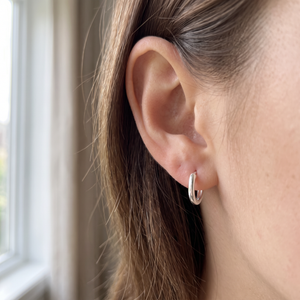
We don't currently carry implant-grade titanium or niobium body jewelry, which is what you need for the piercing itself and for the healing window that follows it — for that, go to a licensed piercer or a body-jewelry specialist who can match your exact gauge and post length. What we do carry is 925 sterling silver and 18K gold-plated small hoop earrings, sized 6mm/8mm/10mm, which some people wear as a styling swap in a fully healed outer conch once their piercer has cleared them for regular fashion jewelry — not as initial or healing hardware, and not something we'd tell you to buy before that point. If you're not sure whether your piercing has healed enough to make that switch, ask your piercer before you ask a jewelry site. For a different cartilage placement, see our guide to hypoallergenic tragus earrings.
Conch Piercing Jewelry: Common Questions
- Can I get my conch pierced with a hoop instead of a stud?
- Most piercers won't start you with a hoop. A hinged or curved shape moves against the healing tissue every time it catches on something, which slows healing and raises the risk of irritation bumps — a flat-back stud is the standard starting jewelry for both inner and outer conch.
- Does a conch piercing hurt more than a helix?
- Most people rate conch as moderately more painful than helix, since the conch sits on thicker, denser cartilage. Pain tolerance varies a lot person to person, so treat any single number as a rough guide, not a guarantee.
- How do I know if my outer conch can take a hoop?
- Ask your piercer once you're fully healed — they can tell from the piercing's placement and your ear's anatomy whether a hoop will sit flat without pressing into surrounding cartilage. Not every outer conch has the flat space a hoop needs.
- Can I wear two piercings in the same conch — one stud, one hoop?
- Yes, a double conch piercing (one inner, one outer, or two on the outer shelf) is common once both are healed, and mixing a stud and a hoop is a popular way to style it. Space any new piercings out and let each heal on its own timeline.
- Is sterling silver safe for a healed conch piercing?
- For finished, fully healed jewelry that you're not sleeping in constantly, many people wear sterling silver without issue, though it's not the material professional piercers use for the piercing itself. If your ear reacts to silver elsewhere, treat your conch the same way and stick to titanium or solid gold.
- Why does my conch piercing look healed but still feel weird months later?
- Cartilage can look settled on the outside while the tissue underneath is still remodeling — it's normal for mild tenderness to linger well past the point where the surface looks done. If you notice increasing redness, warmth, swelling, or discharge rather than just occasional tenderness, that's a sign to check in with your piercer, not just wait it out.
This guide covers general piercing-industry standards and jewelry sizing conventions. It isn't medical advice — for anything specific to your piercing, healing, or anatomy, talk to a licensed professional piercer.
Deciding between conch and another placement? Our ear piercing chart maps every zone on the ear side by side.
All third-party trademarks, brand names and product names are the property of their respective owners. AJLuxe is not affiliated with, endorsed by, sponsored by, or otherwise connected to any third-party brand referenced in this article. Brand names are used solely for accurate comparative reference, and material descriptions reflect each brand's own published product specifications at the time of writing.
You Might Also Like
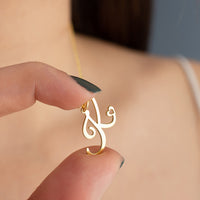
The piece they're describing → Heart Initial Necklace for Women — 18K Gold Plated, Personalized Letter + Heart Pendant
Personalize Yours


