


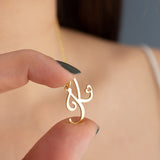
A necklace is the most visible piece of jewelry you own. It sits at eye level. It frames your face and draws attention to your neckline. Get the length right and it transforms an outfit. Get it wrong and even the most beautiful pendant disappears — or crowds everything else.
At AJLuxe, all our pieces are made from 925 sterling silver — we have the 925 hallmark stamped on every clasp and setting so you always know the metal content.
This guide is the complete reference for necklace decisions: every type, every chain length and what it does, how to layer without clashing, which necklace suits which neckline, what birthstone necklaces mean, and how to care for what you own. Every section links to our in-depth guide on that specific topic.
Every Necklace Type Explained
Understanding necklace types lets you shop with precision instead of browsing endlessly. Our complete types of necklaces guide covers every style in detail. The overview:
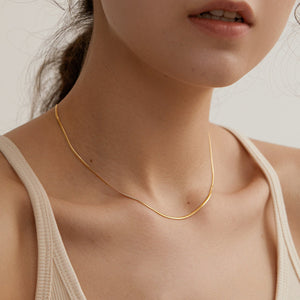
Chains are the foundation — a necklace with no pendant, worn alone or as a base for layering. Link styles (cable, rope, box, figaro, herringbone) vary in texture and visual weight. A delicate 16–18" chain in gold or silver is the most versatile necklace you can own.
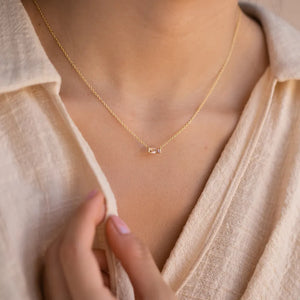
Pendant necklaces feature a single focal piece on a chain. The pendant-to-chain ratio matters: a small delicate pendant on a thin chain reads as minimal; a large pendant on a heavier chain reads as statement. Most birthstone and personalized necklaces are pendant style.
Chokers sit at 14–16 inches — right at or just above the collarbone. They shorten the visual length of the neck, which is a consideration for shorter necks, and add a fashion-forward edge to any look. Velvet chokers are casual; thin metal chokers are versatile.
Lariats and Y-necklaces create a downward visual line that elongates the torso. The pendant or loop hangs below the bustline. They're particularly flattering with V-neck and wrap necklines because they echo the shape.
Collar necklaces sit high and close to the neck — 12–14 inches. They're statement pieces designed to be worn alone. They pair best with off-shoulder, boat neck, and plunging necklines where the necklace becomes part of the outfit structure.
Opera and rope lengths (28–36 inches) sit at the mid-chest to waist. They can be worn single at full length or doubled for a layered look. Long lengths work best with open necklines and add drama without requiring a pendant.
Layered necklaces are two or more chains worn simultaneously at different lengths, creating a graduated effect. The 2-inch rule applies: each chain should be at least 2 inches longer than the one above it to avoid tangling and visual crowding. See the full guide to layering gold necklaces for specific length combinations that work.
Chain Lengths — What Each One Does
Chain length is the most underrated necklace decision. The same pendant at 16 inches looks completely different at 20 inches. Our complete necklace length guide has the full chart with body type guidance, but the core reference:
| Length | Sits At | Best For | Avoid With |
|---|---|---|---|
| 14" (collar) | High on neck | Off-shoulder, plunging necklines | Crew neck, turtleneck |
| 16" (choker) | Collarbone | Most necklines; the most versatile length | Crew necks (too close) |
| 18" (princess) | Below collarbone | Universal — works with every neckline | Nothing; 18" is the go-to default |
| 20" (matinee) | Mid-chest | V-necks, business attire, base for layering | Crew necks with small pendants |
| 24" (opera) | Below bust | Open necklines, casual layering, can be doubled | High necklines |
| 30–36" (rope) | Waist | Dramatic statement, can be doubled or knotted | Busy patterns (compete for attention) |
Body proportions adjust these recommendations: shorter torsos benefit from longer chains; longer torsos can wear any length. For a complete body-type guide and gifting sizing notes, read the necklace length guide.

How to Layer Necklaces Without Tangling or Clashing
Layering is the most common necklace styling challenge — and the most common mistake. Our guide to layering gold necklaces covers every combination in detail. The three rules that matter most:
2-inch spacing minimum. Each chain should be at least 2 inches longer than the one above it. 16" + 18" + 20" is the classic starter combination. Less than 2 inches and chains tangle, overlap, and read as clutter rather than layers.
Vary chain weight, not just length. Three thin chains at different lengths is less interesting than a thin chain, a medium chain, and a pendant chain — the varying visual weight creates depth. One of the three should have a pendant or focal element.
Stay in one metal family for easy layering. All gold, all silver, or all rose gold always works. Mixed metals work too — but requires more deliberate selection. A thin gold chain, a medium silver chain, and a rose gold pendant chain all at different lengths is a statement; the same combination in equal widths and similar lengths reads as accidental.
Which Necklace Works with Which Neckline
The neckline of your outfit determines which necklace chain length and style works. Our complete jewelry for necklines guide covers every neckline with specific recommendations. The quick reference:
V-neck: Follow the V. A pendant or Y-necklace that echoes the V-shape elongates the neckline. A 16–18" chain with a small pendant is the minimum. Avoid chokers (they cut against the V).
Crew neck / round neck: A long pendant (20"+) drops below the neckline into open visual space. A short chain disappears into the fabric. Go long, or go bold with a statement piece that sits above the neckline.
Off-shoulder / strapless: Your collarbone is the focus — a 14–16" collar or choker necklace sits right at the sweet spot. Statement collar necklaces were made for this neckline.
Scoop neck: Similar to crew neck but with more room. A 16–18" pendant that sits just inside the scoop works perfectly. Avoid chains that sit above the neckline edge — they get visually busy.
Turtleneck: Long chains only (24"+), worn over the turtleneck fabric. The necklace becomes a contrast element against the solid block of color.
Plunging V / deep V: Lariat or Y-necklace that follows the plunge line, or a dramatic collar that stays above it. Nothing in between — mid-chest pendants crowd the plunge and create visual confusion.
Meaningful Necklaces — Birthstones, Gemstones and Symbolism
The most worn necklaces are meaningful ones. A necklace someone reaches for every day is always one that carries significance — a birthstone, a gemstone with personal resonance, or a design that marks a milestone.
Birthstone necklaces are the most personal gift in the jewelry category. Every birth month has an associated stone — each with its own color, properties, and centuries of symbolism. A birthstone necklace tells the wearer: "I chose something specifically for you." For gifting guidance, stone descriptions, and how to personalize, read our birthstone necklace for mom guide — the same principles apply to any recipient. Explore our full birthstone necklace collection.
Graduation necklaces mark a specific achievement and are worn as a reminder of it. Meaningful metals (gold for achievement), initials, and graduation-year engravings make these pieces permanent. Our graduation necklace guide covers the best styles, what to engrave, and how to match the necklace to the graduate's aesthetic.
Moonstone necklaces carry some of the richest symbolism in gemstone jewelry — intuition, feminine energy, new beginnings, and a connection to lunar cycles that spans Hindu, Roman, and Greek mythology. The stone's adularescence (the blue-white floating glow) makes it visually unlike anything else. Read our moonstone meaning guide for the full symbolism, chakra connections, and gifting guidance.
Pearl necklaces have been the symbol of elegance, purity, and feminine power for over 4,000 years. They're the only gemstone formed by a living creature — which is part of what makes them feel alive rather than mineral. Pearl color carries distinct meaning: white for purity and new beginnings, black for protection and mystery, pink for love. Read our pearl necklace meaning guide for color meanings, pearl types (Akoya/freshwater/South Sea/Tahitian), gifting occasions, and how to spot real vs. fake pearls.

Necklace Metals and Care — What Lasts, What Doesn't
The same care principles that apply to all jewelry apply specifically to necklaces — with one addition: chain links are the vulnerability point. A pendant can be robust while the chain it hangs on is delicate and prone to kinking, stretching, or breaking under repeated stress.
Sterling silver necklaces tarnish — that's chemistry, not poor quality. The silver reacts with sulfur compounds in the air and on skin to form silver sulfide (the dark grey-black coating). Regular wear actually slows tarnish because skin contact polishes the surface. Store silver necklaces in airtight bags when not wearing them to minimize oxidation.
Gold-plated necklaces wear at the chain before the pendant because chains flex constantly. The plating at flex points thins fastest. For longevity: take the necklace off before showering, swimming, and exercising. Avoid perfume and lotion directly on the chain. Replating costs $15–30 and restores to new.
Chain kinking is the most common damage for thin chains. Never pull a necklace off over your head — always unclasp it. Store each necklace hanging or flat in a separate compartment (tangled storage causes kinks and stretching).
Clasp care: The lobster claw clasp is the most common and most durable. Spring ring clasps (the smaller circular type) are less durable and can fail with repeated stress on thin, lightweight chains. If a spring ring fails, most jewelers can replace it with a lobster claw for a few dollars.
For complete care instructions by metal type — including how to clean tarnished silver, how to care for gold-plated pieces, and gemstone-specific rules — read our how to clean jewelry at home guide.
If you're shopping for gold necklaces on a budget, our best gold necklaces under $50 guide covers the top picks in 18K gold plated 925 sterling silver — including which styles last longest at this price point.
Pearl necklaces require specific care and quality knowledge before buying. Our freshwater pearl necklace guide explains the difference between freshwater and saltwater pearls, how to evaluate luster and surface quality, and which strand lengths suit different necklines.
Heart necklaces are one of the most popular jewelry gifts for a reason. Our dainty heart necklace gift guide covers the best styles by recipient and budget, plus which chain lengths and pendant sizes work best as a first jewelry gift.
Related reading: Push present ideas.
Related reading: How to style a cross necklace.
Before you commit to a subscription model, see our take on whether jewelry subscription boxes are worth it.
One necklace style with its own deep backstory: read the history of the locket.
Necklaces carried meaning long before Instagram made it a trend: see the real history of mourning jewelry.
Frequently Asked Questions About Necklaces
What is the most popular necklace length?
18 inches (princess length) — it sits just below the collarbone, works with almost every neckline, and is the default for most pendant necklaces. When in doubt for gifting, 18 inches is almost always right.
How do I layer necklaces without tangling?
The 2-inch rule: each chain at least 2 inches longer than the one above it. 16" + 18" + 20" is the classic starter combination. Vary chain weight and style at each layer — one plain, one textured, one with a pendant — so they read as distinct layers. Full guidance in the layering guide.
What necklace length suits a crew neck?
Long pendant necklaces (20"+) only. Short chains at 16–18" disappear into or crowd the neckline. A pendant that drops well below the fabric creates a clean focal point in open visual space.
What is the best necklace to give as a gift?
A birthstone necklace — it's personal, meaningful, and the recipient has a clear reason to wear it. For milestones: pearl or moonstone. For achievement: personalized pendant with initial or year. Full gifting guidance in the birthstone necklace guide.
What does a pearl necklace symbolize?
Elegance, purity, wisdom through experience, and feminine strength — across 4,000 years and multiple cultures. Pearl color refines the meaning: white (purity), black (protection), pink (love). Read the full pearl necklace meaning guide.
How do I stop my necklace from tarnishing?
Sterling silver: store in an airtight bag when not wearing. Gold-plated: keep dry and away from perfume and lotion. All metals: remove before showering, swimming, and exercising. Regular wear actually slows tarnish on silver.
What's the difference between gold-plated and gold-filled?
Gold-filled has a much thicker gold layer (at least 5% of total weight by law) that lasts years of daily wear without replating. Gold-plated has a thinner layer that wears at chain flex points over time. Gold-filled is significantly more durable for daily-wear necklaces.
Can I wear a necklace in the shower?
Solid gold handles it. Sterling silver tarnishes faster with water exposure. Gold-plated should be kept dry — water accelerates plating wear at chain flex points. Taking any necklace off before showering extends its life regardless of material.
Final Thoughts
A necklace worn every day becomes part of how people see you. The one you reach for without thinking — because the length is right, the weight is comfortable, and the meaning is real — is the one worth owning. Everything else is a decision.
The best necklace purchases start with purpose: occasion, neckline, gifting intention, or meaning. Know the purpose, then find the piece that serves it. The guides linked throughout this article give you everything you need for each specific decision.
Explore the full AJLuxe necklace range: all necklaces | birthstone necklaces.
Written by the AJLuxe team. Last updated: May 2026.
All third-party trademarks, brand names and product names are the property of their respective owners. AJLuxe is not affiliated with, endorsed by, sponsored by, or otherwise connected to any third-party brand referenced in this article. Brand names are used solely for accurate comparative reference, and material descriptions reflect each brand's own published product specifications at the time of writing.
You Might Also Like
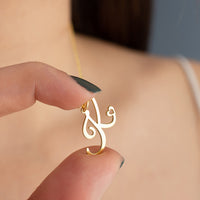
The piece they're describing → Heart Initial Necklace for Women — 18K Gold Plated, Personalized Letter + Heart Pendant
Personalize Yours


