


- Use a plain, mild dish soap. No bleach, no ammonia, no heavy fragrance or added moisturizers.
- Ratio: 2 to 3 drops in about 1 cup of warm (not hot) water.
- Solid sterling silver, CZ and hard stones: soak 10 to 15 minutes, brush gently, rinse, pat dry.
- Plated pieces: do not soak. Wipe with a barely damp cloth and one drop of soap, then dry at once.
- Pearls, opals, emeralds, glued stones: a quick wipe at most, never a soak.
- Never: toothpaste, harsh scrubbing, rinsing over an open drain.
Dish soap is made to lift grease from plates, and skin oil, lotion and hairspray are the same kind of film on a ring or chain. That is why it works so well. This page is about when that is safe and when it is not. It does not repeat the full cleaning routines: for those, see our guides to cleaning jewelry at home, gold plated jewelry, sterling silver, cubic zirconia and costume jewelry. If you want a kitchen-cupboard alternative, there is a separate page on cleaning jewelry with baking soda.
What Counts as a Mild Dish Soap for Jewelry?
A mild dish soap is a plain liquid soap without bleach, ammonia, abrasive grit, strong fragrance or added moisturizers. Fragrance and moisturizers leave their own film behind, which is the opposite of what you want on a stone you are trying to make clear. Our own advice is also to avoid "antibacterial" and heavy degreaser formulas, since they add strong chemicals the job does not need. Check the label: if it says it contains bleach or an ammonia-based cleaner, put it back.
A leading gemological institute lists abrasive household cleaners and steam cleaners among the things to avoid and recommends warm water, mild soap and a soft toothbrush for diamond jewelry. For emeralds it calls warm, soapy water with gentle scrubbing the safest method.
Which Metals and Stones Are Safe in Dish Soap?
Solid precious metals and hard, untreated stones are safe. Plated, glued, porous or treated pieces need more care. Here is the quick map.
| Piece | Dish soap and water? | How |
|---|---|---|
| Solid gold, platinum | Yes | 10 to 15 minute soak, soft brush |
| Solid sterling silver | Yes | Removes oils, not tarnish (see below) |
| Cubic zirconia and diamonds | Yes | Soak, then brush behind the stone |
| Stainless steel (316L) | Yes, if not plated | Soak and rinse; plated steel follows the plated rule |
| Gold plated or rhodium plated | Cloth only | Barely damp cloth, one drop, dry at once |
| Pearls | Wipe only | Soft damp cloth, never a soak |
| Opal, turquoise, other porous stones | Wipe only | They absorb liquid and can change |
| Glued stones, enamel | Wipe only | Water can loosen adhesive over time |
This table is general guidance and not a gemological test, and when you are unsure about an heirloom or an unfamiliar stone, ask a jeweler before you soak it.
Which Jewelry Should You Not Put in Dish Soap?
Skip the soak for pearls, porous or glued stones and anything with a thin plated finish. Pearls are organic and the strand's silk can stretch when wet, so a soft damp cloth is the limit. Opal and turquoise are porous, and a soak can change how they look. Stones set with adhesive rather than prongs can loosen if they sit in water. Plated jewelry is the one most people get wrong: the gold layer on gold plated pieces is very thin, so friction and long soaking wear it down faster than the clean gains you.
That last point is the reason we steer our own plated pieces to a cloth. The Initial Tag Necklace product page describes its 18K plating over a 925 sterling silver chain as lasting about 1 to 3 years of daily wear with good care, and tells you to avoid abrasives and ultrasonic cleaners. Our guide on how gold plating actually works explains why.
The Ratio, Soak Time, Rinse and Dry
The method is 2 to 3 drops of mild dish soap in about 1 cup of warm water, a 10 to 15 minute soak for solid pieces, a gentle soft brush, a rinse in clean water and a full dry. That matches the routine in our home cleaning guide.
- Mix. Use a small bowl, not the sink. Water should feel pleasantly warm, not hot, since heat can harm some stones and loosen glue.
- Soak solid pieces for 10 to 15 minutes. This loosens lotion and oils so you do not have to scrub.
- Brush softly. Use a baby toothbrush behind stones, around prongs and between chain links. Short strokes, no pressure.
- Rinse in a glass or bowl of clean water. Rinsing in a bowl rather than under a running tap means a small piece cannot slip down the drain.
- Dry completely. Pat with a lint-free cloth and let it air dry before storing. Moisture left in a chain or setting is what leads to dull spots later.
For gold plated pieces, replace step 2 with a cloth: damp, wrung out, one tiny drop of soap, wipe, then wipe again with a clean damp cloth and dry immediately. No bath.
What This Means for AJLuxe Pieces
Each AJLuxe piece falls into a different group, so check the material on its product page before you choose a method.
| Piece | Material per product page | Our suggestion |
|---|---|---|
| Heart Initial Necklace | 18K gold plating over 316L stainless steel | Cloth with one drop, dry at once |
| Initial Tag Necklace | 18K gold plating over a 925 sterling silver chain | Soft dry cloth, or the damp cloth method; no abrasives |
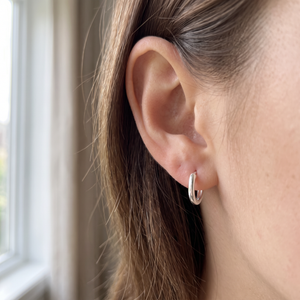
| CZ Stud Earrings | 925 sterling silver post, rhodium plating, prong-set cubic zirconia | Short soapy dip, soft brush at the prongs, rinse, dry |
Rhodium plating is also a thin layer, so keep the CZ studs to a short dip rather than a long soak, and check every few months that no prong has bent away from the stone. Everything here applies to jewelry that is clean enough to need only a surface wash. If a piece has dark tarnish, soap will not remove it: our silver tarnish removal guide covers that, and for sterling basics see how to clean sterling silver jewelry.
If you want a plated piece that is simple to look after, browse our gold necklaces and earrings. Heart Initial is personalized, so check the letter before you order, because personalized pieces are final sale.
What to Avoid When Cleaning Jewelry
Avoid toothpaste, bleach, ammonia, harsh scrubbing and hot water. Toothpaste is a mild abrasive and scratches soft metals and stones, plated surfaces first. Bleach and ammonia are harsh on settings and plating, and our other care guides rule them out too. A leading gemological institute names abrasive household cleaners and steam cleaners as things to avoid for diamonds, and warns that treated diamonds can be damaged by ultrasonic cleaners. Hard scrubbing is the one most people do without thinking, and it wears plating away at the highest points first.
Also avoid cleaning over an open drain, soaking pieces for hours, and mixing soap with other cleaners. For the ultrasonic question in depth, see our guide to using an ultrasonic cleaner on jewelry.
How Often Should You Clean Jewelry With Soap?
For rings and anything you wear daily, once or twice a month is plenty, and a wipe with a soft dry cloth after each wear does most of the work. Plated jewelry should be washed less, since each wet clean is also some wear. Put on lotion, perfume and hairspray first and jewelry last, which saves more cleaning than any soap.
Frequently Asked Questions
Can I use dish soap to wash jewelry?
Yes, a mild dish soap in warm water is safe for most jewelry, including solid gold, sterling silver, diamonds and cubic zirconia. Treat pearls, porous stones, glued stones and plated pieces more gently, with a damp cloth instead of a soak.
What is considered a mild soap for cleaning jewelry?
A mild soap is a plain liquid soap without bleach, ammonia, abrasives, heavy fragrance or added moisturizers. If the label promises to cut through baked-on grease or mentions bleach, it is stronger than jewelry needs.
Can I use a popular household dish detergent to clean my jewelry?
Any plain, mild dish soap works, and you do not need a particular product. Choose one without bleach or heavy extras, use 2 to 3 drops per cup of warm water, and rinse well so no film is left on the metal.
What do jewelers recommend to clean jewelry?
A leading gemological institute recommends warm water, mild soap and a soft toothbrush for home cleaning, plus a professional clean from time to time. It advises against steam cleaners and notes that treated diamonds can be damaged by ultrasonic cleaners.
What can I use as a substitute for jewelry cleaner?
Mild dish soap in warm water is the most widely recommended substitute for a store-bought jewelry cleaner. Baking soda has its own uses and limits, covered in our baking soda cleaning guide, and it should not be used on plating.
Is it safe to clean gold plated jewelry with dish soap?
Yes, with a light touch: one tiny drop on a barely damp cloth, a gentle wipe and an immediate dry. Do not soak, scrub or use a brush on the plated surface. See our gold plated cleaning guide.
How long can jewelry soak in soapy water?
Solid pieces without delicate stones can soak for 10 to 15 minutes. Plated, glued and porous pieces should not soak at all.
Does dish soap remove tarnish from silver?
No, soap removes oils and film but not tarnish, which is a chemical layer on the metal. Start with soap, and if dark tarnish remains, use a method from our silver tarnish removal guide.
Sources
A leading gemological institute, diamond care guidance (mild soap, soft toothbrush, avoid abrasive household cleaners and steam cleaners, treated diamonds and ultrasonic cleaners) and emerald care and cleaning guidance (warm soapy water as the safest method), both read on 2026-10-03. Product details come from ajluxe.com product pages.
Written by AJLuxe Team. Last updated: October 2026
All third-party trademarks, brand names and product names are the property of their respective owners. AJLuxe is not affiliated with, endorsed by, sponsored by, or otherwise connected to any third-party brand referenced in this article. Brand names are used solely for accurate comparative reference, and material descriptions reflect each brand's own published product specifications at the time of writing.
You Might Also Like
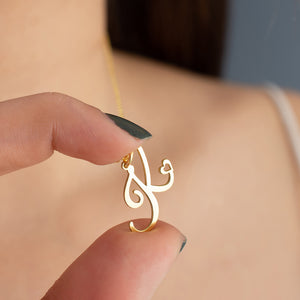
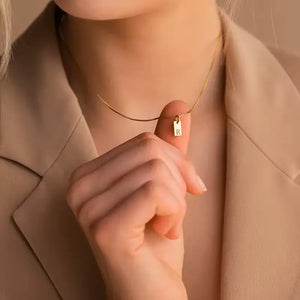
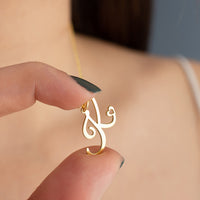
The piece they're describing → Heart Initial Necklace for Women — 18K Gold Plated, Personalized Letter + Heart Pendant
Personalize Yours


