


Can Citrine Go in Water? The Short Answer
Yes — citrine can go in water for brief periods. As a member of the quartz family with a Mohs hardness of 7, citrine is durable enough to handle a quick rinse without immediate damage. However, there are important caveats around prolonged soaking, salt water, and sun exposure that every citrine owner should know.
The Mohs scale uses 7 as the common water-safety threshold because most crystals at this hardness resist surface etching from water contact better than softer stones. Citrine's silicon dioxide (SiO₂) crystalline structure is water-stable for short exposures. The key word, as always, is brief.
Water Safety Chart for Citrine
| Water Type | Safe? | Notes |
|---|---|---|
| Tap water (brief rinse) | ✓ Yes | Under 30 seconds; pat dry immediately |
| Running water | ✓ Yes (brief) | 30 seconds to 1 minute max |
| Moon water | ✓ Brief / indirect | Brief placement acceptable; indirect method preferred |
| Crystal elixirs | ⚠️ Indirect preferred | Crystal beside bottle rather than submerged is safer practice |
| Salt water | ❌ No | Salt abrades the surface and dulls shine over time |
| Hot water / steam | ❌ No | Thermal shock risk; can cause micro-fractures |
| Prolonged soaking (30+ min) | ❌ No | Can cause tiny cracks and dull the surface finish |
| Pool / ocean water | ❌ No | Chlorine and salt both harmful; remove jewelry before swimming |
Natural vs Heat-Treated Citrine — Does It Affect Water Safety?
Here's something most water safety guides don't mention: most commercial citrine sold today is actually heat-treated amethyst. When amethyst (purple quartz) is heated to 470–750°C, the iron compounds that create the purple color transform into a yellow-orange hue — the warm golden color sold as "citrine." This is standard practice in the gem industry.
What does this mean for water safety?
- Both natural and heat-treated citrine are Mohs 7 — the heating process doesn't change the hardness or crystalline structure. Water safety is identical for both.
- The fading risk is real for heat-treated citrine — prolonged UV and heat exposure can reverse the color transformation over time, gradually shifting the stone back toward a paler yellow or even colorless. This is a sunlight risk, not a water risk — but it's relevant when you consider drying methods.
- Natural citrine (paler yellow) is formed naturally with trace iron minerals and is actually more UV-stable than heat-treated specimens.
Bottom line: whether your citrine is natural or heat-treated, the water rules are the same. Brief rinse: fine. Prolonged soaking: no. The sunlight caution is a separate concern covered below.
Why Citrine Doesn't Actually Need Water Cleansing
Here's a fun fact that separates citrine from most other crystals: citrine is widely considered to be self-cleansing. In crystal lore, citrine is said to not hold negative energy — it doesn't accumulate the energetic "residue" that other stones are thought to absorb. This places it in the same category as selenite and kyanite as crystals that don't require regular energetic cleansing.
Practical implications:
- Water cleansing is useful for physical dirt, fingerprints, or dust — not energetic reasons
- You don't need to cleanse citrine after every use
- Citrine is actually sometimes used to cleanse other crystals by proximity
So if you're reaching for water specifically to energetically cleanse your citrine — you likely don't need to. A quick visual inspection and wipe with a dry cloth may be all that's needed.
Sunlight and Citrine — The Real Caution
The most important care warning for citrine isn't about water — it's about sunlight. This is especially relevant to water care because of the temptation to leave a wet stone to dry in the sun.
Never leave citrine in direct sunlight to dry after rinsing. Here's why:
- Heat-treated citrine (most commercial citrine) contains iron compounds that are sensitive to prolonged UV exposure
- Extended sun exposure — particularly hours in direct sunlight — can cause the golden-yellow color to fade toward pale yellow or colorless
- The fading is usually gradual and irreversible
Brief morning sun (10–15 minutes) is actually beneficial for citrine — it's considered the stone's natural energizing element in crystal lore, and short sun exposure won't cause fading. The concern is prolonged daily sun exposure over weeks and months.
After rinsing citrine with water, pat dry with a soft cloth and leave in a shaded area to finish air-drying. Never place on a sunny windowsill to dry.
Best Cleansing Methods for Citrine
Given that citrine is self-cleansing and doesn't love prolonged water exposure, here are the best methods ranked by effectiveness and safety:
- Brief morning sunlight (10–15 min): Citrine's natural energizing element. Safe for brief exposure — do not leave out for hours in direct sun.
- Selenite plate: Place citrine on a selenite charging plate overnight. Selenite cleanses and charges without any physical risk to citrine.
- Sound bath: Use a singing bowl, bell, or tuning fork to cleanse with sound vibration. Zero physical contact, zero risk.
- Brief water rinse: For physical cleaning (removing dust, oils), a 20–30 second rinse under cool running water, followed by immediate drying, works well.
- Full moon light: Leave on a windowsill overnight under any moon phase. Gentle and effective for energetic cleansing.
- Dry cloth wipe: For surface maintenance between deeper cleanses, a soft microfiber cloth is often sufficient given citrine's self-cleansing properties.
Can You Put Citrine in Your Water Bottle?
Crystal-infused water bottles are popular, and citrine (a "prosperity" and "positive energy" stone) is frequently requested for water elixirs. Here's the practical guidance:
- Direct submersion in drinking water: Not recommended. Even though citrine is non-toxic (it's silicon dioxide), the risk of prolonged water exposure dulling or cracking the stone isn't worth it — especially if the stone is heat-treated and potentially more fragile.
- Indirect method: Use a crystal water bottle designed with a separate chamber where the crystal sits beside the water but doesn't touch it. This is the safest approach for the crystal and the user.
- Polished vs raw: Raw citrine has more surface irregularities and is more vulnerable to water damage than a polished tumbled stone.
How to Safely Clean Citrine Jewelry
If your citrine is set in jewelry (a necklace, ring, or bracelet), a few additional considerations apply:
- Remove before swimming — pool chlorine and ocean salt damage the stone and the metal setting.
- Remove before showering — daily soap and water exposure builds up over time and can dull both the stone and the metal.
- Clean with a soft damp cloth — wipe the stone and setting gently, then dry immediately.
- Avoid ultrasonic cleaners — the vibration can fracture citrine, especially if the stone has natural inclusions.
- Avoid steam cleaning — heat and steam can fade heat-treated specimens and stress the setting.
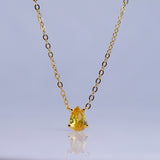
At AJLuxe, our birthstone necklaces featuring citrine and other November stones are crafted for everyday wear. Removing jewelry before swimming or bathing always extends its life significantly. Explore our birthstone necklace collection.
Frequently Asked Questions
Can citrine go in water?
Yes — citrine (Mohs 7) can briefly go in water. A quick rinse under cool running water for 20–30 seconds is safe if the stone is dried immediately. Avoid prolonged soaking, salt water, and hot water.
Can citrine go in salt water?
No. Salt water should be avoided for citrine. Salt is mildly abrasive and can dull citrine's polished surface with repeated exposure. Never soak citrine in a salt water solution or salt bowl cleanse.
Can citrine go in moon water?
Yes — briefly, or use the indirect method. Citrine can be placed in moon water for a short period (under a minute). For charging moon water, place the crystal beside the jar rather than inside it to avoid prolonged water exposure.
Can citrine go in the sun?
Brief morning sun (10–15 minutes) is safe and actually beneficial for citrine. However, prolonged daily sun exposure over time can fade the color of heat-treated citrine. Never leave it on a sunny windowsill for hours.
Does citrine fade in sunlight?
Yes, over time with prolonged exposure. Most commercial citrine is heat-treated amethyst — the iron compounds that create the golden color can gradually revert under extended UV exposure. Brief sun exposure is fine; hours of direct sunlight regularly is not.
How do I cleanse citrine?
The simplest answer: citrine is considered self-cleansing, so it rarely needs energetic cleansing. For physical cleaning, a brief water rinse works. For energetic purposes, brief morning sunlight, a selenite plate, or a sound bath are all effective.
Is citrine self-cleansing?
Yes — in crystal lore, citrine is considered one of the few self-cleansing crystals that doesn't hold negative energy. It's often placed with other stones to help cleanse them. This means you don't need to cleanse it as regularly as other crystals.
Can natural citrine go in water?
Yes — natural citrine follows the same rules as heat-treated citrine. Both are Mohs 7 and water-stable for brief exposures. Natural citrine may actually be slightly more color-stable under UV than heat-treated specimens.
Can heat-treated citrine go in water?
Yes — heat-treated citrine (the most common commercial type) can go in water briefly. The heating process doesn't change its hardness or water resistance. The concern with heat-treated citrine is prolonged UV/sun exposure fading the color — not water exposure.
Can I put citrine in my water bottle?
Not directly inside the water. Use an indirect method — a crystal water bottle where the citrine sits in a separate chamber beside the water, or place the crystal next to the bottle rather than inside it. This protects the stone from prolonged water exposure.
How often should you cleanse citrine?
Less often than most crystals, because citrine is considered self-cleansing. Many crystal practitioners cleanse citrine monthly or when it feels "heavy" or has been used intensively in intention work. Physical cleaning (removing dust and oils) can be done as needed.
Can raw citrine go in water?
Raw citrine can technically handle a brief rinse, but polished tumbled citrine is preferable for water cleansing. Raw specimens have more surface irregularities and natural fissures where water can penetrate. Stick to dry cleansing methods (selenite, sunlight, sound) for raw citrine.
Shop AJLuxe Crystal Jewelry
Birthstone & gemstone necklaces · 925 sterling silver · from $22.99
Browse Crystal Jewelry →Final Thoughts
Citrine is one of the more water-friendly crystals thanks to its Mohs 7 hardness — a quick rinse is perfectly fine. The main cautions are prolonged soaking (which can stress any crystal over time), salt water (abrasive), and sun-drying (which can fade heat-treated specimens). And remember: citrine is considered self-cleansing, so water cleansing is often unnecessary in the first place.
Explore our November birthstone guide to learn more about citrine's symbolism, history, and how to choose the right piece. Or browse our birthstone necklace collection for citrine and topaz November jewelry.
Written by the AJLuxe team — specialists in personalized sterling silver and gemstone jewelry. Last updated: June 2026.
Explore more: Crystal Jewelry: Meanings & Guides
All third-party trademarks, brand names and product names are the property of their respective owners. AJLuxe is not affiliated with, endorsed by, sponsored by, or otherwise connected to any third-party brand referenced in this article. Brand names are used solely for accurate comparative reference, and material descriptions reflect each brand's own published product specifications at the time of writing.
You Might Also Like
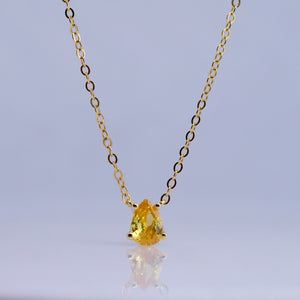



The piece they're describing → Citrine Pendant Necklace for Women — Yellow Citrine Teardrop, 925 Sterling Silver
Personalize Yours


