


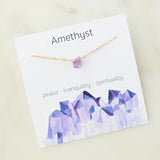
Here's something that surprises most people: carnelian and red jasper are both members of the quartz family, yet you can tell them apart in seconds with a simple flashlight test. Hold carnelian up to a light source and you'll see a warm glow pass through it. Do the same with red jasper and the stone blocks the light completely. That single difference — translucency versus opacity — shapes everything from how each stone looks in jewelry to what crystal healers believe it does for your energy. If you're choosing between carnelian vs red jasper for a necklace, bracelet, or healing practice, this guide breaks down every key difference so you can pick the right stone.
What Is Carnelian?
Carnelian is a variety of chalcedony, which is itself a microcrystalline form of quartz (SiO₂). Its color ranges from pale peach-orange to deep reddish-brown, with the most prized specimens showing a vivid, saturated orange-red. The color comes from iron oxide impurities — specifically hematite — distributed throughout the stone's microstructure.
It registers 6.5 to 7 on the Mohs hardness scale, making it durable enough for everyday jewelry. Major sources include India, Brazil, Madagascar, and Uruguay. Historically, ancient Egyptians used carnelian in amulets and scarabs, and Mesopotamian craftsmen carved seals from it as far back as 3000 BCE. Most commercial carnelian is heat-treated to intensify the orange-red color, a practice the industry considers standard and acceptable. Natural, untreated carnelian tends toward brownish tones. Carnelian's waxy luster and slight translucency give it a warm inner glow that red jasper simply can't replicate.
What Is Red Jasper?
Red jasper is an opaque, fine-grained variety of quartz (also SiO₂) that gets its deep brick-red or terracotta color from iron oxide inclusions — but in much higher concentrations than carnelian. By definition, jasper is always opaque; if light passes through it, it's chalcedony or agate, not jasper. Red jasper often shows subtle mottling, streaks, or banding patterns that carnelian lacks.
It shares the same Mohs hardness of 6.5 to 7 as carnelian, so both stones are equally scratch-resistant. Red jasper is found worldwide — Brazil, India, Russia, South Africa, and the American Southwest all produce significant quantities. The stone has been used for thousands of years: Native American tribes used it in ceremony, and ancient Greeks associated it with the god Mars. Red jasper is generally not heat-treated; the color you see is natural. Its heavier, denser feel compared to carnelian is one reason crystal practitioners associate it with groundedness and stability. Red jasper jewelry tends to cost less than carnelian of comparable size because the stone is more abundant.
Carnelian vs Red Jasper: Key Differences
| Property | Carnelian | Red Jasper |
|---|---|---|
| Color | Vibrant orange, orange-red, reddish-brown | Deep brick-red, terracotta, muted earthy red |
| Transparency | Translucent to semi-translucent | Completely opaque |
| Mineral type | Chalcedony (microcrystalline quartz) | Jasper (opaque microcrystalline quartz) |
| Mohs hardness | 6.5–7 | 6.5–7 |
| Luster | Waxy to glassy, glossy finish | Dull to waxy, matte appearance |
| Texture / pattern | Usually uniform; occasional banding | Often mottled, streaked, or patterned |
| Typical price (beads) | $0.50–$3.00 per bead (8mm) | $0.20–$1.50 per bead (8mm) |
| Rarity | Common, but vivid orange scarcer | Very common, widely available |
| Main origins | India, Brazil, Madagascar, Uruguay | Brazil, India, Russia, South Africa, USA |
| Common treatments | Heat treatment (standard, accepted) | Typically none; natural color |
| Chakra association | Sacral chakra (creativity, passion) | Root chakra (stability, grounding) |
| Flashlight test | Light passes through (glows) | Blocks light completely |
| Best for | Jewelry where color brightness matters | Budget jewelry, grounding practices |
The biggest practical difference between the two stones is transparency. Carnelian's translucency gives it a luminous warmth — when light hits a well-cut carnelian cabochon, it almost looks lit from within. Red jasper, being fully opaque, presents a flat, earthy color. Neither is better than the other in absolute terms, but translucency makes carnelian more visually striking in most jewelry settings.
Color tone is the second major differentiator. Carnelian leans orange; red jasper leans true red. Carnelian's orange hues shift with the light, while red jasper's terracotta-brick color stays consistent. If you're choosing a stone to pair with gold jewelry, carnelian's orange-red tends to complement gold more warmly. Red jasper sits naturally against silver tones and earthy, rustic settings.
On the metaphysical side, practitioners treat them as distinct energetic tools. Carnelian is linked to the sacral chakra — the energy center associated with creativity, motivation, sexuality, and confidence. Red jasper connects to the root chakra — grounding, security, stability, and endurance. According to the Gemological Institute of America, both stones have been prized across cultures for thousands of years, though modern metaphysical associations are separate from their gemological classification.
When to Choose Carnelian
If you want a visually striking orange-red gemstone in jewelry. Carnelian's translucency and vibrant orange-red color make it pop in pendants and cabochon settings in a way red jasper doesn't. If the visual impact of the stone is your top priority, carnelian wins.
If you're drawn to creativity and motivational energy. Crystal practitioners consistently associate carnelian with the sacral chakra, creative drive, and confidence. It's a popular choice for people who work in creative fields or who want a daily reminder to take action. You'll find carnelian showing up in manifestation and intention-setting practices far more often than red jasper.
If you want a stone with strong historical prestige. Carnelian's use in Egyptian royal jewelry, Mesopotamian cylinder seals, and ancient Roman signet rings gives it a cultural weight that red jasper doesn't share at the same level. If provenance and history matter to you, carnelian carries more of that story.
If you're making a statement piece or gift. Carnelian's brighter, more saturated color photographs better, catches the eye at a distance, and tends to read as more "jewelry-forward" than red jasper. For a gift where visual impact matters, carnelian is the stronger choice.
When to Choose Red Jasper
If you want grounding energy on a budget. Red jasper is more affordable than carnelian across the board — typically 30–50% less per bead or per carat. If you're building a meditation practice, creating a crystal grid, or want a stone to carry daily without worry, red jasper gives you more stone for your money.
If you prefer a deeper, earthier aesthetic. Red jasper's terracotta and brick-red tones feel more rustic, earthy, and understated than carnelian. It pairs naturally with leather, raw metal finishes, and boho styling. If you're going for a grounded, organic look rather than a vibrant pop of color, red jasper fits better.
If you work with root chakra practices. Crystal healers use red jasper specifically for root chakra work — stabilizing anxiety, building resilience, and promoting emotional endurance. If your practice focuses on feeling secure and connected to the earth rather than energized and motivated, red jasper is the traditional choice.
If you want a naturally untreated stone. Most carnelian on the market has been heat-treated to boost its color. Red jasper typically hasn't been treated at all — the color you buy is the natural color of the stone. For collectors or practitioners who prefer stones in their natural state, red jasper's transparency about treatment is an advantage.
Price Comparison: Carnelian vs Red Jasper
Both stones are among the most affordable in the crystal market, but carnelian consistently runs higher than red jasper because vivid, deeply saturated specimens are less common.
| Form | Carnelian (approx.) | Red Jasper (approx.) |
|---|---|---|
| 8mm bead (strand) | $0.50–$3.00 per bead | $0.20–$1.50 per bead |
| Tumbled stone (small) | $2–$8 each | $1–$4 each |
| Cabochon (10x14mm) | $3–$15 each | $1–$6 each |
| Finished pendant necklace | $18–$65+ | $12–$40 |
What drives carnelian's higher price? Color saturation matters most. A deep, uniform orange-red carnelian without brown undertones commands a premium because heat treatment doesn't always produce consistent results — vivid stones are selectively sourced. Size also matters; larger carnelian cabochons over 20mm become significantly more expensive per unit. For red jasper, uniformity of pattern and depth of color are the main quality factors, but the baseline price stays lower throughout.
For finished sterling silver jewelry, expect to pay roughly 20–40% more for carnelian than red jasper of the same size and setting quality. Neither stone approaches the price of rubies, garnets, or other red gemstones — both remain accessible options for budget-conscious buyers who want genuine natural stones.
Care and Durability
Both carnelian and red jasper share the same Mohs hardness of 6.5–7, which means they're resistant to everyday scratches but not impervious to abrasion from harder materials like diamonds, sapphires, or even some ceramic surfaces. Here's how to care for each:
Cleaning: Warm water and a soft cloth work for both. A small amount of mild dish soap is fine; rinse thoroughly and pat dry. Avoid ultrasonic cleaners for both stones — they can amplify internal fractures over time. Do not steam-clean either stone.
What to avoid: Prolonged sunlight can fade carnelian's orange tones over years of exposure — keep it out of direct sunlight when not wearing it. Red jasper is more color-stable in sunlight. Avoid household chemicals, bleach, and acetone (nail polish remover) for both. Don't soak either stone in water for extended periods.
Storage: Store each stone separately in a soft pouch or lined compartment. Both can scratch softer stones like calcite or fluorite, and can be scratched by harder stones like topaz or diamonds. Keep carnelian away from prolonged UV exposure to maintain its color vibrancy.
Longevity: With basic care, both stones can last decades in jewelry settings. Their hardness makes them suitable for necklaces and earrings with everyday wear; bracelets and rings face more impact and may show wear sooner. Red jasper's opacity makes it slightly more forgiving of surface wear than carnelian, where translucency can highlight shallow scratches more visibly under direct light.
You can read more about caring for your stones in our guides on crystal necklace styles and care and how to choose healing crystals.
Carnelian and red jasper are both varieties of quartz with the same Mohs hardness of 6.5–7, but they differ fundamentally in transparency: carnelian is translucent with a vivid orange-red color, while red jasper is fully opaque with a deeper brick-red or terracotta hue. Carnelian typically costs 30–50% more than red jasper due to the relative scarcity of vivid, saturated specimens. The key visual test is the flashlight method — light passes through carnelian but is blocked by red jasper. Crystal practitioners associate carnelian with the sacral chakra and creative energy, while red jasper is tied to the root chakra and grounding stability.
Related reading: Mookaite meaning.
Frequently Asked Questions
Is carnelian the same as red jasper?
No, carnelian and red jasper are different stones. Both belong to the quartz family and get their red color from iron oxide, but carnelian is a type of chalcedony (translucent) while red jasper is opaque. You can tell them apart immediately with a flashlight: carnelian lets light through; red jasper blocks it completely. Their mineral classification, appearance, and metaphysical associations all differ.
How do I tell carnelian from red jasper?
The flashlight test is the fastest method. Shine a light through the stone in a dark room — if you see any glow, it's carnelian (or possibly agate). If the stone blocks the light completely, it's red jasper. Color can also help: carnelian is typically more orange-red, while red jasper leans toward a darker brick-red or terracotta. Carnelian also has a glossier, more waxy luster versus red jasper's duller, more matte surface.
Which is more valuable, carnelian or red jasper?
Carnelian is generally more valuable than red jasper. A vivid orange-red carnelian bead typically costs 2–3 times more than a comparable red jasper bead. The price gap is driven by carnelian's more striking color saturation and the selectivity required to source deeply colored specimens — most commercial carnelian undergoes heat treatment to reach that vivid orange-red.
Can carnelian and red jasper be worn together?
Yes, they can be worn together and are often paired in crystal healing bracelets. Practitioners who combine them believe carnelian's energizing, sacral-chakra energy complements red jasper's grounding, root-chakra stability — creating a balance between action and groundedness. Aesthetically, their similar red family colors look cohesive together in beaded jewelry.
Which is better for anxiety, carnelian or red jasper?
Red jasper is the more traditional choice for anxiety according to crystal healing practitioners. Its association with the root chakra means it's used specifically for grounding, calming racing thoughts, and promoting a sense of stability during stressful periods. Carnelian is associated more with motivation and confidence than with calming anxiety. That said, crystal healing is not a substitute for medical treatment.
Is red jasper rarer than carnelian?
No, red jasper is actually more common and abundant than carnelian. Red jasper deposits are found on every inhabited continent, and the stone is widely available at lower price points. Carnelian is also common globally, but vivid, deeply saturated specimens are less consistently produced, which contributes to its higher price relative to red jasper.
Which stone is better for manifestation?
Carnelian is more commonly recommended for manifestation practices in the crystal healing community. Its association with the sacral chakra connects it to desire, intention, creativity, and taking motivated action — all elements that practitioners link to manifestation work. Red jasper is more often used for grounding and stabilizing the foundation needed to pursue goals rather than for the energetic push of manifestation itself.
Does carnelian fade in sunlight?
Yes, carnelian can fade with prolonged sunlight exposure over time. The iron oxide that gives carnelian its color is relatively stable, but extended UV exposure can gradually dull or shift the orange-red tones, particularly in heat-treated specimens. Store carnelian jewelry out of direct sunlight when not wearing it. Red jasper is more color-stable in sunlight than carnelian.
What chakra is red jasper associated with?
Red jasper is associated with the root chakra (Muladhara), located at the base of the spine. The root chakra governs feelings of safety, security, belonging, and physical grounding. Crystal healers use red jasper specifically to activate and balance this chakra — to promote emotional resilience, calm anxious energy, and establish a stable foundation during challenging life periods.
Is carnelian good for creativity?
Carnelian is one of the most commonly recommended crystals for creativity in the crystal healing tradition. It's associated with the sacral chakra, which governs creative expression, passion, and motivation. Writers, artists, and musicians often keep carnelian on their desks or wear it as jewelry to help stay inspired and productive. There's no scientific evidence for these effects, but the cultural tradition is centuries old.
How hard is red jasper compared to carnelian?
Red jasper and carnelian have the same hardness — both measure 6.5 to 7 on the Mohs scale. This makes them equally resistant to scratching from everyday materials like fingernails (2.5), steel knives (5.5), and glass (5.5). Neither stone will be scratched by common household items. However, both can be scratched by harder gemstones like topaz (8), sapphire (9), or diamond (10), so store them separately.
Which stone is better for jewelry — carnelian or red jasper?
Both are excellent jewelry stones due to their identical hardness and durability. Carnelian is generally preferred for statement pieces and fine jewelry because its translucency and vivid color create more visual impact, especially in pendants and drop earrings. Red jasper is a great choice for everyday, casual, or bohemian-styled pieces where a natural, earthy red suits the aesthetic and the budget is a priority.
Shop at AJLuxe
Looking for quality gemstone jewelry in 925 sterling silver? Browse our featured piece — hypoallergenic, gift-ready, 30-day returns. Explore our full gemstone necklace collection.
Final Thoughts
Carnelian and red jasper are close cousins that look similar at a glance but behave differently in your hand, in the light, and in a healing practice. Carnelian brings the brighter, more luminous orange-red color and the translucency that makes gemstone jewelry genuinely striking. Red jasper brings a deeper, earthier tone, a denser feel, and a lower price point that makes it easy to work with in quantity. Neither is objectively superior — they solve different problems.
If you're choosing between them, start with your purpose. Do you want visual impact in a piece of jewelry? Go carnelian. Do you want an affordable, grounding stone for daily carry or a meditation practice? Go red jasper. Do you want both energizing and grounding energy together? Many people wear them as a pair. Once you've held both stones in your hand and done the flashlight test yourself, the right choice tends to become obvious.
All third-party trademarks, brand names and product names are the property of their respective owners. AJLuxe is not affiliated with, endorsed by, sponsored by, or otherwise connected to any third-party brand referenced in this article. Brand names are used solely for accurate comparative reference, and material descriptions reflect each brand's own published product specifications at the time of writing.
You Might Also Like
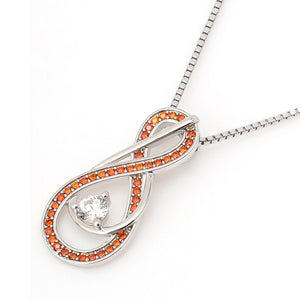

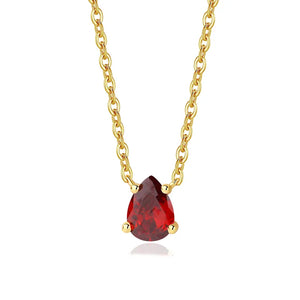
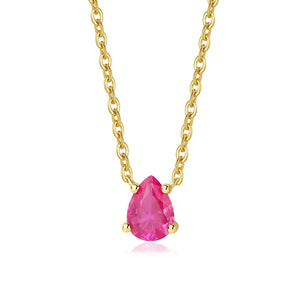
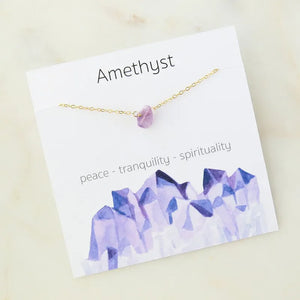
The piece they're describing → Stone Charm Necklace for Women — Raw Natural Gemstone Pendant
Personalize Yours


