


Pearl necklaces have never really gone out of style — but they've completely changed. The stiff single-strand Akoya pearl necklace your grandmother wore to formal dinners has evolved into something far more wearable: a dainty freshwater pearl pendant that works equally well with a linen blazer, a summer dress, or a cozy oversized sweater. Today's best pearl necklaces for women combine genuine natural luster with modern chain lengths and settings that suit everyday life. This guide covers everything you need to know before buying: the real differences between pearl types, the quality markers that separate a lasting necklace from one that dulls quickly, the right length for your neckline, and how to care for pearls so they stay beautiful for decades.
Types of Pearl Necklaces — Freshwater vs Akoya vs South Sea vs Simulated
Not all pearls are the same. There are four main categories you'll encounter when shopping for a pearl necklace, each with a different price point, appearance, and durability profile.
| Pearl Type | Origin | Luster | Price Range | Durability | Best For |
|---|---|---|---|---|---|
| Freshwater | Freshwater mussels (China) | Good to excellent | $20–$300 | High (thick nacre) | Everyday wear, gifting |
| Akoya | Saltwater oysters (Japan) | Excellent (very bright) | $150–$2,000 | Moderate (thin nacre) | Formal, bridal |
| South Sea | Saltwater oysters (Australia/Indonesia) | Exceptional (satiny) | $500–$10,000+ | High | Fine jewelry, investment |
| Simulated / Shell | Manufactured (coated shell or glass) | Uniform but artificial | $5–$50 | Low (coating peels) | Costume, occasional wear |
For most women buying a pearl necklace in 2026, freshwater pearls are the best value. They have genuinely thick nacre — the natural coating that creates pearl luster — which makes them more durable than Akoya pearls in many cases. The GIA classifies freshwater pearls as cultured pearls with the same natural origin as their saltwater counterparts; the "freshwater" distinction is about the mollusc, not quality (GIA pearl resource).

What to Look for When Buying a Pearl Necklace
Pearl quality comes down to five factors. Prioritise them in this order when comparing necklaces.
1. Luster (most important)
Luster is the depth and brightness of the reflection you see in a pearl's surface. A high-luster pearl looks almost mirror-like from a distance. A low-luster pearl looks chalky or dull. Luster is determined by the thickness and quality of the nacre — the thicker the nacre, the better the luster, and the longer the necklace will look beautiful over decades of wear.
2. Surface Quality
No pearl is perfectly flawless — small blemishes, spots, or surface irregularities are natural and expected in genuine pearls. A pearl with minor surface marks is authentic; a perfectly uniform, blemish-free pearl is usually simulated. What you want to avoid is heavy cracking, deep pits, or large bald spots in the nacre surface.
3. Shape
Round pearls are the rarest and most traditionally valued. Near-round, oval, and button shapes are only slightly less valuable and look nearly identical when worn. Baroque pearls — irregular, organic shapes — are currently on-trend and prized for their uniqueness. For a pendant necklace, an oval or near-round pearl is often more elegant than a perfect sphere because the pendant bail frames it naturally.
4. Size
Pearl size is measured in millimetres of diameter. Freshwater pearls range from 3mm to 14mm. For a pendant necklace, 6–9mm is the most flattering range — large enough to be visible and substantial without overwhelming a thin chain. For a strand necklace, 6–7mm is the classic everyday choice; 8–10mm reads as more formal.
5. Metal Setting
The chain material should be chosen for both aesthetics and skin compatibility. Gold plating over sterling silver gives you warmth and hypoallergenic safety at an accessible price. Solid 14K gold is the most durable choice for long-term wear. Sterling silver with rhodium plating offers a cooler tone. Avoid plating over brass or zinc alloy — these base metals corrode and can irritate skin over time.
The Best Pearl Necklace for Women from AJLuxe
AJLuxe's pearl necklace collection currently centres on a dainty freshwater pearl pendant — the style that has driven the pearl necklace's modern revival. Here's how to wear it and what makes it worth the price.
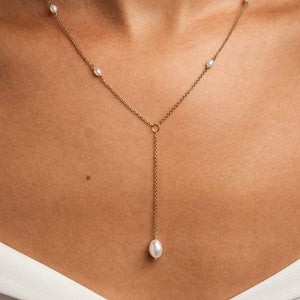
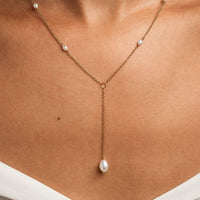
Freshwater Pearl Necklace — 14K Gold Plated Chain ($28.99)
A natural freshwater pearl pendant suspended from a delicate 14K gold plated chain. The pearl is genuine — not simulated, not coated shell — which means it has real nacre, real luster, and the kind of subtle iridescence you can't manufacture. The chain is lightweight and stays close to the collarbone at the standard pendant length. The clasp is a secure lobster-claw closure.
This is the necklace that works for everything: a Monday morning work meeting, a Friday evening dinner, a bridal shower, or layered under a chunky knit in winter. The gold chain complements the natural cream-to-white freshwater pearl tone without overpowering it.
Shop the Freshwater Pearl Necklace ($28.99) →
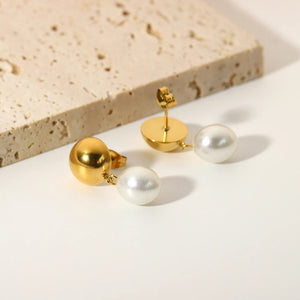
Style it with Pearl Drop Earrings ($29.99)
For a complete pearl look, pair the necklace with AJLuxe's natural pearl drop earrings — a single freshwater pearl on a gold plated ear wire. The combination of pendant necklace and drop earrings is the modern interpretation of the classic pearl set: less formal than a matched strand, more polished than either piece worn alone.
Browse the full pearl necklaces collection for current availability and any new additions.
Pearl Necklace Length Guide
The length you choose changes how the necklace reads — on your body, with your outfits, and for different occasions. Here's the complete breakdown.
| Length Name | Inches | Where It Falls | Best For | Neckline Pairing |
|---|---|---|---|---|
| Choker | 14–16" | At the base of the neck | Modern fashion, statement looks | V-neck, off-shoulder, strapless |
| Princess | 17–19" | Just below the collarbone | Everyday wear, most versatile | Any neckline — universally flattering |
| Matinee | 20–24" | At the top of the bust | Business, semi-formal | High crew necks, button-down shirts |
| Opera | 28–36" | At the bust or below | Formal events, layering | Open necklines, evening wear |
The princess length (17–19 inches) is the right choice for most women buying their first pearl necklace. It sits in the sweet spot between choker and matinee, works with virtually any neckline, and is the most photographed pearl necklace length on social media for good reason — it's flattering on almost every body type.

How to Style a Pearl Necklace
The biggest shift in pearl necklace styling over the past five years is that pearls are no longer reserved for formal wear. Here's how to wear a pearl necklace in ways that feel current.
Casual Everyday
A dainty freshwater pearl pendant works beautifully with a white linen shirt, a soft knit top, or a plain cotton dress. Keep other jewelry minimal — small stud earrings or simple hoops. The pearl does the talking. This is the "quiet luxury" aesthetic that dominated fashion in 2024 and remains hugely influential in 2026.
Layered with Other Necklaces
Layer a freshwater pearl pendant (16–18 inches) over a simple gold chain necklace (14–16 inches) or under a longer layered piece (20+ inches). The key is varying lengths by at least 2 inches between each layer so they don't tangle. Mix textures: a pearl pendant plus a thin twisted gold chain creates visual interest without clashing.
With Business Attire
A pearl necklace at princess or matinee length reads as polished and professional in any business setting. It elevates a blazer or tailored shirt without being flashy. The classic single pearl pendant is especially effective here — it says "I pay attention to details" without demanding attention.
For Weddings and Formal Events
Pearl necklaces remain the top jewelry choice for brides and wedding guests alike. A freshwater pearl pendant in a princess length works at almost any wedding — from beach to black tie. Pair with pearl drop earrings for a coordinated but not matchy-matchy look.
How to Care for Pearl Jewelry
Pearls are organic gems — they're composed of calcium carbonate, which means they're sensitive to acids, chemicals, and physical abrasion in ways that diamonds and metals are not. But cared for correctly, a quality pearl necklace can last a lifetime.
The last-on, first-off rule
Always put your pearl necklace on last — after perfume, hairspray, and makeup. Put it away first when you undress. Perfume and cosmetics contain acids and alcohol that attack nacre and dull luster over time. This single habit extends pearl life more than anything else.
Wipe after every wear
Wipe your pearl necklace with a soft, dry cloth (or slightly damp cloth) after wearing it. Skin oils, sweat, and product residue collect on the surface of pearls and, left uncleaned, gradually degrade the nacre. Thirty seconds of wiping after each wear is all it takes.
Store separately
Don't store pearl jewelry with metal jewelry or gemstones. Pearls are soft (Mohs hardness 2.5–4.5) and scratch easily. Store in a soft pouch, a lined jewelry box compartment, or wrapped in a clean cloth. Avoid airtight plastic bags — pearls need a small amount of humidity to prevent the nacre from drying out and cracking.
Avoid water and chemicals
Remove pearl necklaces before swimming (pool chlorine and saltwater are both damaging), showering, and before applying sunscreen or lotion. Occasional light exposure to clean water won't cause immediate damage, but regular water contact softens the silk thread on strung pearl necklaces and accelerates tarnish on metal chains.
Professional cleaning
Have a quality pearl strand necklace professionally cleaned and restrung every 2–3 years if you wear it regularly. For pendant necklaces on a metal chain, an occasional professional polish is sufficient. Never use ultrasonic cleaners on pearls — the vibrations crack nacre.
For a deep dive into freshwater pearl quality, grading, and what to look for when buying, our freshwater pearl necklace guide covers everything from luster grades to strand length — the most complete pearl buying guide we've written.
Planning a wedding pearl look? Our dedicated wedding pearl necklace guide breaks down the best strand styles for brides, bridesmaid sets, and ceremony versus reception choices — with a full length and layering guide.
Frequently Asked Questions
- What is the best type of pearl necklace to buy?
- For most women, a freshwater pearl necklace is the best choice. Freshwater pearls have naturally thick nacre — the coating that creates luster — which makes them more durable than many saltwater pearls at a fraction of the price. A freshwater pearl pendant on a gold plated sterling silver chain in the $25–$50 range delivers genuine natural luster that improves in appearance as it ages, unlike simulated or shell pearls which fade and peel.
- What is the difference between freshwater and Akoya pearls?
- Freshwater pearls are cultured in freshwater mussels, primarily in China, and tend to have thicker nacre and more variety in shape and colour. Akoya pearls are cultured in saltwater oysters in Japan and are prized for an exceptionally bright, mirror-like luster — but their nacre layer is thinner, making them slightly more delicate over time. Akoya pearls typically cost $150–$2,000 for a strand; freshwater pearl strands start around $20. For everyday pendant necklaces, freshwater pearls are the better practical choice.
- How long should a pearl necklace be?
- The most versatile pearl necklace length is the princess length: 17–19 inches. It sits just below the collarbone and works with virtually every neckline and outfit. Shorter choker lengths (14–16 inches) are on-trend for casual and fashion-forward wear. Matinee lengths (20–24 inches) suit business and semi-formal wear. If you're buying your first pearl necklace and want one that works everywhere, choose 18 inches.
- Are freshwater pearls real pearls?
- Yes — freshwater pearls are real, cultured pearls. A cultured pearl is created when a human-inserted irritant inside a live mollusc is coated with layers of nacre over months or years, producing a genuine pearl. "Cultured" does not mean "fake." The GIA (Gemological Institute of America) classifies cultured pearls as authentic pearls. The only pearls that are not "real" are simulated pearls, which are glass, plastic, or coated shell — not nacre.
- How do you know if a pearl necklace is real?
- The most reliable at-home test is the tooth test: gently rub the pearl against the edge of a front tooth. A real pearl feels slightly gritty or sandy due to the natural texture of nacre. A simulated pearl feels perfectly smooth and glassy. Real pearls also have slight surface variations and a depth of reflection (luster) that catches light from multiple angles. Perfectly uniform, blemish-free pearls with a flat, coating-like shine are almost always simulated.
- Can you wear a pearl necklace every day?
- Yes — freshwater pearl pendant necklaces are well-suited for everyday wear, particularly on a gold plated or sterling silver chain. The key is following the care rules: put it on last, wipe it down after wearing, and store it separately. Avoid wearing it during workouts, swimming, or when applying heavy lotions or perfumes. A freshwater pearl necklace worn daily with proper care will develop even better luster over time as natural skin oils polish the nacre surface.
- What outfit does a pearl necklace go with?
- A dainty freshwater pearl pendant necklace goes with nearly everything — white linen shirts, knit sweaters, blazers, casual dresses, formal gowns, and wedding attire. The "quiet luxury" trend that emerged in 2024 brought pearls firmly into everyday casual wear. The key is keeping other jewelry minimal: if you're wearing a pearl necklace, opt for small studs or simple hoops rather than statement earrings. The pearl becomes the focal point.
- How do you care for a pearl necklace?
- Wipe the pearl and chain with a soft cloth after each wear to remove skin oils and residue. Always put the necklace on last (after perfume and makeup) and take it off first. Store in a soft pouch or lined box, separately from other jewelry that could scratch the pearl. Avoid water, chlorine, and chemical exposure. Never clean pearls in an ultrasonic cleaner. With this routine, a quality freshwater pearl necklace lasts decades.
- What is the most popular pearl necklace style right now?
- In 2026, the dainty freshwater pearl pendant necklace is the most popular style — a single natural pearl suspended from a fine gold or silver chain, worn at princess or near-choker length. This style replaced the traditional matched-pearl strand as the everyday choice because it's more wearable with modern fashion. Baroque pearl pendants (irregular, organic-shaped pearls) are also trending for a more artistic, individual look.
- Are pearl necklaces appropriate for work?
- Yes — a pearl necklace at princess or matinee length is one of the most professional jewelry choices available. It signals elegance and attention to detail without being flashy or distracting. In formal professional settings (law, finance, medicine, business), a single pearl pendant or pearl strand is universally appropriate. A delicate freshwater pearl pendant works in creative industries too — it elevates casual office wear without looking overdressed.
- What metal chain goes best with a pearl necklace?
- Gold — specifically yellow gold or gold plated chains — is the most classic and flattering metal pairing for white and cream freshwater pearls. The warm tone of gold complements the natural iridescence of freshwater pearl nacre. White gold or silver chains work well for a more modern, cooler look. Rose gold has become popular in recent years for a softer, romantic aesthetic. Avoid plating over brass or copper-heavy alloys, as these corrode and tarnish faster than sterling silver bases.
- Do pearl necklaces tarnish?
- The pearl itself does not tarnish — tarnish is a metal reaction. The chain on a pearl necklace can tarnish, particularly if it's silver or silver-plated. Gold plated chains tarnish much more slowly than silver. The pearl nacre itself can dull over time if regularly exposed to chemicals, acids, or left uncleaned — but this is nacre degradation, not tarnish. Regular wiping after wear and proper storage largely prevent both issues.
Final Thoughts
A pearl necklace isn't an occasion piece anymore — it's a daily driver. The freshwater pearl pendant has made pearls accessible, wearable, and genuinely stylish for everyday life in a way that matched strands never quite achieved outside of formal settings.
The key when buying is to prioritise genuine nacre over price, choose a chain length that suits your wardrobe (18 inches works for almost everyone), and care for it consistently. A freshwater pearl necklace bought for $28.99 with proper care looks better in five years than a simulated pearl strand bought for $200 looks after twelve months.
AJLuxe's freshwater pearl necklace — natural pearl, 14K gold plated chain, hypoallergenic — is the starting point we'd recommend for anyone who hasn't owned a pearl necklace before or wants to upgrade from a simulated piece. Pair it with the pearl drop earrings for a coordinated look, or browse the full pearl necklaces collection.
Want to learn more about freshwater pearl jewelry? Read our Freshwater Pearl Jewelry Guide for a deeper dive into quality grades, sourcing, and styling.
Written by Vaishakhi Ajmera — founder of AJLuxe, specialists in 925 sterling silver and 18K gold plated jewelry. Last updated: June 2026.
You Might Also Like
The piece they're describing → Freshwater Pearl Necklace for Women — 14K Gold Plated Chain, Natural Pearl Pendant
Personalize Yours

