


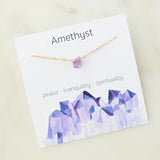
Ask five people what a "ball chain necklace" is and you'll get three different mental images: a military dog tag on a plain metal chain, a delicate beaded chain worn layered under a t-shirt, or a chunky bead necklace seen on a runway. All three are the same underlying construction — the differences are just bead size and finish. This guide breaks down exactly what a ball chain is, how the sizes actually work, what it's made of, and how to wear one without it looking like an afterthought. For more detail, see our guide to types of necklace chains.
Browse AJLuxe's chain necklace styles
Shop Chain NecklacesWhat Is a Ball Chain Necklace? The Construction, Explained
A ball chain is built completely differently from every other necklace chain type. A cable, box, curb, or snake chain is made of interlocked metal links — flattened loops or scales that hook through one another. A ball chain has no links at all. Instead, it's a row of small, perfectly round metal beads, each one pierced with two tiny holes, connected end to end by a short straight metal bar. The tips of that connector bar are set into the holes of each bead like a miniature rivet, which lets every bead rotate freely around the connector. That rotation is what gives a ball chain its distinctive fluid, almost liquid drape — it moves differently against the skin than a link chain does, because each bead can spin independently rather than the whole chain flexing as a unit.
This construction is also why ball chains are unusually strong for how simple they look. There's no weak link to pry open, and the connector bars distribute tension evenly along the strand, which is part of why the same basic design has been trusted for decades to hold something as important as a soldier's identification tags.
The Dog-Tag Connection — and Why It Matters for Sizing
If a ball chain looks familiar even to people who've never shopped for one, it's almost certainly because of military dog tags. The standard U.S. military dog-tag chain uses a specific ball size — roughly 2.4mm beads, about eight per inch — sized precisely so the beads slide through the stamped hole in a dog tag without the tag sliding off. That utilitarian origin is exactly why ball chains read as unfussy and durable rather than delicate: the design had to survive daily wear in genuinely rough conditions before it ever became a fashion piece.
Fashion jewelry borrowed the same construction and simply expanded the size range in both directions — smaller for dainty, minimalist pieces, and larger for bold statement necklaces. Knowing that a "dog tag chain" and a "ball chain necklace" are, structurally, the same thing (just at different bead sizes and finishes) makes the sizing conversation below much easier to follow.
Ball Chain Sizes Explained
Ball chains are conventionally sized by bead diameter, and the size dictates the whole personality of the piece — from barely-there to unmistakably bold. Here's how the common fashion sizes break down:
| Bead Diameter | How It Reads | Best For |
|---|---|---|
| 1.5–1.8mm | Dainty, delicate | Layering under other necklaces, minimalist everyday wear, small pendants |
| 2.1mm | Light-medium | A slightly more visible everyday chain, still easy to layer |
| 2.4mm ("#3") | Classic dog-tag standard | The most recognizable ball chain size — pendants, ID-style tags, unisex streetwear |
| 3.2mm+ | Bold, statement | Worn alone as a standalone piece, heavier pendants, maximum visual presence |
If you're not sure where to start, 2.4mm is the safest default — it's substantial enough to register as an intentional style choice rather than disappearing against the skin, but it's not so heavy that it limits what you can pair it with. Go smaller if the plan is to layer it with two or three other necklaces; go larger if you want it to be the only piece you're wearing.
Materials and Durability
Ball chains show up in most of the same metals as any other chain necklace, and material affects this style the same way it affects every other piece of jewelry you wear daily: it determines whether the chain still looks good a year from now.
- Sterling silver (925): Real, solid silver alloyed for durability — the beads hold their round shape and shine well, and the connector construction means there's no plated finish to wear through at friction points, unlike some link chains where plating rubs thin at the clasp.
- Gold-plated / gold PVD: A gold-toned finish over a base metal or sterling silver core. Looks warm and rich when new; like any plated jewelry, the plating is a surface layer that can thin with heavy daily wear, especially where beads contact skin or clothing repeatedly.
- Stainless steel: The most common material for genuinely utilitarian ball chains (including actual military-issue ones). Extremely durable and low-maintenance, but not the warmest-looking option and not typically what's used for fine jewelry–grade pieces.
For an everyday piece you actually want to keep wearing, 925 sterling silver — with or without 18K gold plating over it — is the more durable long-term choice than a thin gold-plated base-metal chain, for the same reason it's the right call across chain necklace types generally: a solid, hypoallergenic base metal holds up to daily contact with skin, water, and clothing far better than plating over brass or alloy.

A note on honesty
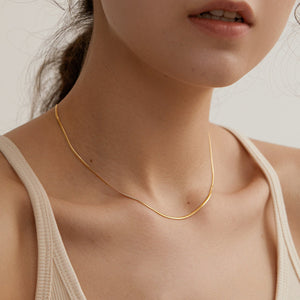
AJLuxe doesn't currently carry a dedicated ball chain — we're not going to pretend otherwise. If you like the smooth, low-profile drape a ball chain gives, our Double Snake Chain Necklace is the closest style we stock: the same sleek, no-visible-link look, in 18K gold PVD plating over real 925 sterling silver.
Shop Now →How to Style a Ball Chain Necklace
Part of what makes ball chains genuinely versatile — not just a trend piece — is how differently they read depending on what you pair with them:
- Worn alone, dog-tag style: A single ball chain at 2.4mm with a small pendant or tag reads as classic, slightly utilitarian, and unisex. This is the look most people picture first, and it works equally well styled casually or dressed up under an open collar.
- Layered with finer chains: Because a ball chain's texture is so different from a smooth link chain, it layers unusually well — the contrast between rounded beads and flat links keeps a stacked-necklace look from reading as repetitive or accidental.
- Streetwear and everyday casual: The dog-tag association makes ball chains a natural fit for relaxed, casual outfits — a plain tee, an oversized jacket, denim. It's a piece that adds character without trying hard.
- With a pendant or charm: Small pendants slide onto a ball chain the same way a dog tag does. Because the beads rotate freely, lightweight pendants sit centered and don't twist the way they occasionally do on a fine link chain.
- Minimalist / dainty styling: At the smaller end (1.5–2.1mm), a ball chain disappears into a minimalist everyday look — it's a quieter, more textural alternative to a plain cable chain for people who still want something slightly different up close.
Choosing a Length
Ball chain necklaces use the same standard length conventions as any other chain necklace. As a quick reference: 16 inches sits just below the collarbone and is the most common everyday length; 18 inches falls at the breastbone and is the safest single-piece choice if you're only buying one; 20–24 inches is the range to reach for if you're wearing a pendant or dog tag that you want to sit lower on the chest, or if the ball chain is your bottom layer in a stack. For a full breakdown of how length changes the way a chain sits and layers, see our complete chain necklace length guide.
Ball Chain vs. Other Chain Necklace Types
Because a ball chain looks so different from a link chain, it's worth being clear about how it actually compares. A cable chain (uniform oval links) and a box chain (square links) both have a continuous, seamless visual line — a ball chain has visible individual beads with a beat, almost segmented rhythm to it. A snake chain is the closest in overall silhouette — both are smooth, low-profile, and read as minimal from a distance — but a snake chain is a single continuous woven band with no visible segmentation, while a ball chain's beaded texture is visible even at a glance. If you're deciding between chain styles more broadly, our guide to every type of chain necklace covers cable, box, rope, snake, figaro, curb, and wheat chains side by side.
Care and Maintenance
Ball chains are genuinely low-maintenance compared to more delicate chain styles, largely because there are no fragile links to catch or bend. A few basics keep one looking good for years:
- Wipe down after wear. Body oils and product residue settle into the small gaps around each bead. A soft cloth after wearing prevents buildup.
- Store it flat or hanging, not balled up. Coiling a ball chain tightly in a drawer is the most common way connectors get stressed over time. Lay it flat or hang it the same way you would any other necklace.
- Polish sterling silver periodically. Like any 925 sterling silver piece, a solid silver ball chain will tarnish gradually with air exposure — this is normal and fully reversible with a standard silver polishing cloth.
- Remove before swimming or heavy exercise. Chlorine and salt water are hard on any metal chain's finish, plated or solid, and sweat accelerates tarnish on sterling silver specifically.
Frequently Asked Questions
What is a ball chain necklace made of?
It's a series of small, round metal beads connected end to end by short straight connector bars, rather than the interlocked links used in cable, box, or curb chains. Fashion ball chains are typically made in sterling silver, gold-plated or gold PVD-plated metal, or stainless steel.
Are ball chain necklaces the same as dog tag chains?
Structurally, yes — a dog tag chain is a ball chain, specifically at the standard "#3" size of about 2.4mm bead diameter, which is sized to slide through the stamped hole in a military dog tag. Fashion ball chains use the exact same bead-and-connector construction at a wider range of sizes, from smaller and daintier to larger and bolder.
What size ball chain should I buy?
For a versatile everyday piece, 2.4mm is the safest default — visible enough to be a deliberate style choice without being heavy. Go smaller (1.5–2.1mm) if you plan to layer it with other necklaces, and larger (3mm+) if you want it to stand alone as a statement piece.
Can you wear a pendant on a ball chain necklace?
Yes. Small to medium pendants and tags slide onto a ball chain the same way dog tags do, and because each bead rotates freely on its connector, lightweight pendants tend to sit centered without the chain twisting.
Do ball chain necklaces tarnish?
A solid 925 sterling silver ball chain will tarnish gradually with normal air exposure, the same as any sterling silver jewelry — it's reversible with a silver polishing cloth. A gold-plated ball chain can show the plating thin at wear points over time with heavy daily use, which is true of gold-plated jewelry generally, not specific to the ball chain construction.
Are ball chain necklaces still in style?
Yes — ball chains have stayed consistently present in both minimalist and streetwear-influenced jewelry for years, largely because the style genuinely spans two very different aesthetics: understated dainty layering pieces at small bead sizes, and bold, dog-tag-inspired statement pieces at larger sizes.
Explore AJLuxe's full range of chain necklace styles
Shop Chain NecklacesRelated Reading
Curious how a ball chain stacks up against other chain styles, or how to pick a length? See our complete guide to chain necklace types, chain necklace length guide, and men's silver chain necklace guide for the unisex, dog-tag-inspired end of the style spectrum.
AJLuxe Team. Last updated July 2026.
All third-party trademarks, brand names and product names are the property of their respective owners. AJLuxe is not affiliated with, endorsed by, sponsored by, or otherwise connected to any third-party brand referenced in this article. Brand names are used solely for accurate comparative reference, and material descriptions reflect each brand's own published product specifications at the time of writing.
You Might Also Like
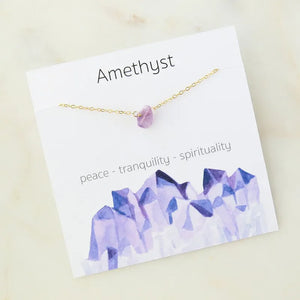
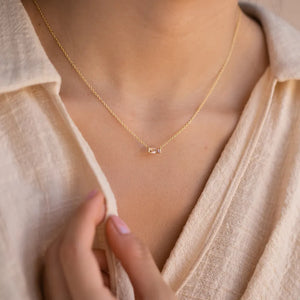
The piece they're describing → Stone Charm Necklace for Women — Raw Natural Gemstone Pendant
Personalize Yours


