


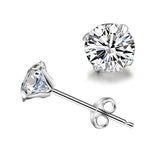

Most stud-earring buying guides default straight to gold. That skips half the actual market — a lot of people simply prefer the cooler tone of silver, or need it to match white gold and platinum pieces they already wear, or are shopping specifically for daily wear where silver is easier to keep looking clean than gold plating that can show brassing underneath. This guide is about silver studs specifically: how to tell real sterling silver from silver-plated base metal, what actually keeps it from tarnishing, and which shapes work for which occasions.
925 Sterling Silver vs. "Silver-Plated" — What the Numbers Mean
925 sterling silver means the piece is 92.5% pure silver alloyed with other metals (usually copper) for strength — pure silver on its own is too soft to hold a stud's shape. It's solid all the way through, so it doesn't wear down to a base metal with daily use. Silver-plated jewelry is a base metal (often brass or copper) with a thin silver layer on top, which will eventually rub or tarnish through, especially at friction points like a post going in and out of an earlobe multiple times a day.
To tell them apart before buying: a listing should say "925" or "sterling silver" explicitly, not just "silver-tone" or "silver-plated," which are industry terms specifically meaning it isn't solid. A hallmark stamp reading "925" on the post or backing is the physical tell on a piece you already own.
Why Sterling Silver Tarnishes and How to Slow It Down
Sterling silver tarnishes because the copper in the alloy reacts with sulfur compounds in the air (from things like perfume, lotion, and even some foods) — it's a chemical reaction, not a sign of poor quality. Rhodium-plated sterling silver adds a thin, tarnish-resistant rhodium layer on top of the solid silver base, which is why a lot of "silver" stud earrings on the market today are actually rhodium-plated sterling rather than bare sterling.
To slow tarnish on any sterling piece: store it in a sealed bag or box rather than open air, take it off before swimming or showering (chlorine and sulfur in tap water both accelerate tarnish), and put it on after — not before — perfume, lotion, and hairspray. A light polish with a jewelry cloth restores shine on tarnished sterling; it doesn't damage the metal the way abrasive cleaning would.

Silver Stud Shapes, by Occasion
- Simple CZ studs — the most versatile pick; a small cubic zirconia in a silver setting reads as polished for work or daytime without looking like a statement piece.
- Ball studs — the most minimalist option, good for everyday wear or as a base layer if you stack multiple piercings.
- Bar or minimalist geometric studs — a more modern, low-shine look for anyone who doesn't want visible sparkle at all.
- Statement studs (heart, crown, or larger stone shapes) — better suited to evenings or gifting than daily office wear.
Sensitive Ears and Hypoallergenic Silver
925 sterling silver is generally well tolerated by sensitive ears because the alloy is mostly silver with a small amount of copper — not nickel, which is the metal most commonly responsible for ear-piercing reactions. That said, "hypoallergenic" isn't a single regulated standard across brands, so if you have a known nickel allergy, look for a listing that explicitly discloses the alloy rather than assuming any "silver" label is automatically safe.
What We Carry
Our sterling silver stud collection is genuinely 925 sterling silver, not silver-plated base metal — including CZ stud earrings in 925 sterling silver, hypoallergenic and rhodium-finished for daily wear. If a specific shape you want isn't in stock when you check, the material claim on whatever is live is always the same: solid sterling, disclosed as such.
Silver Ear Studs: Common Questions
- How can I tell if my silver stud earrings are real sterling silver?
- Look for a "925" stamp on the post or backing — that's the standard hallmark for sterling silver. If a listing only says "silver-tone" or "silver-plated" without naming a purity, it's a base metal with a thin silver layer, not solid sterling.
- Do sterling silver studs turn your ears green?
- Genuine 925 sterling silver rarely does — that green tint is much more associated with cheap base-metal alloys reacting with skin oils and moisture. If silver-toned earrings are turning your skin green, they're very likely not solid sterling.
- How do I stop my silver stud earrings from tarnishing?
- Store them in a sealed bag or box away from open air, remove them before swimming or showering, and apply perfume and lotion before putting them on rather than after. A jewelry polishing cloth handles tarnish that's already there.
- Is rhodium-plated sterling silver still "real" silver?
- Yes — rhodium plating sits on top of a solid 925 sterling silver base; it's an added tarnish-resistant finish, not a substitute for the silver underneath. The base metal is still solid sterling either way.
- Are silver stud earrings good for sensitive ears?
- Generally yes, since sterling silver's alloy is mostly silver with a small amount of copper rather than nickel, which causes most earring reactions. If you have a diagnosed nickel allergy, confirm the specific alloy with the seller rather than assuming any "silver" listing is automatically nickel-free.
- Can I wear silver studs every day?
- Yes — solid sterling silver is durable enough for daily wear and won't wear through to a base metal the way silver-plated jewelry eventually does. Regular tarnish care keeps it looking bright with everyday use.
All third-party trademarks, brand names and product names are the property of their respective owners. AJLuxe is not affiliated with, endorsed by, sponsored by, or otherwise connected to any third-party brand referenced in this article. Brand names are used solely for accurate comparative reference, and material descriptions reflect each brand's own published product specifications at the time of writing.
You Might Also Like
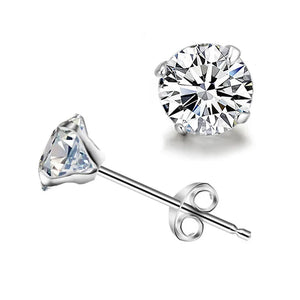
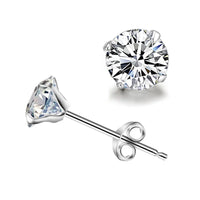
The piece they're describing → CZ Stud Earrings for Women — 925 Sterling Silver, Cubic Zirconia, Hypoallergenic
Personalize Yours


