


Here's a fact that surprises most people: malachite and jade both come in vivid green, yet they couldn't be more different in terms of hardness, price, and cultural history. When you're deciding between malachite vs jade for jewelry or decoration, the key differences in durability and care requirements will likely make or break your choice. Malachite is a soft copper mineral with eye-catching concentric bands, while jade — whether jadeite or nephrite — is a tough silicate gemstone prized across 7,000 years of human history. Let's break down exactly what sets them apart.
What Is Malachite?
Malachite is a copper carbonate hydroxide mineral (Cu₂CO₃(OH)₂) that forms in the oxidized zones of copper ore deposits. Its signature look — vivid green bands in concentric rings, swirls, and eye-like patterns — comes from the layered growth process as copper-rich water slowly deposits mineral rings over thousands of years. On the Mohs hardness scale, malachite rates just 3.5–4.5, making it one of the softer gemstones used in jewelry.
The world's largest malachite deposits are in the Democratic Republic of Congo, Zambia, Russia's Ural Mountains, and parts of Australia. Ancient Egyptians mined it at Sinai as early as 4000 BCE, using it for eye paint and decorative art. Today, you'll find malachite in cabochon pendants, beads, and decorative carvings — but rarely in rings, where it would quickly scratch. Its porous nature means it absorbs oils, perfumes, and acids easily. According to the Mindat mineralogy database, malachite has perfect cleavage in one direction and good cleavage in another, adding to its fragility under impact.
What Is Jade?
Jade actually refers to two separate minerals: jadeite (NaAlSi₂O₆) and nephrite (a calcium magnesium silicate). Both are grouped under the "jade" umbrella because of their similar appearance and cultural roles, but they differ in composition and value. Jadeite is rarer and more valuable, with top-quality "Imperial Green" jadeite from Myanmar fetching thousands of dollars per carat. Nephrite is more common and was the "jade" prized by ancient Chinese and Mesoamerican civilizations for millennia.
Jade scores 6–7 on the Mohs scale — significantly tougher than malachite — and its interlocking crystal structure gives it exceptional toughness (resistance to breaking), even more impressive than its hardness number suggests. Major sources include Myanmar (jadeite), Canada (nephrite), New Zealand (nephrite), and Guatemala (jadeite). In Chinese culture, jade symbolizes virtue, purity, and good fortune. The Olmec, Maya, and Aztec civilizations valued jadeite above gold. For everyday jewelry like rings and bangles, jade's durability makes it far more practical than malachite.
Malachite vs Jade: Key Differences
| Property | Malachite | Jade (Jadeite / Nephrite) |
|---|---|---|
| Color & Appearance | Vivid green with bold concentric bands, swirls, or eye patterns | Ranges from white to deep green; jadeite can be lavender, red, black; even color or subtle mottling |
| Mohs Hardness | 3.5–4.5 (soft, scratches easily) | 6.0–7.0 (hard, resists everyday wear) |
| Toughness | Poor — prone to chipping and cracking | Exceptional — interlocking crystals resist breakage |
| Transparency | Opaque to rarely translucent | Opaque to semi-translucent (jadeite can be waxy-translucent) |
| Price Range | $1–$5/gram for cabochons; $10–$50 for quality pendants | Nephrite: $3–$100/gram; Imperial jadeite: $100–$3,000+/carat |
| Rarity | Common; widely available | Nephrite moderately common; top jadeite extremely rare |
| Chemical Composition | Copper carbonate hydroxide (Cu₂CO₃(OH)₂) | Jadeite: NaAlSi₂O₆; Nephrite: Ca₂(Mg,Fe)₅Si₈O₂₂(OH)₂ |
| Origin | DRC, Zambia, Russia (Urals), Australia, USA | Myanmar (jadeite), Canada & New Zealand (nephrite), Guatemala |
| Common Treatments | Waxing, resin impregnation to stabilize porosity | Type A (untreated), Type B (bleached/resin), Type C (dyed); treatment drastically affects value |
| Symbolism / Meaning | Transformation, protection from negative energy, heart chakra healing | Luck, prosperity, virtue, longevity; sacred in Chinese, Maori, and Mesoamerican traditions |
| Care Requirements | Damp cloth only; no ultrasonic, no acids, no heat, no steam | Mild soap and water; avoid harsh chemicals; ultrasonic cleaning not recommended for treated jade |
| Best Use Cases | Pendants, beaded necklaces, earrings, decorative carvings | Rings, bangles, fine jewelry, investment-grade carvings |
The single biggest difference between malachite and jade is hardness. At 3.5–4.5 Mohs, malachite is softer than a steel nail — meaning everyday objects can scratch it. Jade at 6–7 Mohs holds up to daily wear in rings and bracelets without significant surface damage. This isn't a minor gap; it's the difference between a gemstone you can wear every day and one you should treat like fine china.
Price is another major divergence. Malachite is genuinely affordable — you can find a high-quality sterling silver malachite pendant for $20–$80. Jade spans an enormous range: nephrite bangles start around $10–$50, while a top-grade Imperial jadeite ring can cost more than a diamond of the same size. The jade market is also far more complex, with treatment grades (A, B, C) that dramatically affect value and authenticity.
Culturally, jade carries thousands of years of weight that malachite simply doesn't. In China, jade (particularly nephrite) represents five virtues: benevolence, wisdom, courage, justice, and purity. The Maori of New Zealand call nephrite pounamu and consider it a taonga (treasure). Malachite has strong roots in Egyptian and Russian decorative arts, but it doesn't carry the same continuous sacred tradition across multiple cultures.
When to Choose Malachite
If you want bold visual impact at a low price point: Malachite's swirling green bands are genuinely striking — no other gemstone looks quite like it. For earrings or a statement pendant you'll wear occasionally, malachite delivers maximum visual drama for minimal spend.
If you're drawn to crystal healing and the heart chakra: Malachite is strongly associated with transformation, emotional release, and heart-center energy in crystal healing traditions. If these properties resonate with you, malachite's connection to the heart chakra makes it a meaningful choice for meditation pieces or necklaces worn close to the chest.
If you're creating decorative objects or home accents: Malachite's dramatic banding looks spectacular in decorative spheres, bookends, and carved bowls — pieces that won't experience the wear and tear of daily jewelry use. Russian tsars lined entire rooms with malachite panels for this reason.
If you're on a strict budget but want a genuine gemstone: Quality malachite cabochons set in sterling silver cost a fraction of comparable jade pieces. You're not compromising on beauty — just on durability and cultural cachet.
When to Choose Jade
If you want jewelry you can wear every day without worry: Jade's Mohs 6–7 hardness and exceptional toughness make it suitable for rings, bracelets, and bangles worn continuously. A nephrite bangle can last generations with minimal care — it's a genuinely practical choice for daily-wear gemstone jewelry.
If you're buying a meaningful gift with long-term value: Jade has held its value across centuries and cultures. High-quality jadeite pieces tend to appreciate over time, and the cultural weight of jade makes it a more significant gift than malachite for many recipients, particularly those with Chinese, Maori, or Mesoamerican heritage.
If you want a wider range of colors: While green jade is most famous, jadeite comes in lavender, white, yellow, red, and black. If you want the toughness and prestige of jade but in a non-green color, jadeite gives you options that malachite (always green) can't.
If you're investing in fine gemstone jewelry: Imperial jadeite from Myanmar is one of the few gemstones that genuinely rivals diamonds in auction prices. Type A (untreated) jadeite is a legitimate store of value. Malachite, however beautiful, doesn't hold investment-grade status.
Price Comparison: Malachite vs Jade
Malachite pricing is relatively straightforward. Raw specimens cost $0.50–$2 per gram; polished cabochons run $1–$5 per gram; high-quality pieces in sterling silver settings sell for $15–$100 depending on size and craftsmanship. Factors that push malachite prices up include the clarity and regularity of the banding pattern (tighter, more symmetrical "peacock eye" patterns command premiums), size, and whether it's been stabilized with resin.
Jade pricing is far more complex. Here's a rough guide:
| Jade Type | Quality | Approximate Price |
|---|---|---|
| Nephrite (common) | Commercial grade bangle | $10–$150 |
| Nephrite (fine) | Collector-grade carving | $100–$1,000+ |
| Jadeite (Type B/C) | Treated, commercial | $20–$300 |
| Jadeite (Type A) | Untreated, fine green | $500–$5,000+ |
| Imperial Jadeite | Top color, untreated | $1,000–$3,000+/carat |
The biggest trap buyers fall into with jade is paying Type A prices for Type B or C treated jade. Always ask for a gemological certificate from a recognized lab if you're spending significant money on jadeite. The GIA (gia.edu/jade) provides jade identification reports that confirm treatment status.
Care and Durability
Caring for malachite requires treating it as a delicate stone. Never use ultrasonic cleaners, steam cleaners, or harsh chemicals — malachite is a carbonate mineral, meaning acids (even mild ones like lemon juice) will dissolve its surface. Avoid perfumes, hairspray, and lotions. Clean with a soft damp cloth only. Store separately from harder stones that could scratch it. Remove malachite jewelry before swimming, showering, or exercising. Don't expose it to prolonged sunlight, which can fade the green color over years. With proper care, malachite jewelry can last decades, but it's not built for rough daily wear.
Caring for jade is considerably simpler. Wipe with a soft cloth and mild soapy water, then rinse thoroughly. Avoid ultrasonic cleaners for treated jade (Types B and C), as the chemicals can break down the resin fillers. Untreated Type A jade can handle mild steam cleaning. Store jade away from hard gemstones like diamonds or sapphires that could chip its edges. Jade is sensitive to sudden temperature changes, so avoid dropping it from height onto hard surfaces. Nephrite bangles in particular are famously durable — the interlocking fibrous crystal structure distributes impact rather than concentrating it into a crack point.
Malachite and jade are both green gemstones, but they differ significantly in hardness: malachite rates 3.5–4.5 on the Mohs scale while jade (jadeite or nephrite) rates 6–7, making jade far more durable for everyday jewelry. Malachite is affordable ($1–$5/gram) with bold banded patterns suited to pendants and earrings, while jade spans a wide price range from budget nephrite bangles to Imperial jadeite worth thousands per carat. The key differentiator is use case: choose malachite for striking decorative appeal at low cost, and choose jade when you need a gemstone tough enough for daily wear, long-term value, or cultural significance across Chinese and Mesoamerican traditions.
Frequently Asked Questions
Is malachite the same as jade?
No, malachite and jade are completely different minerals. Malachite is a copper carbonate (Cu₂CO₃(OH)₂), while jade refers to either jadeite (a sodium aluminum silicate) or nephrite (a calcium magnesium silicate). They share a green color but differ in hardness, chemical composition, durability, cultural history, and price. Malachite is noticeably softer and more affordable, while jade is tougher and more culturally significant across multiple world civilizations.
Which is harder, malachite or jade?
Jade is significantly harder than malachite. Malachite rates 3.5–4.5 on the Mohs hardness scale, while jade (both jadeite and nephrite) rates 6–7. This means everyday objects like keys, coins, and even fingernails can potentially scratch malachite, while jade resists similar damage. For jewelry that sees daily wear, jade's superior hardness makes it the far more practical choice.
Can you wear jade and malachite together?
Yes, you can wear jade and malachite together, and they pair beautifully since both are green. However, store them separately, because jade (Mohs 6–7) is hard enough to scratch malachite (Mohs 3.5–4.5) if they rub against each other in a jewelry box. In a necklace or bracelet where beads don't contact each other under pressure, they're perfectly compatible to wear simultaneously.
How do you tell malachite from jade?
The easiest way to tell malachite from jade is to look at the banding pattern — malachite has bold, distinct concentric rings or swirling bands in bright green, while jade typically has a more even color, subtle mottling, or fibrous texture without dramatic banding. You can also perform a scratch test: a steel knife (Mohs ~5.5) will scratch malachite easily but won't mark jade. Malachite also feels slightly heavier due to its copper content, and it leaves a pale green streak on unglazed porcelain, while jade leaves a white streak.
Is malachite more expensive than jade?
Generally, malachite is less expensive than quality jade. Malachite typically costs $1–$5 per gram for cabochons, while nephrite jade ranges from $3–$100+ per gram and top jadeite can reach thousands of dollars per carat. That said, budget nephrite pieces can cost less than high-quality malachite specimens, so there's some overlap at the lower end of both markets. The most affordable malachite and the cheapest nephrite are comparably priced.
What are the healing properties of malachite vs jade?
In crystal healing traditions, malachite is associated with the heart chakra, transformation, emotional release, and protection from negative energies — it's sometimes called the "stone of transformation." Jade (particularly green jade) is linked to luck, abundance, emotional balance, and longevity; it's considered a protective stone that attracts good fortune in Chinese tradition. Both stones are believed to support heart-center healing, though their specific attributed properties differ. These are metaphysical beliefs, not scientifically proven claims.
Is malachite safe to wear?
Malachite is safe to wear as polished jewelry. The concern about malachite toxicity applies to raw, unpolished malachite dust — copper carbonate powder can be harmful if inhaled. Polished malachite cabochons or beads set in jewelry don't release copper dust under normal wear conditions. Don't lick or chew malachite jewelry, and wash your hands after handling raw specimens. Avoid wearing malachite rings (it'll scratch too easily anyway) and keep it away from your mouth. As a finished, polished pendant or earring, malachite is considered safe for most people.
Does jade come in colors other than green?
Yes, jade comes in many colors beyond green. Jadeite in particular occurs in lavender (one of the most prized colors after Imperial Green), white, yellow, orange, red, black, and even blue-grey. Nephrite is most commonly green or grey-green, but also occurs in white (the prized "mutton-fat jade" in Chinese culture), black, yellow, and brown. Green is the most famous and valuable color in both types, but non-green jade is genuine and can be quite beautiful.
Which is better for a ring: malachite or jade?
Jade is far better for a ring than malachite. Malachite's Mohs hardness of 3.5–4.5 means it'll scratch and chip quickly from the everyday knocks a ring experiences. Jade at Mohs 6–7, combined with its exceptional toughness (resistance to breakage), handles ring wear well — jadeite and nephrite bangles are famously durable. If you love malachite, opt for earrings or a pendant rather than a ring to protect the stone.
How should I clean malachite jewelry?
Clean malachite jewelry with a soft, damp cloth only — no soap, no ultrasonic cleaners, no steam, and absolutely no harsh chemicals. Malachite is a copper carbonate, so acids (even weak ones like lemon juice or sweat) will etch the surface. Dry it immediately after wiping and store it in a soft pouch away from harder stones. Remove malachite jewelry before swimming, showering, applying perfume or lotion, and exercising. This gentle approach will preserve the stone's polish and color for years.
What's the difference between jadeite and nephrite?
Jadeite and nephrite are two distinct minerals both called "jade." Jadeite (NaAlSi₂O₆) is rarer, harder (Mohs 6.5–7), and more valuable — the iconic "Imperial Green" jade from Myanmar is jadeite. Nephrite (a calcium magnesium silicate) is more common, slightly softer (Mohs 6–6.5), and was the primary jade in ancient Chinese, Maori, and pre-Columbian Mesoamerican cultures. Nephrite has a fibrous interlocking structure that makes it exceptionally tough despite its lower hardness. Most affordable "jade" jewelry sold today is nephrite, not jadeite.
Can malachite go in water?
Malachite shouldn't be submerged in water for any length of time. As a copper carbonate mineral, prolonged water exposure can dull the surface polish and, over time, affect the stone's structure — especially if the water is chlorinated or has any acidity. A quick wipe with a barely-damp cloth is fine, but don't soak malachite, wear it in the shower, or use it in water-based crystal infusions. Many crystal practitioners recommend avoiding water rituals with malachite entirely to protect both the stone and the water from copper contamination.
Shop at AJLuxe
Looking for quality gemstone jewelry in 925 sterling silver? Our Elemental Stone Charms Necklace features real gemstone charms in a hypoallergenic sterling silver setting — gift-ready with 30-day returns. Explore our full crystal jewelry collection to find your perfect piece.
Final Thoughts
Malachite and jade each have real strengths — but they serve different people and purposes. Malachite wins on visual drama and affordability. Its bold banded patterns are genuinely hard to match, and you can find beautiful malachite jewelry at a fraction of the price of comparable jade pieces. If you're drawn to crystal energy work, malachite's heart-chakra associations make it a particularly meaningful stone. Just treat it gently: no water, no chemicals, no ring settings.
Jade wins on durability, cultural depth, and long-term value. Whether you choose nephrite for everyday wear or invest in Type A jadeite for its beauty and potential appreciation, jade is a gemstone that holds up across decades and generations. If you're buying a meaningful gift, want daily-wear jewelry that won't need constant babying, or simply want a stone with one of the richest cultural stories in human history, jade is worth the higher price. Your best choice between malachite vs jade ultimately comes down to one question: do you want drama and affordability, or durability and legacy?
For more on individual gemstones, explore our malachite meaning and healing properties guide, our crystal necklace meaning article, or our jade green jewelry buying guide for real prices and how to spot fake jade.
All third-party trademarks, brand names and product names are the property of their respective owners. AJLuxe is not affiliated with, endorsed by, sponsored by, or otherwise connected to any third-party brand referenced in this article. Brand names are used solely for accurate comparative reference, and material descriptions reflect each brand's own published product specifications at the time of writing.
You Might Also Like
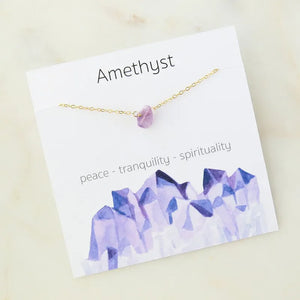
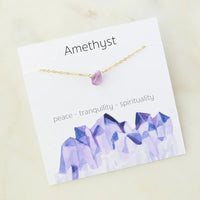
The piece they're describing → Stone Charm Necklace for Women — Raw Natural Gemstone Pendant
Personalize Yours


