

- Opal is the official October birthstone and gets its value from play-of-color, not clarity or cut, the way diamonds do.
- Real opal shows an irregular, shifting color pattern; imitation (plastic or glass) shows a repeating, grid-like "lizard skin" or "snakeskin" pattern.
- Opal is soft (Mohs 5.5–6.5), so it scratches and chips more easily than quartz, sapphire, or diamond and needs careful storage.
- Doublets and triplets (thin opal slices bonded to a backing, sometimes topped with clear quartz) are real opal but worth far less than solid natural stones — ask before you buy.
- AJLuxe doesn't currently carry a dedicated opal collection, so if you're shopping specifically for opal, look to an opal specialist or a large multi-brand jeweler instead.
Opal is one of the most-searched gemstones every October, and for good reason — no two stones look alike, and the right piece can look like it's holding a tiny galaxy under glass. But opal jewelry also has more buying traps than most gemstones: soft stones, thin doublets sold at solid-opal prices, and superstition that scares off buyers who'd otherwise love it. Here's what actually matters before you buy.
What Is Jewelry With Opals?
Jewelry with opals is any piece built around opal, a non-crystalline mineraloid formed from silica and water that refracts light into flashes of color as you move it. Unlike a diamond or ruby, opal isn't graded on clarity or faceting — its whole value comes from the intensity, pattern, and range of colors in its play-of-color, plus its body tone (how light or dark the background of the stone is). That's why two opals of the same size can be priced completely differently.
Is Opal Jewelry Worth Anything?
Yes — opal jewelry can be worth anywhere from a few dollars to several thousand, and the gap comes down to whether the stone is natural, a doublet/triplet, or a lab-created imitation, plus its origin, body tone, and pattern strength. A small doublet set in a fashion ring might sell for under $50, while a solid natural black opal with strong, even color coverage can command a serious price at auction or from a specialty dealer. Origin matters too — opal from Lightning Ridge, Australia (source of most fine black opal) and Ethiopian opal (a newer, fast-growing source) are both legitimate and valuable, just valued differently by collectors.
Who Should Not Wear Opal?
There's no physical reason any specific person "shouldn't" wear opal — the old superstition that opal is unlucky for anyone not born in October is folklore, not fact, and has no basis in gemology. The real consideration is lifestyle: because opal is soft and can chip or crack under sharp impact or extreme dryness, people who work with their hands constantly — contractors, gardeners, gym-goers who lift without taking rings off — may want to save opal rings for lower-impact days rather than wearing them daily like a sterling silver band.
How Can You Tell If Opal Jewelry Is Real?
You can tell real opal jewelry apart from imitation by looking closely at the color pattern: natural opal shows an irregular, random flash of color that shifts unpredictably as you tilt it, while plastic or glass imitations show a repeating, grid-like pattern jewelers call "lizard skin" or "snakeskin." A few other checks help too:
- Check the back and sides. A flat, glued-together edge with a visible seam usually means you're looking at a doublet (opal slice + backing) or triplet (opal + backing + clear cap), not a solid stone.
- Look for uniform bubbles. Glass and plastic imitations often contain tiny round bubbles under magnification; natural opal doesn't.
- Ask for paperwork. Reputable opal sellers will disclose whether a stone is natural, a doublet/triplet, or lab-created (synthetic opal is real man-made silica, not fake, but it's priced very differently). If in doubt, a certified gemologist or an independent lab can confirm it.
Who Sells the Best Opal Jewelry?
The best opal jewelry comes from a mix of dedicated opal specialists and large jewelers with strong sourcing and return policies — there's no single "best," but a few names come up consistently for different reasons:
- Blackopaldirect — an opal specialist focused specifically on Australian black and boulder opal, a good option if you want a serious natural stone and don't mind paying specialist prices.
A quick note: AJLuxe doesn't currently carry a dedicated opal collection. If opal is specifically what you're after, one of the retailers above is a better starting point right now.
Types of Opal Jewelry: A Quick Comparison
Not all opal in jewelry is the same thing, and the differences explain most of the price range you'll see shopping around.
| Opal Type | Typical Source | Appearance | What to Know |
|---|---|---|---|
| White/light opal | Australia, Ethiopia | Pale body tone with colorful flashes | Most common and widely available type; entry-level pricing |
| Black opal | Lightning Ridge, Australia | Dark body tone that makes play-of-color pop | Generally the most prized and highest-priced type |
| Boulder opal | Queensland, Australia | Thin opal vein left attached to its ironstone host rock | Naturally durable backing; unique one-of-a-kind patterns |
| Fire opal | Mexico | Transparent to translucent orange/red, often without play-of-color | Valued for body color alone, cut like a faceted gemstone |
| Ethiopian (hydrophane) opal | Wollo, Ethiopia | Bright, often high-contrast play-of-color | Can absorb water and change appearance temporarily — needs extra care |
| Doublet/triplet | Made from thin slices of any of the above | Looks like solid opal from the front | Real opal, but worth far less than a solid stone of the same size |
How to Choose Opal Jewelry That Lasts
Choosing opal jewelry that lasts means prioritizing a protective setting and a hypoallergenic base metal as much as the stone itself. Because opal chips more easily than harder gems, look for bezel or protective-prong settings that shield the stone's edge rather than open claw settings that leave it exposed. Pair that with a base metal that won't irritate skin over years of daily wear — 925 sterling silver with 18K gold plating is a common, hypoallergenic choice for exactly this reason, since it avoids the nickel content that triggers most metal allergies.
Caring for Opal Jewelry
Opal jewelry needs gentler care than most gemstones you already own. A few rules keep a piece wearable for decades:
- Skip the ultrasonic cleaner. The vibration and heat can crack opal; hand-clean with a soft cloth and lukewarm water instead.
- Avoid extreme dryness or heat. Opal contains trace water content and can develop fine surface cracks ("crazing") if it dries out too quickly — don't leave opal jewelry near direct heat, in a hot car, or in very dry storage for long stretches.
- Store it separately. Because opal is softer than most other gems, storing it loose in a jewelry box lets harder stones scratch it — wrap it or give it its own compartment.
- Take it off for rough activity. Remove opal rings before manual work, sports, or swimming to avoid chips and chemical exposure.
Frequently Asked Questions
Is opal jewelry worth anything?
Yes — value ranges from a few dollars for small doublets or synthetic opal to several thousand for natural solid black opal with strong, even color, depending on whether the stone is natural, assembled, or lab-created, plus its origin and pattern.
Who should not wear opal?
No one is physically unable to wear opal — the "bad luck if you're not born in October" idea is folklore, not fact — but people who are hard on their jewelry day to day may want to save opal pieces for lower-impact occasions since the stone chips more easily than harder gems.
Who sells the best opal jewelry?
How can you tell if opal jewelry is real?
Real opal shows an irregular, unpredictable flash of color as you tilt it, while imitation plastic or glass shows a repeating, grid-like pattern; checking the stone's back for a glued seam (a sign of a doublet or triplet) and asking the seller for disclosure are the other quick checks.
What is the Mohs hardness of opal?
Opal ranks 5.5 to 6.5 on the Mohs hardness scale, which is softer than quartz, sapphire, and diamond, so it needs more careful handling and storage than most other jewelry stones.
Is opal the birthstone for October?
Yes, opal is one of the two official birthstones for October, alongside tourmaline.
Source: GIA — Gemological Institute of America.
All third-party trademarks, brand names and product names are the property of their respective owners. AJLuxe is not affiliated with, endorsed by, sponsored by, or otherwise connected to any third-party brand referenced in this article. Brand names are used solely for accurate comparative reference, and material descriptions reflect each brand's own published product specifications at the time of writing.
You Might Also Like

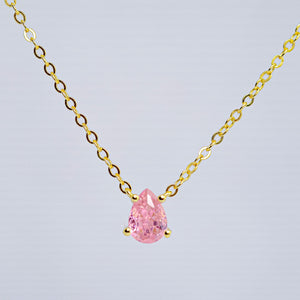
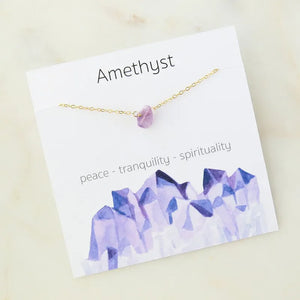
The piece they're describing → Stone Charm Necklace for Women — Raw Natural Gemstone Pendant
Personalize Yours


