

Jade is one of the oldest and most symbolically rich gemstones in human history. For over 7,000 years — long before diamonds became the stone of choice — jade was the most treasured material on earth. Ancient Chinese emperors were buried in jade suits. Mayan rulers wore jade masks into death. New Zealand's Maori carved heirloom weapons and pendants from it that were passed across generations.
In this guide, you'll learn what jade actually means (and why it varies so much by culture), the critical difference between the two minerals called "jade," how jade's color changes its symbolism, what the Type A/B/C/D grading system means for buyers, and how to tell genuine jade from the fakes and treated stones that flood today's market.

Jade Is Two Different Minerals — And That Matters
Here's what most articles skip: jade is not a single mineral. It's an umbrella name for two completely different silicate minerals — nephrite and jadeite — that share a similar appearance but differ in chemistry, hardness, origin, rarity, and value.
Before the 1860s, no one knew the difference. French mineralogist Alexis Damour first separated them in 1863. Today, gemologists treat them as distinct stones — but in everyday conversation (and most jewelry marketing), both are still called "jade."
| Property | Nephrite | Jadeite |
|---|---|---|
| Mineral family | Actinolite-tremolite (amphibole) | Pyroxene |
| Hardness (Mohs) | 6.0–6.5 | 6.5–7.0 |
| Main origins | British Columbia, New Zealand, China (Xinjiang), Russia, Taiwan | Myanmar (Burma) — 95%+ of gem-quality supply; also Guatemala, Japan |
| Rarity | More common | Rarer — high-quality jadeite is extremely scarce |
| Price range | $10–$1,000+ per piece (jewelry) | $100–$10,000,000+ (Imperial Grade) |
| Texture | Fibrous, dense, waxy | Granular interlocking crystals, glassy |
| Colors | Green, white, grey, black, brown | Full spectrum — green, white, lavender, orange, black, yellow, red |
| Most prized form | Mutton-fat white (China); pounamu (Maori NZ) | Imperial Jade — vivid, highly translucent emerald green |
| Traditional use | Carved artifacts, burial objects, Chinese ceremonial items | Modern fine jade jewelry, investment pieces |
Which one you have matters for both meaning and value. Most affordable jade jewelry uses nephrite. Fine jade jewelry — particularly pieces sold at auction houses or by specialist dealers — is typically jadeite. When a seller just says "jade" without specifying, ask which mineral it is.
What Jade Means Across Cultures
No gemstone has been valued by as many unconnected civilizations as jade. Three separate cultures — in East Asia, Mesoamerica, and the Pacific — independently elevated jade to the status of sacred material, often above gold. What they had in common: they all lived near jade deposits, and they all recognized something in its toughness, translucence, and color that felt alive.
China: The Stone of Heaven
Chinese jade culture stretches back to at least 5,000 BCE — the Hongshan culture of northeastern China carved jade into ceremonial objects long before bronze was smelted. In imperial China, jade was tied directly to virtue through a concept called Wu Lun, the Five Cardinal Relationships, and the philosopher Confucius described jade's qualities in terms of human virtue:
- Benevolence (rén): Jade's warm, gentle luster reflects human kindness
- Wisdom (zhì): Jade's translucence suggests inner clarity and knowledge
- Courage (yǒng): Jade's toughness — it chips rather than shatters — mirrors moral backbone
- Justice (yì): Jade's sharp sound when struck is clean and unwavering
- Purity (jié): Jade does not contaminate what it touches — unlike metals that tarnish or corrode
This framework made jade the only fitting gift for emperors, scholars, and the gods. The bi disc — a flat jade circle with a central hole — was a symbol of heaven itself. Han dynasty emperors were buried in full jade suits, sewn from thousands of carved jade tiles connected by gold wire, to preserve the body for the afterlife. Today, jade remains the most common good-luck gift in Chinese culture. A jade bangle given at birth is meant to protect the wearer for life.
Mesoamerica: More Valuable Than Gold
The Olmec civilization, flourishing around 1500–400 BCE on the Gulf Coast of Mexico, were among the first to carve jadeite into ritual objects. For them — and for the Maya and Aztec who followed — jade ranked higher than gold. Gold was decorative. Jade was divine.
Mayan rulers wore jade mosaic masks in death. The Aztec word for jade, chalchihuitl, was also a name for water and for blood — the three most precious things. Jade was associated with rain, agricultural fertility, and the corn god Quetzalcoatl. When the Spanish arrived and saw jade being worn like the most prized European gemstones, they named it piedra de la ijada — "stone of the flank" — believing it could cure kidney and flank pain. This is the direct origin of the English word "jade."
New Zealand: Living Taonga
Maori culture in New Zealand reveres pounamu — a type of nephrite found only on the South Island's West Coast — as a living taonga (treasure) with its own wairua (spirit). Pounamu is used to carve hei-tiki (human figures representing ancestors), mere (battle clubs), and hei matau (fish hooks representing strength and safe travel over water).
Crucially, Maori pounamu pieces are not simply purchased — they carry the mana (spiritual authority) of everyone who has owned them. A gifted pounamu is considered more powerful than a bought one. When you give someone pounamu, you're giving them a piece of your own protection.

Jade Color Meanings
Jade's color range extends far beyond green. Each color carries distinct symbolism, and many color varieties are exclusive to jadeite (nephrite's palette is narrower). Here's what each color traditionally represents and when to wear or gift it:
| Color | Meaning | Chakra | Best gifted for |
|---|---|---|---|
| Imperial Green | Prosperity, balance, eternal life — the most prized shade | Heart | New beginnings, wealth goals, lasting relationships |
| White / Mutton-fat | Purity, clarity, inner peace — the most revered in classical Chinese culture | Crown | Spiritual milestones, meditation, weddings |
| Lavender | Intuition, emotional healing, spiritual connection | Third Eye | Grief, emotional transitions, creativity |
| Black | Protection, grounding, warding off negative energy | Root | Protection during difficult periods, travel, new challenges |
| Yellow / Honey | Confidence, optimism, abundance — associated with the sun and gold | Solar Plexus | Career milestones, entrepreneurial ventures, academic success |
| Orange / Red | Courage, creativity, passion, energizing the will | Sacral | Artistic pursuits, new relationships, overcoming fear |
| Blue-Grey | Calm communication, loyalty, speaking truth | Throat | Public speaking, difficult conversations, trust-building |
| Purple | Spiritual wisdom, psychic awareness, higher knowledge | Third Eye / Crown | Spiritual practice, healing journeys, meditation |
The Type A/B/C/D Grading System — What Buyers Must Know
This is the most important section in this guide if you're buying jade jewelry. The jade market is full of treated and imitation stones sold alongside natural jade — sometimes at the same price. The GIA-recognized treatment classification system uses four grades, and knowing them protects your purchase.
| Grade | What it means | Treatment applied | Value vs natural |
|---|---|---|---|
| Type A | Natural jade — no treatment except surface waxing (a traditional finish) | Carnauba wax polish only | Full market value — this is what you want |
| Type B | Bleached and polymer-impregnated — natural jade but chemically altered to remove impurities and fill cracks with resin | Acid bleach + polymer injection | Significantly lower — structure is compromised; resin yellows and degrades over years |
| Type C | Dyed jade — color is artificially applied, usually with organic dyes injected along fractures | Chemical dyes | Very low — color fades or bleeds with moisture and light exposure |
| Type D | Simulant — not jade at all. Common impostors: serpentine ("new jade"), prehnite ("Cape Jade" or "Grape Jade"), aventurine, glass, dyed quartzite, plastic | N/A — not jade | No jade value — worth only the cost of the substitute material |
Type B and C jade is legal to sell if disclosed. The problem is that many sellers don't disclose it, and many buyers don't know to ask. If a seller can't confirm Type A status, ask for a GIA or AGL (American Gemological Laboratories) certificate. For pieces above $500, insist on one.
How to spot fake jade without a lab
You won't catch everything — Type B jade often fools the eye. But these tests catch simulants and obviously treated stones:
- Temperature test: Real jade feels cold against your skin and warms slowly. Glass and plastic warm instantly. Run your tongue across the surface — real jade has a distinct cold, smooth density.
- Knock test: Jade has a clear, bell-like ring when two pieces are tapped together. This is the chime test — nephrite rings slightly differently from jadeite, but both ring clearly. Glass and plastic thud.
- Scratch test (last resort): At 6–7 on the Mohs scale, jade won't scratch easily with a steel knife (Mohs 5.5). If it scratches like butter, it's likely serpentine or soapstone.
- UV light: Type B jade often fluoresces bluish-white under shortwave UV due to the polymer impregnation. Natural Type A typically shows no or very faint fluorescence.
- Price check: Imperial-grade jadeite is rare and expensive. If someone offers you an intensely green, translucent jadeite piece for under $100, it's almost certainly Type B or C — or not jadeite at all.
Jade and the Heart Chakra
Green jade is most closely associated with the heart chakra (Anahata) in crystal healing traditions. The heart chakra governs love, compassion, generosity, and the ability to both give and receive emotional connection. Wearing jade over the sternum — as a pendant — is believed to keep this energy center open and balanced.
White jade is linked to the crown chakra (Sahasrara) — clarity, spiritual connection, and inner stillness. Black jade connects to the root chakra (Muladhara) — grounding, safety, and protection from external negativity. If you're drawn to a specific jade color, the chakra association often reflects what you're working on emotionally or spiritually at that time.
In Chinese medicine traditions, jade was believed to absorb negative chi and release positive chi — a kind of energetic filtration. This is why jade bangles were worn continuously, rarely removed, and why older jade pieces (particularly those passed down through families) are considered more powerful: they've absorbed and transformed energy over decades.
Jade and the Zodiac
In Western astrology, jade is most strongly associated with three signs: Taurus, Libra, and Pisces.
- Taurus (April 20–May 20): Jade's grounding, prosperity energy aligns with Taurus's appreciation for beauty, stability, and material abundance. Green jade is considered a primary Taurus stone.
- Libra (September 23–October 22): Jade's heart chakra connection supports Libra's drive for harmony, balance, and fairness in relationships.
- Pisces (February 19–March 20): Jade's dream-enhancing properties and emotional depth resonate with Pisces's intuitive, empathic nature.
In Chinese astrology, jade is associated with the signs of the Ox and Dragon — both associated with steady determination and powerful fortune. Gifting jade to someone born in an Ox or Dragon year is considered especially auspicious.
Jade Healing Properties
Crystal healing traditions attribute a wide range of properties to jade. These are beliefs held across many cultures, not medical claims.
Emotional: Jade is considered a stabilizing stone — it's said to calm anxiety, quiet the inner critic, and soften perfectionism. It's associated with self-sufficiency and the wisdom to know when to act and when to wait. Many people use jade during transitions (new jobs, new cities, new relationships) as a grounding anchor.
Mental: Jade has historically been called the "dream stone" — placed under a pillow or worn during sleep to encourage vivid, insightful dreams and to remember them. It's also associated with practical wisdom: making good decisions under pressure, thinking clearly when emotions are running high.
Physical: Traditional Chinese medicine attributed jade's healing to its ability to balance yin and yang energies in the body. It was historically associated with kidney and joint health — the Spanish naming it "kidney stone" (piedra de la ijada) wasn't random — and with longevity. Today, jade rollers and gua sha tools carry this tradition into modern skincare, though the claimed benefits are aesthetic and ritualistic rather than clinically documented.
Protective: All three jade traditions — Chinese, Mayan, Maori — share one belief: jade protects. It guards travelers, wards off bad luck, and absorbs negative energy before it reaches the wearer. Many people wear jade jewelry not for its beauty first, but for this sense of being looked after.
Gifting Jade — What the Traditions Say
Jade is one of the most culturally loaded gifts you can give. Get it right, and it carries centuries of meaning. A few things worth knowing:
Never buy jade for yourself (traditional belief): In Chinese tradition, jade chooses its owner. Jade given as a gift carries the giver's affection and protection — and is therefore more powerful than a piece you buy for yourself. This isn't universal, but it's the origin of why jade remains among the most common gifts at births, weddings, and significant life milestones.
A cracked jade bangle is not broken — it did its job: Traditional Chinese belief holds that a jade bangle cracks to protect its wearer from harm. Rather than discarding it, many families keep cracked bangles as evidence of the protection given.
Occasions where jade is a meaningful gift:
- New baby (protection for life)
- Coming-of-age milestone (wisdom, strength, new chapter)
- Wedding or anniversary (harmony, fidelity, lasting love)
- Career milestone (prosperity, success)
- Travel (safe passage)
- Recovery from illness or loss (healing, renewal)
If you want to give a meaningful gift that honours this tradition, look for personalized jewelry pieces with heart or stone pendants in silver — paired with the story of what the stone means to the recipient. The meaning behind the gift matters as much as the stone itself.
How to Care for Jade Jewelry
Jade is tough — tougher than quartz — but it's not indestructible. Here's how to keep it looking its best:
- Clean with warm water and mild soap: Use a soft cloth or soft toothbrush. Avoid ultrasonic cleaners — the vibration can worsen hidden fractures, and it will degrade the polymer in Type B jade.
- Avoid harsh chemicals: Bleach, ammonia, and acid-based cleaners damage both the stone surface and any natural wax polish. Remove jade before applying lotions, perfumes, or sunscreen.
- Avoid extreme temperature changes: Thermal shock — going from hot to cold quickly — can cause fractures. Don't wear jade jewelry in saunas or hot tubs.
- Store separately: At Mohs 6–7, jade can be scratched by diamonds and most semi-precious stones. Store it in a soft pouch or separate compartment.
- Check the setting regularly: If your jade is set in a metal pendant or ring, check that the setting is secure. Jade's slight flexibility means it can chip if the setting is loose and the stone moves against hard surfaces.
Related reading: Bride to be gift jewelry.
Related reading: Pearl jewelry guide.
Related reading: Is Zinc Alloy Hypoallergenic? What to Know Before You Buy.
Related reading: Moonstone Ring Jewelry: What to Know Before You Buy (2026).
Related reading: Best Charm Necklaces Under $30 (2026): What to Look For Before You Buy.
Related reading: 14 Karat Gold Rings for Women: What to Know Before You Buy (2026).
Frequently Asked Questions About Jade
What is the spiritual meaning of jade?
Jade represents wisdom, protection, harmony, and good fortune across multiple ancient cultures. In Chinese tradition, jade embodies five Confucian virtues: benevolence, wisdom, courage, justice, and purity. In Mesoamerica, it symbolized the divine and immortality. In Maori culture, it carries ancestral mana and spiritual authority. Green jade specifically is tied to the heart chakra — love, compassion, and emotional balance.
What is the difference between jade and jadeite?
Jadeite is one of the two minerals sold as jade. The other is nephrite. Jadeite is rarer, harder (Mohs 6.5–7 vs. 6–6.5), and comes primarily from Myanmar. It spans a wider color range and includes Imperial Jade — the vivid green variety worth thousands per carat. Nephrite is more widely available, historically the jade of China, New Zealand, and Russia, and found in green, white, grey, and black. Fine jewelry jade is usually jadeite; most budget jade jewelry is nephrite.
What does jade symbolize in Chinese culture?
In China, jade is called the "Stone of Heaven" — associated with heaven itself through the bi disc symbol. Confucius linked jade to human virtue through Wu Lun, the five cardinal virtues. Emperors were buried in jade suits. Today, jade remains the most popular good-luck stone in Chinese culture — jade bangles are gifted to newborns for protection, and jade pendants representing animals or symbols are worn throughout life. Gifted jade carries the giver's protection; a cracking bangle is believed to have absorbed harm on the wearer's behalf.
Who should wear jade?
Jade is considered beneficial for anyone, but it's traditionally most protective for those born in Ox or Dragon years (Chinese astrology) and most energetically aligned with Taurus, Libra, and Pisces (Western astrology). In crystal healing, jade is particularly recommended for people going through transitions — new jobs, new cities, new relationships — and for those working on emotional balance, self-trust, or releasing perfectionism and anxiety.
What is Type A jade?
Type A jade is natural, untreated jadeite or nephrite — the only kind that undergoes nothing more than surface waxing (a traditional and accepted finish). Type B jade has been acid-bleached and polymer-impregnated. Type C jade has been dyed. Type D is not jade at all — it's a simulant like serpentine or glass. For any significant purchase, ask specifically for Type A certification, preferably from GIA or AGL.
Is jade good luck?
Across Chinese, Mayan, and Maori cultures — three entirely separate civilizations — jade was independently identified as a protective, luck-bringing stone. In Chinese culture, it is explicitly linked to prosperity, health, and good fortune. The consistency of this belief across unconnected cultures over thousands of years is part of what makes jade so symbolically powerful. Whether or not you believe in crystal energy, wearing jade connects you to millennia of human tradition around protection and harmony.
Can you wear jade every day?
Yes. At Mohs 6–7, jade is durable enough for daily wear — more resistant to scratching than many common stones. Traditional jade bangles are worn continuously and never removed. The only precautions: remove jade before activities involving harsh chemicals (cleaning, swimming in chlorinated pools), extreme heat, or significant impact. Jade can chip on hard surfaces, particularly along the edges of bangles and carved pieces.
How can you tell if jade is real?
The most reliable method is a lab certificate (GIA, AGL). At home: real jade feels cold and warms slowly against your skin; glass and plastic warm immediately. Two jade pieces tapped together produce a clear, bell-like ring — the chime test. Real jade won't scratch with a steel file. Under UV light, Type B jade often glows bluish-white due to polymer impregnation; natural jade typically shows little or no fluorescence. If a piece is sold as Imperial green jadeite at a suspiciously low price, it almost certainly isn't.
What does a jade bangle mean?
A jade bangle is the most traditional form of jade jewelry, particularly in Chinese culture. Worn continuously on the left wrist (the side connected to the heart), it is believed to protect the wearer throughout their life. In Chinese tradition, a jade bangle is a common birth gift — meant to guard the wearer from injury and bad fortune. A cracking or breaking bangle is not considered bad luck; it's believed to have absorbed a harmful blow on behalf of the wearer.
What chakra is jade associated with?
Green jade is most closely linked to the heart chakra (Anahata) — governing love, compassion, and emotional openness. White jade is associated with the crown chakra (Sahasrara) — spiritual clarity and connection. Black jade connects to the root chakra (Muladhara) — grounding, safety, and protection. Lavender and purple jade align with the third eye chakra (Ajna) — intuition and inner vision. The specific color of your jade determines which energy center it's traditionally said to influence.
Is jade a birthstone?
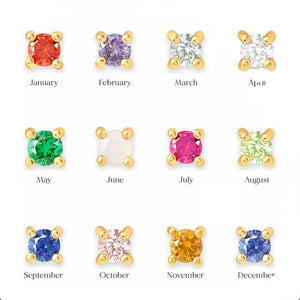
Jade is not one of the modern twelve official birthstones (established by the American National Retail Jewelers Association in 1912), but it appears in several older birthstone traditions. It is sometimes listed as an alternative August birthstone (alongside peridot and sardonyx), and in Chinese astrology it is the signature stone of those born in Ox and Dragon years. Many crystal practitioners also assign jade to Taurus (April–May).
Does jade lose its properties over time?
In crystal healing traditions, jade is believed to absorb negative energy over time, which is why periodic cleansing is recommended. Common methods: rinsing with cool water, brief sunlight or moonlight exposure (avoid prolonged direct sunlight — it can fade dyed Type C jade), or resting on a selenite charging plate. In terms of physical durability, natural Type A jade is stable for centuries and doesn't degrade. Type B jade is different — the polymer impregnation can yellow, crack, and deteriorate over 10–20 years, especially with heat and chemical exposure.
If you're a Pisces (February 19 – March 20), see our dedicated Pisces birthstone guide for the full aquamarine, bloodstone, and jade stone profile for this water sign.
Final Thoughts
Jade carries more history, more cultural weight, and more variety than almost any other stone. It's been a currency, a symbol of heaven, a battle weapon, a healing tool, and a family heirloom — across cultures that never knew each other existed. That's a rare thing for any material to be.
If you're drawn to jade, start by identifying what matters to you: the meaning (which color and culture resonates?), the type (nephrite is more accessible, jadeite more rare), and the treatment (Type A is the only grade worth investing in). Know what you're holding before you wear it or give it, and the stone carries that much more intention with it.
Ready to actually buy or style jade-toned jewelry? See our jade green jewelry buying guide for real market prices, how to spot dyed or fake jade before you buy, and how to style the color with gold or silver.
At AJLuxe, we specialize in personalized sterling silver jewelry — hypoallergenic pieces crafted in 18K gold plating over 925 sterling silver for those who wear their meaning close. Browse our personalized jewelry collection or our sterling silver jewelry range for pieces built to last. Free US shipping on all orders. Gift-ready box included.
Written by Vaishakhi Ajmera — founder and jewelry specialist at AJLuxe. Last updated: May 2026.
All third-party trademarks, brand names and product names are the property of their respective owners. AJLuxe is not affiliated with, endorsed by, sponsored by, or otherwise connected to any third-party brand referenced in this article. Brand names are used solely for accurate comparative reference, and material descriptions reflect each brand's own published product specifications at the time of writing.
You Might Also Like
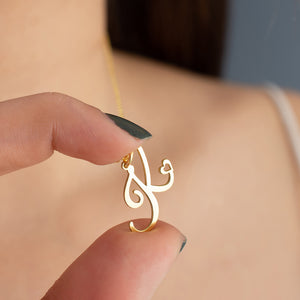
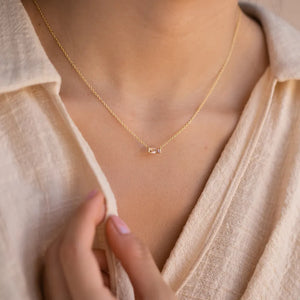
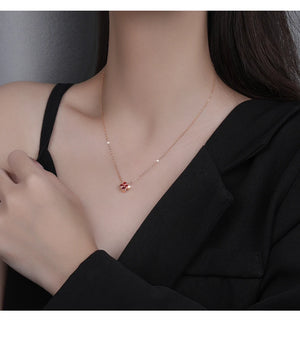
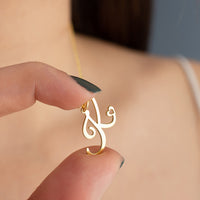
The piece they're describing → Heart Initial Necklace for Women — 18K Gold Plated, Personalized Letter + Heart Pendant
Personalize Yours


