


- Does surgical steel contain nickel? Yes. Every stainless steel does, and 316L has some of the highest levels among common grades.
- The nickel is locked into the alloy, and a protective surface layer keeps release low, which is why most wearers do fine.
- "Surgical steel" has no single legal definition, so the grade matters more than the label.
- With a known nickel allergy, or a fresh piercing that is still healing, titanium and similar options are often suggested instead. Ask a doctor or piercer.
- Look for the grade (316L), a named finish and a seller that does not say "nickel free".
Is surgical steel hypoallergenic?
Surgical steel is considered hypoallergenic for most wearers, because it releases very little nickel, but "hypoallergenic" means less likely to cause a reaction, not guaranteed safe. Nickel allergy is common: one multi country study of adults in Europe found about one in seven were sensitized to nickel, with results ranging by country from roughly 8% to 18%. People with that allergy can react to metals that release even small amounts, and jewelry that sits against skin for long periods, like earrings, is a typical trigger.
So the honest answer is "usually yes, with limits". Our overview of what makes jewelry hypoallergenic explains why the word is not regulated in the way people assume.
Does surgical steel contain nickel?
Yes, surgical steel contains nickel, typically about 10 to 14% in 316L, although sources quote slightly different ranges. A typical 316L analysis is iron with roughly 16 to 18% chromium, 10 to 14% nickel and 2 to 3% molybdenum, with very low carbon (that is the "L"). The nickel is part of the metal structure, not a coating, which is why you cannot polish it off or avoid it by choosing a different finish.
This also answers the common variations of the question: does surgical stainless steel have nickel, and is surgical steel nickel free. It has nickel, and it is not nickel free. No stainless steel is, so any listing that says otherwise is overstating, and we do not make that claim about our own pieces.
If it has nickel, why do most people not react?
Most people do not react because the nickel is bound in the alloy and a thin chromium rich surface layer limits how much escapes into sweat. Allergic reactions are driven by nickel that is actually released onto skin, not by nickel sitting inside the metal. Rules in some regions limit how much nickel an item worn against the skin may release, and stainless steels are generally able to meet those limits. We cannot test your jewelry for you, though, and release depends on the finished piece, not just the grade.
What does "surgical steel" actually mean?
"Surgical steel" is a trade term, not a protected one, and there is no single worldwide definition. In jewelry it usually points to 316L, and sometimes to 316LVM, a vacuum melted version made with extra cleanliness controls and used for implants. A seller can use the phrase for lower grades, so ask for the grade. If a listing says only "surgical steel" or "stainless steel" and gives no grade, treat it as unverified. Our deeper write up on whether stainless steel jewelry is hypoallergenic covers grades such as 304 versus 316L.
Surgical steel vs other metals for sensitive skin
The table is general information about how these metals are usually described, not medical advice, and individual reactions vary.
| Metal | Nickel? | Usually suitable for | Watch for |
|---|---|---|---|
| 316L / 316LVM steel | Yes, bound in the alloy | Most wearers; durable everyday pieces | Known nickel allergy; fresh piercings |
| Other stainless (such as 304) | Yes | Costume use | Less certainty about quality and release |
| 925 sterling silver | Not part of the standard recipe, but alloys vary by maker | Many sensitive wearers | Tarnish; ask the maker about the alloy |
| Titanium | Not intentionally added | Often suggested for allergy and piercings | Grade and finish still matter |
| Plated base metals | Depends on the base | Style and price | Plating wears and exposes the base |
For a head to head, see surgical steel vs sterling silver, and for titanium see titanium vs stainless steel earrings.
Can you be allergic to surgical steel?
Yes, you can react to surgical steel, usually if you are sensitized to nickel. Typical signs of a metal reaction are redness, itching, bumps or a rash where the metal touches. This is general information, not a diagnosis. If it happens, take the jewelry out and ask a doctor, who can arrange a patch test to confirm a nickel allergy. Not every reaction is an allergy; friction, sweat trapped under a backing, soaps and a not yet healed piercing can also irritate skin.
Is surgical steel good for sensitive ears and earrings?
For many people with merely sensitive skin, surgical steel earrings are a reasonable choice, but they are not the safest pick for a confirmed nickel allergy. Ears are a higher risk spot, because posts sit in a piercing for hours. If your ears have reacted before, a doctor or piercer can suggest what to try first, and our guide to the best earrings for sensitive ears lists safer options and how to test a new pair.
Does surgical steel tarnish or rust?
Surgical steel resists tarnish and rust well, but it can dull, spot or discolor with chlorine, salt and harsh chemicals. A plated finish adds its own wear question: the plating can thin over time even if the steel underneath holds up. See does stainless steel jewelry tarnish for the cases to avoid.
An honest note on our range
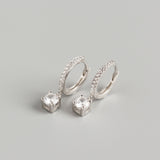
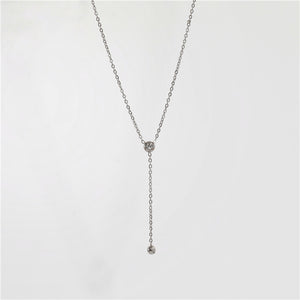
Most of our jewelry is 925 sterling silver, and a smaller set is 316L stainless steel with plating, so we sell steel but not titanium. We describe our steel pieces as considered hypoallergenic for most wearers, never as nickel free. Examples are the silver drop huggie hoops (316L steel, rhodium plated) and the CZ Y necklace (316L steel, rhodium plated). If you have a diagnosed nickel allergy, ask your doctor before wearing any of them. For a sterling alternative, see our hypoallergenic earrings collection, and read best hypoallergenic earrings for how we think about the choice.
A quick checklist before you buy steel jewelry
- Is the grade named (316L or 316LVM), not just "surgical" or "stainless"?
- Does the seller say "nickel free"? If so, be cautious, because no stainless steel is.
- Is it plated? Plating wears, so check what is underneath.
- Do you have a known nickel allergy or a new piercing? Ask a doctor or piercer first.
- Does the return policy let you try it? Ours offers free returns.
Frequently Asked Questions
Is surgical steel hypoallergenic?
It is considered hypoallergenic for most wearers, but not for everyone, because it contains nickel. People with a diagnosed nickel allergy should ask a doctor first.
Does surgical steel contain nickel?
Yes. 316L typically contains roughly 10 to 14% nickel, bound into the alloy, though sources quote slightly different ranges.
Does surgical stainless steel have nickel?
Yes, all stainless steels have some, and surgical grades are not an exception. Release onto skin is low, but it is not zero.
Is surgical steel nickel free?
No. Be wary of any listing that calls steel nickel free.
Can I be allergic to surgical steel?
Yes, mostly if you are allergic to nickel. A doctor can confirm with a patch test, and this page is general information only.
Is surgical steel good for sensitive skin?
Often, yes, if your skin is simply sensitive rather than allergic. If you react to metals, try one piece first and watch your skin.
Does surgical steel tarnish?
It resists tarnish and rust but can dull with chlorine, salt water and harsh cleaners. Plated steel can also lose its finish with wear.
Can you get an MRI with surgical steel earrings?
You should remove jewelry before an MRI and tell the imaging team about any metal you wear. Ask them directly, because safety rules depend on the scanner and the item.
What metal is the most hypoallergenic?
There is no single answer, but titanium and niobium are often suggested for nickel allergy. Our hypoallergenic metal jewelry guide compares them.
All third-party trademarks, brand names and product names are the property of their respective owners. AJLuxe is not affiliated with, endorsed by, sponsored by, or otherwise connected to any third-party brand referenced in this article. Brand names are used solely for accurate comparative reference, and material descriptions reflect each brand's own published product specifications at the time of writing.
You Might Also Like
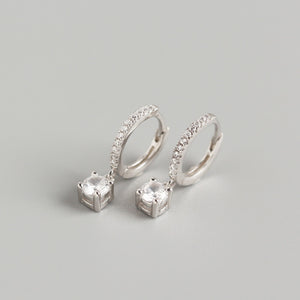
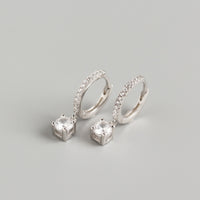
The piece they're describing → Silver Drop Huggie Hoop Earrings for Women — 316L Stainless Steel, Rhodium Plated
Personalize Yours


