


Online earring forums get asked "what's good to sleep on?" often enough that it's become a recurring thread, and the honest answer has two parts: the shape of the earring, and the metal it's made from. Get either one wrong and you're either waking up with a red, irritated lobe or fishing a stud out from between the sheets.
What Type of Earring Is Best for Sleeping?
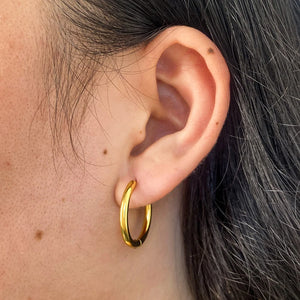
A small, secure stud earring is the best shape for sleeping — anything that dangles, swings, or has a loose-fitting back is the real cause of most sleep-earring discomfort, not the material. Hoops and drop earrings can catch on a pillowcase or shift position overnight, creating pressure points or small tears at the piercing site. A snug stud with a post that sits close to the lobe and a back that doesn't loosen overnight avoids nearly all of that.
Some brands go a step further with a genuine "flat-back" design — a threaded, low-profile post that sits flush against the back of the ear rather than protruding, purpose-built to eliminate the poking sensation entirely. That's a real, worthwhile format if you sleep on your side every night and it bothers you; a well-fitted standard push-back stud is a solid middle ground if you don't need that specific engineering.
What Type of Earrings Are Most Hypoallergenic?
Implant-grade titanium, niobium, and solid 14K+ gold are the most hypoallergenic earring materials, with genuinely hallmarked 925 sterling silver close behind for anyone past the initial piercing-healing stage. Nickel is responsible for the large majority of jewelry-related skin reactions (American Academy of Dermatology cites roughly 1 in 5 women in the U.S. as nickel-allergic), so the metal underneath any plating matters far more than the finish on top. A gold-plated earring over an unlabeled base alloy can still cause a reaction once the plating wears thin — a risk that's higher with overnight wear, since sweat and skin oils accelerate that wear.
Are There Hypoallergenic Nap Earrings Available?
Yes — several specialty brands make purpose-built flat-back studs in implant-grade titanium specifically for overnight wear. These typically cost more than a standard stud because of the specialized flush-post engineering, and they're worth it if sleep comfort is your main complaint. For general hypoallergenic everyday wear that also holds up fine overnight, a well-fitted 925 sterling silver stud is a lower-cost option that covers most people's needs without the dedicated flat-back format.
Best Hypoallergenic Earrings for People With Allergies
The best hypoallergenic earrings for allergy-prone skin are ones with a verified nickel-free base metal and a documented material spec, not just a "hypoallergenic" label on the listing. Look for a stamped "925" on sterling silver, a stated karat on gold, or a named ASTM standard for titanium — any of those is a real, checkable claim; "hypoallergenic" with no material named is not.
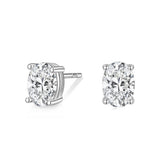
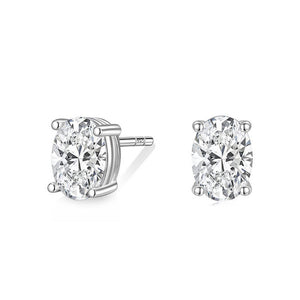
Our own CZ stud earrings are built on genuinely 925-hallmarked sterling silver — stamped directly into the post, not printed on a tag — left unplated so there's no surface layer to wear through overnight. They're a secure, snug-fitting stud on a standard friction push-back, which most people find comfortable enough for regular sleep once a piercing is healed. If a true flush flat-back post is what you specifically need for side-sleeping comfort, a specialty piercing-jewelry brand's dedicated nap-earring line is the more precise fit — we're being upfront that it's not our exact format.

A Secure, Everyday Stud That Holds Up Overnight
925 sterling silver, unplated, prong-set cubic zirconia, standard push-back — $26.99.
Shop CZ Stud Earrings →Keeping Sleep Earrings Comfortable Night After Night
Check the back tightness before bed, not just when you first put earrings in — a push-back post that's loosened slightly over the day is the most common cause of an earring shifting and poking overnight. A few habits that help: tighten the back gently before sleeping, avoid sleeping directly on a fresh piercing for the first several weeks regardless of earring shape, and swap to a smaller or flatter stud specifically for nights if your usual earrings are on the larger side.
Frequently Asked Questions
Straight answers to the questions people actually ask about hypoallergenic earrings for sleeping.
What type of earring is best for sleeping?
A small, secure stud with a snug-fitting back is best for sleeping — dangling or loosely-backed styles are what actually cause overnight poking and snagging. A dedicated flat-back design goes a step further by sitting flush against the ear for maximum comfort.
What type of earrings are most hypoallergenic?
Implant-grade titanium, niobium, and solid 14K+ gold are the most hypoallergenic materials, with genuinely 925-hallmarked sterling silver a solid option once a piercing has healed. All are nickel-free, which is the metal responsible for most jewelry-related skin reactions.
Are there hypoallergenic nap earrings available?
Yes — several specialty brands make purpose-built flat-back titanium studs designed specifically for overnight wear. A well-fitted, genuinely nickel-free standard stud is a lower-cost alternative that works for most people, just without the flush-post engineering of a dedicated nap-earring line.
What are the best hypoallergenic earrings for people with allergies?
The best options have a verified nickel-free base metal with a stated material spec — a stamped "925" on sterling silver, a named karat on gold, or a cited ASTM standard for titanium — rather than just a "hypoallergenic" label with no material named.
Final Thoughts
Comfortable, hypoallergenic sleep is mostly a shape problem first and a material problem second: a small, secure stud in a genuinely nickel-free metal solves it for most people, and a dedicated flat-back format solves the last bit of overnight pressure for anyone who needs it. Know which one you actually need before you buy.
All third-party trademarks, brand names and product names are the property of their respective owners. AJLuxe is not affiliated with, endorsed by, sponsored by, or otherwise connected to any third-party brand referenced in this article. Brand names are used solely for accurate comparative reference, and material descriptions reflect each brand's own published product specifications at the time of writing.
You Might Also Like
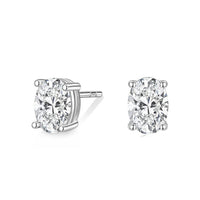
The piece they're describing → CZ Stud Earrings for Women — 925 Sterling Silver, Prong-Set Cubic Zirconia, Hypoallergenic
Personalize Yours


