


- Look for a named solid metal at the post and back: implant-grade titanium, niobium, 925 sterling silver or solid gold.
- "Hypoallergenic" is a marketing word, not a guarantee, so read the actual base metal, not just the label on the card.
- Gold-tone and plated earrings over an unnamed base metal are the most common cause of reactions once the plating wears.
- Newly pierced ears heal best in the material the piercing was done with, so avoid swapping metals mid-healing.
- Alloys vary, so if you have a known metal allergy, test a new pair for a few hours before a full day of wear.
- AJLuxe's earrings below are 925 sterling silver (plain or 18K gold plated), priced from $31.99.
If your ears turn red, itch, or swell after a few hours in a pair of earrings, the cause is almost always what touches your skin at the post and the back, not the style. "Hypoallergenic" gets printed on packaging so loosely that it rarely tells you much on its own, so this guide breaks down which materials tend to be gentlest on sensitive and newly pierced ears, which ones only claim to be, and how to tell the difference before you buy. For more detail, see our guide to hypoallergenic earrings.
What Makes Earrings Hypoallergenic?
An earring is hypoallergenic in practice when the metal that touches your skin is one you personally do not react to, and the most common culprit is nickel, which many cheap alloys contain. Nickel shows up in the base metal of a lot of costume and "gold-tone" jewelry even when the surface has a thin gold or rhodium layer. Once that layer wears at the post, which sits inside the piercing all day, the metal underneath is what your skin meets. Solid metals such as titanium, niobium and sterling silver have no thin coating to wear through, which is why they are the usual starting point. Alloys vary between makers, so no label can promise a reaction-free pair.
Best Materials for Sensitive Ears: A Side-by-Side Comparison
Implant-grade titanium and niobium are the gentlest materials for most people, followed by sterling silver and solid gold, while plated and unmarked costume metals are the most likely to cause trouble. The table lines up what you will see on earring cards.
| Material | Usually gentle on skin? | Everyday comfort | Best for |
|---|---|---|---|
| 925 sterling silver (plain, or 18K gold plated over it) | Often yes; alloys vary | Lightweight, warms to skin | Daily wear on healed ears |
| Implant-grade titanium | Very often yes | Very lightweight | New piercings, very reactive skin |
| Niobium | Very often yes | Lightweight, similar to titanium | Metal-sensitive wearers, piercing studios |
| Surgical steel (316L) | Usually, but it contains some nickel bound in the alloy | Sturdy, slightly heavier | General everyday wear for most people |
| Gold or rhodium plated brass or copper | Not reliably, the plating wears through | Can tarnish or mark skin | Occasional wear only |
| Unmarked "gold tone" costume metal | No, the base metal is unknown | Frequently causes reactions | Not recommended for sensitive ears |
What Are the Most Hypoallergenic Earrings for Sensitive Ears?
The most hypoallergenic earrings for sensitive ears are made entirely from one named solid metal, such as implant-grade titanium, niobium, 925 sterling silver or solid gold, with no plated layer between your skin and an unknown base metal. Check three things on the listing before you buy: the actual metal is named (not just the word "hypoallergenic"), the post and back are made of that same metal, and, if the piece is gold plated, that the plating sits over a named solid base such as 925 sterling silver rather than brass or copper. Even then, individual reactions differ, so a trial wear is the safest test.
Are Hypoallergenic Earrings Good for Newly Pierced Ears?
Yes, but only if you keep wearing the material the piercing was originally done in until it has fully healed, because hypoallergenic does not mean interchangeable during the healing window. Piercers typically start a new piercing with implant-grade titanium, niobium or surgical steel because those metals are the least likely to interfere with healing, and switching to another metal too early can bring back irritation from the change itself, not from an allergy. Once a lobe piercing has fully healed, sterling silver and gold plated sterling silver are generally fine for everyday wear for most people. Your piercer is the right person to confirm your healing timeline.
What Is the Best Hypoallergenic Material for Piercings?
Implant-grade titanium is generally considered the safest material for fresh piercings, followed closely by niobium, because both are biocompatible metals used in medical implants and are nickel-free by composition. For jewelry you wear after healing, 925 sterling silver is the most practical everyday choice: it is widely available, usually much less expensive than titanium, and takes gold plating well if you want the look of gold without solid gold. Sterling silver is an alloy, so it is gentle for many people but not guaranteed for everyone.
What Is the "2-3 Rule" for Ear Piercings?
There is no single official "2-3 rule": it is informal shorthand for two rough healing milestones, about 2 to 3 weeks before daily tenderness and swelling noticeably fade, and about 2 to 3 months before a first lobe piercing is stable enough that removing the jewelry briefly will not risk the hole starting to close. Healing varies by piercer, piercing location and the person, so treat these numbers as a loose rule of thumb and confirm your own schedule with the piercer who did the work.
How Do You Know If You're Reacting to the Metal, Not Just Healing?
A metal reaction causes redness, itching or a rash that spreads slightly beyond the piercing and gets worse the longer the earring stays in, while normal healing causes mild, temporary tenderness right at the piercing site. Healing discomfort typically eases within the first couple of weeks, whereas an allergic reaction usually persists or intensifies the entire time the earring is worn and calms down once it is removed. If you notice ongoing itching, a darkened ring of skin around the post, or the area weeping, take the earrings out and try a solid, named metal instead of pushing through it. If symptoms continue, ask a doctor.
Plain or 18K gold plated
Named base metal on every listing
Studs, huggies and hoops
Customers across the US
Which Hypoallergenic Earrings Should You Buy for Pierced Ears?
For most healed, pierced ears, 925 sterling silver is the best everyday choice because it is a named solid metal, lightweight and comfortable for all-day wear. The Silver Huggie Earrings ($34.99) are a good example of what to look for: plain 925 sterling silver with no plating, and a low-profile design that sits close to the lobe instead of tugging on it. If you would rather have a warmer gold tone without moving to solid gold, the Gold Hoop Earrings ($31.99) use 18K gold plating over a 925 sterling silver base, so the layer under the gold is a named metal, not an unknown alloy. Plating wears over time with daily wear, so remove them before showering and swimming. If your ears are still newly pierced, hold off on any metal swap and follow your piercer's healing guidance first. For more picks, see our guides to the best earrings for sensitive ears and the best metals for sensitive skin.
Frequently Asked Questions
What are the most hypoallergenic earrings for sensitive ears?
Earrings made entirely from one named solid metal, such as implant-grade titanium, niobium, 925 sterling silver or solid gold, with no plated layer over an unknown base metal, are the most likely to suit sensitive ears. No material is guaranteed for everyone.
Are hypoallergenic earrings good for newly pierced ears?
Yes, as long as you stay with the same material your piercer originally used until the piercing is fully healed, rather than switching metals during the initial healing period.
What is the 2-3 rule for ear piercings?
It is informal shorthand for two rough healing milestones, about 2 to 3 weeks before daily tenderness fades and about 2 to 3 months before a first lobe piercing is stable. It is not an official standard, so it varies by piercer and piercing location.
What is the best hypoallergenic material for piercings?
Implant-grade titanium and niobium are generally the safest materials for fresh piercings, while 925 sterling silver, plain or 18K gold plated, is a practical everyday choice once a piercing has fully healed.
Can you wear sterling silver earrings with sensitive ears?
Many people with sensitive ears wear sterling silver comfortably, but it is an alloy and alloys vary, so it is not guaranteed for everyone. Choose solid sterling silver rather than silver plated over a base metal, and try a new pair for a few hours first.
How do I know if my ears are allergic to nickel?
Persistent itching, redness or a rash that spreads slightly beyond the piercing site and worsens the longer the earring is worn, rather than easing within a couple of weeks like normal healing, is the clearest sign of a metal reaction. A doctor can confirm a nickel allergy.
All third-party trademarks, brand names and product names are the property of their respective owners. AJLuxe is not affiliated with, endorsed by, sponsored by, or otherwise connected to any third-party brand referenced in this article. Brand names are used solely for accurate comparative reference, and material descriptions reflect each brand's own published product specifications at the time of writing.
You Might Also Like
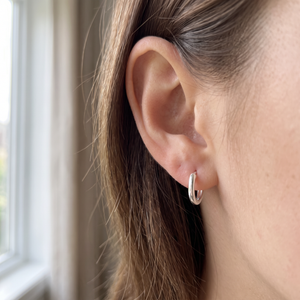

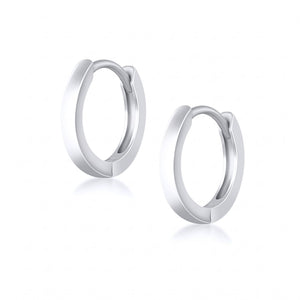
The piece they're describing → Silver Huggie Earrings for Women — 925 Sterling Silver, Hypoallergenic, Minimalist
Personalize Yours


