


Quick Summary
- Use warm water + mild dish soap for gold and sterling silver — it's the safest and most effective method for most jewelry.
- Gold-plated pieces need extra-gentle care: no soaking, no abrasives, just a soft cloth and light suds.
- Never use toothpaste, bleach, baking soda paste, or ultrasonic cleaners on soft gemstones like pearls, opals, or emeralds.
- Dry thoroughly before storing — moisture trapped in settings causes tarnish and loosens prongs.
- Most jewelry needs cleaning every 2–4 weeks if worn daily.
If you've been wondering how to clean jewelry at home without damaging your favorite pieces, you're in the right place. The answer depends almost entirely on what your jewelry is made of — a method that's perfectly safe for solid gold can ruin a pearl or strip the plating off a gold-plated chain. This guide breaks everything down by metal type and stone, so you'll know exactly what to do (and what to avoid) for each piece in your collection.
Why Jewelry Gets Dirty So Fast
It's not just dirt. The main culprits are body oils, lotion, perfume, sweat, and soap residue — they build up in the grooves of settings and along chain links, dulling the metal's reflectivity. Sterling silver has the added issue of tarnish, a chemical reaction between silver and sulfur compounds in the air (and in some foods, rubber, and even paper). Gold doesn't tarnish, but it absolutely does pick up grime. And gemstones? Their facets trap oils so effectively that even a clean stone can look lifeless after a week of daily wear.
The good news: almost everything comes back to life with the right cleaning method and about five minutes of your time.
How to Clean Gold Jewelry at Home
This covers solid gold (10K, 14K, 18K) — not gold-plated. Solid gold is the most forgiving metal to clean.
What You Need
- A small bowl of warm (not hot) water
- A few drops of mild dish soap (Dawn or similar — no degreasers, no antibacterial formulas)
- A soft-bristled toothbrush
- A lint-free cloth
Step-by-Step Method
- Mix your solution. Add 2–3 drops of dish soap to about a cup of warm water. Avoid hot water — it can loosen stones set with heat-sensitive adhesives.
- Soak for 15–20 minutes. Drop the piece in and let the solution do the work. This loosens oils and debris before you scrub.
- Brush gently. Use the soft toothbrush on the back of settings, under stones, and along chain links. These are the spots that trap the most grime.
- Rinse thoroughly. Hold the piece under warm running water. Make sure no soap remains in the setting — dried soap leaves a haze.
- Pat dry, then air dry. Pat with a lint-free cloth, then leave the piece on the cloth for 10–15 minutes before storing. Moisture hiding in a setting leads to tarnish on any mixed-metal components.
What NOT to use on gold: Chlorine bleach, acetone (nail polish remover), and toothpaste. Bleach reacts with gold alloys and causes pitting and discoloration. Toothpaste is abrasive enough to scratch a polished surface.
How to Clean Gold-Plated Jewelry (Including 18K Over 925 Silver)
Gold-plated pieces — like AJLuxe's 18K gold-plated over 925 sterling silver — need a much lighter touch than solid gold. The plating layer is typically 0.5–2.5 microns thick. Any abrasion or prolonged soaking can wear it through, especially at high-contact points like clasp edges and the backs of rings.
Step-by-Step Method
- Dampen a microfiber or soft cotton cloth with plain warm water. Wring it out so it's barely damp, not wet.
- Add one tiny drop of dish soap directly to the cloth.
- Wipe gently in one direction — don't scrub in circles. Work along the surface of the piece rather than pressing into settings.
- Wipe with a second clean damp cloth to remove any soap residue.
- Dry immediately with a dry cloth. Don't leave it wet.
No soaking. Ever. Soaking gold-plated jewelry speeds up the separation of the plating from the base metal at any vulnerable spots. Even 15 minutes in water can cause micro-lifting at edges over repeated cleanings.
What NOT to use on gold-plated jewelry: Ultrasonic cleaners, steam cleaners, jewelry polishing cloths with embedded chemicals, toothpaste, baking soda, or any abrasive. Also skip acetone and alcohol — both strip plating.
How to Clean Sterling Silver at Home
Sterling silver (925) is the most commonly owned fine metal and the most commonly mistreated. The good news: tarnish is a surface reaction and it's fully reversible. The bad news: some popular "hacks" — baking soda, toothpaste, aluminum foil — can cause microscopic scratches that make silver tarnish faster over time.
For Light Tarnish: Soap and Water
Use the same warm water + dish soap method as solid gold. A soft toothbrush works well on textured surfaces and around stone settings. This handles surface oils and light yellowing beautifully.
For Heavier Tarnish: Silver Polishing Cloth
A jewelry polishing cloth (the two-layer kind — yellow inner, white outer) is the safest upgrade for stubborn tarnish. The inner layer contains a mild chemical agent that lifts tarnish; the outer layer buffs to a shine. Rub gently in straight lines, not circles. Do not use these cloths on gold-plated pieces — the same chemicals that remove silver tarnish can accelerate plating wear.
For Heavy Tarnish: Professional Silver Dip
Commercial silver dips (like Hagerty or Goddard's) dissolve tarnish quickly. Use them sparingly — dip for 10–30 seconds, no longer — rinse immediately and thoroughly, then dry. Never use a silver dip on pieces with pearls, opals, turquoise, or any porous stones. The dip is too harsh and can permanently damage these materials.
What NOT to use on sterling silver: Toothpaste (abrasive), baking soda paste (mildly abrasive and can leave residue in prongs), rubber bands (sulfur in rubber accelerates tarnish), chlorine bleach (causes irreversible damage to silver).
How to Clean Gemstone Jewelry at Home
This is where things get complicated. Different stones have different hardness ratings, porosity levels, and chemical sensitivities. What's safe for a diamond is not safe for a pearl. The table below summarizes what you need to know:
| Gemstone | Safe Method | Avoid | Ultrasonic Safe? |
|---|---|---|---|
| Diamond | Warm soapy water, soft brush | Chlorine bleach | Usually yes (check setting) |
| Sapphire / Ruby | Warm soapy water, soft brush | Steam on fracture-filled stones | Yes, if untreated |
| Amethyst / Citrine | Warm soapy water, soft brush | Prolonged sunlight, steam | Usually yes |
| Emerald | Damp cloth only | Soaking, ultrasonic, steam | No |
| Opal | Damp cloth only | Soaking, ultrasonic, dry heat | No |
| Pearl | Damp cloth after wearing | Soaking, any acid, hairspray | Never |
| Turquoise | Dry cloth only | Water, chemicals, oils | Never |
| Moonstone | Warm soapy water, soft cloth | Ultrasonic, steam | No |
| Malachite | Damp cloth only | Acids, soaking | Never |
| Crystal / Quartz | Warm soapy water | Salt water (for raw crystals) | Usually yes |
According to the Gemological Institute of America (GIA), the most common cause of gemstone damage at home is using the wrong cleaning method for the stone's hardness and porosity. When in doubt, a damp cloth is always safe — it won't sparkle like a professional clean, but it won't cause irreversible damage either.
A Note on Pearls
Pearls are organic and genuinely fragile. They rate just 2.5–4.5 on the Mohs hardness scale and are damaged by acids — including the lactic acid in sweat. The rule for pearls is simple: wipe them with a soft damp cloth after every wearing, let them dry completely before storing, and keep them away from perfume, hairspray, and any cleaning chemical. Never soak pearl jewelry. Never put it in an ultrasonic cleaner. Store pearls in a soft pouch, not a sealed plastic bag (they need to breathe).
Things You Should Never Use to Clean Jewelry
The internet is full of jewelry cleaning "hacks" that range from mildly bad to genuinely damaging. Here's a straightforward breakdown:
- Toothpaste — It's abrasive. Full stop. It scratches gold, silver, and most gemstones, creating micro-grooves that actually trap more dirt over time.
- Baking soda — Also abrasive, and the paste consistency makes it hard to rinse out of settings. The mild alkalinity can also affect porous stones.
- Bleach — Reacts chemically with silver and gold alloys (particularly those containing copper) and causes irreversible pitting and discoloration.
- Acetone / nail polish remover — Strips coatings, damages certain gemstones, and destroys gold plating.
- Ultrasonic cleaners on soft or porous stones — The vibrations can crack stones with inclusions (like emeralds), dehydrate opals, and dissolve the nacre on pearls.
- Rubbing alcohol — Generally too harsh for gold-plated pieces and porous stones. It can also dry out the natural luster of pearls and organic gems.
- Paper towels — More abrasive than they feel. Use a lint-free cloth or microfiber instead.
How Often Should You Clean Your Jewelry?
It depends on how often you wear it. A quick rule of thumb: if you wear a piece daily, give it a gentle wipe-down weekly and a full soap-and-water clean every 2–4 weeks. Pieces worn occasionally can go months between cleanings. If a piece looks dull or you notice buildup in the setting, clean it — don't wait for a schedule.
Also clean your jewelry before storing it long-term. Oils and residue left on the surface while a piece sits in a drawer or box can accelerate tarnish and, in some cases, cause surface etching over months.
Storage Tips That Prevent the Need for Cleaning
The best cleaning strategy is minimizing buildup in the first place. A few habits make a real difference:
- Put jewelry on last, take it off first. Perfume, hairspray, and lotion should all be fully dry before your jewelry goes on.
- Store pieces separately. Metal-on-metal contact causes scratches. Use individual pouches or a divided jewelry box.
- Anti-tarnish strips in your jewelry box absorb sulfur in the air and slow tarnish on silver pieces significantly.
- Keep jewelry out of the bathroom. Humidity accelerates tarnish and can affect gemstone treatments.
- Remove jewelry before swimming. Chlorine from pools is genuinely harmful to gold alloys and can strip plating.
Frequently Asked Questions
Can I use toothpaste to clean my jewelry?
You've probably seen this tip all over the internet, but it's actually a bad idea. Toothpaste contains abrasive particles (usually silica or calcium carbonate) that are designed to scrub enamel. Those same particles will scratch gold, silver, and most gemstone surfaces — creating microscopic grooves that trap more dirt and oils over time. Your jewelry will look worse after repeated toothpaste cleaning, not better. Stick to mild dish soap and water.
How do you clean gold jewelry at home without it losing its shine?
The soap-and-water method is genuinely the best for solid gold. Warm water, a couple of drops of mild dish soap, a 15-minute soak, and a soft toothbrush for the back of settings. The key is rinsing thoroughly — dried soap leaves a hazy film — and drying completely before storing. Avoid any abrasive materials and don't use hot water, which can expand the metal and loosen stone settings over time.
Is it safe to clean jewelry with baking soda?
Baking soda is sometimes recommended for silver, but it's mildly abrasive and can be difficult to rinse out of prong settings. It can also affect some porous or treated gemstones. A polishing cloth is a much safer choice for tarnished silver — it removes tarnish chemically rather than abrasively, leaves a better finish, and doesn't require rinsing. Save the baking soda for your kitchen.
Can you clean silver jewelry with vinegar?
White vinegar is acidic and does remove tarnish from silver, but it's a rougher approach than most jewelers would recommend. Prolonged soaking in vinegar can damage certain gemstones (particularly pearls, opals, and turquoise), and the acid can also affect any oxidized or patinated silver details you might want to preserve. A silver polishing cloth is safer and gives a better result. If you do use vinegar, limit it to plain silver with no stones, keep the soak under 10 minutes, and rinse immediately.
How do you clean tarnished sterling silver jewelry?
For light tarnish, warm soapy water and a soft brush will do it. For moderate tarnish, a two-layer jewelry polishing cloth (the kind with a chemical treatment in the inner layer) is the safest next step. For heavy tarnish on plain silver pieces with no soft stones, a commercial silver dip used for 10–30 seconds and rinsed immediately works well. Always dry thoroughly after any cleaning method. Tarnish prevention is also worth the effort: store silver in anti-tarnish pouches and keep it away from humidity and rubber.
What household products can I use to clean gold-plated jewelry?
Keep it simple: a tiny drop of mild dish soap on a barely-damp microfiber cloth. Wipe gently in one direction, then wipe with a clean damp cloth to remove soap residue, then dry immediately. That's genuinely it. Most household cleaning products — including baking soda, vinegar, alcohol, and especially toothpaste — are too harsh for plating and will shorten its lifespan significantly. The goal with gold-plated jewelry is gentle maintenance, not deep cleaning.
Can I use an ultrasonic cleaner on all jewelry?
No. Ultrasonic cleaners are safe for solid, unfractured diamonds and hard, untreated stones like sapphires and rubies — but they're not safe for emeralds (which typically have fracture-filling treatments), opals (which can dehydrate and crack), pearls (which are organic and fragile), turquoise, malachite, moonstone, or any stone with visible inclusions. They're also not recommended for gold-plated jewelry, as the vibrations can accelerate plating wear at thin spots and edges.
How do you get jewelry to stop turning your skin green?
Skin discoloration usually comes from copper in the base metal reacting with sweat and skin acids. Sterling silver (925) contains copper, and in humid conditions it can cause a greenish tint on some people. Keeping jewelry clean and dry dramatically reduces this — clean pieces build up less residue and the copper reacts more slowly. Clear jewelry sealant (painted on the inner surface of rings) can also help. If a piece turns your skin green consistently, it may be brass or copper rather than silver, and it's worth checking the metal content with the seller.
How do you clean jewelry with gemstones at home safely?
The safest universal method for gemstone jewelry is a damp cloth with minimal soap — it works on almost every stone type without risk. For harder stones like diamonds, sapphires, and amethyst, you can upgrade to a soft brush and a 10-minute soak in mild soapy water. For soft or porous stones (pearls, opals, turquoise, malachite, emeralds), stick to the damp cloth only and never soak them. When in doubt, check the GIA's gem care resources or ask your jeweler before trying anything more aggressive.
How do you keep jewelry from tarnishing?
Storage is the biggest factor. Keep silver pieces in anti-tarnish pouches or with anti-tarnish strips, store jewelry away from humidity (not in the bathroom), and keep pieces separate to prevent scratches that expose fresh metal. Put your jewelry on after applying perfume and lotion, and take it off before swimming, exercising, or cleaning. Regular gentle cleaning removes the oils and residue that accelerate tarnish — a quick wipe after each wearing goes a long way.
Looking for jewelry that's built to last between cleanings? AJLuxe's sterling silver and 18K gold-plated rings are crafted in 925 silver with hypoallergenic finishes that hold up beautifully with simple soap-and-water care. Browse the full ring collection to find dainty, everyday pieces in the $20–80 range that look just as good on day 30 as they did on day one — as long as you show them a little love.
You Might Also Like
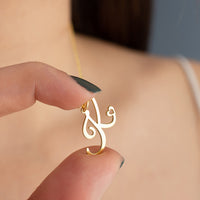
The piece they're describing → Heart Initial Necklace for Women — 18K Gold Plated, Personalized Letter + Heart Pendant
Personalize Yours

