


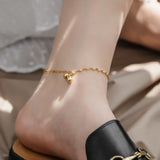
Anklets are one of those accessories that look effortless on but feel confusing to style. Which ankle? What size? What to wear them with? Can you stack them? Is there a wrong way to do it?
Our earrings at AJLuxe use sterling silver posts throughout — hypoallergenic and comfortable for all-day wear, even for sensitive ears.
There isn't, actually — but there are approaches that make anklets look intentional rather than afterthought. This guide covers everything: sizing, placement, outfit pairings, what different anklet styles communicate, and how the 2026 "curated ankle" trend has changed how people layer them.
Shop AJLuxe Anklets
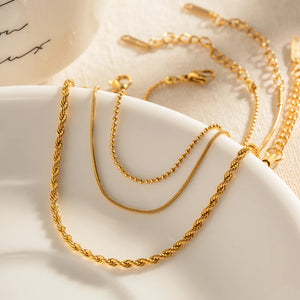
All 18K gold plated and currently in stock: Good Luck Charm Anklet ($37.99), Ball Pendant Anklet (waterproof) ($33.99), Gold Serpentine Anklet ($32.99), Waterproof Gold Bracelet/Anklet ($31.99–$32.99 — 3 chain styles, runs on the smaller side so measure first if you want it as an anklet).
How to Fit an Anklet
An anklet should sit just above the ankle bone — the bony prominence on either side of the ankle. Not at the mid-calf, not hanging down over the heel. The sweet spot is the narrow point between the heel and the lower leg. For the same adjustable-chain idea worn higher up, see our gold waist chain guide.
How to measure your ankle: Wrap a flexible tape measure or a piece of string around your ankle at its narrowest point (just above the bone). Note the circumference. Add 1 inch — that's your ideal anklet length. An anklet with 1 inch of ease sits with slight movement and drape without sliding off.
Standard sizes: The average women's ankle measures 8–9 inches. Most anklets are made at 9–10 inches, which fits the majority of women with comfortable ease. Anklets listed as "one size fits most" or "adjustable" typically have an extender chain of 1–2 inches, allowing adjustment from 9 to 10 or 11 inches.
| Ankle Circumference | Recommended Anklet Length | Notes |
|---|---|---|
| Under 7.5" | 8.5–9" | Petite/narrow ankle; look for "adjustable to 9 inches" |
| 7.5–8.5" (most common) | 9–10" | Standard size; most "one size" anklets fit this range |
| 8.5–9.5" | 10–11" | Look for anklets with 2" extender or listed as 10–12" |
| 9.5"+ | 11–12" | Plus sizing; specify when ordering; many brands accommodate |

Which Ankle to Wear It On
There is no universal rule. In everyday Western fashion in 2026, wearing an anklet on either ankle carries no particular social meaning — it's purely a personal choice.
The conventions that do exist are cultural and symbolic:
- South Asian tradition (India, Nepal): Anklets (called payal or pajeb) are traditionally worn by married women as bridal jewelry, on both feet. This tradition remains meaningful in cultural and ceremonial contexts but isn't a binding modern rule.
- Old Western informal tradition: Some sources from earlier decades suggested that left ankle = in a relationship, right ankle = single. This distinction is not widely practiced or recognized today.
- Practical considerations: Most people wear an anklet on their dominant side because they're more aware of it and less likely to forget it exists. Some people choose whichever ankle has better movement or visibility with their footwear.
For the full cultural and symbolic history of anklets, read our guide to anklet meaning and symbolism.
One Ankle or Both?
Single-ankle is the most common approach and typically the cleaner look. Wearing one anklet creates a focal point — it draws the eye to one side and feels intentional.
Wearing anklets on both ankles simultaneously can work, but it requires coordination. Two identical anklets worn symmetrically on both ankles looks formal and can read as costume-y rather than fashion-forward. The more wearable both-ankle approach is two different styles: a chain anklet on one side and a charm anklet on the other, or different lengths and weights. The intentional variation signals styling rather than matching-set thinking.
The emerging "curated ankle" trend (see below) takes stacking — multiple anklets on one ankle — as an alternative to doubling across both ankles.
What to Wear With Anklets
Footwear: Anklets are visible only when the ankle is exposed. The best footwear choices:
- Flat sandals — the ankle is fully visible from both front and back. The classic anklet pairing.
- Heeled strappy sandals — adds elegance. The vertical line of the heel and the horizontal line of the anklet work well together.
- Mules and slides — the open back shows the anklet particularly well as you walk.
- Espadrilles — the rope sole creates casual contrast with a delicate chain anklet.
- Bare feet — on the beach, at home, or at the pool, anklets look their best without any footwear competing for attention.
Avoid: boots (the anklet is completely hidden), thick-soled sneakers (the proportions clash), and closed flats with low-cut socks (the sock hides the chain).
Outfit pairings:
- Midi or maxi dresses: A delicate gold chain anklet visible below a flowing hem is one of the most graceful looks in jewelry styling. The slight flash of metal catches light as you move.
- Shorts and mini skirts: The full leg is visible, so anklets have maximum visibility. Works with both casual and dressed-up shorts looks.
- Rolled-up jeans or linen pants: Rolling to above the ankle specifically to show an anklet is a styling move in itself — it communicates that the anklet is intentional.
- Swimwear: Anklets at the beach or pool are beach jewelry classics. Choose waterproof-friendly materials (sterling silver over brass/copper, or stainless steel for saltwater environments).
Types of Anklets
Chain anklets: The most versatile and wearable type. A thin gold or silver chain without pendants. Works with any outfit from casual beach to evening dinner. The delicate chain style is the dominant 2026 anklet aesthetic.
Charm anklets: Chain with hanging charms or pendants. Adds personality and movement. The charms jingle when you walk — choose this for casual, playful styling and be aware of the sound in professional settings.
Beaded anklets: Gemstones or seed beads strung together. More textural and casual. Best for beach and vacation aesthetics. Typically not suitable for formal occasions.
Adjustable/sliding anklets: Feature a sliding knot or extender chain that allows adjustment from approximately 8 to 11 inches. Good for gifts when exact size is unknown, and for ankles that fluctuate with heat or water retention.
Bar or station anklets: A chain with evenly spaced small elements (bars, discs, beads) at intervals. Creates a structured look with visual rhythm. Works for both casual and somewhat dressier occasions.

Stacking Anklets: The Curated Ankle
The "curated ankle" is the anklet equivalent of the curated ear — multiple anklets layered on the same ankle. The trend appeared strongly on social media around 2024 and continues to grow in 2026.
How to stack anklets well:
- Vary the style: A plain chain + a charm anklet + a bar anklet creates visual variety. Two identical anklets just look like you forgot to take one off.
- Vary the size: Keep all pieces in the same ankle zone but graduate them — one at the base of the ankle bone and one slightly above.
- Stay in one metal: Three gold anklets stack more intentionally than two gold and one silver. Mixed metals require deliberate variation, not accidents.
- Maximum three: Beyond three anklets, the look tips from "curated" to "festival." Two is cleanest; three is the limit for daytime wear.
Are Anklets in Style in 2026?
Yes — and more seriously than in previous cycles. Anklets went through a period of being considered beach or festival-only accessories, but the "quiet luxury" and delicate fine jewelry trends of the mid-2020s have repositioned them as everyday elegance pieces.
The dominant 2026 anklet aesthetic is minimal: a single thin gold chain anklet worn with sandals on a daily basis, or two stacked delicate chains forming a "curated ankle" look. Heavy charm anklets with multiple dangles are less on-trend this year relative to the clean chain approach.
Gold is the dominant metal for anklets in 2026, following the broader shift from silver to gold across all jewelry categories. Adjustable anklets with extender chains have become the standard format because they accommodate more ankle sizes and work as gifts.
Related reading: Types of anklets.
Related reading: Prom jewelry guide.
Related reading: Best anklets for summer.
Related reading: Thanksgiving Jewelry: Gift Ideas, Colors, and Styling Rules for 2026.
Related reading: Beads and Necklace: The Complete Guide to Choosing, Styling and Layering Beaded Necklaces (2026).
Before buying one for regular beach or pool wear, our guide to waterproof anklets for women covers what "water-resistant" actually means and what to check on the base metal.
Frequently Asked Questions
On which leg should an anklet be worn?
Either leg — there's no universal rule in modern Western fashion. The choice is personal. Some cultural traditions assign meaning to left vs. right, but these aren't widely observed as social conventions in the U.S. or Europe. Wear it on whichever ankle is more comfortable or looks better with your footwear.
Do you wear anklets on both ankles or just one?
One ankle at a time is the most common and typically cleaner approach. Wearing on both ankles works but requires coordination — two different styles (rather than matching pieces) looks more intentional. Alternatively, stack two or three anklets on one ankle for the "curated ankle" look rather than splitting them across both.
What is the proper way to wear an anklet?
Position it just above the ankle bone, with about 1 inch of ease beyond your ankle circumference. It should move slightly but not slide down over the heel. Wear on bare skin with ankle-exposing footwear (sandals, mules, bare feet). Measure your ankle and add 1 inch to find your size — most women need a 9–10 inch anklet.
What does an anklet on the right foot mean?
In modern Western fashion, an anklet on the right foot has no specific meaning — it's a style choice. Some older informal traditions suggested the right ankle had a different social signal than the left, but this isn't a recognized or widely followed convention today. In South Asian cultures, anklets traditionally mark married status and are worn on both feet. In most contemporary contexts, the ankle you choose carries no social meaning beyond aesthetics.
What size anklet do I need?
Measure your ankle at its narrowest point (just above the ankle bone) and add 1 inch. Average women's ankle is 8–9 inches, so a 9–10 inch anklet fits most. If you're between sizes, choose the longer option. Most standard anklets include an extender chain (1–2 inches) for some size adjustment.
What shoes to wear with anklets?
Sandals (flat or heeled), mules, slides, espadrilles, and bare feet are the best pairings — any footwear that exposes the ankle. Anklets are hidden inside boots, sneakers, and closed flats. To maximize visibility, wear with rolled or cuffed pants alongside ankle-exposing shoes.
Can you wear an anklet with socks?
Not really — thick socks hide the anklet entirely. Very thin no-show socks work technically, but the anklet on bare skin is cleaner. Save the anklet for bare-ankle occasions and footwear to get the full visual effect.
Are anklets in style in 2026?
Yes — strongly so. Delicate gold chain anklets are mainstream everyday jewelry in 2026, and the "curated ankle" approach (stacking 2–3 slim anklets) follows the same trend as curated ear styling. Anklets have moved from beach-only to year-round everyday accessory, particularly with sandals and open-toe footwear throughout spring and summer.
Shop at AJLuxe: Dainty Gold Anklet — 18K gold plated, adjustable chain ($33.99) · Gold Serpentine Anklet — smooth snake chain, 18K gold ($32.99) · Ball Pendant Anklet — waterproof beach anklet ($34.99) · See the full anklets collection →
Final Thoughts: Start Simple
The easiest entry point into anklets is a single delicate gold chain anklet at 9–10 inches, worn on whichever ankle you prefer, with sandals or bare feet. That single piece is enough to register as a styling choice without requiring any complex coordination. From there, add a charm anklet or a bar anklet on the same ankle to build toward the stacked look.
Anklets are low-stakes jewelry — they're hidden when you want them to be (in boots, under long pants) and visible when you don't (shorts, sandals). This versatility makes them one of the most effortless accessories in a jewelry wardrobe.
Written by the AJLuxe team. Last updated: May 2026.
All third-party trademarks, brand names and product names are the property of their respective owners. AJLuxe is not affiliated with, endorsed by, sponsored by, or otherwise connected to any third-party brand referenced in this article. Brand names are used solely for accurate comparative reference, and material descriptions reflect each brand's own published product specifications at the time of writing.
You Might Also Like
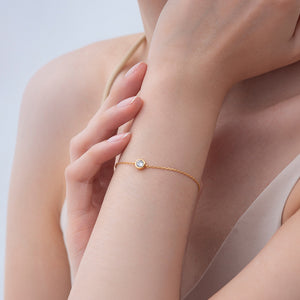
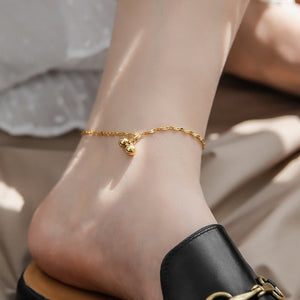
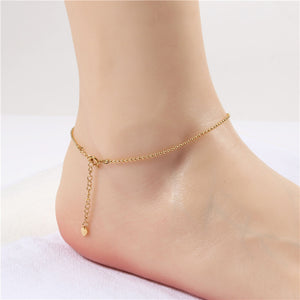
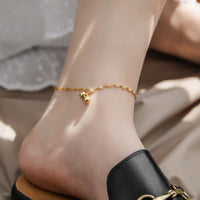
The piece they're describing → Ball Pendant Anklet for Women — 18K Gold Plated, Waterproof Beach Anklet
Personalize Yours


