

• Three birthstones: Peridot (traditional since 1912), Sardonyx (original traditional), Spinel (added 2016)
• Peridot color: Lime green to olive green — the color never varies, only the intensity
• Spinel colors: Red, pink, orange, blue, violet, black — all in one gem species
• Sardonyx: Banded orange-red and white chalcedony — used for cameos since antiquity
• Rarest: Fine red spinel rivals ruby; large peridot over 5 carats is rare; clean sardonyx is abundant
• Best for gifting: Peridot for green lovers, spinel for a unique multicolor choice, sardonyx for history enthusiasts
• Shop: August birthstone necklaces in 18K gold-plated sterling silver
August stands out in the birthstone calendar for having three completely different stones — each with its own origin story, color family, and meaning. Most people know peridot (that distinctive lime green is unmistakable), but spinel was only officially added in 2016, and sardonyx goes back to the very first birthstone traditions of ancient times. For a deeper dive into peridot's symbolism and healing traditions, see our complete peridot meaning guide.
This guide covers all three in full: what they are, where they come from, what they mean, how they compare in quality and price, and which one makes the best gift for an August birthday.
What Is the August Birthstone? All Three Explained
August has had multiple birthstones across different historical traditions. The American National Retail Jewelers Association established peridot and sardonyx as the official August stones in 1912. Spinel was added to the official Jewelers of America list in 2016 — the first update to the modern birthstone list in over 50 years.
| Stone | Color | Mohs Hardness | Chakra | Key Meaning | On List Since |
|---|---|---|---|---|---|
| Peridot | Lime green to olive green | 6.5–7 | Heart, Solar Plexus | Abundance, healing, protection | 1912 (traditional) |
| Spinel | Red, pink, blue, orange, violet, black, colorless | 8 | Root, Heart (color-dependent) | Vitality, strength, endurance | 2016 (newest addition) |
| Sardonyx | Orange-red and white banded | 6.5–7 | Root, Sacral | Strength, courage, clear communication | Ancient tradition; 1912 list |

Peridot — The Traditional August Birthstone
Peridot is the gem form of the mineral olivine (magnesium iron silicate) — and unlike most gemstones that form in the Earth's crust, peridot crystallizes deep in the mantle, about 20–55 miles below the surface. It reaches the surface through volcanic activity. Peridot has also been found inside meteorites, including pallasite meteorites, making it one of the few gems with an extraterrestrial origin. Peridot crystals collected from the Esquel meteorite (found in Argentina in 1951) are among the most extraordinary gemological specimens in the world.
Why Peridot Is Always Green
Peridot is the only major gemstone that comes in just one color family: green. Most colored gemstones get their color from trace impurities (rubies from chromium, sapphires from iron and titanium). Peridot's green color comes from iron that is part of its actual crystal structure — not a trace impurity. This means you can't find a non-green peridot. The shade varies from vivid lime green to olive green to yellowish-green, depending on the iron concentration and the deposit of origin.
| Peridot Shade | Color Description | Origin | Value |
|---|---|---|---|
| Vivid lime green | Bright, saturated pure green | Pakistan (Kohistan), Myanmar | Highest — $50–$450/ct |
| Medium green | Pure green, moderate saturation | Pakistan, China | Mid-range — $20–$150/ct |
| Yellowish-green | Lime with yellow cast | China (main commercial source) | Budget — $5–$30/ct |
| Olive/Brownish-green | Muted, earthy green | Arizona (San Carlos), Egypt | Lower — $3–$20/ct |
Peridot History
Ancient Egyptians called peridot the "gem of the sun" and mined it for over 3,500 years on the volcanic island of Zabargad (St. John's Island) in the Red Sea. Historians believe that some of Cleopatra's famous "emeralds" were actually peridot — the two gems were often confused in antiquity because green stones were all generically called "smaragdus" in Latin. The ancient Greeks and Romans also valued peridot, believing it brought the wearer power over evil spirits.
In Hawaii, local legend holds that peridot crystals washed onto black sand beaches are the tears of Pele, the Hawaiian goddess of volcanoes. The Big Island's Kilauea volcano occasionally ejects small peridot crystals during eruptions — a reminder that this stone genuinely comes from deep within the earth.
Peridot Meaning and Healing Properties
Peridot connects to the heart and solar plexus chakras. It represents abundance, healing, and release from negative patterns. Ancient cultures believed it protected against nightmares and brought peace when worn at night. Today, it's associated with prosperity, confidence, and the ability to let go of stress and jealousy. Its bright green color connects to nature, growth, and renewal — making it a meaningful gift for anyone beginning a new chapter.

Spinel — The Misunderstood August Birthstone
Spinel has one of the most fascinating histories in gemology: for centuries, it was regularly mistaken for ruby and sapphire. The most famous example is the Black Prince's Ruby — a 170-carat polished red gem that has sat in the British Imperial State Crown since 1367, believed for 600 years to be the world's finest ruby. It was identified as a red spinel in the 19th century. The same story repeats across royal collections worldwide: what were called "rubies" in the crowns of Russian tsars, Persian shahs, and English kings were, in many cases, spinels.
The confusion was so widespread because spinel and ruby share similar red colors, similar crystal forms, and often come from the same mines in Myanmar and Sri Lanka. Only modern gemological testing separates them definitively. Today, spinel is fully recognized as its own extraordinary gem — and for some collectors, a fine red spinel is more desirable than a ruby of equal quality.
Spinel Colors
Spinel is one of the most color-diverse gemstones in existence. A single chemical formula (magnesium aluminum oxide) produces completely different colors depending on trace elements:
| Color | Caused By | Notable Examples | Price Range |
|---|---|---|---|
| Red / Crimson | Chromium | Black Prince's "Ruby", Timur "Ruby" | $500–$10,000+/ct |
| Pink / Hot Pink | Chromium (lower concentration) | Myanmar pink spinel | $100–$2,000/ct |
| Cobalt Blue | Cobalt (very rare) | Vietnamese cobalt spinel | $1,000–$15,000/ct |
| Orange / Padparadscha | Iron + chromium | Mahenge orange spinel (Tanzania) | $300–$3,000/ct |
| Lavender / Violet | Iron + chromium | Sri Lanka, Myanmar | $50–$500/ct |
| Black | Iron (opaque) | Widely available | $5–$50/ct |
Natural vs Lab-Created Spinel
Lab-created spinel has been produced since the early 20th century and is widely used in commercial jewelry. The chemistry is identical to natural spinel. Lab spinel in red and blue has historically been used as a simulant for ruby and sapphire in inexpensive jewelry. Natural spinel of fine quality — especially red, cobalt blue, or vivid pink — is genuinely rare and commands premium prices. If you're buying spinel as a meaningful August birthstone gift, verify with the seller whether it is natural or lab-created.
Spinel Meaning
Spinel is associated with vitality, strength, and new energy. Its Mohs hardness of 8 (harder than most gemstones) connects symbolically to endurance and resilience. Red spinel is linked to passion and courage — similar to ruby. Blue spinel connects to calm, communication, and clarity, aligning with the throat chakra. As the newest addition to the official August birthstone list, spinel brings a contemporary, collector-oriented appeal to the month.
Sardonyx — The Ancient August Birthstone
Sardonyx is the oldest of August's three birthstones, used for carved jewelry and official seals for at least 4,000 years. It's a variety of chalcedony — microcrystalline quartz — with alternating bands of sard (reddish-brown to orange) and onyx (white to light grey). The contrast between layers made it the ideal material for cameos and intaglios: carve away the white layer to reveal the orange-red below, and you have a two-color relief portrait in a single stone.
Sardonyx in History
Ancient Romans wore sardonyx rings engraved with images of Mars and Hercules before battle, believing it conferred the courage of those heroes. Roman general Scipio Africanus was said to never remove his sardonyx seal. Queen Elizabeth I owned and frequently wore a sardonyx cameo ring. The stone was so prized in ancient times that Pliny the Elder wrote about it extensively, noting that its layers formed naturally — unlike many stones that were artificially colored in his era.
In Renaissance Europe, sardonyx was used for official signet rings because the banded pattern made forgery of wax seals nearly impossible — each stone's unique banding pattern served as a fingerprint.
| Layer | Color | Mineral | Use in Cameos |
|---|---|---|---|
| Sard layer | Orange-red to reddish-brown | Iron-stained chalcedony (carnelian family) | Background color in carved pieces |
| Onyx layer | White to pale grey | Pure chalcedony | Carved into foreground relief figures |
Sardonyx Meaning
Sardonyx symbolizes strength, courage, and clear communication. It grounds and stabilizes — aligning with the root and sacral chakras. Ancient cultures believed it fortified willpower and helped people control their temper. Today, it's often given as a stone of resilience and steady courage. It's the zodiac stone for Virgo, which overlaps with August's later dates (Virgo season starts August 23).
August Birthstone Meaning and Symbolism
August sits at the height of summer in the Northern Hemisphere — the sun at its peak, energy at full force. All three August birthstones carry that solar, vital energy in different ways.
Peridot is the stone of abundance and healing. Its green color connects to the heart chakra and to the physical world of nature and growth. Ancient cultures believed it carried the power of the sun — it was often set in gold to amplify that connection. It represents releasing negativity, opening to prosperity, and healing old emotional wounds.
Spinel represents raw vitality and strength. Its hardness (Mohs 8) makes it a stone of endurance. Red spinel channels passion and courage. Blue spinel calms and clarifies. The spectrum of spinel colors means there's a version for almost every personality and intention.
Sardonyx embodies ancient power. It's a stone of grounded courage — not reckless bravery, but steady, rooted fortitude. It helps with discipline, clear thinking, and holding firm in difficult circumstances. Its banded pattern reflects the idea that strength comes in layers, built over time.
What Color Is the August Birthstone?
Peridot's color — lime green to olive — is the color most associated with August. It's unmistakable and constant: there are no other peridot colors. Spinel offers red, pink, blue, orange, and more depending on the specific stone. Sardonyx is banded orange-red and white.
For a single-color answer: lime green (peridot) is the signature August birthstone color. For someone who doesn't like green, spinel in their preferred color is a meaningful alternative that carries the same birthstone significance.
How to Choose August Birthstone Jewelry
| If they are… | Choose… | Why |
|---|---|---|
| Nature lover, green palette fan | Peridot | The lime green is bright, cheerful, and works in gold or silver settings |
| Bold, color-forward style | Red or hot pink spinel | Vivid, saturated, looks similar to ruby at a fraction of the price |
| Blue jewelry lover | Blue spinel | Vibrant blue, very durable (Mohs 8), less expensive than fine sapphire |
| History or antique jewellery enthusiast | Sardonyx | Millennia of carving tradition; cameo rings are back in fashion |
| Virgo (August 23+) | Sardonyx | Traditional Virgo zodiac stone; connects to Virgo's grounded, analytical nature |
| Leo (up to August 22) | Peridot | Leo's stone; the solar energy of peridot matches Leo's radiant character |
| Someone who says "I don't like green" | Spinel in any color | Full spectrum of colors; still an official August birthstone |
Quality Tips for Each Stone
For peridot: Color saturation is the main quality factor. Look for vivid, pure green — avoid stones with a brownish or very yellowish tint. Eye-visible inclusions are common in peridot; "lily pad" inclusions (round, disc-shaped) are characteristic. Larger sizes over 5 carats in vivid green are increasingly rare and command higher prices. Pakistan (Kohistan) produces the most desirable vivid green peridot.
For spinel: The most important quality factors are color saturation and clarity. Red and cobalt blue spinels in vivid, saturated tones command the highest prices. Spinel typically has few inclusions compared to ruby or sapphire. Confirm with the seller whether you're buying natural or lab-created spinel — both are valid, but the price difference is significant.
For sardonyx: Look for crisp, well-defined bands with strong color contrast — vivid orange-red sard against pure white onyx. The cleaner the banding, the better. For carved pieces, the depth and detail of the carving matters. Sardonyx is affordable and widely available; quality carving in a good stone is the main premium.
All birthstone necklaces at AJLuxe are set in 18K gold-plated 925 sterling silver — hypoallergenic for sensitive skin, substantial feel, gift-ready packaging.
👉 Shop August Birthstone Necklaces →
How to Care for August Birthstone Jewelry
Peridot Care (Mohs 6.5–7)
- Peridot is moderately hard but can be damaged by strong acids, including perfume and cleaning chemicals. Remove peridot jewelry before cleaning or applying products.
- Clean with warm, soapy water and a soft brush. Rinse well. Dry immediately with a soft cloth.
- No ultrasonic cleaners — peridot can fracture along internal stress planes with vibration, especially if it contains inclusions.
- Store separately from harder gemstones (sapphire, diamond) that could scratch it.
- Avoid prolonged direct sunlight — peridot can fade slightly over very long-term UV exposure.
Spinel Care (Mohs 8 — most durable of the three)
- Spinel is one of the most durable gemstones for everyday wear. Its hardness of 8 means very little scratches it.
- Clean with warm soapy water and a soft brush. Ultrasonic cleaners are generally safe for untreated spinel.
- Store normally — spinel is robust enough that most standard storage precautions apply.
Sardonyx Care (Mohs 6.5–7)
- Sardonyx is solid and durable for its hardness class, but avoid knocks — the banding planes can be a weakness point.
- Clean with mild soapy water and a soft cloth. No ultrasonic for carved pieces — vibration can damage fine carved details.
- The color of dyed sardonyx can fade in prolonged sunlight. Natural sardonyx is colorfast.
Gifting August Birthstone Jewelry
| Occasion | Best Stone | Best Style | Why It Works |
|---|---|---|---|
| August birthday | Peridot | Birthstone necklace | Classic, immediately recognizable as August stone |
| Graduation (August) | Peridot or Spinel | Pendant necklace | Peridot's abundance meaning is ideal for new chapters; spinel for bold personalities |
| Virgo birthday (Aug 23+) | Sardonyx | Carved pendant or ring | Traditional Virgo zodiac stone |
| Someone starting a new job | Peridot | Necklace or bracelet | Peridot's prosperity and abundance meaning fits career milestones |
| Partner with August birthday | Red or pink spinel | Ring or earrings | Ruby-like appearance; passion and love symbolism |
| History lover | Sardonyx | Cameo-style pendant | 4,000 years of carved jewelry tradition; deeply storied stone |
→ Birthstone Necklaces — 18K Gold Plated Sterling Silver
→ Gemstone Pendant Necklaces
→ Jewelry Gifts for Her
All orders arrive in a gift-ready box. Free US shipping. 30-day returns.
Frequently Asked Questions — August Birthstone
What are the 3 birthstones for August?
August's three birthstones are peridot, spinel, and sardonyx. Peridot and sardonyx have been on the official birthstone list since 1912. Spinel was added in 2016 by the Jewelers of America — the first update to the modern birthstone list in over 50 years. Peridot is the most widely recognized as the primary August stone.
What color is the August birthstone?
Peridot — the primary August birthstone — is always green, ranging from vivid lime green to olive green. It's the only major gemstone that comes in a single color family. Spinel, the newest addition, comes in red, pink, blue, orange, violet, and black. Sardonyx is banded orange-red and white. For August's signature color: lime green.
Is peridot found in meteorites?
Yes. Peridot is one of the few gemstones found in meteorites. It occurs in pallasite meteorites — stony-iron meteorites where olivine crystals are embedded in an iron-nickel matrix. The Esquel pallasite (found in Argentina) contains peridot crystals and is considered one of the most beautiful meteorites ever found. Peridot also forms in the Earth's mantle and reaches the surface through volcanic activity — including eruptions from Hawaii's Kilauea volcano.
Why was spinel mistaken for ruby?
Red spinel and ruby are both found in the same mines (particularly in Myanmar and Sri Lanka), share a similar deep red color, have similar crystal forms, and were indistinguishable with pre-modern testing methods. The most famous example is the Black Prince's Ruby — a 170-carat red stone in the British Imperial State Crown that was identified as a red spinel in the 19th century, centuries after it was first acquired in 1367. Many royal "rubies" across European and Asian collections turned out to be spinel upon modern examination.
What is the rarest August birthstone?
Fine natural spinel — especially red spinel with vivid color change, or cobalt blue spinel from Vietnam — is the rarest of the three. High-quality red spinel from Myanmar can sell for over $10,000 per carat. Large, vivid peridot over 5 carats from Pakistan is also increasingly rare. Sardonyx is the most abundant and affordable of the three.
What does peridot symbolize?
Peridot symbolizes abundance, healing, and protection. Ancient Egyptians called it the "gem of the sun" and believed it had the power to drive away evil spirits and nightmares. It connects to the heart chakra (compassion, love) and solar plexus chakra (confidence, personal power). Today it's given as a symbol of prosperity, positive energy, and releasing negative patterns.
Is peridot a good everyday stone?
Peridot (Mohs 6.5–7) is suitable for earrings, necklaces, and bracelets for daily wear. For rings, treat it carefully — avoid knocks and remove it during manual work. Keep it away from harsh chemicals, perfume, and extended direct sunlight. Clean with warm soapy water only; skip the ultrasonic cleaner. Compared to harder stones like sapphire (Mohs 9) or diamond (Mohs 10), peridot needs a bit more attention.
Can I get spinel in blue to match sapphire?
Yes. Cobalt blue spinel is a genuine vivid blue — different from sapphire's slightly different blue tone, but equally beautiful. Cobalt blue spinel from Vietnam and Tanzania is among the most coveted spinel colors. Blue-grey spinel and blue-violet spinel are also available at lower prices. Natural cobalt blue spinel is significantly more affordable than fine sapphire of equivalent size.
What is sardonyx used for historically?
Sardonyx was the premier material for cameos and intaglios (carved seal rings) for over 4,000 years. Its two-layer banding — orange-red sard beneath white onyx — allowed carvers to create two-color relief portraits. Roman generals and emperors wore sardonyx intaglio rings as official seals. Queen Elizabeth I owned a famous sardonyx cameo ring. The stone was also engraved with images of gods and heroes as protective talismans.
What zodiac signs does the August birthstone serve?
August covers two zodiac signs. Leo (July 23–August 22) and Virgo (August 23–September 22). Peridot is the traditional Leo stone — its solar energy and green warmth match Leo's radiant nature. Sardonyx is the traditional Virgo stone — its grounded energy and historical significance align with Virgo's practical, detail-oriented character. Spinel suits both signs depending on color choice.
Where is peridot mined today?
The world's finest peridot currently comes from the Kohistan region of Pakistan, at high altitude in the Himalayan foothills — discovered in 1994. Pakistan peridot shows the most vivid lime green color. China is the largest commercial source, producing affordable mid-quality stones. Other sources include Myanmar (historically), the San Carlos Apache Reservation in Arizona (small yellow-green stones), and Egypt's Zabargad Island (mined for 3,500 years, now nearly exhausted).
Why does August have three birthstones?
August has three birthstones because of how birthstone lists have evolved. Peridot is the original modern birthstone and sardonyx is the ancient traditional stone. Spinel was added in 2016 by the Jewelers of America and the American Gem Trade Association to give August a rarer, more colorful option — so all three are now recognized.
What is the real birthstone for August?
Peridot is considered the primary "real" August birthstone — it is the original modern stone and the one most jewelers feature. Sardonyx is the traditional historical birthstone, and spinel is the modern addition. All three are official, but peridot is the default choice for August birthdays.
What 3 months have three birthstones?
Three months have three birthstones each: June (pearl, alexandrite, and moonstone), August (peridot, spinel, and sardonyx), and December (turquoise, tanzanite, and zircon). If your birthday falls in one of these months, you get to choose from several stones. See our June birthstone guide and December birthstone guide for the full breakdown.
Which August Birthstone Should You Choose?
Peridot for the person who loves green, nature, and bright summer energy. Spinel for the person who wants something bold, colorful, and genuinely one-of-a-kind. Sardonyx for the person who connects to history, tradition, and the idea that strength comes in layers.
All three are real, beautiful August birthstones — each with thousands of years of history and meaning behind them. Any one makes a gift that's personal, specific, and far more thoughtful than something generic.
For a complete guide to spinel meaning, color symbolism, and healing properties across all varieties, see our dedicated deep-dive: Spinel Meaning: The “Great Imposter” Stone's Healing Properties & Colors.
Browse our birthstone necklace collection — all set in 18K gold-plated 925 sterling silver, hypoallergenic, gift-ready, with free US shipping and 30-day returns.
Written by Vaishakhi Ajmera — founder of AJLuxe, specialists in personalized sterling silver jewelry. Last updated: May 2026. | Sources: GIA August Birthstones · American Gem Society — August · Jewelers of America — Birthstones
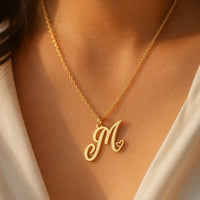
The piece they're describing → Heart Initial Necklace for Women — 18K Gold Plated, Personalized Letter + Heart Pendant
Personalize Yours
