


When you're comparing aquamarine vs blue topaz, the two stones look similar at first glance — both are blue, both appear in fine jewelry, and both hold birthstone status. But once you dig into color range, price per carat, hardness, and long-term value, these gems are quite different. This guide covers everything you need to know before buying.
Aquamarine vs blue topaz: aquamarine is a naturally rare beryl mineral with a soft blue-green color, rated 7.5–8 on the Mohs scale, and priced from $50–$500+ per carat. Blue topaz is more common, treated to achieve vivid Swiss or London blue color, rated 8 on the Mohs scale, and priced from $5–$50 per carat. Aquamarine offers rarity and elegance; blue topaz offers bold color and affordability.

Aquamarine vs Blue Topaz: Key Differences at a Glance
| Property | Aquamarine | Blue Topaz | Verdict |
|---|---|---|---|
| Appearance/Color | Soft blue to blue-green, sea-like | Vivid sky blue, Swiss blue, or deep London blue | Blue topaz for bold color; aquamarine for subtle elegance |
| Price Range | $50–$500+ per carat | $5–$50 per carat | Blue topaz for budget buyers |
| Hardness (Mohs) | 7.5–8 | 8 | Tie — both are durable for everyday wear |
| Durability | Good; no cleavage issues | Good; one perfect cleavage direction | Aquamarine slightly better for rough wear |
| Rarity | Moderately rare; naturally colored | Common; color is heat- or irradiation-treated | Aquamarine is rarer and more prestigious |
| Best For | Engagement rings, March birthstone gifts, investment pieces | Statement jewelry, December birthstone gifts, everyday wear | Depends on occasion and budget |
| Sparkle/Effect | Vitreous luster, high clarity, gentle glow | Brilliant luster, strong fire, high sparkle | Blue topaz for more sparkle |
| Origin/Formation | Beryl mineral; Brazil, Madagascar, Pakistan | Aluminum silicate; Brazil, Sri Lanka, Nigeria | Both widely sourced globally |
| Overall Value | Higher long-term value, holds price well | More affordable, widely available | Aquamarine for investment; blue topaz for value |
Shop Aquamarine and Blue Topaz Birthstone Necklaces — Shop Our Aquamarine Pendant Necklace → →
Ready to shop? Browse all aquamarine necklaces and birthstone jewelry in 925 sterling silver — every piece hypoallergenic, gift-ready, and backed by our 30-day returns.
What Is Aquamarine?
Aquamarine is a member of the beryl mineral family, the same family that includes emerald and morganite. Its name comes from the Latin aqua marina, meaning "water of the sea," which perfectly describes its pale blue to blue-green color range. The color comes from trace amounts of iron within the crystal structure — specifically ferrous iron, which produces the cool blue tones that make this gem so recognizable.
Most aquamarine on the market comes from Brazil, particularly the state of Minas Gerais, though significant deposits also exist in Pakistan, Madagascar, Mozambique, and Nigeria. The finest specimens come in a deep, saturated blue known as "Santa Maria" blue, named after the Santa Maria de Itabira mine in Brazil. These premium stones command the highest prices and are considered collector-grade.
Aquamarine scores 7.5–8 on the Mohs hardness scale and has no cleavage, meaning it doesn't split along flat planes the way some gems do. That makes it a practical choice for rings and bracelets that take daily wear. According to the Gemological Institute of America (GIA), aquamarine typically has excellent clarity — most stones sold in jewelry are eye-clean, with few visible inclusions.
Aquamarine is the birthstone for March, which makes it a popular gift for people born in late winter and early spring. It's also a traditional gift for 19th wedding anniversaries. Historically, sailors carried aquamarine as a talisman for safe passage across the sea.
What Is Blue Topaz?
Blue topaz is an aluminum silicate mineral with a hardness of 8 on the Mohs scale — slightly harder than aquamarine. Pure topaz is actually colorless. The vivid blue varieties sold in jewelry stores today — sky blue, Swiss blue, and London blue — are almost always the result of irradiation treatment followed by heat treatment. This process is stable, accepted industry-wide, and doesn't affect the stone's safety or durability.
Natural blue topaz does exist, but it's extremely rare and pale. The treated versions are what you'll find in virtually every jewelry store. The three main color grades are sky blue (light and airy), Swiss blue (medium, bright, electric blue), and London blue (deep, slightly greenish-blue, the most saturated and expensive of the three).
Brazil is the world's largest source of topaz, but significant production also comes from Sri Lanka, Nigeria, Pakistan, and Mexico. Because irradiation treatment is so effective at creating vivid color from colorless topaz, blue topaz is abundant and affordable — making it one of the most widely used gemstones in commercial jewelry.
Blue topaz is the birthstone for December, alongside tanzanite and turquoise. The Jewelers of America notes that topaz's perfect cleavage in one direction means it can chip if struck at the right angle, so protective settings are a good idea for rings.
Aquamarine vs Blue Topaz: Appearance and Color
Color is where these two gems differ most noticeably. Aquamarine runs in a narrower range — always somewhere between light blue and blue-green, with a soft, watery quality that looks calm and understated. The saturation is usually moderate; very dark aquamarine exists but is rare and expensive. Most aquamarine in jewelry has a gentle, ethereal tone that pairs naturally with white gold and platinum.
Blue topaz covers a much wider range. Sky blue topaz is almost ice-like in paleness. Swiss blue hits a bright, electric mid-blue that catches the eye from across the room. London blue sits in deep, inky territory that reads almost teal in certain lighting. The variety means you can pick a blue topaz shade that matches almost any style.
In terms of clarity, both gems tend to be eye-clean. Aquamarine often shows long, tube-like inclusions called "rain," while blue topaz is usually very clean. Under direct light, blue topaz tends to show more brilliance and fire because topaz has a higher refractive index (1.61–1.64) compared to aquamarine (1.57–1.58). If sparkle is a priority, blue topaz has a slight edge.
Price Comparison: Aquamarine vs Blue Topaz
Price is one of the biggest practical differences between these two stones. Blue topaz is among the most affordable blue gemstones on the market. Sky blue and Swiss blue topaz typically sell for $5–$20 per carat in commercial grades; London blue topaz runs $20–$50 per carat for quality stones. A finished blue topaz necklace in sterling silver can cost as little as $40–$150 retail.
Aquamarine costs significantly more. Entry-level aquamarine with lighter color runs $50–$100 per carat. Good-quality medium blue stones fall in the $100–$300 per carat range. Top-grade Santa Maria aquamarine — deep blue, no inclusions, excellent cut — can reach $500–$1,000+ per carat. A finished aquamarine necklace in sterling silver typically starts around $80–$200, while fine versions in gold can reach $500–$2,000+.
According to industry data from the Natural Color Diamond Association, aquamarine has maintained stable pricing over the past decade, making it a modest store of value compared to treated stones like blue topaz, which hold less resale appeal.
If you're buying a gift or everyday piece without investment concerns, blue topaz gives you more visual impact per dollar. If you want a gem that holds its value and carries natural prestige, aquamarine is the better long-term choice.
Which Is Better for Jewelry?
Both aquamarine and blue topaz work well in all major jewelry types — necklaces, earrings, rings, and bracelets. At Mohs 7.5–8 and 8 respectively, both are hard enough to resist scratching from most everyday materials (quartz dust scratches at 7, so both gems sit above that threshold).
The key durability difference is cleavage. Aquamarine has no perfect cleavage, which means it's less prone to chipping from impact. Blue topaz has one perfect cleavage direction, meaning a sharp blow in the wrong direction can cause it to split. For rings that take daily impact, aquamarine may hold up slightly better over decades of wear.
Both gems are easy to care for. Warm soapy water and a soft brush work well for both. Avoid ultrasonic cleaners for blue topaz — the vibrations can aggravate cleavage. Steam cleaning is not recommended for either stone. Store them separately from harder gems like diamonds and sapphires to prevent scratching.
For engagement rings, aquamarine is the more traditional fine jewelry choice. Its rarity and natural color feel more meaningful for a once-in-a-lifetime piece. For fashion jewelry, everyday pendants, and statement earrings, blue topaz delivers bold color at a price that makes it easy to wear without worry.
Looking for more gemstone comparisons? Read our guide on moissanite vs diamond and our article on alexandrite vs emerald for more side-by-side breakdowns.
Spiritual Meaning and Healing Properties
Both aquamarine and blue topaz carry rich traditions of spiritual and healing symbolism, though these properties are not scientifically proven.
Aquamarine has long been associated with calm, courage, and clear communication. Crystal healers link it to the throat chakra and believe it helps people express themselves honestly. It's also tied to the ocean — carrying energy associated with flow, adaptability, and emotional release. Historically, aquamarine was used by sailors as a talisman for safe travel and protection from storms.
Blue topaz carries associations with truth, wisdom, and mental clarity. It's considered a stone of communication and is thought to help align the mind for focused thinking. London blue topaz, with its deeper color, is often linked to calming strong emotions and promoting inner peace. In ancient traditions, topaz was believed to protect its wearer from harm.
Both gems align with water energy in many spiritual traditions, making them natural choices for people seeking calm, clarity, and emotional balance.
Frequently Asked Questions
Is aquamarine more expensive than blue topaz?
Yes, aquamarine is significantly more expensive than blue topaz. Aquamarine typically costs $50–$500+ per carat, while blue topaz runs $5–$50 per carat. The price difference comes from aquamarine's natural color, greater rarity, and higher prestige in the gem market. Blue topaz achieves its vivid color through treatment, which makes it more abundant and affordable.
Can aquamarine and blue topaz look the same?
They can look similar at a glance, especially when comparing pale aquamarine to sky blue topaz. However, aquamarine always leans toward a blue-green or sea-blue tone, while blue topaz can be a pure, electric blue or deep navy blue with no green undertone. Side by side, the differences become obvious. A jeweler or gemologist can distinguish them quickly with standard testing equipment.
Which is the better birthstone gift — aquamarine or blue topaz?
It depends on the recipient's birth month and budget. Aquamarine is the March birthstone, so it's the natural choice for March birthdays. Blue topaz is the December birthstone, ideal for December celebrations. For a gift that feels more special and rare, aquamarine is a stronger choice regardless of budget considerations. For an affordable but beautiful present, blue topaz delivers excellent value.
Is blue topaz treated?
Yes, almost all blue topaz sold in jewelry is treated. Colorless topaz is irradiated and then heat-treated to produce sky blue, Swiss blue, or London blue color. This treatment is permanent, stable, and universally accepted in the gem trade. It doesn't affect durability or safety. Natural untreated blue topaz exists but is extremely rare and pale — you'll almost never encounter it in a jewelry store.
Which stone is harder, aquamarine or blue topaz?
Blue topaz is slightly harder, rating 8 on the Mohs scale versus aquamarine's 7.5–8. In practical terms, both gems are durable enough for everyday wear. The more important durability factor is that blue topaz has one perfect cleavage plane, which makes it vulnerable to chipping if struck at the right angle. Aquamarine has no perfect cleavage and is slightly more resistant to impact damage.
Does aquamarine fade over time?
Aquamarine's natural color is stable and does not fade with normal wear. However, prolonged exposure to direct sunlight over many years can cause very slight lightening in some specimens. This is rarely noticeable in typical wear conditions. Blue topaz color from irradiation treatment is also stable and does not fade under normal light exposure. Both gems maintain their color reliably with standard care.
Which gem is rarer — aquamarine or blue topaz?
Aquamarine is rarer than blue topaz in commercial quantities. While aquamarine is not as rare as gems like alexandrite or Paraíba tourmaline, it occurs naturally in its distinctive blue-green color without treatment. Blue topaz starts as common colorless topaz, which is abundant globally, and gains its color through irradiation treatment. The natural rarity of aquamarine's color is a key reason for its higher price per carat.
Is aquamarine good for an engagement ring?
Aquamarine is a popular choice for engagement rings, especially for buyers who prefer colored stones over diamonds. At 7.5–8 on the Mohs scale with no cleavage issues, it holds up well to daily wear. Its soft blue-green color looks especially striking in white gold or platinum settings. It's less durable than sapphire or diamond, so a protective bezel or halo setting is recommended for rings worn every day.
What's the difference between Swiss blue and London blue topaz?
Swiss blue topaz has a bright, vivid, medium blue color — electric and eye-catching. London blue topaz is darker and deeper, with a steely blue that sometimes carries a greenish or grayish undertone. London blue is the most saturated and typically the most expensive of the three blue topaz grades (the third being sky blue). The choice between them is personal preference — Swiss blue is brighter; London blue is more dramatic and sophisticated.
Which stone offers better value for money?
Blue topaz offers better value for the dollar in terms of size and visual impact — you can buy a large, vivid blue topaz for a fraction of the cost of a comparable aquamarine. However, aquamarine offers better long-term value retention because of its natural rarity and higher market prestige. If you're buying jewelry to enjoy and not necessarily to resell, blue topaz is the more economical choice. If you want a gem with lasting value and natural provenance, aquamarine is worth the premium.
Final Thoughts
Aquamarine and blue topaz are both excellent blue gemstones — the right choice depends on your priorities. Aquamarine brings natural rarity, a subtle sea-blue beauty, and strong long-term value. Blue topaz offers vivid, customizable color at a price point that's hard to beat. For March birthdays, meaningful gifts, or investment pieces, aquamarine is the clear winner. For December birthdays, bold style, or budget-friendly jewelry, blue topaz delivers. Whichever you choose, both gems make for beautiful, wearable jewelry that lasts. Shop aquamarine and blue topaz birthstone necklaces at AJLuxe →
All third-party trademarks, brand names and product names are the property of their respective owners. AJLuxe is not affiliated with, endorsed by, sponsored by, or otherwise connected to any third-party brand referenced in this article. Brand names are used solely for accurate comparative reference, and material descriptions reflect each brand's own published product specifications at the time of writing.
You Might Also Like
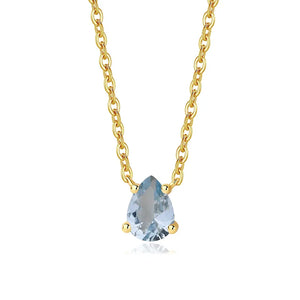
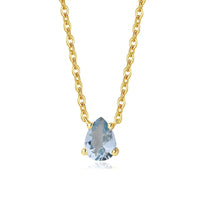
The piece they're describing → Aquamarine Pendant Necklace for Women — Teardrop Aquamarine Stone, 925 Sterling Silver
Personalize Yours


