


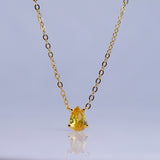
When you're choosing between citrine vs yellow sapphire, the decision comes down to budget, durability, and purpose. Both gems deliver that warm golden color that's been trending in fine jewelry, but they sit at opposite ends of the price and prestige spectrum. This guide breaks down every key difference — from price per carat and Mohs hardness to spiritual meaning — so you can pick the right yellow gemstone for your needs.
Citrine vs yellow sapphire: citrine is a yellow variety of quartz (Mohs 7) costing $10–$50 per carat, widely available and ideal for everyday wear. Yellow sapphire is a rare corundum gem (Mohs 9) priced $500–$3,000+ per carat, prized for vivid canary yellow color and exceptional durability, making it a strong investment-grade gemstone.

Citrine vs Yellow Sapphire: Key Differences at a Glance
| Property | Citrine | Yellow Sapphire | Verdict |
|---|---|---|---|
| Appearance/Color | Pale to golden-orange yellow, warm tones | Vivid canary to deep yellow, high saturation | Yellow sapphire for boldness; citrine for warmth |
| Price Range | $10–$50 per carat | $500–$3,000+ per carat | Citrine wins for budget buyers |
| Hardness (Mohs) | 7 | 9 | Yellow sapphire is significantly harder |
| Durability | Good; avoid abrasives and ultrasonic cleaners | Excellent; handles daily wear with ease | Yellow sapphire for rings; citrine for earrings/necklaces |
| Rarity | Common; widely available | Rare; limited fine-quality supply | Yellow sapphire is rarer and more collectible |
| Best For | Everyday accessories, gifts, casual wear | Engagement rings, heirlooms, investment pieces | Depends on intent and budget |
| Sparkle/Effect | Vitreous luster, moderate brilliance | High refractive index, strong brilliance | Yellow sapphire sparkles more intensely |
| Origin/Formation | Silicon dioxide quartz; Brazil, Bolivia, Spain | Aluminum oxide corundum; Sri Lanka, Thailand, Madagascar | Both have rich geographic diversity |
| Overall Value | High value for price; low resale | Strong long-term value; appreciates over time | Yellow sapphire for investment; citrine for enjoyment |
Shop Yellow Crystal Charm Necklaces at AJLuxe — Shop Our Citrine Pendant Necklace → →
Ready to shop? Browse all citrine necklaces and birthstone jewelry in 925 sterling silver — every piece hypoallergenic, gift-ready, and backed by our 30-day returns.
What Is Citrine?
Citrine is a yellow to orange-yellow variety of quartz, one of Earth's most abundant minerals. Its color comes from trace amounts of iron within the silicon dioxide crystal structure. Natural citrine is rarer than most people think — the majority of citrine on the market is actually heat-treated amethyst or smoky quartz that turns yellow or orange when exposed to high temperatures.
Brazil supplies the most citrine worldwide, followed by Bolivia, Madagascar, and Spain. The Bolivian variety, sometimes called "Bolivianite" or ametrine when blended with amethyst, is among the most prized. Natural, untreated citrine from the Serra Gaúcha region in Brazil carries a premium over heat-treated stones.
Throughout history, citrine was called the "merchant's stone" and believed to attract wealth. Ancient Greeks carved it into ornamental pieces as far back as 300 BC. During the Art Deco era, large citrine stones became popular in bold cocktail rings and brooches. Today it remains the November birthstone (alongside topaz) and one of the most affordable colored gemstones available.
On the Mohs hardness scale, citrine rates a 7 — firm enough for most jewelry but susceptible to scratches from harder materials like sapphire, diamond, or topaz.
What Is Yellow Sapphire?
Yellow sapphire belongs to the corundum family, the same mineral species as ruby and blue sapphire. Pure corundum is colorless; trace amounts of iron give it that distinctive yellow to golden color. The finest yellow sapphires display a vivid, saturated canary yellow with no brownish or greenish secondary tones — a quality that commands premium prices.
Sri Lanka (Ceylon) produces the most prized yellow sapphires, known for their clean clarity and pure yellow hue. Thailand, Madagascar, Australia, and Tanzania are other significant sources. Unheated Sri Lankan yellow sapphires with GIA or AGL certificates regularly sell for multiples of their heated counterparts.
According to the Gemological Institute of America, sapphire's refractive index of 1.762–1.770 gives it considerably more brilliance than quartz, which sits at 1.544–1.553. This optical property is a major reason yellow sapphires look livelier in light.
Yellow sapphire has deep roots in Vedic astrology, where it's known as "Pukhraj" and associated with Jupiter. In Hindu tradition, it's one of the nine planetary gemstones (navaratna) and worn for prosperity and wisdom. Western fine jewelers prize it as a sophisticated alternative to yellow diamond, at a fraction of the cost.
Citrine vs Yellow Sapphire: Appearance and Color
At first glance, citrine and yellow sapphire can look similar in photographs, but in person the differences are clear. Citrine tends toward warmer, earthier tones — think golden honey or amber rather than pure yellow. Its color can range from pale lemon to deep brownish-orange. The warmth is appealing, but the saturation rarely reaches the intensity of a fine yellow sapphire.
Yellow sapphire delivers a cleaner, more vivid yellow. The best stones achieve what gemologists describe as "canary yellow" — a bright, saturated, pure yellow that almost glows. Because sapphire has a higher refractive index than quartz, it bends light more sharply, producing stronger brilliance and more scintillation when you move the stone under light.
In terms of clarity, both stones can be found eye-clean. Citrine often has excellent clarity because large, clean crystals form readily. Yellow sapphires above 2 carats with eye-clean clarity are significantly rarer and command much higher prices. If color saturation and light performance matter to you, yellow sapphire is the stronger performer.
Price Comparison: Citrine vs Yellow Sapphire
The price gap between these two stones is dramatic. Commercial citrine sells for $10–$30 per carat, while fine natural citrine tops out around $40–$50 per carat. A beautiful citrine pendant with a 5-carat stone might cost $50–$150 total, making it accessible for everyday gifting.
Yellow sapphire pricing is a different story. Fine quality stones from Sri Lanka or Madagascar start at $500 per carat and can reach $3,000+ per carat for unheated, certified stones with vivid color and excellent clarity. A 1-carat yellow sapphire engagement ring in gold typically runs $1,500–$5,000 depending on metal and setting quality.
According to industry data from the Jewelers of America, colored gemstone sales have grown 18% over the past three years, with yellow sapphire seeing particular demand as a diamond alternative for engagement rings. Citrine, meanwhile, remains the most popular affordable colored gemstone in the U.S. market.
The resale value picture also differs significantly. Citrine holds little resale value — you'll typically get pennies on the dollar. Quality yellow sapphires, especially unheated certified stones, can hold or appreciate in value over time, similar to rubies and emeralds.
Which Is Better for Jewelry?
For rings and bracelets that see daily wear, yellow sapphire's Mohs 9 hardness makes it far more practical. It resists scratching from everyday contact with surfaces and other jewelry. Citrine at Mohs 7 can scratch when it rubs against harder gemstones like sapphire, diamond, or topaz — a real concern in mixed-stone pieces or stacked rings.
For earrings, pendants, and occasional-wear necklaces, citrine performs perfectly well. These pieces don't face the same abrasion risks as rings. A citrine pendant can look stunning in gold or silver settings and holds up fine with normal care.
Care requirements differ too. Citrine shouldn't go in ultrasonic cleaners — vibration can crack stones with inclusions. Clean citrine with warm soapy water and a soft brush. Yellow sapphire tolerates ultrasonic cleaning (unless heavily included) and is generally more forgiving. Both gems should stay out of harsh chemical environments like chlorine pools or bleach.
If you want yellow gemstone jewelry you can wear every day without worry, yellow sapphire is worth the investment. If you want a gorgeous yellow piece for special occasions without spending much, citrine is an excellent choice. You can also explore our guide to citrine meaning and healing properties or read about birthstone jewelry to see how each stone fits into your personal style.
Spiritual Meaning and Healing Properties
Both citrine and yellow sapphire carry strong energetic traditions, though from different cultural backgrounds.
Citrine's nickname "merchant's stone" or "success stone" comes from its long association with abundance, positivity, and creativity. Crystal healers use it to stimulate the solar plexus chakra, promote self-confidence, and dispel negative energy. Unlike most crystals, citrine is said to never absorb negative energy and doesn't require cleansing. It's popular for manifestation practices and is often placed in cash registers or wealth corners in feng shui.
Yellow sapphire connects to Jupiter in Vedic astrology — the planet of wisdom, prosperity, and good fortune. Practitioners of Jyotish (Vedic astrology) recommend wearing yellow sapphire in gold on the index finger to strengthen Jupiter's influence. In Western crystal traditions, yellow sapphire supports mental clarity, focus, and optimism. It's associated with the crown and solar plexus chakras.
If spiritual significance matters in your gemstone purchase, consider which tradition resonates with you. Citrine fits well with modern crystal healing practices; yellow sapphire is deeply embedded in ancient Vedic and South Asian traditions.
Related reading: Citrine vs Yellow Quartz: What's the Difference?.
Frequently Asked Questions
Is citrine a type of sapphire?
No, citrine and sapphire are completely different minerals. Citrine is a variety of quartz (silicon dioxide) with a Mohs hardness of 7. Yellow sapphire is a variety of corundum (aluminum oxide) with a Mohs hardness of 9. They share a similar yellow color range but differ in chemical composition, hardness, brilliance, rarity, and price.
Can citrine pass for yellow sapphire?
To the untrained eye in photographs, citrine and yellow sapphire can look similar. In person, yellow sapphire typically has more vivid color saturation and greater brilliance due to its higher refractive index. A gemologist can distinguish them instantly with basic testing — refractive index measurement alone separates quartz (1.544–1.553) from corundum (1.762–1.770). Never buy a gemstone labeled "yellow sapphire" at citrine prices — it's either mis-labeled or a synthetic stone.
Which is better for an engagement ring — citrine or yellow sapphire?
Yellow sapphire is the better choice for an engagement ring by a wide margin. Its Mohs 9 hardness handles daily wear without scratching, and its brilliance rivals diamond for visual impact. Citrine at Mohs 7 is softer and more prone to scratching when worn daily. For a meaningful, durable ring that holds long-term value, yellow sapphire is worth the higher price.
How much does a yellow sapphire cost compared to citrine?
Citrine runs $10–$50 per carat, making a 5-carat stone cost $50–$250 at retail. Yellow sapphire ranges from $500–$3,000+ per carat for quality stones. A 1-carat fine yellow sapphire costs roughly 30–60 times more than a comparable citrine. The price gap reflects yellow sapphire's rarity, hardness, and investment value.
Is yellow sapphire rare?
Yes, fine-quality yellow sapphire is significantly rarer than citrine. Gem-quality quartz (the mineral family citrine belongs to) is one of Earth's most common minerals. Corundum deposits are rarer, and stones with the vivid canary yellow color and strong clarity that define top-grade yellow sapphire are genuinely scarce. Unheated yellow sapphires with strong color and GIA certification command substantial premiums.
Does yellow sapphire hold its value?
Quality yellow sapphires, especially unheated certified stones from Sri Lanka, tend to hold or appreciate in value over time. Like fine rubies and blue sapphires, top-grade yellow sapphires are genuine investment assets. Citrine holds very little resale value — it's priced as a semi-precious stone and widely available. If investment potential matters, yellow sapphire is the clear winner.
What color is the best yellow sapphire?
The most prized yellow sapphires display a vivid, pure canary yellow with strong saturation and no brownish, greenish, or orangey secondary hues. GIA grades color using hue, tone, and saturation — a "vivid yellow" with 75–85% saturation and medium-light to medium tone commands the highest prices. Pale or brownish-yellow stones sell for considerably less.
Can citrine be used as a November birthstone?
Yes. Citrine is one of two official November birthstones, alongside topaz. The American Gem Society and Jewelers of America both recognize citrine as a November birthstone. It's been a traditional birthstone alternative since the 1912 modern birthstone list was standardized. Yellow sapphire is not an official November birthstone but is recognized in Vedic birth chart traditions.
Is citrine heat-treated?
Most citrine on the market today is heat-treated amethyst or smoky quartz. When these purple or gray quartz varieties are heated to 470–560°C, they turn yellow or orange-yellow. Natural, untreated citrine is rarer and commands a premium. Reputable dealers disclose heat treatment, and the distinction affects value, though both varieties are equally durable and beautiful.
Which yellow gemstone is better for everyday wear?
Yellow sapphire handles everyday wear better than citrine. At Mohs 9, it resists scratching from most surfaces and everyday materials. Citrine at Mohs 7 can scratch over time when worn in rings or bracelets. For earrings and occasional-wear necklaces, citrine is perfectly durable. For rings worn daily, yellow sapphire — or at minimum, a protective setting style — is the smarter choice.
Final Thoughts
Citrine vs yellow sapphire isn't really a contest — they serve different buyers. Citrine gives you a beautiful, warm yellow gemstone at an accessible price, perfect for fashion-forward jewelry you can wear and enjoy without worry. Yellow sapphire is a serious gemstone investment: rarer, harder, more brilliant, and built to last generations. If you want a yellow gem that fits most budgets, citrine delivers real beauty for the money. If you're buying an engagement ring, a milestone piece, or an heirloom, yellow sapphire is worth every cent. Either way, yellow gemstone jewelry is having a moment — and both stones let you wear that energy with style. Shop Yellow Crystal Charm Necklaces at AJLuxe →
Ready to shop citrine specifically? Our citrine jewelry rings guide covers ring settings, how to judge quality, and what a citrine ring should cost.
All third-party trademarks, brand names and product names are the property of their respective owners. AJLuxe is not affiliated with, endorsed by, sponsored by, or otherwise connected to any third-party brand referenced in this article. Brand names are used solely for accurate comparative reference, and material descriptions reflect each brand's own published product specifications at the time of writing.
You Might Also Like
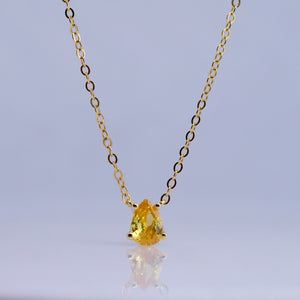
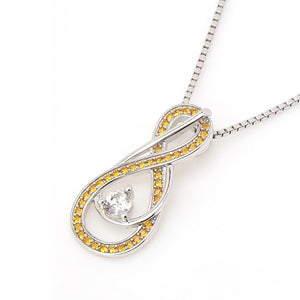
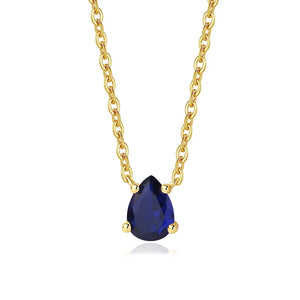
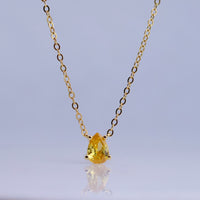
The piece they're describing → Citrine Pendant Necklace for Women — Yellow Citrine Teardrop, 925 Sterling Silver
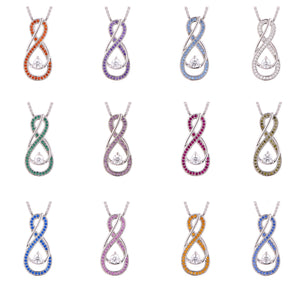
Personalize Yours


