The word "waterproof" in jewelry is used more liberally than it should be, and understanding the actual distinction matters before you make any jewelry purchase you plan to wear near water. True wate…
The word "waterproof" in jewelry is used more liberally than it should be, and understanding the actual distinction matters before you make any jewelry purchase you plan to wear near water. True waterproof — in the sense of a scuba-rated watch or a waterproof phone case — implies a sealed, pressure-tested enclosure that keeps water out completely. No jewelry meets that standard because jewelry is not sealed: it has porous settings, chain links that allow water to flow through, and surface finishes that interact with different types of water in different ways. What jewelry can be is water-resistant, which means it handles moisture exposure at the levels of daily life — quick rinses, rain, and light perspiration — without damage, tarnish, or degradation under normal circumstances.
The base metal is the single most important factor in how well any piece of jewelry handles water exposure, and this is where 925 sterling silver separates itself from the brass-base jewelry that dominates the fast-fashion jewelry market. Brass (copper-zinc alloy) oxidizes rapidly when exposed to moisture — it turns green on skin, tarnishes quickly, and in pool or ocean environments, the copper content reacts with chlorine and salt to produce visible corrosion within a single swim session. Sterling silver, by contrast, is a stable alloy with chemically inert silver as its primary component. It reacts with sulfur compounds (causing tarnish over time) but handles moisture exposure significantly better than brass, and the tarnish it does develop is a surface phenomenon that polishes off easily rather than the structural corrosion brass produces.
Gold plating adds an additional layer of protection against tarnish and moisture reactions, but it is a surface finish rather than a structural material. The plating is typically 0.5 to 2.5 microns thick on jewelry pieces — thin enough to provide an elegant gold appearance but not thick enough to serve as a permanent water barrier. The durability of the plating under water exposure depends heavily on the base metal: 18K gold plating over 925 sterling silver behaves better in moisture than the same plating over brass, because if the plating is breached at a friction point, the sterling underneath tarnishes gracefully rather than turning green. Plating on a sterling base essentially gives you two layers of decent water resistance; plating on a brass base gives you one layer of resistance over a base that actively corrodes.
The practical result for AJLuxe customers is this: our pieces — 925 sterling silver with 18K gold plating on many styles — handle daily life moisture comfortably. Quick hand-washing, caught in rain, light sweat from a workout, a humid bathroom — none of these will visibly damage your piece with normal care. Extended pool or ocean exposure is the one situation where we recommend removing fine jewelry, not because the pieces will immediately be destroyed but because extended chlorine and salt exposure accelerates wear on plating and eventually contributes to tarnish on even the highest-quality sterling. The honest answer is always more useful than an uncaveated "waterproof" claim.
| Water Exposure Type | Safety for 925 Sterling | Safety for Gold Plating | Recommendation |
|---|---|---|---|
| Quick hand rinse (soap and water) | Fully safe | Fully safe | No action needed — this is daily life |
| Rain or light splashing | Fully safe | Fully safe | Dry the piece when you get home; nothing to worry about |
| Shower without hair/body products | Generally safe | Generally safe with caveats | Fine for most occasions; dry thoroughly after; some soaps accelerate tarnish over months |
| Shower with shampoo, conditioner, body wash | Low-risk but not ideal | Some risk of plating wear over time | Better to remove; product residue builds up in settings and accelerates surface wear |
| Gym sweat / workout | Generally safe | Low-moderate risk long-term | Rinse jewelry afterward; sweat contains salt and compounds that accelerate tarnish |
| Swimming pool (chlorinated) | Risk of accelerated tarnish | Meaningful plating risk | Remove before swimming; chlorine is sterling's primary chemical enemy in water contexts |
| Ocean (salt water) | Risk of accelerated tarnish | Meaningful plating risk | Remove before ocean swimming; salt accelerates oxidation; difficult to fully rinse from settings |
When a jewelry brand describes a piece as "waterproof," they almost always mean "water-resistant for everyday wear conditions." The technical reality is that no jewelry is waterproof in an absolute sense — the term is borrowed from watch and tech product marketing where it has a specific, quantified meaning (pressure ratings, IP codes) that has no equivalent in the jewelry world. A responsible interpretation of "waterproof jewelry" is: pieces made from materials that will not be meaningfully harmed by the moisture exposures of daily life, including quick rinses, rain, and light sweat. That is a genuinely valuable quality in a piece you want to wear every day without constant anxiety about damage.
The more useful question to ask before buying is not "is it waterproof?" but "what is the base metal, and what finish is on it?" A 925 sterling silver piece with 18K gold plating gives you a much clearer picture of actual durability than any marketing claim. Sterling as a base metal handles moisture well. Gold plating over sterling handles moisture better than plating over brass. Vermeil (thick gold plating over sterling to a specific minimum thickness) is the most durable gold-over-silver option available at accessible prices. Understanding the materials gives you factual durability information that the word "waterproof" does not.
Brass is the dominant base metal in fast-fashion and "dupe" jewelry because it is cheap to manufacture, easy to plate, and holds shape well. The problem is copper chemistry: copper oxidizes readily in the presence of moisture, producing the greenish copper carbonate (verdigris) that discolors skin, leaves green marks on clothing, and visibly degrades the appearance of the piece. In pool water, the copper in brass reacts with chlorine to form copper chloride, an accelerated oxidation product that can visibly green a piece within a single swim session. Salt water produces similar copper chloride reactions. Even without pool or ocean exposure, brass jewelry in humid environments will tarnish faster and more obviously than sterling.
Sterling silver (92.5% silver, 7.5% copper) has a much lower copper content than brass (typically 60–90% copper), which dramatically reduces the oxidation rate. More importantly, when sterling silver does tarnish, it produces silver sulfide — a dark grey surface tarnish that is easily removed with a polishing cloth and leaves no residue on skin. The piece looks less new but does not leave marks on you and does not suffer structural corrosion. This is the meaningful difference for daily wear in moisture environments: sterling ages gracefully; brass degrades. The base metal matters more than any surface plating when assessing long-term water resistance.
Gold plating on jewelry is a surface deposit — typically 0.5–2.5 microns of gold electroplated onto the base metal. It is genuinely beautiful, and with proper care, it lasts far longer than most people assume. The five rules for extending the life of gold plating in water exposure contexts are: first, remove before swimming in pools or oceans (chlorine and salt are the primary accelerants of plating wear at friction points). Second, if you shower in your piece, rinse it with clean water afterward to remove any soap or product residue that sits in settings and accelerates surface interaction. Third, dry the piece after water exposure — air-drying in a damp state allows any trace minerals in tap water to deposit on the surface over time. Fourth, store in a closed pouch or box when not wearing rather than leaving in humid bathroom environments. Fifth, avoid abrasive cloths on plated surfaces — use a soft microfiber or dedicated polishing cloth for maintenance.
With these five habits in practice, 18K gold plating over 925 sterling silver will typically maintain its appearance for two to four years of daily wear, sometimes significantly longer depending on the thickness of the original deposit and the specific wear patterns of the individual. The plating does not "fall off" dramatically — it wears gradually at friction points (the backs of chains, the top of pendants where they touch the chain, the inside curves of rings), revealing the sterling beneath, which is still attractive. At that point, re-plating is an option; or the natural silver patina of the sterling underneath becomes the piece's new aesthetic.
Among all the water exposures that jewelry encounters, two stand meaningfully apart as genuinely damaging rather than merely accelerating normal wear: chlorinated pool water and salt water. Chlorine is used in swimming pools as a disinfectant and exists in a reactive ionic form (hypochlorite) that attacks gold plating at the molecular level, particularly at friction points where the plating is thinnest. A single pool swim will not visibly destroy plating, but regular pool exposure without removing jewelry accelerates plating wear significantly — pieces that might last three years with daily wear in other conditions may show visible wear in six to nine months of regular pool exposure.
Salt water presents a different but equally significant challenge: salt (sodium chloride) in ocean water is hygroscopic — it draws moisture and holds it at surfaces. Salt crystals deposited in jewelry settings continue to interact with the metal surface even after you leave the water, until the piece is thoroughly rinsed with fresh water. The cumulative effect of salt exposure without proper rinsing is accelerated tarnish on sterling silver and accelerated plating wear on gold surfaces. The practical rule is simple: remove fine jewelry before entering the pool or ocean, or rinse immediately afterward if removal was not possible and dry thoroughly.
Plating longevity varies significantly depending on lifestyle moisture exposure. For a person who wears gold-plated sterling jewelry daily but removes it before showering, swimming, and intense exercise, and stores it properly, typical plating life is three to five years before visible wear appears at friction points. For a person who showers in their jewelry daily, wears it to the gym regularly, and does not rinse after sweat exposure, visible wear at friction points may appear within twelve to eighteen months. Neither of these is a product defect — they are the natural outcome of different care practices on a surface finish product.
The most durable option in the gold-over-silver category is vermeil — gold plating over sterling silver at a minimum of 2.5 microns thickness (the legal definition in the United States and several other markets). Vermeil pieces with high micron counts (2.5–5+ microns) significantly outlast standard electroplating (0.5–1 micron) in moisture exposure contexts. When comparing products, asking about plating thickness is a legitimate and useful durability question, not just an aesthetic one.
You can, and many people do without obvious problems. Occasional showering in 925 sterling silver will not cause rapid or dramatic damage. However, daily showering — especially with shampoos, conditioners, and body washes — accelerates tarnish development over time. Product residues build up in settings and chain links, and the compounds in many personal care products react with silver sulfur bonds to produce tarnish faster than simple water exposure would. The conservative recommendation is to remove before showering as a habit; the realistic answer is that occasional showers in sterling are fine, and even daily shower exposure produces gradual tarnish rather than immediate damage.
Gold-plated jewelry is water-resistant for everyday exposures — quick rinses, rain, and light sweat — but is not waterproof in any engineering sense. The gold plating is a thin surface deposit that provides a barrier against moisture and oxidation but wears at friction points over time, especially with repeated water exposure. Gold plating over 925 sterling silver is more durable in moisture than gold plating over brass, because the sterling underneath handles moisture better when the plating eventually wears. Remove gold-plated jewelry before pools, ocean, and extended water exposure to maximize plating longevity.
Occasional showers will not cause obvious tarnish immediately. Regular daily shower exposure — particularly with hair and body products — will accelerate tarnish development over weeks and months. The tarnish that develops on sterling silver from shower exposure is typically the same dark grey silver sulfide tarnish that develops from air exposure; it polishes off with a soft cloth. The practical distinction: occasional shower wear causes gradual tarnish that is easy to maintain; daily shower wear without periodic cleaning will produce visible tarnish buildup in settings and chain links within a few months.
We recommend removing AJLuxe jewelry before swimming in chlorinated pools. Chlorine is specifically damaging to gold plating at the molecular level and also accelerates tarnish development on sterling silver faster than most other water exposures. A single pool swim will not destroy a piece, but regular pool exposure without removal significantly shortens the lifespan of gold plating and will produce visible tarnish on sterling within a season of regular use. For pool-proof accessories, consider silicone or titanium alternatives; for fine jewelry, removal is the better habit.
In order of damage speed: (1) Chlorinated pool water, which attacks gold plating at the molecular level and accelerates silver tarnish. (2) Salt water (ocean), which deposits corrosive salt crystals in settings and continues damaging the piece after leaving the water until thoroughly rinsed. (3) Perfume and hairspray applied directly to jewelry, which leaves chemical residues that react with metal surfaces. (4) Sweat from intense exercise without subsequent rinsing, which deposits salt and organic acids that accelerate oxidation. (5) Improper storage — leaving jewelry in humid environments like bathrooms accelerates all of the above processes.
The five key habits: remove before swimming pools and ocean; rinse with clean water after sweat exposure or showering; dry thoroughly rather than air-drying in a damp state; store in a closed pouch or box away from humidity; and avoid abrasive cloths on plated surfaces. Additionally, put jewelry on last — after applying perfume, hairspray, lotions, and skincare — to minimize product contact with the plating. With these habits, 18K gold plating over 925 sterling silver typically lasts two to four years of daily wear, sometimes significantly longer.
The practical answer: not ideally, but sterling silver handles water better than brass-base jewelry by a significant margin. If you swim occasionally in a sterling silver piece without removing it, you will not see immediate dramatic damage. Regular pool swimming in sterling silver without removal will produce accelerated tarnish within weeks to months of the chlorine exposure season. Ocean swimming is similarly not recommended for regular practice. Sterling silver is not destroyed by a swim; it is simply not designed for that environment and will require more frequent maintenance if regularly exposed to pool or ocean water.
Water-resistant jewelry — which AJLuxe pieces are — handles everyday moisture exposures without meaningful damage: rain, hand-washing, light sweat, and occasional showers. Waterproof jewelry would require sealed construction and tested pressure ratings, which no conventional fine jewelry meets. No jewelry currently manufactured should be described as waterproof in the engineering sense of the word. The honest framing is: 925 sterling silver with quality plating is durable enough for daily life moisture but should be removed for extended aquatic activities like swimming, surfing, or diving. That is water-resistant, not waterproof — and it is a genuinely useful level of durability for how most people actually wear jewelry.
Honestly, no — it's water-resistant. 925 sterling silver with 18K gold plating holds up to splashes, sweat and quick water exposure better than base-metal jewelry, but the plating still benefits from a rinse and dry afterward, and avoiding chlorine specifically. Genuinely waterproof jewelry uses PVD-coated stainless steel, a different construction than anything here. See best waterproof jewelry brands for the full honest comparison.
"Waterproof" jewelry almost always means PVD (Physical Vapor Deposition) gold bonded to stainless steel — a coating that resists chlorine and saltwater far better than standard plating. "Water-resistant" jewelry, like this collection, is genuine gold plating over sterling silver: a real precious-metal base, but a coating that wears faster than PVD with constant water exposure.
Occasionally, yes — rinse it with fresh water and dry it afterward rather than leaving chlorine or salt on the plating. For daily pool or ocean wear, a genuinely PVD-coated piece will hold up longer.
PVD bonds gold to stainless steel at a molecular level, which is why brands built on it can back pieces with lifetime color warranties. This collection uses 925 sterling silver with standard 18K gold electroplating — a real precious-metal base at a lower price, with the honest tradeoff that it needs the same care as any gold-plated jewelry. See best waterproof jewelry brands for the full comparison.
Yes. We hold our own inventory rather than dropshipping, so anything listed as available is on our shelves and ready to ship.
Orders placed before 12pm EST ship the same day; everything else ships the next business day. Delivery inside the USA takes 3–5 days from dispatch, and shipping is free with no minimum order.
Occasional showering in 925 sterling silver causes minimal damage. Daily showering with hair and body products accelerates tarnish over weeks and months. The tarnish that develops polishes off easily. Remove before showering as a habit to maintain plating and minimize tarnish buildup.
Gold-plated jewelry is water-resistant for everyday exposures but not waterproof. The plating is a thin surface deposit that wears at friction points over time. Gold plating over 925 sterling silver is more durable in moisture than plating over brass. Remove before pools and ocean to maximize plating longevity.
In order: (1) chlorinated pool water attacking gold plating, (2) salt water depositing corrosive crystals in settings, (3) perfume and hairspray residues reacting with metal, (4) sweat without subsequent rinsing, (5) storage in humid bathroom environments without drying.
Water-resistant jewelry handles everyday moisture — rain, hand-washing, light sweat — without damage. Waterproof would require sealed construction and pressure ratings, which no conventional fine jewelry meets. 925 sterling silver is water-resistant for daily life but should be removed for swimming.
The genuine version — PVD gold bonded to stainless steel — resists chlorine and saltwater at a level standard plating can't match. See best waterproof jewelry brands for an honest comparison across the category, including where AJLuxe fits.
925 sterling silver with 18K gold plating — a real precious-metal base at a lower price than PVD-built brands, with the honest tradeoff that the plating wears faster with constant water exposure. Rinse with fresh water and dry after swimming or sweating, and avoid leaving chlorine on the plating.
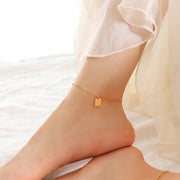
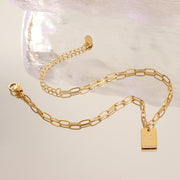
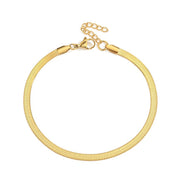
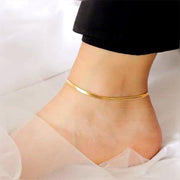
Anklets and bracelets, from $31.99, all in stock — 213 reviews sit at a 4.20 average. These styles suit the beach and everyday wear specifically because they're simple adjustable chains, not because the metal is different from the rest of the catalog.
Rinse and dry after water exposure, avoid chlorine and perfume contact, and store separately to avoid scratching. Anything unworn can be returned within 30 days, and shipping is free in the USA both ways with no minimum order.
The guides shoppers open most before choosing this piece.