

TL;DR — What Red Means on a Mood Ring
Red on a mood ring means intense emotions — typically passion, excitement, romantic attraction, or strong anger. It reflects a skin temperature above 37°C (98.6°F) — the highest reading on most mood ring scales. It's one of the rarest colours to see because it requires the highest body heat.
Red on a mood ring means intense, heightened emotions — most commonly passion, excitement, deep romantic attraction, or strong anger. The thermochromic liquid crystal inside the ring responds to skin surface temperature: red appears at the highest temperature range (approximately 37°C / 98.6°F and above). Physical activities like exercise, strong emotional arousal, or high anxiety can all trigger a red reading.
Seeing red on your mood ring is uncommon — it requires the highest skin temperature reading in the mood ring scale, which only happens when you're experiencing genuinely intense emotions or physical exertion. When it does appear, it's the ring's way of registering that something significant is happening in your body.
Shop it: the AJLuxe Color-Changing Mood Ring — a real thermochromic stone in an ornate, antiqued silver-tone band. Join the waitlist.
What Does Red Mean on a Mood Ring?
| Colour | Body Temperature | Primary Emotion | Common Context |
|---|---|---|---|
| Red | 37°C+ / 98.6°F+ | Passion, excitement, anger | Romance, exercise, strong emotions |
| Purple | 36–37°C / 96–98°F | Amorous, happy | Contentment, affection |
| Blue | 34–36°C / 93–96°F | Calm, relaxed | Rest, focused work |
| Green | 33–34°C / 91–93°F | Average, normal | Everyday baseline |
Red is the top of the temperature scale on a standard mood ring. Most mood rings cycle through black (coldest) → green (average) → blue → purple → red (hottest). Reaching red means your skin has warmed significantly above your resting baseline.
Passion and Romantic Excitement
The most widely cited association with red on a mood ring is passion — intense romantic feelings or attraction. When you're with someone you're strongly attracted to, heart rate increases, blood vessels dilate, and skin temperature rises. That physical response is what the ring actually detects.
Anger and Frustration
Strong anger produces the same physiological response as excitement: elevated heart rate, increased blood pressure, and higher skin temperature. A mood ring can't distinguish between passionate excitement and intense anger — both register as red. Context is everything.
Physical Exertion
Exercise, physical labour, or dancing raises body temperature and skin surface heat regardless of emotional state. If your ring turns red at the gym, it's responding to body heat rather than emotion. This is normal and doesn't override the emotional reading when you're at rest.
High Anxiety or Adrenaline
An adrenaline surge — public speaking, a job interview, a high-stakes moment — can push skin temperature toward the red range. This is distinct from calm anxiety (which tends to register yellow or orange) because it's paired with a full-body physiological response.
Body Temperature and Red
Mood rings use thermochromic liquid crystals that change colour in response to temperature. Red typically appears at skin temperatures of 37°C (98.6°F) and above — which is at or slightly above core body temperature. This is why red is rare: for skin surface temperature to reach that level, your core temperature and blood flow to your hands must be elevated simultaneously.
Factors that can push skin temperature high enough for red: aerobic exercise, strong emotional arousal, warm weather with physical activity, fever (which can turn a ring red without any emotional component), and certain medications that increase circulation.

Frequently Asked Questions
What does it mean when a mood ring turns red?
Red on a mood ring indicates intense emotions — most commonly passion, deep excitement, or strong anger. It reflects a skin temperature at or above 37°C (98.6°F), which is the highest point on most mood ring scales. Physical exertion can also cause a red reading regardless of emotional state.
Is red a good or bad colour on a mood ring?
Red isn't inherently good or bad — it depends on context. In a romantic situation, red typically means passion and excitement (positive). During a conflict, it can reflect anger or frustration. During exercise, it simply reflects high body temperature. The ring measures heat, not happiness.
Why does my mood ring turn red so rarely?
Red requires the highest skin temperature on the mood ring scale — at or above 37°C (98.6°F). Most people's hands sit at 33–36°C during calm, everyday activity, which registers green to purple. Reaching red requires significantly elevated circulation and body heat, which only happens during intense physical or emotional activity.
Can a mood ring turn red from anger?
Yes — strong anger produces the same physiological response as intense excitement: elevated heart rate, increased blood pressure, and higher skin temperature. A mood ring responds to heat, not the nature of the emotion, so both passionate excitement and intense anger can produce a red reading.
What body temperature causes a mood ring to turn red?
A mood ring typically turns red when skin surface temperature reaches approximately 37°C (98.6°F) or above. This is the top of the standard mood ring temperature scale — above this point, most rings stay red rather than changing to another colour.
What does a red and purple mood ring mean?
A mood ring shifting between red and purple indicates you're between the passion/excitement range (red) and the happy/romantic range (purple). This often appears during emotionally charged but positive experiences — such as an exciting conversation or romantic moment — where temperature is fluctuating but staying in the upper range.
Does a red mood ring mean you're in love?
Red can coincide with intense romantic feelings, but it doesn't specifically mean love — it means high skin temperature caused by intense emotion or physical activity. Purple is more closely associated with romantic happiness in the traditional mood ring colour chart. Red is the broader "intense emotion" indicator, which includes (but isn't limited to) romantic passion.
What is the rarest mood ring colour?
Red is generally the rarest colour to see on a mood ring because it requires the highest skin temperature — 37°C or above — which only occurs during intense physical or emotional arousal. Most people's hands spend the majority of the day in the green-to-blue range (33–36°C).
Shopping for a mood ring you can trust? See our best mood ring brands guide, ranked for color accuracy and durability. For the full mood ring color chart with all 9 colours and their temperature ranges, see our mood ring color chart. For the complete emotion guide across every shade, see mood ring colors and meanings.
Written by the AJLuxe team — specialists in personalised sterling silver jewelry. Last updated: June 2026.
All third-party trademarks, brand names and product names are the property of their respective owners. AJLuxe is not affiliated with, endorsed by, sponsored by, or otherwise connected to any third-party brand referenced in this article. Brand names are used solely for accurate comparative reference, and material descriptions reflect each brand's own published product specifications at the time of writing.
You Might Also Like
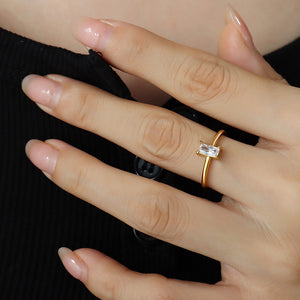

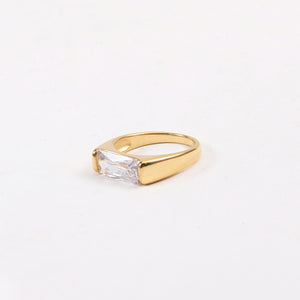
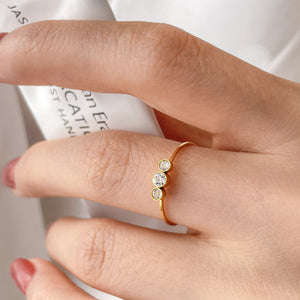
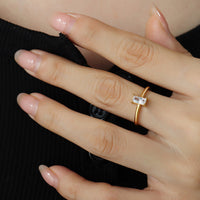
The piece they're describing → Square CZ Wedding Ring for Women — 18K Gold Plated, Princess Cut Cubic Zirconia
Personalize Yours


