


Written by the AJLuxe Team — specialists in gemstone sterling silver jewelry. Last updated: July 2026.
- Quality is judged by flash coverage, flash intensity, and how many colors show as you rotate the stone.
- Multicolor flash (blue + green + gold + purple) is rarest and most valuable; single blue-green flash is most common.
- Spectrolite from Finland is the premium grade and commands significantly higher prices than commercial labradorite.
- Real labradorescence shifts with viewing angle — dyed glass or resin fakes look flat and static.
- Bezel settings protect labradorite's feldspar cleavage better than exposed prongs, especially for rings.
Labradorite pricing and quality vary more than most gemstones because so much of its value comes from an optical effect — labradorescence — that's genuinely difficult to judge from photos. A $10 cabochon and a $300 spectrolite pendant can look similar in a bad photo and completely different in person. This guide walks through exactly what to look for, how pricing works, and how to avoid the most common buying mistakes.
What to Look For in Quality Labradorite
Flash coverage
The single biggest quality differentiator is how much of the stone's visible surface shows color flash. Lower-grade labradorite often shows just a small patch of color in one spot; higher-grade stones show flash across most or all of the visible face. When shopping, ask sellers for photos taken while slowly rotating the stone, not just one static angle.
Flash intensity
Beyond coverage, the saturation of the color matters. A faint, washed-out blue hint is lower quality than a vivid, electric flash. This is partly about the stone itself and partly about the quality of the polish — a well-finished surface lets more light interact with the internal layers, producing a stronger effect.
Color range
Most commercial labradorite shows primarily blue and green flash. Gold and purple flashes are less common and more valuable. Multicolor stones — showing several of these colors simultaneously as you rotate the piece — are the rarest and most sought after.
Spectrolite: The Premium Grade
Spectrolite is a trade name for the finest labradorite, sourced specifically from Finland. It's not a different mineral — it's the same feldspar species — but Finnish deposits consistently produce stones with full-spectrum, high-intensity flash that's rarer in labradorite from other sources like Madagascar or Mexico. If a seller specifically labels a piece "spectrolite" and it's priced well above standard labradorite, that premium is usually justified by superior, more consistent flash — but it's worth confirming Finnish origin, since the term is sometimes used loosely for marketing.
Labradorite Price Guide
| Grade | Typical Price | Description |
|---|---|---|
| Low-grade commercial | $2–$10 | Faint, small-area flash; often tumbled stones |
| Mid-grade cabochon | $10–$50 | Solid blue-green flash across most of the face |
| Sterling silver jewelry | $30–$150 | Set stone plus metal and craftsmanship cost |
| Fine spectrolite (Finland) | $50–$500+ | Full-spectrum, high-intensity multicolor flash |
Real vs. Fake Labradorite
Labradorite's flash is genuinely difficult to fake convincingly. Dyed glass or resin imitations look flat and uniformly colored regardless of viewing angle — real labradorescence shifts and moves as light hits the stone from different angles because it comes from interference between internal feldspar layers, not surface color. Warning signs include: color that doesn't change as the stone is rotated, unusually uniform color across an entire batch (natural stones vary piece to piece), unnaturally bright or neon color, and prices far below market rate for the amount of flash shown.
Best Jewelry Types for Labradorite
- Pendants — the most popular choice; movement as you walk and turn constantly refreshes the flash
- Rings — keeps the stone in your eyeline throughout the day; look for bezel settings that protect against chipping
- Dangle earrings — movement catches light from multiple angles
- Cuffs and cabochon bracelets — larger surface area shows off multicolor flash well, but more exposed to knocks
Because labradorite has feldspar cleavage planes, it can chip if struck at a sharp angle — a protective bezel setting (metal fully surrounding the stone edge) is generally safer for daily-wear rings than an open prong setting.
Where to Buy
Buy from sellers who photograph the stone in motion or from multiple angles, disclose origin, and offer clear return policies. Because so much of labradorite's appeal is genuinely hard to capture in a single still photo, reputable sellers compensate with better documentation — video, multiple angles, or in-person raking-light shots — rather than one polished hero image.
Want to understand labradorite's spiritual meaning before you buy? Read our labradorite healing properties guide. For the full origin story, optical science, and moonstone comparison, see our complete labradorite meaning guide.
Skip the Guesswork — Shop Curated Labradorite-Style Jewelry
Our elemental stone charms necklace in 18K gold plated sterling silver is quality-checked and ready to wear — no flash-matching gamble required.
Ready to shop? Browse all crystal and gemstone jewelry in hypoallergenic sterling silver — gift-ready and backed by our 30-day returns.
Related reading: Custom Jewelry for Women (2026): Real Types, Best Metals, and Honest Price Ranges.
Related reading: Diamond Pendant Buying Guide: Real Prices, How to Spot Fakes & CZ Alternatives (2026).
Frequently Asked Questions
How to choose a good labradorite?
Look for strong, consistent labradorescence (color flash) across the visible face of the stone rather than just a tiny flash in one spot. Check the stone from multiple angles — quality labradorite should show color shift as you rotate it, not just at one fixed angle. Also inspect for visible cracks, cloudiness, or dullness in the base color, and confirm the seller discloses origin (Madagascar and Canada are common commercial sources; Finland produces the premium spectrolite grade).
How to tell if labradorite is high quality?
The clearest indicators are flash coverage (how much of the stone's surface shows color, not just a pinpoint), flash intensity (vivid, saturated color versus a faint hint), and the range of colors visible (multicolor flash — blue, green, gold, and purple together — outranks single-color flash). A polished, even surface without visible pitting or scratches also signals better cutting and finishing quality.
Who should not wear a labradorite stone?
There's no physical reason most people can't wear labradorite — it's not associated with skin sensitivities the way certain metals are. The caution is more metaphysical: some crystal practitioners suggest people in an already turbulent emotional period ease into wearing it, since it's believed to intensify and accelerate change. From a buying standpoint, anyone can wear labradorite; the consideration is about pacing, not eligibility.
What is the rarest labradorite color?
Multicolor flash showing the full spectrum — blue, green, gold, and violet/purple all visible in one stone — is the rarest and most prized. Purple and pink flashes are considered rarer than the common blue-green, and true spectrolite from Finland (which regularly shows the full spectrum) commands the highest prices of any labradorite grade.
How can you tell real labradorite from fake?
Genuine labradorite shows labradorescence that shifts and moves as you rotate the stone under light — this is a structural optical effect and can't be faked with paint or dye, which look flat and don't change with viewing angle. Be cautious of extremely uniform, saturated color across an entire batch of stones (a sign of dyed glass or resin), and of prices that seem too low for the amount of visible flash shown in photos.
Is labradorite expensive?
Standard commercial labradorite is very accessible — polished cabochons typically run a few dollars up to $30–50 for strong flash quality, and sterling silver labradorite jewelry generally falls in the $30–150 range. Fine spectrolite from Finland is a different tier, with cabochons showing full-spectrum flash ranging from $50 to $500+ depending on size and color range.
What jewelry types work best for labradorite?
Pendants and rings are the most popular settings because they showcase the stone's flash as it catches light with natural hand and body movement. Earrings work well too, especially dangle styles that move. Because labradorite has feldspar cleavage and can chip if struck at the wrong angle, protective bezel settings are generally recommended over exposed prong settings, especially for rings that see daily wear.
Can you buy labradorite online safely?
Yes, but buy from sellers who show the stone under raking light in multiple angles (not just one flattering photo), disclose origin, and have return policies — labradorite's flash is genuinely hard to judge from a single static photo, and reputable sellers know this and provide enough visual information to compensate. Read seller reviews specifically mentioning whether the received stone matched photos, since this is the most common complaint category for labradorite purchased sight-unseen.
Explore more: Labradorite Meaning: Full Guide
Is Labradorite Expensive Compared to Other Gemstones?
No — labradorite is one of the more affordable gemstones with a genuine optical effect, sitting well below opal and moissanite and far below sapphire or diamond at every quality tier. A vivid, full-flash labradorite pendant typically costs $30–$150, while a precious opal of comparable visual impact starts around $200–$300 for even a small stone, since opal is more fragile, harder to source undamaged, and the mining supply is far more limited. Moonstone, labradorite's closest feldspar cousin, is usually cheaper still ($10–$40 for common adularescent stones) because its shimmer is more subtle and less variable, so there's less of a quality spread driving prices up at the top end.
What actually moves labradorite's price isn't rarity of the mineral itself — it's abundant and mined in large quantities in Madagascar, Canada, and India — it's how much of the surface shows strong, multicolor flash, which is inconsistent even within the same rough deposit. That's why two labradorite pieces that look identical in size can differ 10x in price: one shows a thin blue sliver of color, the other shows full-face gold-purple-green flash. Cut matters too. Cabochon cutting (the dome shape used for nearly all labradorite) is cheaper than faceting, and lapidaries orient each cabochon to maximize flash on the visible face — skilled orientation work that commercial low-grade stones skip, which is part of why $2–$10 tumbled pieces exist alongside $200+ cabochons of the same raw material.
Compared to lab-created alternatives like moissanite or cubic zirconia, labradorite isn't competing on brilliance or hardness (it's a 6–6.5 on the Mohs scale, softer and more prone to chipping) — its value proposition is a natural, non-repeatable optical pattern no lab-grown stone replicates. If budget is the main driver, a mid-grade $10–$50 cabochon in sterling silver delivers most of the visual effect; spectrolite-grade stones are a premium purchase for flash quality, not a requirement for the stone to look genuinely eye-catching.
All third-party trademarks, brand names and product names are the property of their respective owners. AJLuxe is not affiliated with, endorsed by, sponsored by, or otherwise connected to any third-party brand referenced in this article. Brand names are used solely for accurate comparative reference, and material descriptions reflect each brand's own published product specifications at the time of writing.
You Might Also Like
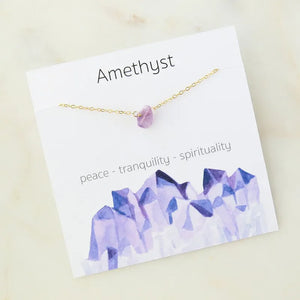

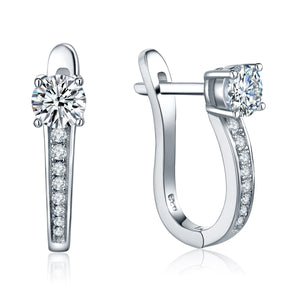
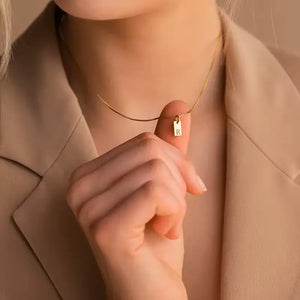
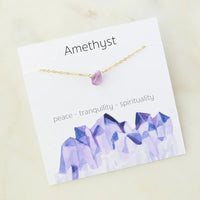
The piece they're describing → Stone Charm Necklace for Women — Raw Natural Gemstone Pendant
Personalize Yours


