


- Tiffany & Co. is a legitimate, 188-year-old fine jewelry house (founded 1837, now owned by LVMH) with genuinely high craftsmanship standards, not a markup-only brand name.
- The markup is real and significant, especially on sterling silver pieces like the Return to Tiffany heart tag, where you are paying mostly for the design, the blue box, and the brand rather than the raw silver.
- Resale value is the weakest argument for buying Tiffany: silver jewelry typically resells for 10 to 20 percent of retail, gold pieces for 20 to 35 percent, and diamond-led pieces (including engagement rings) for 30 to 60 percent, since diamond and gold content carry independent value.
- Tiffany is genuinely worth it for gifting, engagement rings, and buyers who value in-house craftsmanship and lifetime service. It is a weak choice if your goal is investment, resale, or maximum material value per dollar.
- Honest note: AJLuxe jewelry is 18K gold plating over 925 sterling silver, priced from about $24.99 to $79.99. We are not a Tiffany substitute in materials or resale value, but we replicate the minimalist heart-tag aesthetic for a fraction of the price, and we say so plainly below.
Tiffany & Co. is one of the most recognized jewelry names in the world, and that recognition comes at a price. If you have ever stood in front of a Tiffany counter and wondered whether that little blue box is worth the number on the price tag, you are asking a fair question. This review breaks down what you are actually paying for at Tiffany, how much of the price is markup versus material and craftsmanship, what Tiffany jewelry is really worth on resale, how its pricing compares to other brands on a per-gram basis, and who genuinely gets their money's worth versus who should look elsewhere, including a budget alternative for the minimalist look.
What Is Tiffany & Co., Exactly?
Tiffany & Co. was founded in New York City in 1837 by Charles Lewis Tiffany, making it one of the oldest continuously operating fine jewelry houses in the United States. The brand built its reputation on in-house design and manufacturing, the invention of the six-prong "Tiffany Setting" engagement ring mount in 1886, and instantly recognizable pieces like the Return to Tiffany heart tag, the Elsa Peretti Bean, and the T collection. LVMH, the luxury conglomerate behind Louis Vuitton and Dior, acquired Tiffany in 2021 for approximately $15.8 billion, one of the largest luxury acquisitions in history, and has since invested heavily in flagship stores and new collections.
Tiffany is not a markup-only brand riding on a famous name with nothing behind it. It maintains its own diamond grading standards stricter than the GIA minimum, controls sourcing on much of its precious metal and gemstone supply chain, and offers lifetime cleaning and inspection service on fine jewelry purchases. The legitimate craftsmanship is real. The question is whether it justifies the price across every product tier, and the honest answer is: it depends heavily on which tier you are buying.
How Much of Tiffany's Price Is Markup?
Luxury jewelry markup is not unique to Tiffany, but Tiffany sits at the higher end of it, particularly on sterling silver pieces. A silver Return to Tiffany heart tag pendant retails for roughly $250 to $400 depending on size and chain length, while the raw material cost of the silver itself is a few dollars. The overwhelming majority of that price covers design, brand, retail experience, packaging, and profit margin, not metal content.
The markup narrows as you move up in materials. Gold and diamond pieces still carry a brand premium, but a meaningfully larger share of the price reflects the actual cost of gold, diamonds, and skilled setting labor, which is why forum discussions on sites like PurseBlog and PriceScope tend to describe Tiffany's silver line as the weakest value tier and its diamond and gold fine jewelry as more defensible on cost-per-material grounds.

What Is Tiffany Jewelry Worth on Resale?
Resale is where Tiffany's brand premium works against the buyer most directly. Because so much of the retail price is markup rather than material value, resale buyers and consignment platforms price Tiffany pieces close to their underlying metal and stone worth, not their retail tag.
- Sterling silver pieces (heart tags, Elsa Peretti Bean, small pendants) typically resell for roughly 10 to 20 percent of original retail. Silver has minimal scrap value, so buyers are really only paying for the brand and design at resale, which most are not willing to do at anywhere near full price.
- 18K gold pieces without diamonds resell better, roughly 20 to 35 percent of retail, since gold itself has real, tradeable value independent of the brand.
- Diamond and gemstone fine jewelry, including non-engagement pieces, tend to resell around 30 to 45 percent of retail, with the diamond quality and carat weight driving most of the recovered value.
- Engagement rings hold up best of all Tiffany categories, often 40 to 60 percent of retail, because the diamond is graded and independently valuable, and the Tiffany Setting mount itself has secondary-market recognition.
None of this makes Tiffany a bad purchase, but it does mean Tiffany jewelry should not be treated as an investment. If resale value or price-per-material-dollar is your priority, Tiffany's silver and lower gold tiers are the weakest place to spend.
Tiffany Price Tier vs. Markup vs. Resale Value
Here is the pattern laid out by tier, alongside where AJLuxe's plated alternative fits for comparison:
| Tier | Typical Price | Markup Level | Typical Resale (% of retail) |
|---|---|---|---|
| Sterling silver (heart tag, Bean) | $150 to $500 | Very high | 10 to 20 percent |
| 18K gold, no diamonds | $600 to $3,000 | High | 20 to 35 percent |
| Diamond/gemstone fine jewelry | $2,000 to $15,000+ | Moderate to high | 30 to 45 percent |
| Engagement rings (Tiffany Setting) | $2,000 to $50,000+ | Moderate (diamond-driven cost) | 40 to 60 percent |
| AJLuxe 18K gold-plated silver (comparable look, not resale-relevant) | $24.99 to $79.99 | Low, direct-to-consumer | Not designed for resale |
The pattern holds across nearly every luxury jewelry house, not just Tiffany: the more the price reflects raw material (gold weight, diamond carat) rather than design and brand, the better it holds value on resale.
Tiffany's Price Per Gram vs. Other Brands
Priced by weight, Tiffany's silver line is expensive relative to the actual silver content. A small silver pendant weighing three to five grams selling for $250 to $350 works out to roughly $60 to $100 per gram, when raw sterling silver trades for well under $1 per gram. That gap is almost entirely brand, design, and retail markup, a pattern shared with other prestige-name silver jewelry, including Pandora's charm line.
Tiffany's 18K gold pieces show a smaller, though still present, brand premium over gold's spot value, because gold itself is expensive and the material cost makes up more of the final price. This is the core reason forum threads on PriceScope and PurseBlog comparing Tiffany's silver and gold lines to Cartier and Bulgari consistently note that gold and diamond pieces feel like better relative value than the silver line, even though everything at Tiffany carries some brand premium.

What Do Real Tiffany Reviews and Buyer Discussions Say?
Tiffany's Trustpilot rating skews mixed, driven largely by customer service, shipping, and repair-turnaround complaints rather than complaints about the jewelry itself. Discussions on Reddit, PurseBlog, and PriceScope point to a consistent pattern:
- Craftsmanship praise. Buyers and jewelry-forum regulars consistently describe Tiffany's setting work, especially on diamond engagement rings, as excellent and comparable to other top-tier houses like Cartier and Van Cleef & Arpels.
- Silver line value skepticism. The most common criticism, especially on PurseBlog and Reddit, targets the silver line specifically, buyers questioning whether a plain silver pendant is worth several hundred dollars when the metal itself is nearly valueless.
- Service and shipping complaints. A recurring theme in Trustpilot reviews involves slow repairs, shipping delays, and inconsistent customer service, not the jewelry's physical quality.
- Engagement ring satisfaction. Buyers of the Tiffany Setting and other diamond engagement rings report high satisfaction, citing the diamond grading standards and the emotional and resale reassurance of a recognized name on a major purchase.
The pattern mirrors the resale data: the more a piece leans on precious material and skilled setting work, the more buyers feel they got real value; the more a piece leans on brand and packaging, the more skepticism shows up in reviews.
Tiffany Pros and Cons
- Pro: Genuine 188-year craftsmanship heritage. In-house design, diamond grading stricter than GIA minimums, and skilled setting work are real, not marketing.
- Pro: Best-in-class gifting experience. The blue box, lifetime cleaning and inspection service, and instant name recognition make Tiffany a strong gift choice.
- Pro: Engagement rings hold real value. Diamond content and the recognized Tiffany Setting mount mean these pieces resell better than almost any other Tiffany category.
- Con: Silver line has the weakest value proposition. You are paying primarily for brand and design on pieces with minimal raw material cost.
- Con: Poor resale relative to retail across most categories. Only diamond-heavy pieces recover a majority of their purchase price on the secondary market.
- Con: Not the cheapest way to get the minimalist heart-tag look. If the aesthetic, not the brand name or material, is your priority, budget alternatives replicate the style for a fraction of the cost.
Where AJLuxe Fits: An Honest Disclosure
We want to be direct here, because it is exactly the kind of detail that gets glossed over. AJLuxe jewelry is 18K gold plating over 925 sterling silver, priced from about $24.99 to $79.99. Tiffany's silver pieces are solid 925 sterling silver all the way through, and Tiffany's gold pieces are solid 18K gold, not a plated layer. That is a real, material difference: Tiffany's metal is what it is throughout the piece, while our gold-tone pieces are a plated surface over silver that will wear thinner over time with regular contact and washing.
What AJLuxe does share with Tiffany's silver line is the base metal: 925 sterling silver. Where we diverge is that Tiffany sells that silver, solid and unplated, at prestige pricing, while we start from the same base metal and either leave it silver or plate it in gold, at a small fraction of the price. If you love the minimalist, heart-tag-adjacent aesthetic Tiffany is famous for and want that look without the brand premium, AJLuxe gives you that at a much lower cost, with the honest tradeoff that our plating will not outlast Tiffany's solid metal, and our jewelry carries none of Tiffany's resale value or brand cachet. If resale value, solid metal, or the actual Tiffany name matters to you, that is a reason to buy Tiffany, not us.
Who Should Buy Tiffany (and Who Should Look Elsewhere)
- Buy Tiffany diamond or engagement pieces if: you want in-house craftsmanship, a recognized mount, and a purchase that retains meaningful resale value because of its diamond content.
- Buy Tiffany gold pieces if: you value solid gold, brand prestige, and lifetime service, and are comfortable paying a premium above raw material cost.
- Think twice about Tiffany silver if: your priority is material value or resale, since the silver line carries the steepest markup relative to what it is actually made of.
- Consider a budget alternative like AJLuxe if: you want Tiffany's minimalist aesthetic for everyday wear or gifting without the brand premium, are not concerned with resale value, and are comfortable with a plated gold surface instead of solid metal.
For related honest reviews in this same format, see our breakdowns of is Pandora worth it, is Mejuri worth it, and is gold vermeil worth it. To understand the plated-jewelry tier AJLuxe sits in more broadly, our guide on is 18K gold-plated jewelry worth it covers the tradeoffs in detail.
Related reading: Tiffany and co dupes.
Related reading: Cartier vs tiffany.
Related reading: Is Omi Jewelry Legit? Honest Review + Real Complaints.
Frequently Asked Questions
Is Tiffany jewelry worth the high markup?
It depends on the tier. Diamond and gold pieces, especially engagement rings, put more of your money into real material and skilled craftsmanship, making the markup easier to justify. Sterling silver pieces carry the steepest markup relative to actual material cost, since the metal itself is nearly valueless.
What is the resale value of Tiffany jewelry?
It varies sharply by category. Silver pieces typically resell for 10 to 20 percent of retail, 18K gold pieces for 20 to 35 percent, diamond and gemstone fine jewelry for 30 to 45 percent, and engagement rings for 40 to 60 percent, since diamond content carries independent, tradeable value.
How does Tiffany's price per gram compare to other brands?
Tiffany's silver jewelry runs roughly $60 to $100 per gram at retail, far above raw sterling silver's market price of under $1 per gram, reflecting brand and design rather than material cost. Its gold pieces carry a smaller, though still present, premium above spot gold value, since material cost makes up a larger share of gold pricing.
Is Tiffany sterling silver jewelry worth it compared to their gold lines?
The gold lines are generally considered better relative value by jewelry-forum buyers, since more of the price reflects real material cost. Silver pieces are worth it mainly for the design, brand recognition, and gifting experience, not for material or resale value.
Does Tiffany jewelry hold its value?
Diamond-led pieces and engagement rings hold value reasonably well because of their diamond and gold content. Silver and lower gold-tier pieces do not hold value well and should be bought for the design and experience, not as an investment.
Who is Tiffany jewelry actually worth it for?
Buyers who value in-house craftsmanship, lifetime cleaning and inspection service, brand recognition for gifting, and diamond engagement rings with real resale-relevant value get the most for their money. Buyers focused on resale, investment, or pure material value per dollar are better served elsewhere, especially in the silver line.
How much of Tiffany's price is brand markup versus material and labor?
On silver pieces, the overwhelming majority of the price is brand, design, and retail markup, since raw silver costs only a few dollars. On gold and diamond fine jewelry, a larger share of the price reflects actual material and skilled labor cost, though a brand premium remains present at every tier.
Are Tiffany engagement rings worth the extra cost over other retailers?
For many buyers, yes. Tiffany's diamond grading standards exceed the GIA minimum, the six-prong Tiffany Setting is widely recognized, and engagement rings hold resale value better than any other Tiffany category because the diamond is independently valuable.
How does Tiffany's quality compare to Cartier or Bulgari?
Jewelry-forum comparisons on sites like PriceScope and PurseBlog generally rate Tiffany's craftsmanship as comparable to Cartier and Bulgari on fine jewelry and engagement rings. The brands differ more in design language and specific collections than in underlying quality.
Is it better to buy Tiffany at full retail or on the secondary market?
If you want a specific piece and do not need the box, warranty, or brand-new condition, the secondary market offers meaningfully lower prices, especially on silver and lower gold-tier pieces where retail markup is steepest. Engagement rings and rare or discontinued pieces can sometimes cost more on the secondary market due to demand.
Is there a cheaper alternative to Tiffany with a similar minimalist look?
Yes. Budget demi-fine brands, including AJLuxe, replicate Tiffany's minimalist heart-tag and pendant aesthetic using 18K gold plating over 925 sterling silver, typically under $80. The tradeoff is a plated gold surface rather than Tiffany's solid metal, no brand resale value, and a shorter lifespan on the gold layer with regular wear.
Is Tiffany jewelry real gold and real silver?
Yes. Tiffany's silver pieces are solid 925 sterling silver, and its gold pieces are solid 18K gold, not a plated layer. This is a genuine material difference from plated demi-fine jewelry, and it is part of what supports Tiffany's resale value on gold and diamond pieces.
Final Thoughts
Is Tiffany jewelry worth it? The honest answer splits by tier. Diamond and gold fine jewelry, and especially engagement rings, deliver real craftsmanship, in-house diamond standards, and resale value that at least partially reflects the purchase price, because so much of that price is genuine material and labor. Tiffany's sterling silver line is a weaker value proposition by nearly every measure: the markup relative to material cost is steepest there, and resale typically returns only 10 to 20 percent of retail. Tiffany is worth it if you are paying for 188 years of craftsmanship, a recognized name, lifetime service, and the gifting experience. It is not worth it if resale value or price-per-material-dollar is your priority, particularly in the silver line, where a budget alternative like AJLuxe's 18K gold-plated sterling silver jewelry delivers a similar minimalist look at a fraction of the price, with the honest tradeoff of plated rather than solid metal and none of the brand resale value. Match your priorities and budget to the tier, and Tiffany can absolutely be worth it. For more honest brand breakdowns, see our guides to is Pandora worth it and is Mejuri worth it.
Shop AJLuxe's minimalist 18K gold-plated heart pendant, Tiffany's iconic look for less
Shop the Heart Pendant NecklaceShop This Guide
Browse our full jewelry collection for affordable, minimalist 18K gold-plated sterling silver rings, necklaces, and earrings, a lower-cost alternative to Tiffany's silver and gold tiers for everyday wear and gifting.
More "Worth It?" Reviews
AJLuxe Team. Last updated: July 2026. AJLuxe uses 18K gold plating over 925 sterling silver and does not sell solid gold or Tiffany-branded jewelry. Sources: Jewelers of America, and buyer discussions on PurseBlog and PriceScope jewelry communities.
All third-party trademarks, brand names and product names are the property of their respective owners. AJLuxe is not affiliated with, endorsed by, sponsored by, or otherwise connected to any third-party brand referenced in this article. Brand names are used solely for accurate comparative reference, and material descriptions reflect each brand's own published product specifications at the time of writing.
You Might Also Like
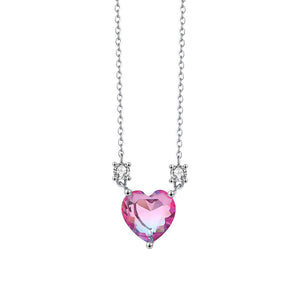

The piece they're describing → Heart Pendant Necklace for Women — 18K Gold Plated, Classic Heart Charm, Hypoallergenic
Personalize Yours


