


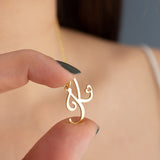
Shop it: AJLuxe Heart Initial Necklace — from $34.39.
A dainty necklace is a fine-chain, low-profile piece — usually 1mm or thinner — designed to sit close to the collarbone and layer effortlessly with other jewelry. The best dainty necklaces are made from 925 sterling silver or sterling silver plated in 18K gold, sized between 16–18 inches, and shaped to wear daily without snagging on clothes or hair.
If you want a piece that elevates a t-shirt, slips under a collared shirt, and survives daily wear, choose a 1.0–1.2mm sterling silver chain with a soldered clasp. Shop the full dainty necklaces collection or the broader personalized jewelry collection for engravable options.
Dainty necklaces have quietly become the most-worn category of fine jewelry — the piece you put on once and forget about, but never take off. They sit higher than a statement piece, layer cleanly with a pendant or a longer chain, and pair with everything from a workwear blouse to a hoodie. If you're shopping your first dainty piece, or trying to figure out why your current one keeps tangling, this guide walks through everything that matters: what counts as "dainty," which metal lasts, how to choose a length, and how to layer without looking like you're trying.
What Is a Dainty Necklace?
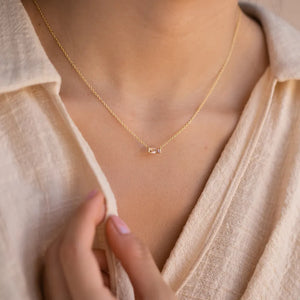
A dainty necklace is defined less by a single style and more by a set of proportions. The chain is fine — usually 0.8mm to 1.2mm wide — and any pendant attached to it is small and low-profile. The whole piece is meant to sit lightly against the skin, almost disappearing into the neckline. That visual restraint is the point: a dainty necklace adds polish without competing with the rest of an outfit.
Compare that to a "statement" necklace, which is built around a single dramatic focal point, or a "chunky" chain, which lives in the 3mm-and-up range. Dainty is the opposite of both. Most dainty necklaces fall into one of four chain styles — cable, box, Singapore, or paperclip — and any pendant is typically under 12mm tall. The result is a piece that reads as expensive precisely because it doesn't ask for attention.
Within personalized jewelry, dainty has become the default. A small initial, a single birthstone, a tiny heart — all of these work best on a fine chain. Bulky chains drown out small charms; dainty chains let them do the talking. That's why our letter necklaces and heart pendants are almost always built on a 1mm chain.
Dainty Necklace Style Comparison: Quick Reference
| Style | Chain width | Best length | Best for |
|---|---|---|---|
| Dainty pendant | 1.0mm cable or box | 16–18 in | Everyday, gifting |
| Initial / letter | 0.8–1.0mm cable | 16–17 in | Personalization, layering top |
| Plain chain | 1.0–1.2mm Singapore or paperclip | 16–20 in | Solo wear, minimalist looks |
| Choker-style dainty | 0.8–1.0mm | 14–15 in | Anchor of a layered stack |
| Long dainty | 1.0mm | 22–24 in | Bottom of a 3-piece layer |
| Birthstone dainty | 1.0mm | 16–18 in | Gifting, mom necklaces |

The Right Metal Matters More Than the Style
Because dainty chains are thin, the metal does most of the work. A 1mm chain in a cheap base metal will discolor within weeks. The same chain in 925 sterling silver will outlast the rest of your wardrobe. Three metals are worth considering:
925 Sterling Silver
Sterling silver is 92.5% pure silver alloyed with 7.5% copper or zinc for strength. It's hypoallergenic for most wearers, holds up to daily wear, and develops a soft patina rather than chipping. For a dainty chain you plan to wear under sweaters, in the shower, or while you sleep, sterling silver is the safest pick. Pure silver (.999) is too soft and will warp at this gauge — always look for the 925 stamp. More on what 925 actually means →
18K Gold-Plated Over Sterling Silver
The phrase "gold plated" gets a bad reputation because cheap costume jewelry uses thin plating over brass — that's what flakes. Real 18K gold plating over a 925 sterling silver base is different: the base is solid precious metal, so even as the gold layer wears slightly over years, you're not exposed to nickel or copper. Look for plating thickness of at least 2.5 microns for a piece that holds its color for 2+ years of regular wear.
Gold-Filled and Gold Vermeil
Gold-filled means a thick layer of gold mechanically bonded to a base metal (usually brass). Vermeil (pronounced ver-MAY) is sterling silver plated with at least 2.5 microns of 10K+ gold — vermeil is essentially a stricter, regulated version of "gold plated over silver." Both last well. If you're sensitive to nickel, vermeil over sterling silver is the safest gold-look option. Full breakdown of vermeil →
What to skip: anything labeled simply "gold tone," "fashion gold," or "alloy." That's plated base metal and a thin dainty chain in those materials will discolor inside a month.
How to Choose the Right Length
Necklace length is measured end-to-end including the clasp, not skin-to-skin. The standard sizing chart:
- 14 inches (choker): Sits at the base of the throat. Best for layering — too tight for most wearers as a standalone.
- 16 inches: Falls just below the collarbone for most. The most popular dainty length and the default for an initial necklace or single small pendant.
- 17–18 inches: Lands at or just above the bra line. The most versatile single length — works under crewnecks, with V-necks, and as the middle piece in a stack.
- 20 inches: Drops to the top of the bust. Pairs well with a 16-inch piece on top.
- 22–24 inches: The bottom layer of a three-piece stack, or a solo length over a button-down with the top two buttons open.
If you're between sizes, size up. A 16-inch chain on a wearer with a 14-inch neck circumference will sit higher than expected; 18 inches is more forgiving and still reads as dainty.

The Right Way to Layer Dainty Necklaces
Layering is where dainty necklaces earn their keep — but most layered looks fail for the same reason: not enough space between the chains. The rule is simple:
- Use at least 2 inches between each layer. If your top piece is 16 inches, your next should be 18, then 20, then 22. Closer spacing causes the chains to twist together.
- Vary the focal point. One initial pendant, one plain chain, one birthstone or small charm. Three identical chains read flat; three different "moments" read intentional.
- Stay in one metal family. Mixing gold and silver works, but only deliberately — choose two-tone pieces or pair a clearly silver chain with a clearly gold pendant. Half-gold, half-silver pieces blur the mix-metal line and start to look accidental.
- Use a layering clasp for three pieces. A multi-strand spacer (small bar with three jump rings) keeps three chains from twisting. They're cheap, hidden under your hair, and turn three pieces into one stable layered piece.
For a more complete walkthrough with photos, our layered gold necklace guide covers length math, pendant placement, and mixed-metal pairings in depth. The same rules apply to all-silver and mixed stacks.
What to Look for When Buying a Dainty Necklace
Most quality issues with dainty necklaces come down to four things — checking these before you buy avoids 90% of returns.
1. Clasp Quality
A spring-ring clasp is fine; a lobster clasp is better. The one to avoid on a dainty chain is the cheap pinch-barrel clasp — they bend open under any pull and your pendant slides off. Look for soldered jump rings on either side of the clasp, not split rings, which can catch on hair.
2. Stamped Metal Marks
Every legitimate piece of fine jewelry has a metal stamp somewhere — usually on the clasp or near the clasp on an extender tag. For sterling silver, look for 925, S925, or STER. For gold-plated sterling, you should see 925 on the base plus a separate stamp for the gold (often invisible without magnification, but the brand should disclose plating thickness). No stamp = not sterling silver, regardless of what the listing says.
3. Extender Chain
A 1- to 2-inch extender lets you wear the same necklace at multiple lengths — 16/17, or 17/18. For dainty pieces this is more useful than it sounds, especially if you layer, since it lets the same chain sit at different points in the stack on different days.
4. Soldered vs. Open Jump Rings
Pendants attached with an open jump ring (a small ring with a gap) can slide off if the gap opens — common with cheaper manufacturing. Soldered closed jump rings (a small ring with no gap, melted shut) keep the pendant secure even under pulling. For a piece you'll layer, soldered is non-negotiable.
Caring for a Dainty Necklace So It Lasts
The thinner the chain, the more careful the care. A few habits make a dainty piece outlast a chunky one:
- Last on, first off. Put your necklace on after perfume, lotion, and hairspray, and take it off before showering. Chlorine, sulfur in skin products, and salt water are the main causes of dainty chain discoloration.
- Store flat, not tangled. A dainty chain in a jewelry box drawer with other pieces will knot itself overnight. Use a flat pouch, a soft-lined tray with individual slots, or clip the clasp through a drinking straw to keep it taut.
- Polish, don't scrub. A silver polishing cloth (microfiber with a tarnish-removing inner layer) restores shine in 30 seconds. Avoid liquid silver dip on plated pieces — it strips the gold layer.
- Re-tighten the clasp jump ring annually. Most "lost" dainty necklaces aren't lost — the jump ring near the clasp has slowly opened. A jeweler can re-solder it in 60 seconds for under $10.
If your sterling silver chain does darken, the fix is simple. The American Academy of Dermatology recommends mild soap and warm water for most contact-skin jewelry care, and our step-by-step sterling silver cleaning guide covers polish, baking soda paste, and what to never do.
Who Should Wear a Dainty Necklace?
Almost everyone — but a few wearer types get the most from this category:
- Anyone with sensitive skin. Dainty pieces in 925 sterling silver or vermeil sit lightly against the skin and avoid the nickel and brass that cause most jewelry rashes. Hypoallergenic collection →
- People who wear their jewelry every day. Lightweight pieces don't catch on clothing, don't snag in hair, and don't add weight under collars. A dainty necklace is the easiest "set and forget" piece in your jewelry drawer.
- Gifters. A dainty pendant — especially a personalized one — is a near-universal "yes" gift. It works for moms, partners, daughters, friends. Gifts for mom → | Personalized →
- Layerers. If you already wear one necklace and want a second, dainty is the easiest add — it slides between pieces without changing the dominant look.
Dainty Necklace FAQ
What is considered a dainty necklace?
A dainty necklace is a fine-chain piece, typically 0.8mm to 1.2mm wide, with a small or no pendant. The defining feature is low visual weight — the chain and any pendant are designed to layer easily and sit close to the skin without dominating the neckline.
Are dainty necklaces still in style in 2026?
Yes — dainty necklaces have been a dominant jewelry category for over a decade and remain a top seller across every major fine-jewelry retailer. The category continues to grow because it pairs with any clothing style and works for layering, which is itself a long-running trend.
What length is best for a dainty necklace?
16 to 18 inches is the most flattering for most wearers. 16 inches sits just below the collarbone (best for a single pendant); 18 inches falls at the upper chest (best for everyday wear and the middle of a layered stack). If you're unsure, 18 inches is the safer pick — it's more forgiving across neck sizes and necklines.
Is sterling silver or gold-plated better for a dainty necklace?
Both are excellent if you start with a sterling silver base. Pure sterling silver is the most durable and the easiest to maintain. 18K gold-plated sterling silver gives you the warm gold look at a fraction of the price of solid gold, and the sterling base means no nickel exposure. Avoid "gold-plated" with no metal base disclosed — that's almost always plated brass.
Will a dainty necklace break easily?
A well-made dainty necklace from sterling silver or gold-plated sterling will not break under normal wear, including sleeping in it. Breakage usually comes from snags (catching on a sweater) or from a thin or unsoldered clasp jump ring. Soldered jump rings and a quality lobster clasp essentially eliminate the breakage risk.
Can I wear a dainty necklace in the shower?
You can occasionally without damage, but daily showering will slowly dull the finish. Plated pieces (gold over silver) will lose plating faster with hot water and soap exposure. The longest-lasting practice: take off before showering, swimming, or using hot tubs.
How many dainty necklaces should I layer?
Two or three is the sweet spot. Two creates a clean, intentional look; three is the maximum before chains start to twist around each other. Use at least 2 inches of length difference between each chain — for example, 16, 18, and 20 inches. Beyond three, the dainty effect is lost.
Why do dainty necklaces tangle?
Mostly because of storage and length spacing. Two chains stored loose in the same drawer will knot overnight; two layered chains less than 2 inches apart in length will twist during wear. Hang dainty necklaces individually on hooks, or store them flat in separate pouches, and you'll almost never tangle.
Are dainty necklaces a good gift?
One of the safest gift categories in fine jewelry. They suit nearly every personal style, every age, and every neckline. A dainty pendant with a small personal element — initial, birthstone, heart — adds meaning without the risk of being "too much." Most jewelers (Jewelers of America's consumer guide echoes this) recommend a fine chain with a small charm as the default first-gift piece.
What's the difference between dainty and minimalist?
The terms overlap heavily. "Dainty" describes the physical proportion (fine, small, light-weight). "Minimalist" describes the aesthetic intent (uncluttered, restrained, often geometric). Most dainty necklaces are minimalist; most minimalist necklaces are dainty. A 1mm chain with a tiny heart is both.
Final Recommendation
If this is your first dainty necklace, start with a 16- or 18-inch 925 sterling silver chain with a small pendant — initial, heart, or birthstone. That single piece will become the one you reach for daily, and it'll layer cleanly with whatever you add later. If you want the warm gold look, pick an 18K gold-plated sterling silver piece in the same length. Both versions live in the dainty necklaces collection, and personalization (initial, birthstone, name) is available across most styles in the personalized jewelry collection.
One dainty necklace, worn well, beats five chunky pieces that sit in a box. The whole category is built on that quiet math — and it's why dainty has stayed the most-worn shape in fine jewelry year after year.
Written by the AJLuxe team. Last updated: May 2026.
Wondering how dainty necklaces fit into the broader world of necklace styles? Our complete necklace type guide covers every chain style, pendant type, and length from collar to rope.
Pair these dainty styles with the right stack — see how to layer necklaces.
Related reading: How to Style Dainty Necklaces: The Complete Layering Guide.
Shopping for the holidays? See our stocking stuffer jewelry guide for small dainty pieces under forty dollars.
Related reading: Best dainty necklaces.
Related reading: Dainty gold necklace style guide.
All third-party trademarks, brand names and product names are the property of their respective owners. AJLuxe is not affiliated with, endorsed by, sponsored by, or otherwise connected to any third-party brand referenced in this article. Brand names are used solely for accurate comparative reference, and material descriptions reflect each brand's own published product specifications at the time of writing.
You Might Also Like
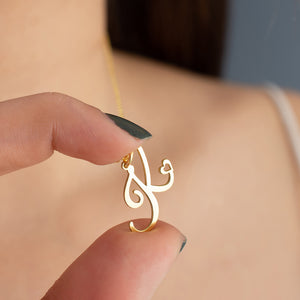
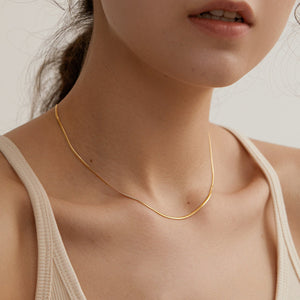
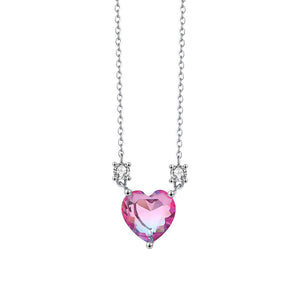
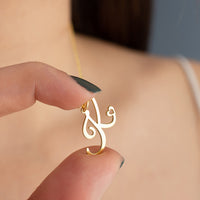
The piece they're describing → Heart Initial Necklace for Women — 18K Gold Plated, Personalized Letter + Heart Pendant
Personalize Yours

