


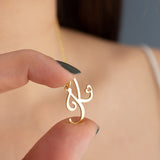
- Most versatile: Cable chain — suits every neck, holds any pendant, works solo at 1–1.5mm
- Most durable: Box chain — rigid square links rarely kink or break
- Most luxe-looking: Herringbone or snake chain — flat, mirror-smooth, zero light loss
- Best for layering: Mix cable (16"), box (18"), and rope (20") for depth without tangling
- Gold-plated vs solid: 18K gold plated over 925 sterling silver costs 90% less, looks identical for 2–4 years with care
You search for a gold chain and the options are overwhelming: cable, curb, rope, herringbone, figaro, Byzantine, Franco. Each one looks similar in a thumbnail. Each one behaves completely differently on your neck.
This guide covers the 12 most common types of gold chains — what they look like, how wide to go, how durable each is, and exactly which one fits your lifestyle. By the end you'll know which chain to buy and why.
The 12 Types of Gold Chains — Complete Reference
1. Cable Chain
The most common chain in jewelry. Uniform oval or round links connected at right angles. Simple, clean, works at any width from 0.8mm (barely there) to 3mm (statement solo wear).
- Width range: 0.8–3mm
- Durability: ⭐⭐⭐⭐ — flexible, rarely kinks
- Best for: Pendant chains, everyday layering, beginners
- Pendant compatible: Yes — the go-to base for initials, birthstones, and charms
2. Box Chain
Square links join at 90° angles, creating a smooth, geometric chain with a subtle sheen. More rigid than cable — it holds its shape and lays flat without twisting.
- Width range: 0.8–2mm
- Durability: ⭐⭐⭐⭐⭐ — the most tangle-resistant chain type
- Best for: Everyday wear, heavier pendants, sensitive necks that snag other chains
- Pendant compatible: Yes — the best choice for heavier pendants because it holds tension well
3. Rope Chain
Two or more twisted strands of links spiral around each other like a rope. Catches light from every angle. More substantial than a cable chain at the same width because the twist adds visual mass.
- Width range: 1.5–5mm
- Durability: ⭐⭐⭐ — can kink if caught or bent sharply; store unclasped
- Best for: Statement solo wear, layering as a bold base layer at 20–24"
- Pendant compatible: Yes, but the twisted texture competes with delicate pendants — keep pendants simple
4. Figaro Chain
Italian-origin pattern: two or three short round links followed by one elongated oval link, repeating. The rhythm creates a distinctive pattern that reads as intentional and elegant.
- Width range: 2–6mm
- Durability: ⭐⭐⭐⭐ — solid construction, minimal kinking
- Best for: Solo wear, men's chains, adding pattern without going full statement
- Pendant compatible: Yes — the elongated link sits as a natural focal point for a single pendant
5. Curb Chain
Interlocking uniform links that twist slightly and lie flat. The most popular men's chain in gold jewelry. At 4mm+ it reads as bold streetwear; at 2mm it works as a refined everyday piece for women.
- Width range: 2–10mm+
- Durability: ⭐⭐⭐⭐ — the flat interlocking links distribute tension evenly
- Best for: Men's everyday wear, bold statement solo chains, unisex styling
- Pendant compatible: Yes at narrower widths; at 5mm+ the chain itself is the statement
6. Herringbone Chain
Flat, V-shaped links lie perfectly flush against skin in a smooth ribbon. The most mirror-like chain style — it reflects light like liquid gold. Zero movement, zero bounce, completely flat.
- Width range: 2–8mm
- Durability: ⭐⭐ — kinks permanently if bent. Handle with care, never sleep or shower in it
- Best for: Special occasions, solo wear with low-cut necklines, high-fashion styling
- Pendant compatible: No — the flat surface doesn't accommodate a pendant bail cleanly
7. Snake Chain
Smooth, rounded plates link together to form a flexible cylinder with no visible seams. Silky to the touch, highly reflective. Moves like a snake — fluid, minimal.
- Width range: 1–4mm
- Durability: ⭐⭐⭐ — more fragile than link chains under sharp bending
- Best for: Minimalist solo wear, formal occasions, dainty layering at narrow widths
- Pendant compatible: Yes at 1–2mm; works well with small pendants
8. Byzantine Chain
A complex interlocking pattern of oval links that creates a chain with texture, dimension, and noticeable weight. Has a medieval, architectural look. Made in Italy traditionally — requires skilled handwork to assemble. For the full weave breakdown, real prices, and how it compares to cuban link, see our Byzantine chain necklace guide.
- Width range: 4–8mm
- Durability: ⭐⭐⭐⭐⭐ — extremely strong due to the multi-link interlocking structure
- Best for: Statement solo wear, gift-giving, wrists (as a bracelet chain too)
- Pendant compatible: No — the intricate pattern is the jewelry itself
9. Mariner (Anchor) Chain
Oval links with a vertical bar across the center of each link — modeled after nautical anchor chain. Clean, bold, distinctly structured. More pattern than curb, less complex than Byzantine.
- Width range: 3–8mm
- Durability: ⭐⭐⭐⭐⭐ — the crossbar prevents kinking and distributes stress
- Best for: Men's statement chains, coastal/nautical styling, layering as a bold anchor piece
- Pendant compatible: Yes at narrower widths (3–4mm)
10. Singapore Chain
A twisted, diamond-cut variant of the cable chain. Each link is cut at angles to maximize light reflection. Creates a sparkling, slightly dimensional chain that costs less than a full diamond tennis chain but catches similar light.
- Width range: 1–2.5mm
- Durability: ⭐⭐⭐⭐ — similar to cable but slightly more delicate due to diamond cutting
- Best for: Budget-conscious buyers who want sparkle, layering with dainty chains
- Pendant compatible: Yes — excellent sparkly base for a simple pendant
11. Franco Chain
A squared version of the rope chain — four rows of V-shaped links twisted and interlocked. Dense, heavy, and highly durable. A staple of hip-hop jewelry at 4mm+; refined and elegant at 2mm.
- Width range: 2–6mm
- Durability: ⭐⭐⭐⭐⭐ — the densest, most break-resistant chain style
- Best for: Active wearers, men's chains, layering as a bold base
- Pendant compatible: Yes — the rigid structure holds heavy pendants better than most
12. Tennis Chain
Technically not a chain style but a chain category: a continuous line of prong-set stones (usually cubic zirconia or diamonds) in a gold setting. The most glamorous option — every millimeter catches light.
- Width range: 2–4mm
- Durability: ⭐⭐⭐ — stones can catch on fabric; clasp is the weak point
- Best for: Special occasions, formal styling, layering as the statement piece
- Pendant compatible: No — the chain itself is the focal point
Gold Chain Comparison Table
| Chain Type | Width Range | Durability | Pendant Use | Best For |
|---|---|---|---|---|
| Cable | 0.8–3mm | ⭐⭐⭐⭐ | ✅ Best | Everyday, pendants, layering |
| Box | 0.8–2mm | ⭐⭐⭐⭐⭐ | ✅ Yes | Daily wear, heavy pendants |
| Rope | 1.5–5mm | ⭐⭐⭐ | ⚠️ Keep simple | Statement, layering base |
| Figaro | 2–6mm | ⭐⭐⭐⭐ | ✅ Yes | Solo wear, men's styles |
| Curb | 2–10mm+ | ⭐⭐⭐⭐ | ✅ Narrow widths | Men's, unisex, bold styles |
| Herringbone | 2–8mm | ⭐⭐ | ❌ No | Occasions, solo statement |
| Snake | 1–4mm | ⭐⭐⭐ | ✅ Small pendants | Minimalist, formal |
| Byzantine | 4–8mm | ⭐⭐⭐⭐⭐ | ❌ No | Gifts, statement solo |
| Mariner | 3–8mm | ⭐⭐⭐⭐⭐ | ⚠️ Narrow only | Men's, nautical, bold |
| Singapore | 1–2.5mm | ⭐⭐⭐⭐ | ✅ Yes | Sparkle on a budget |
| Franco | 2–6mm | ⭐⭐⭐⭐⭐ | ✅ Heavy pendants | Active wear, men's, bold |
| Tennis | 2–4mm | ⭐⭐⭐ | ❌ No | Formal, statement layers |
Gold-Plated vs. Solid Gold Chains
Most chains you see at accessible price points are gold-plated — a base metal (usually 925 sterling silver or brass) with a thin layer of gold deposited on the surface. The look is identical to solid gold. The difference is longevity and cost.
| Feature | Gold-Plated (18K over 925 Silver) | Solid 14K Gold |
|---|---|---|
| Price | $30–$120 | $400–$2,000+ |
| Lifespan | 2–4 years with daily wear | Lifetime |
| Hypoallergenic | ✅ Yes (if over 925 silver) | ✅ Yes |
| Appearance | Identical | Identical |
| Replating | Yes, $20–$40 | Not needed |
The practical verdict: if you rotate jewelry and don't wear the same chain 365 days a year, 18K gold plated over 925 sterling silver gives you identical looks at a fraction of solid gold's cost. The base matters — sterling silver is hypoallergenic and won't turn your neck green; brass bases can.
How to Choose a Gold Chain by Width
Width is the single most important decision. Too thin and it disappears on your neck. Too thick and it overwhelms your frame. Our necklace chain thickness guide shows what each width from 0.5 to 6 mm looks like and which pendants suit it.
| Width | Best For | Typical Use |
|---|---|---|
| 0.8–1mm | Delicate necks, layering | Dainty pendant chain, barely-there layer |
| 1–1.5mm | Everyday solo or layering | The most versatile width — works with or without pendant |
| 2–3mm | Presence without bulk | Statement solo, anchor layer in a stack |
| 4–6mm | Bold statement, men's styles | Worn alone, no pendant needed |
| 7mm+ | Maximum statement | Fashion/hip-hop styling, high-impact looks |
How to Layer Gold Chains
Layering works when chains have different lengths and different visual weights. The rule: smallest chain shortest, most substantial chain longest.
- 3-layer formula: 14" or 16" cable with pendant + 18" box chain solo + 20" rope or curb
- Keep metals consistent: Mix yellow gold only, or rose gold only — avoid combining yellow and rose in the same stack
- Minimum 2" between layers: Chains at the same length tangle. 16/18/20 is the most foolproof spacing
- Lead with the pendant: Put your most meaningful chain (with an initial or birthstone) at the shortest length so it's the first thing people see
How to Care for Your Gold Chain
Chain style determines care requirements. Flat chains (herringbone, snake) need the most attention; link chains (cable, box, curb) are the most forgiving.
- Remove before swimming, showering, or exercising — chlorine and sweat accelerate plating wear
- Store unclasped in a soft pouch or jewelry box to prevent tangling and abrasion
- Clean with a soft cloth after wearing — skin oils dull the surface over time
- For herringbone chains: store flat, never coiled — a single sharp bend creates a permanent kink
- 18K gold plated chains can be replated by a jeweler for $20–40 when the gold layer fades
For a full guide, see how to clean gold plated jewelry.
Related reading: Types of earrings.
Related reading: Fathers day jewelry gifts for him.
Related reading: Types of necklace chains.
Related reading: Snake Chain Necklace Guide (2026): What It Is, What It Means, and How to Choose One.
Related reading: How to Temporarily Shorten a Necklace (Without Cutting the Chain).
If you want to see the look in a real piece, AJLuxe's Heart Choker Necklace for Women — 18K Gold Plated Heart-Link Chain is a genuine example in 925 sterling silver with 18K gold plating.
Curious which chain styles are actually popular right now, not just what each one is called? See our gold chain styles trending now guide for this season's layering picks and how to stack them.
Matching a chain to a pendant? See how to choose a chain for a pendant.
Frequently Asked Questions
What are the different types of gold chains?
The 12 most common types of gold chains are: cable, box, rope, figaro, curb, herringbone, snake, Byzantine, mariner, Singapore, Franco, and tennis. Cable and box chains are the most versatile for everyday wear and pendants. Herringbone and snake chains are the most glamorous. Byzantine and Franco are the most durable. Curb and figaro are the most popular for men's styles.
What's the best gold chain for everyday wear?
The box chain is the best gold chain for everyday wear. Its rigid square links rarely tangle or kink, it holds heavier pendants without stretching, and it lays flat against the neck. A 1–1.5mm box chain at 18 inches is the single most practical everyday chain in jewelry. Cable chain is a close second — slightly more flexible, equally durable, and the most pendant-friendly option.
How much should a real gold chain cost?
A solid 14K gold chain costs $300–$2,000+ depending on weight and length. An 18K gold plated chain over 925 sterling silver costs $30–$120 and looks identical for 2–4 years. Gold-filled chains ($80–$300) fall between — thicker gold layer than plating, not solid gold. For most buyers, 18K gold plated over sterling silver offers the best value: the look is indistinguishable, it's hypoallergenic, and it's affordable enough to rotate styles seasonally.
What gold chain is the most durable?
The Franco chain is the most durable gold chain style. Its four interlocked rows of V-shaped links create a nearly unbreakable structure — even under tension from heavy pendants or active daily wear. The Byzantine and mariner chains are close seconds, both rated 5/5 for durability. The least durable styles are herringbone and snake chains, which permanently kink under sharp bending.
Which gold chain is best for a pendant?
Cable and box chains are the best for pendants. Both have consistent link openings that fit standard pendant bails, both lay flat without spinning the pendant, and both are durable enough to handle the weight of most pendants. For heavy pendants (lockets, chunky initials), the box chain's rigidity handles tension better. For delicate pendants (small initials, birthstones), a 1mm cable chain is the cleanest look.
What length gold chain should I buy?
Chain length depends on where you want it to sit on your body: 14" sits above the collarbone (very short choker), 16" sits at the collarbone, 18" sits just below it (the most versatile and popular length), 20" hits mid-chest, and 22–24" hits the sternum or below. For pendant chains, 16–18" keeps the pendant in the most visible zone. For layering, use 16/18/20" together for distinct depth.
What is the difference between a curb chain and a figaro chain?
A curb chain has uniform interlocking links all the same size that twist flat. A figaro chain has an alternating pattern — typically two or three small round links followed by one longer oval link, repeating throughout. Figaro has more visual rhythm and reads as more intentional and "designed." Curb chain is more uniform and classic. Both are popular for men's gold chains; figaro tends to read as slightly more refined.
How do I know if my gold chain is real gold or gold plated?
Check the clasp or inside of a link for hallmarks. "14K" or "585" means 14-karat solid gold. "18K" or "750" means 18-karat solid gold. "GP," "GEP," "HGE," or "RGP" means gold plated. "GF" means gold filled. "925" alone means sterling silver, which may or may not be gold plated. If there's no marking, use a jeweler's acid test or bring it to a jeweler for verification.
Related reading: a full breakdown of curb chain construction and how it compares to other chains.
Related reading: a deeper dive on the figaro link specifically -- construction, care, and honest pricing.
Related reading: what a mariner chain necklace is and how it compares to the styles above.
Related reading: a deeper dive on the wheat-link construction specifically -- how it compares to franco, rope, and cable chains.
Related reading: a full breakdown of Singapore chain construction and how it compares to rope chain.
Related reading: a deeper dive on Franco's V-shaped, kink-proof link construction.
Related reading: the dense, feathered foxtail weave, explained in full.
Which Gold Chain Should You Buy?
The decision comes down to three questions: Is it for a pendant or solo? Do you want it to last through daily wear? What's your budget?
For most people, a 1–1.5mm cable or box chain at 18 inches in 18K gold plated 925 sterling silver is the answer to all three. It holds any pendant, survives daily wear, costs under $80, and is hypoallergenic. Start there. Add a rope or curb chain at 20" if you want to layer.
If you're after a solo statement chain with no pendant, a 3–4mm figaro or curb chain at 20" gives you presence without going too bold. The herringbone and snake chains are reserved for occasions — too beautiful to risk on everyday wear.
All third-party trademarks, brand names and product names are the property of their respective owners. AJLuxe is not affiliated with, endorsed by, sponsored by, or otherwise connected to any third-party brand referenced in this article. Brand names are used solely for accurate comparative reference, and material descriptions reflect each brand's own published product specifications at the time of writing.
You Might Also Like
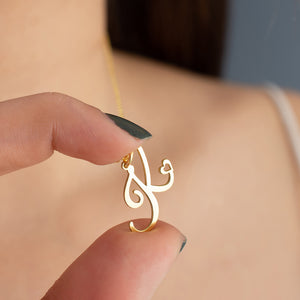
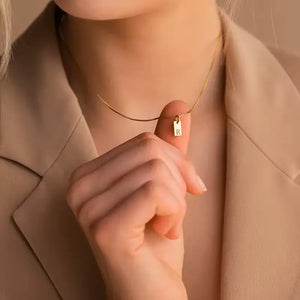
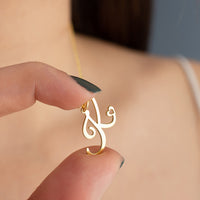
The piece they're describing → Heart Initial Necklace for Women — 18K Gold Plated, Personalized Letter + Heart Pendant
Personalize Yours


