


Kyanite is one of the most visually distinctive minerals in any crystal collection — those elongated, bladed crystals with their vivid blue streaked with white and grey are instantly recognizable. But kyanite is also one of the most structurally unusual stones you'll encounter, and that unusual structure is exactly what determines how it should — and shouldn't — interact with water.
This guide explains the science behind kyanite's relationship with water, what level of contact is safe, and the best methods for cleansing and caring for your kyanite pieces.
Can Kyanite Go in Water? Avoid Prolonged Contact — Here's Why
The short answer is: avoid prolonged water contact. Brief incidental exposure — like washing hands while wearing kyanite jewelry — is unlikely to cause immediate damage to polished pieces. But soaking, water cleansing rituals, and kyanite crystal elixirs are not recommended, and the reason is more interesting than the standard "Mohs score too low" explanation you'll see on most crystal sites.
Kyanite's formula is Al₂SiO₅ — an aluminum silicate. Unlike many soft minerals, the issue with kyanite isn't simply that it's too soft across the board. The issue is something far more unusual: kyanite has directional hardness. Its Mohs hardness is approximately 4.5 when measured along the length of the crystal, and approximately 7 when measured across the width. This makes kyanite one of the only common minerals where hardness changes dramatically depending on which direction you're measuring.
For water safety, the 4.5 direction matters most — and it runs along the length of the blade-like crystal, which is exactly where water tends to travel.

The Science: Why Directional Hardness Changes Everything
Most crystal water safety guides reduce everything to a single Mohs number. With kyanite, that's not enough. Here's what actually happens:
- Directional hardness is unique: Kyanite is anisotropic — its physical properties vary with direction. Along the crystal's long axis, it rates Mohs 4.5. Perpendicular to that axis, Mohs 7. This property is so distinctive that kyanite is sometimes cited in mineralogy texts as the canonical example of directional hardness variation.
- The softer direction = structural planes of weakness: The bladed, elongated form of kyanite crystals means those softer planes run lengthwise through the stone. These are exactly the planes water can penetrate.
- Water finds cleavage planes: Kyanite has good to perfect cleavage in one direction (parallel to the length of the blade). Water — especially water with dissolved minerals or slightly acidic chemistry — can work along these cleavage planes over time, causing micro-fracturing that isn't immediately visible but weakens the stone structurally.
- Temperature stress amplifies the risk: Water retained inside micro-fractures expands when cooled and contracts when warmed. Repeated wet-dry cycles with temperature variation accelerate the fracturing process.
- Pyrite co-occurrence: Some kyanite specimens form in association with pyrite or other iron-bearing minerals. These inclusions can rust when water contacts them, producing orange-brown staining that can spread through the stone's existing fracture planes.
- Polished vs. raw: Polished kyanite has a sealed surface that slows water penetration significantly. Raw or faceted kyanite specimens with exposed crystal faces are more vulnerable, particularly at the ends of blades where cleavage planes are most exposed.
The bottom line: this isn't a case where the Mohs number alone tells the story. A Mohs 7 quartz can sit in water indefinitely. A kyanite specimen with directional Mohs 4.5 along its primary cleavage planes is structurally more vulnerable than that single number suggests.
What About a Quick Rinse to Clean Kyanite?
For polished kyanite pendants and jewelry, a brief incidental rinse — washing hands while wearing a kyanite pendant, for example — is unlikely to cause visible immediate damage. The polish layer provides meaningful protection against rapid water penetration.
However, intentional water cleaning is still not the recommended approach:
- A dry soft cloth removes surface dust and fingerprints effectively from polished kyanite without any water risk
- If you do rinse briefly, use cool (not warm) water, keep it to a few seconds, and dry immediately and completely
- Never soak kyanite, even briefly — the cleavage plane vulnerability makes prolonged immersion the primary concern
- Avoid ultrasonic cleaners — the vibration can exploit existing micro-fractures along cleavage planes
- For raw kyanite specimens with exposed blade ends, skip water entirely and use a dry soft-bristled brush for dust removal
Kyanite Safety — What Else to Know
- Kyanite is non-toxic: Unlike malachite (copper) or pyrite (sulfur compounds), kyanite — aluminum silicate — is not toxic in water. The concern with water is purely structural, not chemical. This means kyanite water isn't dangerous to touch; it just damages the stone.
- No kyanite elixirs: Even though kyanite isn't chemically toxic in water, crystal elixirs made with kyanite are not recommended. Soaking the stone long enough to "charge" the water would significantly degrade the specimen over time.
- Kyanite doesn't hold negative energy: In crystal traditions, kyanite is one of the few stones said to never accumulate negative energy — meaning it doesn't require cleansing in the way many other crystals do. Sound baths and moonlight are common choices when periodic clearing is desired.
- Remove before swimming or bathing: Pool chemicals (chlorine) and salt water are both more aggressive toward kyanite's cleavage planes than plain fresh water. Always remove kyanite jewelry before swimming, showering, or bathing.
- Store carefully: Due to kyanite's directional softness, it can be scratched along its length by many common materials. Store kyanite separately from other stones or jewelry to avoid contact scratching.
- Handle raw blades gently: The blade-like crystal form of raw kyanite can chip at the tips and along cleavage planes even from light mechanical shock. Handle raw specimens with care.
Safe Ways to Cleanse Kyanite
With water off the table, kyanite is actually well-served by several excellent water-free methods. Notably, sound is often cited as the most spiritually appropriate method for kyanite, which is traditionally associated with communication, expression, and vibrational healing.
| Method | Safe? | Notes |
|---|---|---|
| Sound bath | ✅ Yes | Singing bowl or tuning fork — often cited as kyanite's most resonant cleansing method |
| Moonlight | ✅ Yes | Place on an indoor windowsill overnight — keep away from outdoor dew |
| Smoke cleansing | ✅ Yes | Sage, palo santo, or incense — pass kyanite through the smoke |
| Selenite plate | ✅ Yes | Overnight on a selenite charging plate — passive and convenient |
| Dry soft cloth | ✅ Yes | For physical dust removal from polished pieces |
| Sunlight | ⚠️ Brief only | 30 min max — prolonged UV can fade blue kyanite's color |
| Water rinse | ⚠️ Brief only | A few seconds for polished pieces only — dry immediately. Not recommended for raw specimens. |
| Soaking / kyanite elixir | ❌ Avoid | Damages cleavage planes over time — use sound bath or moonlight instead |
| Salt water | ❌ No | Abrasive + penetrates cleavage planes — avoid entirely |
What Crystals Should Never Go in Water?
Kyanite joins a group of crystals that need careful handling around water, for a variety of different reasons:
- Selenite — Mohs 2, gypsum-based; literally dissolves in water. See: Can Selenite Go in Water?
- Malachite — copper carbonate; leaches copper ions into water (genuine toxicity risk). See: Can Malachite Go in Water?
- Pyrite — iron sulfide; reacts with water and oxygen to produce dilute sulfuric acid
- Fluorite — Mohs 4, porous, perfect octahedral cleavage; water causes cloudiness and fracturing
- Hematite — iron-based; rusts with water contact
- Lepidolite — mica family; water causes layers to delaminate
- Calcite — Mohs 3, calcium carbonate; dissolves slowly like selenite
- Kyanite — directional hardness Mohs 4.5 along length; water penetrates cleavage planes over time
Crystals generally considered safe for brief water contact include clear quartz, amethyst, rose quartz, citrine, carnelian, obsidian, and tiger's eye — all Mohs 6.5 or higher with no toxic chemistry.
If you love the calm, communicative energy of blue kyanite in wearable form, our crystal jewelry collection and birthstone necklace collection feature genuine gemstone pendants crafted for safe everyday wear in sterling silver.
Frequently Asked Questions
Can kyanite go in water?
Avoid prolonged water contact with kyanite. Brief incidental contact with polished kyanite jewelry is generally fine, but soaking, water cleansing rituals, and kyanite elixirs are not recommended. Kyanite has directional hardness — Mohs 4.5 along the crystal length — meaning water can penetrate its structural planes and cause micro-fracturing over time.
What is kyanite's Mohs hardness?
Kyanite has an unusual property: its hardness varies by direction. Measured along the length of the crystal blade, it rates Mohs 4.5. Measured across the width, it rates Mohs 7. This directional hardness variation is one of kyanite's most distinctive mineralogical features and is why standard "check the Mohs score" advice is insufficient for this stone.
Is kyanite toxic in water?
No — kyanite (aluminum silicate, Al₂SiO₅) is not chemically toxic in water. The concern with water is structural, not chemical. Water can damage kyanite's internal cleavage planes over time, but kyanite water is not harmful to touch or accidentally ingest in small amounts.
Can you make a kyanite crystal elixir?
Kyanite elixirs are not recommended, not because of toxicity, but because prolonged soaking damages the stone. If an elixir is a must, use the indirect method: place kyanite in a sealed glass container that sits in (but does not touch) the water.
How do you cleanse kyanite?
Sound bath is often considered the ideal method for kyanite, which is associated with communication and vibrational energy. Moonlight on an indoor windowsill and smoke cleansing (sage, palo santo) are also effective. A selenite charging plate works well for passive overnight cleansing. All of these are water-free.
Can kyanite go in salt water?
No. Salt water is more damaging to kyanite than plain water — the sodium chloride acts abrasively along cleavage planes and accelerates physical degradation. Never place kyanite in salt water for any purpose.
Can kyanite go in the sun?
Brief sunlight exposure (under 30 minutes) is generally fine. Prolonged UV exposure can fade blue kyanite's vivid color. For regular charging, indoor moonlight is a safer choice that preserves the stone's color long-term.
Does kyanite need to be cleansed?
In crystal traditions, kyanite is one of the few stones said to not accumulate or hold negative energy — making it one of the rare crystals that arguably doesn't require regular cleansing. However, a monthly sound bath or moonlight session is a pleasant ritual that won't harm the stone.
What crystals should not go in water?
Crystals to keep dry include: selenite (dissolves in water), malachite (copper toxicity), pyrite (produces sulfuric acid), hematite (rusts), fluorite (soft and porous), lepidolite (layers delaminate), calcite (dissolves slowly), and kyanite (directional hardness — structural damage along cleavage planes). As a general guideline, stones rated below Mohs 5 or with perfect cleavage in multiple directions should stay out of water.
Can raw kyanite go in water?
Raw kyanite should not go in water. The exposed blade faces and crystal tips of raw kyanite specimens have unprotected cleavage planes — exactly where water penetration is most likely to cause fracturing. Raw specimens are more vulnerable than polished pieces.
Is blue kyanite different from other kyanite colors in water?
All kyanite varieties — blue, green, orange, and black — share the same aluminum silicate chemistry and the same directional hardness property. Water safety advice is the same for all colors. However, blue kyanite's vivid color can fade with prolonged sunlight exposure, so indoor moonlight is preferred for blue specimens.
Final Thoughts
Kyanite rewards collectors and crystal enthusiasts who understand what makes it unusual. The directional hardness — that Mohs 4.5-along-the-length, Mohs 7-across detail — is the real key to understanding why water exposure matters for this stone. It's not that kyanite is simply "too soft." It's that its structural vulnerability runs in a specific direction, along the same planes where water travels.
The practical takeaways are simple: avoid soaking, skip the elixirs, and reach for a sound bath or moonlight instead. A dry soft cloth handles all the physical cleaning a polished kyanite piece will ever need. With that level of care, kyanite is a durable, beautiful, and energetically rich stone to wear or display.
Explore our crystal jewelry collection for genuine gemstone pendants in sterling silver, designed for safe everyday wear and real wearable beauty.
Written by the AJLuxe team — specialists in personalized sterling silver and gemstone jewelry. Last updated: June 2026.
Related reading: Kyanite meaning.
All third-party trademarks, brand names and product names are the property of their respective owners. AJLuxe is not affiliated with, endorsed by, sponsored by, or otherwise connected to any third-party brand referenced in this article. Brand names are used solely for accurate comparative reference, and material descriptions reflect each brand's own published product specifications at the time of writing.
You Might Also Like

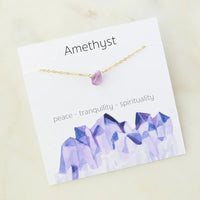
The piece they're describing → Stone Charm Necklace for Women — Raw Natural Gemstone Pendant
Personalize Yours


