


Gold earrings have a reputation as the "safe" choice for sensitive ears — but that reputation isn't automatic. Unlike a necklace, an earring post sits directly inside a piercing channel, where skin is thinner, more vascular, and more reactive than almost anywhere else on the body. That makes the metal in the post a bigger deal for earrings than it is for any other jewelry type. This guide covers exactly which gold earrings are genuinely hypoallergenic, why the post matters more than the finish, and how to avoid the mistake that causes most "but it's gold!" reactions.
Shop it: AJLuxe Gold Hoop Earrings — 925 Sterling Silver, 18K Gold Plated — nickel-free post, hypoallergenic base, from $31.99.
Are gold earrings hypoallergenic?
It depends on the karat and, more importantly, on what's actually touching your ear. Pure gold (24K) contains zero nickel and is completely hypoallergenic — but it's too soft to hold a stud post or hoop shape on its own, so jewelers alloy it with other metals for strength. The alloy is where the risk comes in.
| Gold type | Pure gold content | Hypoallergenic for earrings? |
|---|---|---|
| 24K Gold | 99.9% | Yes — but too soft for most earring posts |
| 18K Gold | 75% | Yes — the practical sweet spot for solid gold posts |
| 14K Gold | 58.3% | Usually — but some manufacturers use nickel in the alloy mix |
| 10K Gold | 41.7% | Not reliably — highest alloy content of the solid-gold tiers |
| Gold-Filled | Thick bonded layer | Depends entirely on the base metal underneath |
| Gold-Plated | Microscopic surface layer | Only as safe as the base metal — always check what's under the plating |
For earrings specifically, the safest and most affordable combination is 18K gold plating over a 925 sterling silver base — the visible layer looks and feels like solid gold, and because the sterling silver underneath is nickel-free, the piece stays safe even after years of wear thin the plating.
Why the earring post matters more than the earring itself
This is the single most overlooked fact in gold earring shopping: the decorative front of the earring and the post that goes through your piercing are frequently two different pieces of metal, assembled together. A brand can legitimately advertise "gold front" while using a completely different, undisclosed alloy for the post and butterfly back.
Ear piercings react faster and more severely to nickel than skin elsewhere on the body for a physical reason: the piercing channel is an open wound-adjacent surface with constant, direct metal contact for hours at a time, unlike a necklace clasp that only touches the back of your neck intermittently. That's why people who never react to a gold necklace can still develop redness, swelling, or even infection-like symptoms from "gold" earrings — the post, not the necklace-style clasp, is doing the damage.
Common real-world pattern reported by people with sensitive ears: earrings that were comfortable for the first few months start causing itching or soreness later on. That delayed reaction usually means the visible gold plating has worn through on the post, exposing a nickel-containing base metal that was there all along — it just wasn't in contact with skin until the plating thinned.

The practical rule: never assume the post matches the front. Look specifically for "925 sterling silver post" or "solid gold post" in the product description — if the listing only says "gold" with no base-metal detail, treat it as a red flag.
Gold-plated vs. gold-filled vs. solid gold earrings for sensitive ears
These three terms get used almost interchangeably in marketing, but they describe very different levels of protection for sensitive skin.
| Type | What it means | Sensitive-ear verdict |
|---|---|---|
| Solid gold (14K–18K+) | Gold alloy all the way through, no base metal | Safest — no plating to wear through, ever |
| Gold-filled | A thick layer of gold bonded (not just plated) to a base metal, usually brass | Only as safe as the disclosed base — ask the brand directly if it isn't stated |
| Gold-plated over 925 silver | Thin gold layer over a sterling silver base | Safe long-term — the base stays nickel-free even as plating wears |
| Gold-plated over brass | Thin gold layer over brass or unspecified "alloy" | Unsafe once plating wears — brass commonly contains nickel |
"Gold-filled" in particular is where a lot of well-meaning shoppers get caught out. The term sounds premium and durable — and the gold layer genuinely is thicker than standard plating — but gold-filled listings very rarely disclose the base metal. If a gold-filled earring doesn't specify "over sterling silver," assume the base is brass, which is the industry default because it's cheaper.
How to spot genuinely hypoallergenic gold earrings when shopping
Look for on the listing:
- "925 sterling silver post" or "solid gold post" — the specific detail that actually matters
- "18K gold plated over 925 sterling silver" — the safest budget combination
- A visible "925" or "750" hallmark stamp in product photos
- "Nickel-free" stated explicitly, not just implied by the word "gold"
Treat these as red flags:
- "Gold-filled" or "gold-plated" with no base metal named
- "Gold tone" or "gold color" — almost always brass or zinc alloy with a coating, no real gold content at all
- Extremely low prices ($3–$8) for anything described as "gold" — real gold plating over a safe base costs more to produce than that
- Product photos that don't show or describe the post/back separately from the front design
Caring for hypoallergenic gold earrings
Even a genuinely safe 925 sterling silver base can develop problems if the plating wears unevenly or moisture gets trapped against the post. A simple routine keeps gold earrings comfortable for years:
- Wipe posts and backs with a soft cloth after each wear — sweat and skincare residue speed up plating wear
- Remove before showering, swimming, or applying perfume directly to the ears
- Store in a dry pouch or compartment, not loose in a humid bathroom drawer
- If plating wears thin on the post specifically (not just the visible front), stop wearing the pair until you can confirm what's underneath — this is the point where reactions start
According to the American Academy of Dermatology, nickel sensitivity affects roughly 10–20% of the general population, and repeated exposure can cause sensitivity to develop even in people who tolerated the same metal for years. (aad.org)
Related reading: Is gold plated hypoallergenic.
Related reading: Is gold vermeil hypoallergenic.
Related reading: Best Website for Cheap Jewelry (2026): The Checklist That Actually Matters.
Related reading: Is rose gold hypoallergenic.
What Is Gold Plating, and How Long Does It Actually Last?
Gold plating is a microns-thick layer of real gold bonded electrochemically onto a base metal — through a process called electroplating, where an electric current deposits gold ions onto a base like 925 sterling silver, brass, or steel — and on a quality base metal it typically holds up for one to several years of regular wear before the layer visibly thins, longer with occasional wear and careful storage. It's not a coating that's painted or glued on: electroplating creates an actual metallic bond, which is why well-made gold-plated pieces can still look sharp for years, while poorly plated ones flake or yellow-fade within months.
In the US, the terms brands use for this aren't just marketing language — they're regulated. The Federal Trade Commission's Jewelry Guides set minimum thickness and purity standards for what a listing is allowed to call "gold plate," "gold electroplate," and "heavy gold electroplate," so the wording on a product page is meant to tell you something real about how much gold is actually there. (ftc.gov)
| Term | What it signals |
|---|---|
| Gold plate / gold plated | A thin electroplated gold layer over a base metal — the general, lightest-duty category |
| Gold electroplate (GEP) | A defined minimum thickness of electroplated gold, per FTC guidance |
| Heavy gold electroplate (HGE) | A thicker, more durable electroplated layer than standard GEP — holds color longer under daily wear |
| Gold vermeil | Gold plating specifically over a solid sterling silver base — covered in detail above for earring posts |
What actually determines how long any of these last on a real piece of jewelry comes down to a handful of practical factors, not just the label:
- Plating thickness — measured in microns; thicker layers (heavy gold electroplate) resist wear-through longer than standard plating
- Base metal quality — gold plating bonds more evenly and durably to 925 sterling silver than to brass or lower-grade alloys, which affects how the piece looks once the surface layer eventually thins
- Friction and contact points — rings and bracelet clasps see far more surface friction than a pendant, so they tend to show wear first
- Chemical exposure — chlorine, perfume, and harsh cleaning products break down the plating's bond faster than everyday wear alone
- How often it's worn — daily wear accelerates visible thinning; jewelry worn occasionally and stored properly can keep its finish for considerably longer
None of this makes gold-plated jewelry a lesser choice — it's how nearly all affordable gold-look jewelry, AJLuxe's included, delivers a solid-gold appearance at a fraction of solid gold's price. The tradeoff is simply that the gold layer is finite, so the quality of what's underneath it — the base metal — matters more than the karat stamp on the listing.
Frequently asked questions
Are gold earrings hypoallergenic?
Solid 18K or 24K gold earrings are genuinely hypoallergenic. Solid 14K is usually safe but can occasionally contain trace nickel in the alloy. Gold-plated or gold-filled earrings are only hypoallergenic if the base metal underneath — specifically the post — is 925 sterling silver or titanium, not brass or an unspecified alloy.
Why do my ears react to gold earrings if gold is supposed to be safe?
In almost every case, it's not the visible gold causing the reaction — it's the post or backing underneath, which is frequently a different, undisclosed metal. Gold plating wears down with normal wear, and once it thins on the post specifically, whatever base metal is underneath starts contacting your piercing directly.
Is 14K gold hypoallergenic enough for sensitive ears?
For most people, yes, but it's not guaranteed. 14K gold is 58.3% pure gold alloyed with other metals, and the specific alloy composition varies by manufacturer — some use nickel, especially in cheaper production runs. If you have a confirmed nickel allergy, 18K or higher is a safer bet, or ask the seller directly about the alloy.
Can gold-plated or gold-filled earrings cause an infection?
They can cause contact dermatitis that looks similar to infection — redness, swelling, itching, sometimes small blisters or oozing — once the plating wears through to a nickel-containing base metal. This is especially common with earrings, because the post is in constant, direct contact with the piercing channel. It's an allergic reaction, not a bacterial infection, but it can look alarming and should prompt you to remove the earrings and switch metals.
Is surgical steel a hypoallergenic alternative to gold earrings?
Only if it's genuinely implant-grade (ASTM F136 titanium is a separate, more reliable standard than "surgical steel"). Most jewelry labeled "surgical steel" is 316L stainless steel, which still contains 8–12% nickel — tightly bound in the alloy, so most people tolerate it, but it is not truly nickel-free. For a severe allergy, implant-grade titanium is the more reliable choice over standard surgical steel.
Is gold vermeil hypoallergenic for earrings?
Genuine gold vermeil — 18K+ gold plating over a solid sterling silver base, by legal definition — is hypoallergenic for earrings, because the sterling silver post stays safe even as the outer plating wears. The catch is that "vermeil" is sometimes used loosely by sellers to describe gold plating over brass, which is not vermeil and is not safe. Confirm the base is specifically sterling silver.
What's the safest earring option for a brand-new piercing?
Implant-grade titanium (ASTM F136) or implant-grade steel, per guidance from professional piercers — not gold, even solid gold, for the initial healing period. A fresh piercing is essentially an open wound, and titanium has the lowest reaction risk of any material during healing. Once healed (typically 6–12 weeks for lobes), you can switch to 18K gold plated over sterling silver or solid gold.
How can I tell what metal an earring post actually is before buying?
Check the product listing for an explicit post material callout — "925 sterling silver post," "solid gold post," or "titanium post." If the listing only describes the visible design ("gold huggie earrings") without naming the post material, contact the seller directly and ask. A brand confident in its materials will always disclose the post metal, since it's a selling point for sensitive-ear customers.
Do gold earring backs (butterfly backs) need to be hypoallergenic too?
Yes — the back sits against the lobe for as many hours as the post itself. A gold-plated earring with a cheap, unlabeled metal butterfly back can cause reactions even if the post and front are genuinely safe. Look for sets where the back is specified as sterling silver or the same metal as the post.
Can a nickel allergy to gold earrings develop even if I wore the same earrings for years without issue?
Yes. Nickel sensitivity is cumulative — repeated low-level exposure over time can trigger a new allergic response in someone who previously had no reaction. This is common with earrings specifically because the plating on the post naturally thins with years of wear, gradually increasing nickel exposure even though the earring itself hasn't changed.
Final thoughts
The gold on the surface of an earring was never the real question — the post is. A pair of gold earrings built on a 925 sterling silver base stays hypoallergenic for the life of the piece, even after the plating wears, because the metal actually touching your piercing never changes. Brass-based "gold" earrings only look the same on day one.
At AJLuxe, our gold hoop, huggie, and stud earrings are all built on a 925 sterling silver base with 18K gold plating — so the post and back stay nickel-free no matter how much the visible gold wears over time.
For a broader look at every hypoallergenic earring style and material, see our complete guide to the best hypoallergenic earrings. For the necklace side of this topic, read hypoallergenic gold necklaces.
Written by the AJLuxe team — specialists in 925 sterling silver jewelry for sensitive skin. Last updated: July 2026.
Related reading: see whether 14K gold plated earrings are hypoallergenic.
All third-party trademarks, brand names and product names are the property of their respective owners. AJLuxe is not affiliated with, endorsed by, sponsored by, or otherwise connected to any third-party brand referenced in this article. Brand names are used solely for accurate comparative reference, and material descriptions reflect each brand's own published product specifications at the time of writing.
You Might Also Like

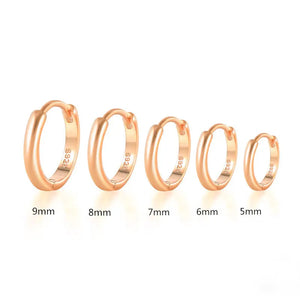
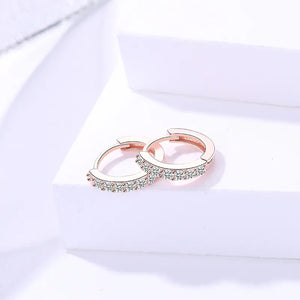

The piece they're describing → Gold Hoop Earrings for Women — 925 Sterling Silver, 18K Gold Plated, Hypoallergenic
Personalize Yours


