


- Round elastic cord (0.5mm-1mm) is the standard material for stretch bracelets; flat elastic thread is cheaper but wears out faster.
- Match cord diameter to bead weight: 0.5mm for seed beads, 0.7mm for medium glass or wood beads, 1mm or doubled cord for heavy stone or crystal beads.
- Doubling or tripling the cord adds real strength for chunky beads or gemstones with rough-edged drill holes.
- Always seal the knot with a drop of jewelry glue and let it dry before trimming; a bare knot is the second most common cause of breakage.
- Keep stretch bracelets away from direct heat, sunlight, lotion, and perfume, since UV and oils dry out elastic and shorten its life.
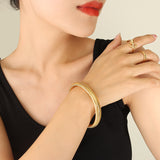
- Want the stretch-fit comfort without picking cord and gluing knots yourself? AJLuxe's Gold Elastic Bangle Bracelet ($39.99) is a ready-made option.
Related reading: a full comparison of every adjustable-bracelet mechanism, not just stretch cord.
Related reading: a rigid open-band alternative to a cord or elastic bracelet.
If you have ever restrung a beaded bracelet only to have it snap again a few weeks later, the cord itself was probably the problem, not your knot-tying. Elastic cord comes in more diameters and materials than most craft-store displays let on, and picking the wrong one is why so many DIY stretch bracelets have a short lifespan. Here is what actually determines the best stretch cord for a given bracelet, with real diameter and strand guidance you can use today.
What's the Best Cord for Bracelet Making, Stretch or Wire?
Stretch (elastic) cord is the better choice when you want a bracelet that slips on and off without a clasp, while flexible beading wire (often called Tigertail or nylon-coated wire) is the better choice when you need a clasp-closed design that holds a firmer shape. Stretch cord wins for stackable, kid-friendly, or gift bracelets because there is nothing to fasten and no crimps to hide. Beading wire wins for asymmetric designs, heavier statement beads, or any bracelet meant to hang rather than hug the wrist, because it does not rely on the elastic's stretch memory to stay snug over years of wear.
Stretch Cord Materials Compared: Elastic Cord vs. Elastic Thread vs. Coated Cord
Round, single-strand elastic cord is the best all-around stretch cord material for bracelets, because it stretches evenly, holds a glued knot securely, and comes in enough diameters to handle almost any bead weight. Flat elastic thread and metal-core hybrids each trade some of that flexibility for a specific advantage, as the table below shows.
| Material | Typical Diameter | Best For | Trade-off |
|---|---|---|---|
| Round elastic cord | 0.5mm-1mm | Standard beaded stretch bracelets | Most versatile, widely available, minimal downsides |
| Flat elastic thread | 0.3mm-0.8mm | Lightweight seed-bead bracelets | Cheapest option, but stretches out and snaps sooner |
| Coated or braided elastic | 0.7mm-1mm | Bracelets with rough or sharp-edged gemstone beads | Slightly pricier, but resists cutting from bead edges |
| Metal-core elastic hybrid | ~1mm | Heavy or chunky statement bracelets | Very durable, but less true stretch and recoil |
What Is Stretchy Bracelet String Actually Made Of?
Stretchy bracelet string, usually sold as elastic cord, is made from a synthetic rubber or polyurethane elastomer extruded into a thin round or flat strand, sometimes braided with polyester fibers for extra grip and abrasion resistance. That elastomer base is what gives it stretch memory (the ability to snap back to its original length), but it also means the cord is sensitive to the same things that age rubber generally: prolonged UV exposure, heat, and oils from lotion or perfume, all of which gradually stiffen or crack the material over time.
What Size Elastic Should You Use? (Diameter Guide by Bead Weight)
The right elastic size depends on how heavy your beads are, not on how big your wrist is: 0.5mm for lightweight seed beads, 0.7mm for standard 6-8mm glass or wood beads, and 1mm, or doubled thinner cord, for heavy stone, crystal, or metal beads. Sizing down to save cord, or reusing thin cord meant for seed beads under a stack of chunky gemstones, is one of the fastest ways to end up with a bracelet that lasts a single wear.
| Bead Size / Weight | Recommended Diameter | Strands |
|---|---|---|
| Seed beads / small glass (under 6mm) | 0.5mm | 1 strand |
| Medium glass or wood beads (6-8mm) | 0.7mm | 1 strand |
| Large stone or crystal beads (8-10mm) | 1mm | 1-2 strands doubled |
| Chunky or statement beads (10mm+) | 1mm+ or doubled 0.7mm | 2-3 strands |
How Many Strands of Elastic Cord Do You Need Per Bracelet?
One strand of correctly-sized cord is enough for most lightweight bead bracelets, but doubling or tripling the cord is worth it any time beads are heavy, have rough-edged drill holes, or the bracelet will see daily wear. There are two ways to double up: thread two strands through each bead together as you go, or string the beads once and then run a second strand back through every bead afterward. The second method takes longer but distributes weight more evenly and is the stronger choice for gemstone chip or nugget beads with jagged holes that can saw through a single strand over time.
How to Knot Stretch Cord So It Never Comes Undone
Stretch cord stays knotted when you tie a surgeon's knot (a double overhand knot pulled tight) and seal it with a small drop of jewelry glue before trimming the ends close. In practice: tie one overhand knot, pass the ends through a second time before tightening (this is what makes it a surgeon's knot), pull firmly from both sides so the knot seats against the beads, add a drop of glue directly onto the knot, let it cure fully, then trim the tails to about 2mm so they tuck inside the nearest bead. Skipping the glue step is the single most avoidable reason a well-sized cord still comes apart.
Why Stretch Bracelets Snap (and How to Prevent It)
Stretch bracelets snap most often because the cord was too thin for the bead weight, the knot was never glued, or the elastic degraded from heat, sunlight, or lotion exposure over time. To make a stretch bracelet last: size the cord to the heaviest bead group it will carry (not the average), always glue and cure knots before wearing, avoid stretching the bracelet more than necessary to get it over the hand, and store finished pieces away from direct sunlight or a hot car dashboard, where the elastomer breaks down fastest.
DIY Stretch Cord or a Ready-Made Stretch Bracelet — Which Should You Buy?
Choose DIY stretch cord if you want to custom-match beads to a specific outfit, birthstone, or gift, and choose a ready-made stretch bracelet if you want the same clasp-free comfort without sourcing cord diameters, gluing knots, or restringing when a strand eventually wears out. If you would rather skip the workbench, AJLuxe's Gold Elastic Bangle Bracelet ($39.99) gives you that same stretch-fit wear in 18K gold plating over 925 sterling silver, built to stack, hypoallergenic, and ready to gift straight out of the box, no cord, glue, or bead math required.
Frequently Asked Questions
What is the best cord to use for bracelet making?
Round, single-strand elastic cord in 0.7mm is the best all-purpose cord for bracelet making, since it handles most standard 6-8mm glass, wood, or stone beads without being too bulky to knot cleanly. Size down to 0.5mm for seed beads or up to 1mm (or doubled) for heavier gemstone and crystal beads.
What is the best material to use for stretch bracelets?
Round elastic cord made from a synthetic rubber or polyurethane elastomer is the best material for stretch bracelets, because it stretches evenly and holds a glued knot securely across a wide range of diameters. Flat elastic thread is a cheaper alternative for very lightweight beads, but it stretches out and snaps sooner than round cord.
What is the stretchy string used for bracelets?
The stretchy string used for bracelets is elastic cord (sometimes branded as stretch magic-style cord), a round or flat elastomer strand designed to stretch over the hand and snap back to size around the wrist. It is sold by diameter, typically 0.5mm to 1mm, rather than by brand, so matching the diameter to your bead weight matters more than which label you buy.
What is the best size elastic to use for bracelets?
The best elastic size depends on bead weight: 0.5mm for lightweight seed beads, 0.7mm for standard 6-8mm glass or wood beads, and 1mm, or doubled cord, for heavy stone or crystal beads. Using a thicker cord than the beads strictly require is rarely a mistake, but sizing down to save money almost always shortens the bracelet's lifespan.
How many strands of elastic do I need for a bracelet?
One strand is enough for lightweight bead bracelets in correctly-sized cord, but heavier stone, crystal, or chunky beads hold up far longer with two or three strands run through each bead. Doubling the cord is inexpensive insurance against the rough-edged drill holes common in natural gemstone beads.
Does stretch cord break easily?
Stretch cord breaks easily only when it is undersized for the beads, tied without glue, or aged by heat and sunlight; correctly matched, glued, and stored cord can last years of regular wear. Most reported snapping comes down to one of those three preventable causes rather than a flaw in elastic cord as a material.
How do you tie off stretch cord so it doesn't come undone?
Tie a surgeon's knot (a double overhand knot), pull it tight against the beads, seal it with a drop of jewelry glue, let it cure, then trim the tails short enough to tuck inside the nearest bead. A single overhand knot without glue is the most common reason a stretch bracelet unravels within days of finishing it.
All third-party trademarks, brand names and product names are the property of their respective owners. AJLuxe is not affiliated with, endorsed by, sponsored by, or otherwise connected to any third-party brand referenced in this article. Brand names are used solely for accurate comparative reference, and material descriptions reflect each brand's own published product specifications at the time of writing.
You Might Also Like

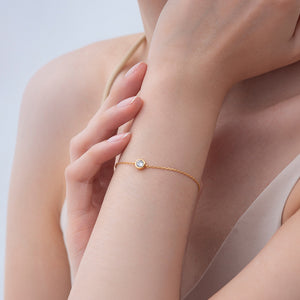
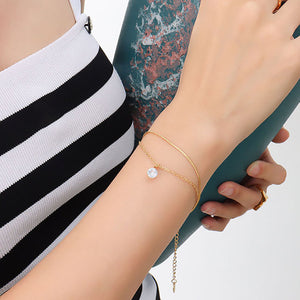
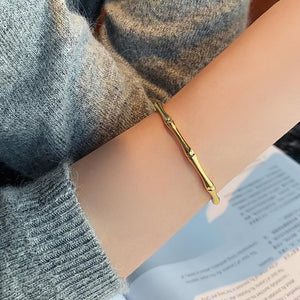
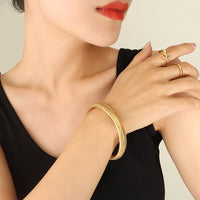
The piece they're describing → Gold Elastic Bangle Bracelet for Women — 18K Gold Plated, Stretch Fit, Stackable
Personalize Yours


