


- Best material: 925 sterling silver or 18K gold plated band — not base metal, which causes skin reactions and corrodes fast
- Best stone: Real thermochromic liquid crystal (TLC) — oval or round, 8–10mm for best color accuracy
- Avoid: Novelty mood rings under $10 with plastic stones or base metal bands — they stop working within weeks
- Size: Adjustable bands are the safest choice if you're unsure of ring size
- Water: Keep mood rings dry — prolonged water exposure destroys the TLC stone
Mood rings have never really gone away — they keep cycling back in style because the concept is genuinely fascinating. But there's a huge quality gap between a mood ring that works for years and one that turns permanently black after three weeks. This guide covers exactly what separates a good mood ring from a cheap one, which materials to look for, and what to avoid.
What Makes a Mood Ring Good?
Four factors determine whether a mood ring actually works and lasts:
1. Thermochromic Liquid Crystal (TLC) Stone Quality
The stone in a mood ring isn't a gemstone — it's a sealed case of thermochromic liquid crystals that change color in response to temperature. The quality of those crystals determines color accuracy and longevity. High-quality TLC stones show a full spectrum of colors (violet → blue → green → yellow → amber → brown/black) and respond within seconds. Low-quality stones skip colors, respond slowly, or get stuck at one color permanently. Real TLC stones are slightly translucent and have a slightly liquid appearance when you look closely — unlike solid-colored plastic fakes.
2. Band Material
The band is what you're actually wearing on your skin. Band material affects both durability and safety:
- 925 sterling silver: The best option — strong, hypoallergenic, holds up to daily wear
- 18K gold plated (925 base): Great for gift-giving; looks premium; same durability as silver when the base is 925
- Base metal / alloy: Common in cheap mood rings — causes green skin, skin reactions, and corrodes quickly
3. Setting Security
The stone needs to be securely held in the setting. Bezel settings (metal wrapped fully around the stone) are the most secure and protect the stone from impacts. Prong settings leave the stone more exposed. Avoid glued settings where the stone just sits on top — these fail quickly.
4. Stone Size
Larger stones have more liquid crystal surface area, which means they respond faster and show color more clearly. An 8–10mm oval or round stone is the sweet spot — big enough to read color clearly, small enough to look wearable.
Mood Ring Materials Comparison
| Band Material | Durability | Allergy Risk | Price Range | Best For |
|---|---|---|---|---|
| Sterling silver (925) | Excellent | Very low | $15–50 | Everyday wear, sensitive skin |
| Gold plated (925 base) | Good | Very low | $20–60 | Gift giving, aesthetic variety |
| Stainless steel | Good | Low | $10–30 | Budget everyday wear |
| Base metal / alloy | Poor | High | $5–15 | Novelty / occasional wear only |
What Size Mood Ring Should You Get?
Mood rings come in fixed sizes and adjustable bands. Here's how to choose:
Fixed size rings: Most common. Standard women's sizes run 6–8 (US). If you know your ring size, this is the better option — fixed bands tend to be more secure and sit more evenly on the finger, which means more consistent temperature readings and better color display.
Adjustable bands: The safest choice if you're buying as a gift or unsure of ring size. Most adjustable mood rings fit sizes 6–9. The tradeoff is that adjustable bands have a small gap in the back, which means less full-finger contact and slightly slower temperature response.
For reference: the average women's ring size in the US is 7. If buying for a teenager, size 6 is a safer starting point.
Oval vs Round Stone — Which Is More Accurate?
Both oval and round stones use the same thermochromic liquid crystal technology. The shape doesn't determine accuracy — surface area does.
A larger oval (10×8mm) has more TLC surface area than a smaller round (6mm), which means it responds faster and displays color gradients more clearly. If color accuracy matters to you, choose a larger stone regardless of shape.
That said, round stones tend to sit better on the finger and are less likely to catch on fabric or tilt in their setting. The most popular mood ring stones are 8–10mm round or oval — both work well.
How to Test If a Mood Ring Is Real
Two simple tests tell you whether your mood ring uses real thermochromic liquid crystals:
Warm water test: Run warm (not hot) water over the stone. A real TLC stone will shift to blue or green within a few seconds. A plastic or glass imitation stone won't change color at all, or will show only a slight surface sheen.
Ice / cold test: Hold the stone over ice or press a cold metal spoon against it for 15–20 seconds. A real TLC stone should shift toward amber, brown, or black (indicating low temperature). No change = fake stone.
Real TLC stones respond smoothly and gradually across the color spectrum. If yours jumps abruptly from "on" to "off" with no gradation, it's likely a lower-quality version.
Mood Ring vs Mood Necklace — Which Is Better?
Both use the same thermochromic liquid crystal technology — the only difference is placement. Rings respond to finger temperature, which fluctuates quickly with activity, emotion, and environment. Necklaces sit close to the chest, which has a more stable temperature, so they tend to stay in one color range longer.
Rings are more fun to watch and change color more dynamically. Necklaces are easier to read at a glance and make better statement pieces. If you want dramatic color changes throughout the day, go with a ring. If you want a subtle, consistently colorful piece, a necklace works better.
See our mood necklace colors and meanings guide for the full breakdown.
FAQ: Best Mood Rings
What is the best mood ring?
The best mood ring uses a real thermochromic liquid crystal (TLC) stone in an 8–10mm oval or round cut, set in a 925 sterling silver or 18K gold plated band with a secure bezel setting. It should respond to temperature changes within seconds and display a full color spectrum from violet through black.
Do expensive mood rings work better?
Not necessarily — price alone doesn't determine mood ring quality. What matters is the band material (925 silver vs base metal) and TLC stone quality. A well-made $25–40 mood ring in sterling silver often outperforms a $60 ring in base metal with a poor-quality stone. Focus on materials over price.
What is the most accurate mood ring?
The most accurate mood rings use large (8–10mm+), high-quality TLC stones in a snug bezel setting on a band that fits the finger properly. Adjustable rings are slightly less accurate because they sit unevenly. A properly sized fixed-band ring with a quality TLC stone will give the most consistent temperature readings.
How long do mood rings last?
A quality mood ring with a 925 silver band and real TLC stone lasts 2–5 years with regular wear. The band outlasts the stone — TLC stones eventually degrade, especially if exposed to water or heat. Cheap mood rings with base metal bands and plastic stones may stop working within weeks to months.
Are mood rings real?
Yes — quality mood rings use real thermochromic liquid crystal technology that genuinely responds to temperature changes. They don't read emotions directly, but finger temperature does correlate loosely with physiological state. The science is real; the emotional interpretation is approximate. The technology was first commercialized in the 1970s and is still produced today.
What size mood ring should I buy?
If you know your ring size, choose a fixed-size ring in your size — this gives more consistent temperature readings. If buying as a gift or unsure, choose an adjustable band (fits sizes 6–9 in most cases). The average women's US ring size is 7.
What is the best band material for a mood ring?
925 sterling silver is the best band material for a mood ring — it's hypoallergenic, durable, and doesn't cause skin discoloration. 18K gold plated 925 silver is the next best option. Avoid brass, copper, or unspecified "alloy" bands — these cause green skin reactions and corrode quickly.
Can mood rings go in water?
No — keep mood rings away from prolonged water exposure. The TLC stone is sealed, but water can penetrate over time through micro-cracks, permanently clouding or disabling the stone. Brief splashes are fine; don't wear your mood ring swimming, showering, or washing dishes. If it does get wet, dry it immediately.
The Bottom Line
The difference between a mood ring that works and one that doesn't comes down to two things: real TLC crystals and a quality metal band. Skip the $5 novelty rings — they're plastic. Spend $20–40 on a sterling silver or gold-plated piece with a proper bezel setting, and you'll have a mood ring that genuinely works and lasts for years.
For more on mood ring colors, what they mean, and how the technology works, see our guides on mood ring colors and meanings and how mood rings work.
→ Shop AJLuxe Mood Rings — Sterling Silver & Gold Plated, Adjustable Band
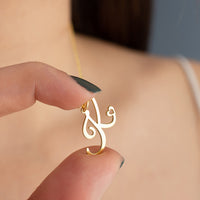
The piece they're describing → Heart Initial Necklace for Women — 18K Gold Plated, Personalized Letter + Heart Pendant
Personalize Yours

