


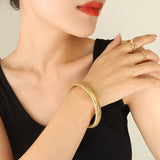
- A medical alert bracelet is functional ID jewelry engraved with a condition, allergy, or emergency contact — it's a different product category from fashion jewelry, and first responders are trained to check the wrist and neck for one.
- A nonprofit emergency-profile service is the option most doctors point to because it pairs the bracelet with a 24/7 phone-accessible emergency health profile, not just an engraving.
- Fashion-forward medical IDs lead on style, with interchangeable bands, crystals, and finishes that don't scream “hospital bracelet.”
- Sport bands and stainless steel or titanium IDs are the go-to picks for durability, built for workouts, swimming, and daily wear.
- Medicare typically does not cover a medical alert bracelet since it's classified as jewelry, not durable medical equipment — check with your plan before assuming it's reimbursed.
- AJLuxe doesn't make medical ID jewelry, but a hypoallergenic 925 sterling silver stacking bracelet is a common way to soften the clinical look of a medical ID without covering the engraving.
If you or someone you love has diabetes, a severe allergy, epilepsy, or takes a blood thinner, a medical alert bracelet is one of the few pieces of jewelry that can genuinely change what happens in an emergency. But “medical alert bracelet” covers a wide range of products — from a $20 stainless steel tag to a subscription-backed nonprofit ID service — and most of the companies that make them are not jewelry companies at all. Here's how the main types of medical alert bracelet compare, and where a piece of everyday jewelry can (and can't) fit alongside one.
What Makes a Medical Alert Bracelet Different From Regular Jewelry?
A medical alert bracelet is defined by its engraving and its purpose, not its metal or style — it exists to tell a paramedic or ER nurse something they need to know before you can speak for yourself. That's why emergency medical training explicitly includes checking a patient's wrist and neck for an ID during initial assessment, which is the entire reason these brands exist as a separate category from fashion bracelets. A regular bracelet, however nice, doesn't carry that engraved medical information or (in some cases) a linked emergency profile a responder can call into.
The Best Types of Medical Alert Bracelets for Women (2026)
These six types cover the real range of what's available, from nonprofit emergency-response services to customizable engraved jewelry and rugged athletic bands, so the right one depends on your condition, your style, and how you want it to look on your wrist.
| Type | Best For | Style Range | Price Tier |
|---|---|---|---|
| Nonprofit emergency-profile service | 24/7 emergency profile service | Classic, understated | Mid (plus membership fee) |
| Fashion-forward medical ID | Women's designs that read as jewelry | Beaded, leather, charm-style, crystal | Mid |
| Sport band | Runners, gym-goers, swimmers | Silicone, stainless sport bands | Budget to mid |
| Budget engraved tag | Budget-conscious buyers | Simple engraved tags | Budget |
| Dressier crystal-accented ID | Weddings and nights out | Crystal accents, sterling settings | Mid to premium |
| Stainless steel or titanium band | Everyday durability | Stainless steel, titanium | Budget to mid |
1. Nonprofit Emergency-Profile Service
A nonprofit emergency-profile service is the option most doctors and EMTs recommend first because the bracelet is only half the product: it's paired with a 24/7 phone-accessible emergency health record a responder can call into for your full medical history. That is part of why it shows up most consistently in physician recommendations rather than retail “best of” lists. The tradeoff is a membership fee on top of the bracelet cost, since you're paying for the ongoing profile service, not just the engraving.
2. Fashion-Forward Medical ID
A fashion-forward medical ID is the best pick for women who want a medical ID that reads as jewelry first, often built around interchangeable beaded, leather, and charm-style bands that swap onto the same engraved ID tag. That interchangeability is the signature: you can match the band to an outfit without re-ordering the medical plate itself. Some makers also offer a wide range of styles in one place, from plain stainless tags to gold-tone and gemstone-set designs. It's a good fit for anyone who has resisted wearing an ID because past options felt too clinical.
3. Sport Band
A sport band is the best option for runners, cyclists, and anyone who works out or swims regularly, since silicone and stainless bands are built to survive sweat, chlorine, and repeated impact. This category grew out of the running community to solve the “what if I collapse on a run with no ID” problem, and that athletic-first design still shows in the product line. It's less about looking elegant and more about surviving a hard workout without falling apart.
4. Budget Engraved Tag
A budget engraved tag is the best entry point if you want a straightforward engraved tag without paying for extra styling or a membership service. The designs are simpler than fashion-forward or dressier IDs, but the core engraving quality and clasp durability are the same functional priority every type on this list shares. It's a sensible first ID for someone who isn't sure yet how often they'll wear it.
5. Dressier Crystal-Accented ID
A dressier crystal-accented ID is the best choice for occasions where you want the ID to look genuinely dressy, using crystal accents and sterling settings instead of a plain stainless plate. It's aimed squarely at women who want something they'd wear to a wedding or a night out, not just to the gym. Expect to pay more than the budget options for that finish quality.
6. Stainless Steel or Titanium Band
A stainless steel or titanium band is the best pick for everyday durability, designed to be worn constantly without corroding or losing an engraving's legibility. It's a strong match for anyone who wants to put the bracelet on once and stop thinking about it, with no swapping bands and no delicate finish to babysit. It skews more utilitarian than the fashion-forward and crystal-accented types, which is exactly the point for some wearers. Whatever type you choose, check turnaround time and engraving accuracy before ordering.
Where People Actually Discuss Medical Alert Bracelets (Research Sources, Not Stores)
Online forum threads on medical ID jewelry are a genuinely useful research source, not a place to buy — they're where real wearers with diabetes, epilepsy, or allergies compare how a specific band held up to daily wear, sweat, or a hospital scan. Treat forum threads the way you'd treat a friend's opinion: helpful for narrowing down style and comfort questions, but not a substitute for checking a maker's actual engraving policy or return process before you order. The same goes for general marketplaces: useful for reading verified-purchase reviews on a specific listing, but the seller behind any given medical ID listing there varies, so verify the engraving accuracy and clasp quality on the individual product rather than assuming the marketplace itself vouches for it.
Which Medical Alert Bracelet Should You Choose?
Start with a nonprofit emergency-profile service if you want that service alongside the bracelet, choose a fashion-forward or crystal-accented ID if you want it to look like real jewelry, and go with a sport band or a stainless steel or titanium band if durability during workouts matters more than style. Whichever engraved ID you choose, AJLuxe doesn't manufacture medical alert jewelry — that's a specialized category with its own engraving and (for emergency-profile services) emergency-record requirements that a fashion jewelry brand isn't set up to provide, and it would be dishonest to pretend otherwise. What a lot of wearers do instead is stack a slim, hypoallergenic bracelet next to the medical ID so the wrist doesn't look purely clinical — our Gold Elastic Bangle Bracelet ($39.99) is a 925 sterling silver, 18K gold-plated stretch bangle built for exactly that kind of everyday layering, since it won't tarnish or irritate skin the way costume stacking pieces often do. Keep the medical ID as the wrist's primary piece, and let something like the bangle sit alongside it rather than compete with it.

The Association of Diabetes Care & Education Specialists and similar patient-advocacy groups consistently recommend that people with insulin-dependent diabetes, severe allergies, or epilepsy wear some form of medical ID; for condition-specific guidance, the Epilepsy Foundation publishes patient education on medical ID jewelry at epilepsy.com.
Frequently Asked Questions
What is the best rated medical alert bracelet?
There's no single universal “best rated” bracelet because the right one depends on your condition and how you want it to look, but a nonprofit emergency-profile service is the option doctors most consistently point to, since it's the only type on this list that pairs the bracelet with a 24/7 emergency health profile rather than just an engraving. If style matters more than the profile service, fashion-forward medical IDs are the most frequently recommended for selection and design range.
Does Medicare pay for a medical alert bracelet?
Original Medicare typically does not cover the cost of a medical alert bracelet because it's classified as jewelry rather than durable medical equipment. Some Medicare Advantage plans include an allowance for medical alert systems as a supplemental benefit, but that usually refers to wearable pendant or call-button systems rather than an engraved ID bracelet, so it's worth confirming directly with your specific plan before assuming either type is reimbursed.
Do doctors recommend medical bracelets?
Yes — doctors commonly recommend a medical ID bracelet for patients with conditions like insulin-dependent diabetes, severe allergies, epilepsy, or anticoagulant use, because emergency responders are trained to check a patient's wrist and neck for one during initial assessment. It's considered a low-cost, low-effort safeguard for exactly the moments when a patient can't speak for themselves.
What should I look for in a medical alert system?
Guidance on medical alert systems generally focuses on choosing a provider based on 24/7 monitoring quality, ease of use, and transparent, contract-free pricing rather than one specific bracelet. Most providers of monitoring services don't manufacture medical ID jewelry itself, so the useful question is how to evaluate a service, not a single product to buy.
Can I wear a medical alert bracelet and regular jewelry together?
Yes, and most wearers do — a medical ID is meant to stay visible and identifiable, but nothing about it prevents stacking a plain bangle or chain bracelet alongside it. The only real rule is to make sure the medical ID's engraving stays legible and isn't obscured by whatever else is on the wrist.
How often should a medical alert bracelet's information be updated?
Update the engraving or linked profile any time your condition, medication, or emergency contact changes, since an outdated ID can be as unhelpful in an emergency as having none at all. Services with a linked digital profile let you update the record without re-engraving the physical bracelet, while purely engraved IDs require ordering a new plate when the information changes.
All third-party trademarks, brand names and product names are the property of their respective owners. AJLuxe is not affiliated with, endorsed by, sponsored by, or otherwise connected to any third-party brand referenced in this article. Brand names are used solely for accurate comparative reference, and material descriptions reflect each brand's own published product specifications at the time of writing.
You Might Also Like

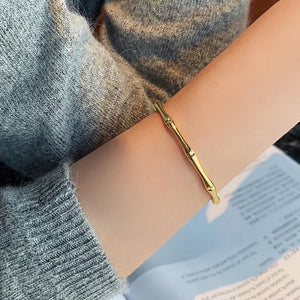
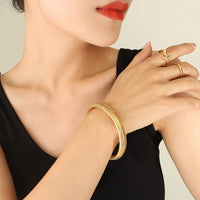
The piece they're describing → Gold Elastic Bangle Bracelet for Women — 18K Gold Plated, Stretch Fit, Stackable
Personalize Yours


