


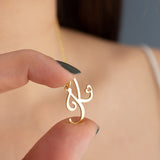
TL;DR: A necklace is only as hypoallergenic as its base metal — not its outer plating. 925 sterling silver paired with 18K gold plating is the safest and most affordable option for sensitive skin. Avoid jewelry with brass or copper base metals, even if they're gold plated. Look for "nickel-free" and "925 sterling silver" on the label.
If you've ever worn a gold necklace and ended up with an itchy red rash around your neck, the problem almost certainly wasn't the gold — it was what was underneath it. Understanding the difference between surface plating and base metal is the single most important thing you can learn about buying jewelry for sensitive skin. This guide breaks down exactly what makes a gold necklace genuinely hypoallergenic, what labels actually mean, and what materials to look for (and avoid).
What Does "Hypoallergenic" Actually Mean?
Hypoallergenic means the item is formulated to minimize the risk of allergic reaction — but it is not a regulated term in the jewelry industry. Any brand can print "hypoallergenic" on a label without meeting any specific standard. That makes it critical to look beyond the label and understand what the piece is actually made of.
The most common cause of jewelry allergies is nickel. An estimated 18% of people in North America have some degree of nickel sensitivity, according to the American Contact Dermatitis Society. Symptoms range from mild itching and redness to blistering and open sores in severe cases. Nickel is commonly found in brass, white gold alloys, and low-grade stainless steel — all of which are frequently used as base metals in gold-plated jewelry.
A truly hypoallergenic gold necklace avoids nickel at every layer of the piece, starting with the base metal.
Why the Base Metal Matters More Than the Plating
Gold plating is exactly what it sounds like: a thin layer of gold applied over a base metal. The plating is what you see — but the base metal is what your skin actually contacts once the plating wears down, which it always does with time.
| Base Metal | Hypoallergenic? | Notes |
|---|---|---|
| 925 Sterling Silver | ✅ Yes | 92.5% pure silver + copper alloy — nickel-free, safe for most people |
| Surgical Stainless Steel | ⚠️ Usually | Some grades contain nickel — look for 316L grade specifically |
| Brass | ❌ No | Copper + zinc alloy, often contains traces of nickel — common reaction trigger |
| Copper | ❌ No | Reacts with skin oils — causes green discoloration and irritation |
| Zinc Alloy | ❌ No | Common in cheap costume jewelry, frequently contains nickel |
The clear winner for an affordable, everyday hypoallergenic gold necklace is a 925 sterling silver base. It's durable, widely available, well-regulated, and the silver alloy used (copper, not nickel) is safe for the vast majority of sensitive skin types.

Is 18K Gold Plated Jewelry Hypoallergenic?
It depends entirely on the base metal underneath the plating, not the gold itself. Pure gold (24K) is naturally hypoallergenic. 18K gold is 75% pure gold alloyed with other metals — and those alloying metals in the plating layer can vary by manufacturer.
However, the more important question is: what is the base metal? A brass base with 18K gold plating will eventually cause a reaction in sensitive skin as the plating wears. A 925 sterling silver base with 18K gold plating is a genuinely safe option — the silver base is nickel-free, and if the plating wears, the silver underneath is still skin-safe.

At AJLuxe, every necklace uses a 925 sterling silver base with 18K gold plating — specifically for this reason. It's the material combination that gives you the warm gold look with the safety of a regulated, nickel-free base.
Does Gold Karat Affect Allergies?
Yes. Higher karat gold contains more pure gold and fewer alloying metals, which means fewer potential irritants. Here's how the common gold types compare for sensitive skin:
| Gold Type | Pure Gold Content | Hypoallergenic? |
|---|---|---|
| 24K Gold | 99.9% | ✅ Completely hypoallergenic — but too soft for jewelry |
| 18K Gold | 75% | ✅ Generally safe — low alloy content |
| 14K Gold | 58.3% | ⚠️ Usually safe — check alloy composition |
| 10K Gold | 41.7% | ⚠️ Higher alloy content — more risk for sensitive skin |
| Gold Filled | Varies | ⚠️ Depends on base layer beneath |
| Gold Plated | Surface only | ⚠️ Only as safe as the base metal underneath |
For solid gold jewelry, 18K is the sweet spot — enough pure gold to minimize reactions, durable enough for daily wear. For gold plated jewelry, the karat of the plating matters less than the base metal composition.
What to Look for When Buying a Hypoallergenic Gold Necklace
Before buying, check for these specific indicators:
On the listing or packaging:
- "925 sterling silver" or "solid 925" — confirms the base metal
- "Nickel-free" — must be stated explicitly, not just implied
- "Lead-free" — important especially for items touching skin
- "18K gold plated" or "18K vermeil" — tells you the plating quality
What to avoid:
- "Gold tone" with no metal specification — almost always brass or zinc alloy
- "Alloy" without any further detail — signals unknown/mixed base metals
- No mention of base metal whatsoever — a red flag
- Extremely low price ($3–8 for a gold necklace) — cheap base metals are the norm at this price point
Pro tip: For a necklace that sits on skin all day — especially an initial or heart necklace worn close to the collarbone — the base metal matters more than for earrings or rings. The longer and more consistently a piece contacts skin, the more the base metal composition matters.
How to Care for Your Hypoallergenic Gold Necklace
Even a genuine 925 sterling silver base can trigger reactions if the piece isn't maintained. Sweat, lotions, perfumes, and chlorine all accelerate plating wear and can introduce irritants between the metal and skin.

Simple care routine to keep your necklace skin-safe:
- Wipe with a soft, lint-free cloth after each wear — removes sweat and oils before they settle
- Take it off before swimming, showering, or applying skincare products
- Store in an airtight bag or jewelry box when not wearing — reduces tarnish and oxidation
- Avoid perfume directly on the necklace — spray first, then put the necklace on
If your sterling silver necklace develops dark spots (tarnish), a gentle polish with a silver cleaning cloth will restore it. Tarnish on sterling silver is oxidation of the copper alloy — it's cosmetic, not harmful, and won't affect its hypoallergenic properties.
Related reading: Is gold plated hypoallergenic.
Related reading: Is rose gold hypoallergenic.
Related reading: Earrings That Are Nickel-Free: What to Look For (2026).
Frequently Asked Questions
Is 925 sterling silver safe for people with metal allergies? For most people with metal sensitivities, yes. 925 sterling silver is 92.5% pure silver alloyed with copper — not nickel. Since nickel is responsible for the vast majority of jewelry allergies, sterling silver is considered one of the safest everyday jewelry metals. True nickel allergies to sterling silver are rare but not impossible, so if you have a documented allergy to silver itself (not just nickel), consult a dermatologist before wearing any silver-based piece.
Can gold plated jewelry cause an allergic reaction? Yes, if the base metal contains nickel. Gold plating is a thin surface layer that wears down over time. Once it does, your skin contacts the base metal — and if that base metal is brass, zinc alloy, or low-grade stainless steel, an allergic reaction is likely. The fix is simple: choose gold plated jewelry with a 925 sterling silver base rather than a brass or alloy base.
What does "nickel-free" mean on a jewelry label? It means the piece contains no intentionally added nickel in any layer — base metal, plating, or clasp. However, "nickel-free" is not a legally regulated term in the US, so the most reliable way to confirm is to look for "925 sterling silver" as the base metal, which by composition excludes nickel. EU-certified jewelry must meet the EU Nickel Directive, which limits nickel release to 0.5 μg/cm²/week — a useful certification to look for.
Is 18K gold vermeil hypoallergenic? Gold vermeil specifically means 18K or higher gold plating over sterling silver — so yes, genuine vermeil is hypoallergenic. The key word is genuine: some sellers use "vermeil" loosely to describe gold plating over brass. True vermeil requires a sterling silver base, so ask for metal specifics if the listing doesn't confirm this.
Will a gold necklace turn my neck green? Not if the base metal is 925 sterling silver. Green discoloration on skin is caused by copper oxidation reacting with sweat — it typically comes from brass or copper-base jewelry. Sterling silver can leave a faint gray mark in rare cases with high-acid skin, but doesn't cause the green reaction. 18K gold plated sterling silver necklaces from reputable brands should not leave any discoloration under normal wear conditions.
How long does 18K gold plating last on a sterling silver necklace? With proper care, 18K gold plating on a quality piece typically lasts 1–3 years of daily wear before showing noticeable wear on high-friction points like clasps and pendant bails. Plating thickness matters — thicker plating (measured in microns) lasts longer. Avoiding water, chemicals, and abrasion extends the plating life significantly. If plating does wear, a jeweler can re-plate the piece, and since the 925 silver base is still safe for skin, wear-through doesn't create a health concern.
Can I wear hypoallergenic gold necklaces in the shower or pool? You can, but it's not recommended for gold plated jewelry. Water, chlorine, and salt accelerate plating wear and can cause tarnishing of the base metal. If you want waterproof gold jewelry, look for solid 14K or 18K gold, or PVD-coated stainless steel, which holds up significantly better to water exposure. For gold plated sterling silver, take it off before swimming or showering to extend its life.
What is the safest jewelry metal for a severe nickel allergy? For severe nickel allergies, dermatologists typically recommend platinum, titanium, or solid 14K+ yellow gold as the safest options. All three are naturally nickel-free at the material level. 925 sterling silver is safe for most nickel sensitivities but may be insufficient for very severe or contact-diagnosed nickel allergies — consult your dermatologist for a patch test before committing to any new metal.
Is rose gold hypoallergenic? Rose gold is not naturally hypoallergenic. Its distinctive pink color comes from a copper alloy, and rose gold may also contain nickel depending on the manufacturer's composition. Solid 18K rose gold minimizes risk but isn't nickel-free by definition. For sensitive skin, yellow gold (18K+) or sterling silver is a safer choice than rose gold.
What should I look for on the back of a gold necklace to know if it's safe? Check the clasp or pendant back for a hallmark stamp. "925" or "S925" confirms sterling silver base. "750" confirms 18K gold (75% pure gold). If you see no stamp, or see "EP" (electroplated) with no base metal stamp, ask the seller for full material details before purchasing. A quality brand will always disclose the base metal because it's a selling point for sensitive skin customers.
Final Thoughts
The single most important thing you can do when shopping for a hypoallergenic gold necklace is check the base metal — not just the plating. A 925 sterling silver base with 18K gold plating is the sweet spot: genuinely safe for most sensitive skin types, visually indistinguishable from solid gold, and available at an accessible price point.
At AJLuxe, every piece in our Heart Initial Necklace collection is built on a 925 sterling silver base with 18K gold plating, specifically because we know many of our customers are shopping for sensitive skin. If you've ever had a reaction to jewelry and given up on gold necklaces, the AJLuxe Heart Initial Necklace is worth a try.
For everything you need to know about personalized initial necklaces in one place, read our complete guide to personalized initial necklaces.
Shopping for earrings instead of necklaces? See our guide to whether gold earrings are hypoallergenic — the earring post matters even more than the necklace clasp.
Browse AJLuxe's hypoallergenic jewelry for sensitive skin.
For more on what makes jewelry truly safe for sensitive skin, see our hypoallergenic jewelry guide covering all metal types.
All third-party trademarks, brand names and product names are the property of their respective owners. AJLuxe is not affiliated with, endorsed by, sponsored by, or otherwise connected to any third-party brand referenced in this article. Brand names are used solely for accurate comparative reference, and material descriptions reflect each brand's own published product specifications at the time of writing.
You Might Also Like

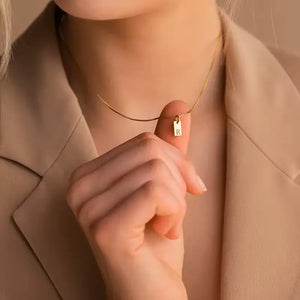
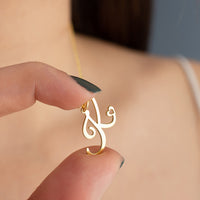
The piece they're describing → Heart Initial Necklace for Women — 18K Gold Plated, Personalized Letter + Heart Pendant
Personalize Yours


