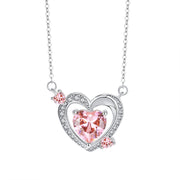
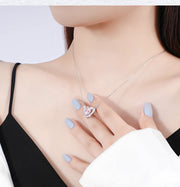
Sterling silver is the most misunderstood material in jewelry. It sounds simple — it's silver — but the word "silver" covers an enormous range of materials from genuine 925 sterling to silver-colored…
Sterling silver is the most misunderstood material in jewelry. It sounds simple — it's silver — but the word "silver" covers an enormous range of materials from genuine 925 sterling to silver-colored paint on plastic. Understanding what sterling silver actually is and why it matters is the foundation of buying jewelry that lasts, looks good, and is safe to wear every day.
925 sterling silver means the metal is 92.5% pure silver and 7.5% copper. Pure silver (99.9% fine silver, labeled .999) is too soft for jewelry — it bends, scratches, and deforms under daily wear. The 7.5% copper in sterling provides the hardness needed for a ring to hold its shape, an earring post to stay straight, and a necklace chain to resist kinking. The name "sterling" dates to 13th-century England as a standard for silver coinage. Today it's the global jewelry standard for real silver content. Every genuine sterling silver piece from a reputable jeweler will be hallmarked: 925, S925, Ag925, or Sterling — all mean the same thing.
What is NOT sterling silver: silver-tone, silver-plated, silver-filled, rhodium-plated, and silver-colored are all descriptors that indicate a non-silver base metal with a silver-looking surface. Silver-plated means a thin layer of real silver over brass or copper — the plating wears off within months to years and reveals the base metal beneath. Silver-tone means no real silver at all; it's just the color. If a piece doesn't explicitly say 925 or sterling silver, assume it is not. At AJLuxe, all pieces are 925 sterling silver. The hallmark is part of the product, not a marketing claim.
The most important fact about sterling silver jewelry isn't the silver — it's the copper. The 7.5% copper is what makes sterling silver slightly reactive with air and skin over time. Tarnish in sterling silver is copper oxidation: the copper in the alloy reacts with sulfur compounds in air (especially in humid environments or near rubber, wool, and certain foods) to form a dark copper sulfide layer on the surface. This tarnish is cosmetic — not structural damage — and polishes off easily with a soft cloth in under a minute. Gold-plated sterling silver tarnishes slower because the gold layer slows the oxidation process.
Sterling silver's position relative to alternatives matters for daily wear decisions. Stainless steel is harder, heavier, and typically cheaper to produce — it's safe for sensitive skin in most modern alloys but looks and feels industrial. It's difficult to gold-plate stainless steel with fine results because of the chromium oxide layer on stainless steel surfaces. Brass is the most common affordable jewelry base metal — it's easy to work, takes plating well, and is inexpensive, but it contains zinc, tarnishes rapidly, and causes skin reactions in sensitive wearers. Solid gold (14K or 18K) is the premium alternative to sterling — no tarnish, higher durability, hypoallergenic — but costs 10–50x more per gram. Sterling silver is the sweet spot: real precious metal, genuinely hypoallergenic, excellent workability, and accessible pricing.
| Material | Real Silver Content | Hypoallergenic | Tarnish Rate | Skin Safety |
|---|---|---|---|---|
| 925 Sterling Silver | 92.5% | Yes — nickel-free | Slow (polishes easily) | Safe for nearly all skin types |
| Silver-Plated (brass base) | <1% (plating only) | No | Fast when plating wears | Reactions when base is exposed |
| Stainless Steel | 0% | Usually — check alloy | Very slow | Generally safe; feels cold/heavy |
| Brass | 0% | No — contains zinc/nickel | Very fast | Causes green skin, reactions |
| Gold-Plated Brass | 0% | No — base is brass | Fast when plating wears | Reactions when base is exposed |
| Gold-Plated 925 Sterling | 92.5% (base) | Yes — sterling base | Very slow | Safe at all wear stages |
Jewelry plating — whether gold, rhodium, or any other metal coating — is temporary by design. All electroplating is measured in microns (millionths of a meter) thick. Even high-quality gold plating at 2.5 microns (the vermeil standard) will wear through eventually at high-friction points: ring shanks, earring posts, clasp hardware, and bracelet links. The base metal beneath the plating is what your skin lives with for the life of the piece. If that base metal is brass and contains nickel, you will experience reactions at some point — possibly within months as plating wears on posts and clasps, or after years as the body's surface protection depletes.
AJLuxe uses 925 sterling silver as the base for all gold-plated pieces specifically because of this. When the 18K gold plating on an AJLuxe piece eventually wears to reveal the underlying metal — which may take years, or may happen faster in high-friction areas — what's underneath is sterling silver, not brass. The piece remains wearable, hypoallergenic, and clean at every stage of its life. This is what separates jewelry that lasts from jewelry that looks good in the store and causes a rash in two months.
Sterling silver maintenance is minimal but matters. The three habits that preserve sterling jewelry longest: remove before water exposure (swimming, showering, washing dishes — water accelerates tarnishing and weakens clasps), remove before applying products (perfume, lotion, sunscreen, and hairspray all leave residue that dulls and oxidizes sterling), and store dry in an airtight pouch or box (oxygen and humidity are the enemies of sterling's surface). Anti-tarnish pouches and strips are inexpensive and significantly extend the time between polishing. When tarnish does appear — a yellow, dull, or dark surface — a soft sterling silver polishing cloth restores the original shine in under a minute without chemicals or abrasives.
925 on jewelry means the piece is 92.5% pure silver — the international standard for sterling silver. The number refers to parts per thousand: 925 out of 1,000 parts are pure silver, and the remaining 75 parts are typically copper added for strength. You may also see S925, Ag925, or the word "Sterling" — all indicate the same standard. A stamp of 800 or 900 indicates lower purity silver (common in some European pieces). A stamp of 999 indicates fine silver (99.9% pure, used for bullion, too soft for most jewelry). If a piece has no silver hallmark, it is not sterling silver regardless of how it looks or is described in marketing.
Yes — 925 sterling silver is real silver. It is 92.5% pure silver by weight, which is the standard silver alloy used in fine jewelry worldwide. "Real silver" in the context of jewelry means sterling silver (or higher-purity fine silver). It is not costume metal, not silver-colored, and not silver-plated over a non-silver base. Sterling silver is a precious metal — it has market value as a commodity just like gold. A piece hallmarked 925 is genuinely, verifiably silver at the material level, not at the surface level.
Yes, sterling silver tarnishes over time — but it polishes off easily and does not indicate damage. Tarnish in sterling is a surface reaction: the 7.5% copper in the alloy reacts with sulfur compounds in air to form a thin layer of copper sulfide, creating a yellowish or dark discoloration. The rate depends on your environment: humid air, rubber, wool, and exposure to perfume/sweat all accelerate tarnishing. A soft sterling silver polishing cloth removes tarnish in under a minute and restores the original bright surface. Gold-plated sterling tarnishes much more slowly because the gold layer protects the sterling beneath. Tarnish is cosmetic and never structural — it does not mean the piece is damaged or degrading.
Yes — 925 sterling silver is hypoallergenic for the vast majority of wearers. Sterling silver contains no nickel, which is the number one contact allergen in jewelry. The 7.5% copper content is rarely sensitizing at the levels present in sterling alloys. Genuine nickel allergy to sterling silver is very rare — most people who think they react to sterling are actually reacting to nickel-containing base metals in jewelry that was mislabeled or simply described as "silver-toned." If you have experienced reactions to earrings, rings, or bracelets in the past, the culprit is almost certainly nickel in the base metal, not silver. Sterling silver is the recommended safe choice by dermatologists for reactive and sensitive skin.
Sterling silver is a solid silver alloy through and through — 92.5% pure silver all the way to the core. Silver-plated is a thin layer of real silver (measured in microns) electrodeposited over a base metal, which is typically brass or copper. The difference becomes critical over time: as silver plating wears through at high-friction points, the base metal is exposed. If that base metal is brass containing nickel, you'll experience reactions. If it's copper, it may cause green skin staining. Sterling silver, by contrast, remains safe and wearable at every stage of wear because the silver goes all the way through. The hallmark is the tell: 925 or Sterling = solid sterling alloy. "Silver-plated," "SP," or no hallmark = plating only.
Sterling silver by itself does not turn skin green. Green skin discoloration from jewelry is caused by copper-rich metals — particularly brass — reacting with skin acids and sweat to form copper salts. Since sterling silver is primarily silver (not copper), it does not cause this reaction. The 7.5% copper in sterling is alloyed in a way that doesn't produce the same green reaction as brass does. If you're experiencing green skin from a piece labeled "sterling silver," the piece is either mislabeled (it's actually brass or copper with silver plating) or there's a contamination in the base metal. Genuine hallmarked 925 sterling silver will not turn your skin green.
For light tarnish and everyday maintenance: a soft sterling silver polishing cloth is the fastest and safest method — no liquids, no chemicals, just a quick buff restores shine in under a minute. For moderate tarnish: warm water with a drop of mild dish soap, gently cleaned with a soft toothbrush, then dried thoroughly with a lint-free cloth. For heavier tarnish on plain sterling (without gemstones or gold plating): a tiny amount of non-gel white toothpaste on a soft cloth, rubbed gently in circular motions, then rinsed and dried completely. Avoid: silver dip solutions for gold-plated pieces (the acid strips the plating), ultrasonic cleaners for pieces with soft gemstones, and abrasive pads or steel wool. Always dry completely before storing — moisture trapped against sterling causes faster tarnishing.
For most fine jewelry applications, 925 sterling silver is the superior choice. Sterling silver is a true precious metal with intrinsic value, works well in detailed and delicate designs, takes gold plating beautifully, and is recognized worldwide as the fine jewelry standard. It does require occasional polishing when tarnished. Stainless steel is harder, doesn't tarnish, and is cheaper to produce — which makes it excellent for medical devices, kitchen equipment, and industrial uses. In jewelry, stainless steel feels heavier and colder, doesn't work as easily into fine intricate designs, and doesn't accept plating as cleanly. For everyday jewelry you want to feel luxurious, look excellent, and remain safe for sensitive skin, sterling silver wins. Stainless steel is acceptable as a budget alternative but is not equivalent in the jewelry context.