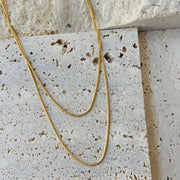
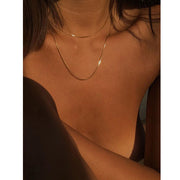
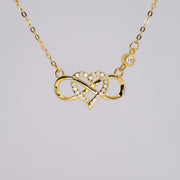
Hypoallergenic jewelry is a category defined not by a specific style but by a specific safety standard: jewelry that doesn't cause skin reactions in the people wearing it. For most people who experie…
Hypoallergenic jewelry is a category defined not by a specific style but by a specific safety standard: jewelry that doesn't cause skin reactions in the people wearing it. For most people who experience jewelry reactions, the problem is nickel — and the solution is choosing metals that don't contain it. AJLuxe's entire jewelry collection is built on 925 sterling silver, which contains no nickel and is safe for sensitive and reactive skin.
The word "hypoallergenic" has no legal definition in the jewelry industry. Any product can call itself hypoallergenic without disclosing the base metal, without any third-party testing, and without any liability for reactions that occur. This means the label alone is meaningless — what matters is the actual material content. The only reliable way to determine whether a piece of jewelry is genuinely hypoallergenic is to identify the base metal: 925 sterling silver (no nickel), titanium (no nickel), niobium (no nickel), solid 14K+ yellow gold (no nickel in yellow gold), platinum (no nickel). Any other material — brass, copper, zinc alloy, white metal, base metal, mystery metal — should be assumed to contain nickel until proven otherwise.
Nickel sensitivity affects approximately 15% of women and 2% of men, making it the most common contact allergy worldwide. The technical name is nickel contact dermatitis — it's a delayed hypersensitivity reaction, not an immediate IgE allergy. This means the reaction typically develops over repeated exposures rather than on first contact. You might wear brass jewelry for years before developing sensitivity, and then suddenly begin reacting. Once sensitized, the threshold for reaction drops: what took years to develop can now be triggered within hours of contact. This is why "I used to be able to wear this jewelry, but now I can't" is an extremely common experience — the sensitization built up over time.
The safest metals for every piece in a full jewelry wardrobe: for necklaces, the chain and clasp are both important — a sterling chain with a brass clasp is not fully hypoallergenic because the clasp contacts the skin at the back of the neck. Look for sterling silver or gold-filled clasps on sterling chains. For earrings, the post is the critical element — the thin shaft that passes through the piercing. Post material matters more than the visible earring design. For rings, the inner shank is what contacts skin continuously — a ring plated on the outside but with a brass inner shank is reactive. For bracelets, the underside of the bracelet and any clasp hardware are the skin-contact points.
Building a completely hypoallergenic jewelry wardrobe means ensuring every piece — not just the most visible ones — uses safe base metals. A capsule hypoallergenic wardrobe: one sterling silver pendant necklace with a sterling clasp, one pair of 925 sterling silver stud earrings, one 925 sterling silver thin chain bracelet, and one 925 sterling silver band ring. Four pieces, all sterling silver, all nickel-free. From this base you can layer additional pieces, add personalized elements, and build out the collection — all within the same safe material standard.
| Metal | Nickel Free | Hypoallergenic | Notes |
|---|---|---|---|
| 925 Sterling Silver | Yes | Yes | The fine jewelry standard; nickel-free at the alloy level |
| Titanium (implant-grade) | Yes | Yes — most hypoallergenic | Best for extreme sensitivities and healing piercings |
| Solid 14K+ Yellow Gold | Yes | Yes | White gold may contain nickel — specify yellow |
| Platinum | Yes | Yes | Premium option; rarest and most expensive |
| 316L Surgical Steel | No — trace (2–3%) | Usually — not for extreme sensitivity | Low-nickel but not nickel-free |
| Brass / Copper / Zinc Alloy | Often no | No | Most common cause of jewelry reactions |
Nickel contact dermatitis is a T-cell mediated delayed hypersensitivity reaction. Unlike IgE allergies (pollen, peanuts) that trigger immediate systemic responses, nickel sensitivity is localized and develops through a process called sensitization. First exposure: nickel ions from metal contact with skin are taken up by Langerhans cells (skin's immune sentinels) and presented to T-cells. Initial exposures may cause little to no visible reaction as the T-cell population builds. After sufficient sensitization, subsequent nickel exposures trigger a faster and stronger T-cell response: inflammation, cytokine release, the visible rash and itching you experience as a reaction. Once sensitized, the reaction threshold is lower and the response is faster — this is why sensitivity appears to "develop suddenly" even when the jewelry is the same as before.
The practical implication: people who wear brass jewelry frequently are progressively sensitizing their immune system even when they don't yet notice reactions. Switching to 925 sterling silver jewelry before developing obvious sensitivity is genuinely protective. If you've already developed sensitivity, switching to sterling silver completely eliminates the source of ongoing sensitization — most people find that symptoms resolve within days of removing the reactive jewelry and don't return as long as they continue wearing sterling or titanium. Continuing to wear reactive jewelry while managing symptoms with topical treatments is not a solution — it's managing the consequence without addressing the cause.
To make your entire jewelry wardrobe genuinely hypoallergenic, check every piece against this list: Does the necklace chain material say 925 sterling silver? Does the clasp also say sterling (not just the chain)? Do earring posts say 925 sterling silver (check the back of the earring near the post, not just the visible front)? Does the ring's inner band material say 925 sterling silver? Is the bracelet's clasp hardware sterling or gold-filled rather than brass? For each piece where you can't confirm the base metal, consider whether it's worth the risk. Replacing reactive pieces one at a time with verified sterling silver pieces is a practical approach — you don't need to discard everything immediately, just stop wearing the pieces you know or suspect are reactive.
In jewelry, "hypoallergenic" has no legal definition — any product can use the term without any requirement to prove it. In practice, hypoallergenic jewelry means jewelry made from materials that don't contain common allergens, primarily nickel. The genuinely hypoallergenic metals are: 925 sterling silver (nickel-free), titanium, niobium, solid 14K+ yellow gold, and platinum. Everything else — brass, zinc alloy, base metal, white metal — should be treated as potentially reactive. When shopping for hypoallergenic jewelry, ignore the label and look for the material: a 925 hallmark or explicit "925 sterling silver" description is more reliable than any marketing claim.
All genuine 925 sterling silver is hypoallergenic because 925 sterling silver contains no nickel — the primary jewelry allergen. The alloy is 92.5% pure silver and 7.5% copper, full stop. However, "sterling silver" is sometimes used loosely to describe silver-plated pieces over non-sterling bases. If a piece is labeled sterling silver but has no 925 hallmark, it may be silver-plated over brass. Genuine sterling silver — confirmed by the 925 hallmark on the piece — is reliably hypoallergenic for nearly all wearers. True silver sensitivity is very rare (under 1% of the population).
Yes — nickel contact dermatitis appears to develop suddenly, but the underlying sensitization has been building over time with repeated exposures. The immune system builds a population of nickel-reactive T-cells through repeated contact. Once that population reaches a threshold, the next exposure triggers an obvious reaction, appearing to come from nowhere. People who "never had jewelry problems" and suddenly start reacting have typically been wearing nickel-containing jewelry for years — the sensitization just reached the visible threshold. Switching to sterling silver or titanium removes the source of continued sensitization, and reactions typically resolve.
Most modern stainless steel (specifically 316L grade) is low-nickel and safe for the majority of people with mild sensitivities. However, 316L stainless contains 2–3% nickel by composition. For people with mild nickel sensitivity, this is typically low enough not to cause reactions. For people with pronounced nickel contact dermatitis, trace nickel in stainless steel can still trigger reactions, particularly with prolonged contact. Stainless steel is not nickel-free and should not be described as such. For reliable hypoallergenic jewelry across sensitivity levels, 925 sterling silver and titanium are more dependable choices.
The safest jewelry for nickel allergy: 925 sterling silver (no nickel, fine jewelry standard), implant-grade titanium (no nickel, highest biocompatibility), solid 14K+ yellow gold (no nickel — specify yellow; white gold may contain nickel alloy), niobium (no nickel, used in implant jewelry), and platinum (no nickel, premium option). For all of these, verify that every component of the piece uses the safe material — not just the visible pendant or earring face, but also the post, clasp, and chain. One reactive component is enough to cause a reaction even if the rest of the piece is sterling silver.
Not always — it depends on the alloy. White gold achieves its white color by alloying yellow gold with white metals. The most common white metal used is nickel, which means many white gold alloys contain nickel. 14K white gold can contain 12–14% nickel depending on the manufacturer. Palladium white gold (using palladium instead of nickel as the whitening alloy) is nickel-free and hypoallergenic, but it's less common and more expensive. Rhodium-plated white gold (the shiny coating on most white gold) is safe while intact but the plating wears, revealing the alloy beneath. If you want gold-toned jewelry and have nickel sensitivity, yellow gold (14K+) is safer than white gold because it doesn't require a whitening alloy.
The most reliable indicators: (1) Check for the 925 hallmark — genuine sterling silver won't cause nickel reactions. (2) Look for explicit material disclosure in the product description — "925 sterling silver" or "implant-grade titanium" are reliable; "silver-toned," "premium alloy," or "hypoallergenic" without material disclosure are not. (3) Use a DMG nickel test kit on unknown pieces before wearing. (4) Observe: if a piece causes itching, redness, or swelling within hours of first wear, remove it and clean the area — this is a reliable indicator of nickel content. (5) Trust your history: if you've reacted to cheap jewelry before, assume any unlabeled jewelry contains nickel until proven otherwise.
For nickel-sensitive skin, 925 sterling silver is safer than stainless steel because sterling silver contains zero nickel while 316L stainless steel contains 2–3% nickel. Both materials are safe for the majority of people, but at the margins of nickel sensitivity — people with moderate to severe reactions — sterling silver's zero nickel content is meaningfully safer. Additionally, sterling silver is a more traditional fine jewelry material with a longer track record in hypoallergenic applications. Stainless steel is an adequate choice for people with mild or no sensitivity; sterling silver is the better choice for anyone who has ever experienced a reaction to jewelry or wants the most reliable safety margin.
The base metal, not a coating or a marketing label. 925 sterling silver is nickel-free by composition, which is what actually prevents most skin reactions. See what makes jewelry hypoallergenic for the full explanation.
Nickel-free is specific and verifiable — the metal doesn't contain nickel. "Hypoallergenic" is a broader, less regulated term that can mean different things depending on who's using it. See the nickel-free jewelry guide for what to actually check.
Sterling silver can tarnish over time from air and moisture exposure — that's separate from the nickel-free property and isn't a sign the metal isn't genuinely nickel-free. See does nickel-free jewelry tarnish for the full explanation.
Look for brands that name their actual base metal rather than just using the word "hypoallergenic" — 925 sterling silver, titanium and niobium are genuinely nickel-free by composition. See best hypoallergenic jewelry brands for a fuller comparison.
22 of these 25 styles are in stock now. We hold our own inventory rather than dropshipping, so anything listed as available is on our shelves and ready to ship.
Orders placed before 12pm EST ship the same day; everything else ships the next business day. Delivery inside the USA takes 3–5 days from dispatch, and shipping is free with no minimum order.
'Hypoallergenic' has no legal definition in jewelry. In practice it means nickel-free. Look for the 925 hallmark or explicit '925 sterling silver' description — more reliable than any marketing claim. Genuinely hypoallergenic metals: sterling silver, titanium, niobium, solid 14K+ yellow gold, platinum.
All genuine 925 sterling silver is hypoallergenic — it contains no nickel. Confirm with the 925 hallmark on the piece. 'Sterling silver' without a hallmark may be silver-plated over brass, which is not hypoallergenic.
Yes — nickel sensitivity appears sudden but builds through repeated exposure. Once the immune system's T-cell population reaches a threshold, the next exposure triggers an obvious reaction. Switching to sterling silver or titanium removes the source and reactions typically resolve.
316L stainless steel is low-nickel (2–3%) and safe for most people, but not nickel-free. For pronounced nickel sensitivity, trace nickel in stainless can still trigger reactions. Sterling silver and titanium are more reliably hypoallergenic.
Safest options: 925 sterling silver, implant-grade titanium, solid 14K+ yellow gold, niobium, and platinum. Verify that every component — post, clasp, chain, not just the visible pendant — uses the safe material. One reactive component is enough to cause a reaction.
Not always. Most white gold uses nickel alloy to achieve the white color. Palladium white gold is nickel-free but less common. If you have nickel sensitivity and want gold, yellow gold (14K+) is reliably nickel-free and safer than white gold.
Check for the 925 hallmark; look for explicit material disclosure; use a DMG nickel test kit on unknown pieces; observe for itching/redness within hours of first wear. If you've reacted to cheap jewelry before, assume unlabeled jewelry contains nickel.
Yes — 925 sterling silver contains zero nickel; 316L stainless contains 2–3%. For moderate to severe nickel sensitivity, sterling silver's zero nickel content is meaningfully safer. Both are fine for mild or no sensitivity; sterling is the better choice for reactive skin.
It's the base metal, not a coating or a claim on the listing. 925 sterling silver is nickel-free by composition. See what makes jewelry hypoallergenic for the full breakdown.
Nickel-free is verifiable; "hypoallergenic" alone is a looser, less regulated term. See the nickel-free jewelry guide for what to look for on a listing before trusting the label.
From $24.99, 22 in stock — 1,123 reviews sit at a 4.56 average across the collection. See best hypoallergenic jewelry brands for how this compares to other options.
Sterling silver can tarnish from air and moisture over time — that's a separate, normal reaction, not a sign it isn't genuinely nickel-free. Anything unworn can be returned within 30 days, and shipping is free in the USA both ways with no minimum order.
The guides shoppers open most before choosing this piece.